Weekly Lawn Care Tips to Maintain a Healthy Lawn
Maintaining a healthy and vibrant lawn requires consistent attention and care. By adopting weekly lawn care practices, homeowners can ensure their grass remains lush, green, and resilient throughout the year. Whether it’s the middle of summer or the depths of winter, understanding what your lawn needs seasonally—and providing targeted care such as mowing, watering, and fertilizing—will help your yard thrive. In this comprehensive guide, we’ll walk you through essential steps for weekly lawn care, with a particular focus on seasonal lawn care strategies designed to keep your lawn in top condition no matter the time of year.
Why Weekly Lawn Care Matters
Your lawn is a living ecosystem that demands regular maintenance to stay healthy. The right actions performed on a weekly basis can prevent common problems such as weed infestations, pest damage, and fungal diseases. By following a structured routine of mowing, watering, and fertilizing, you give your lawn the best possible chance to flourish.
The key benefits of consistent weekly lawn care include:
– Encouraging deep root growth by regular but appropriate watering
– Preventing overgrowth and promoting even grass height through mowing
– Supplying essential nutrients with timely fertilizing
– Reducing stress from seasonal fluctuations
Understanding the unique needs of your lawn through the seasons will allow you to tailor your weekly routine accordingly.
Essential Weekly Lawn Care Practices
To maintain a healthy lawn, focus on these three pillars of weekly lawn care: mowing, watering, and fertilizing. Each plays a vital role in the health and appearance of your grass.
Mowing: The Foundation of Lawn Maintenance
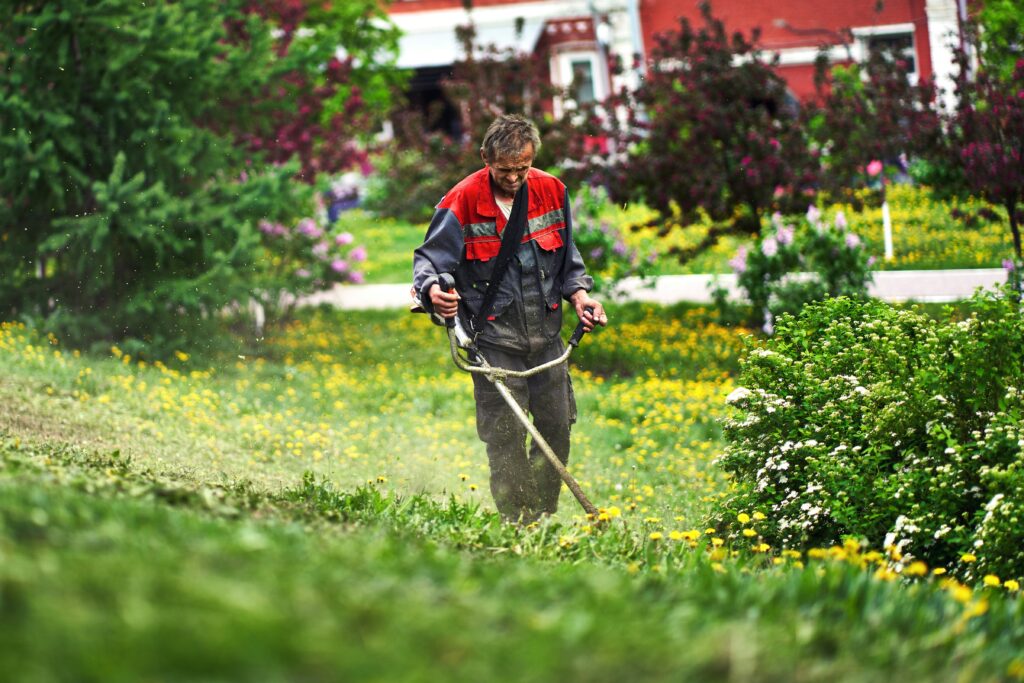
Proper mowing is the most visible and frequent lawn care task. It influences the density, color, and overall health of your grass.
– Mow at the right height: Generally, aim to keep your grass at around 2.5 to 3.5 inches. This helps shade the soil, retain moisture, and prevent weeds from establishing.
– Avoid cutting more than one-third of the grass height at a time: Cutting too much stresses the grass and weakens it.
– Maintain mower blades: Sharp blades produce clean cuts while dull blades tear grass, leading to brown tips and increased vulnerability to disease.
– Frequency: During peak growing season, mowing once a week is typically sufficient. Adjust based on growth rates influenced by weather and season.
Watering: Water for Deep Roots and Stress Resistance
Watering your lawn correctly is crucial for promoting deep root systems and vibrant color.
– Water deeply and infrequently: Aim for about 1 inch of water per week to encourage roots to grow deeper. Shallow watering leads to weak, surface roots.
– Choose early morning watering: This reduces evaporation and allows grass blades to dry quickly, minimizing disease risk.
– Adjust watering by season: Summer may require more frequent watering due to heat, while cooler seasons typically need less.
Fertilizing: Fuel for Growth
Fertilizing provides vital nutrients such as nitrogen, phosphorus, and potassium that your lawn needs to grow strong and lush.
– Follow a fertilization schedule tailored to your grass type and climate.
– Apply fertilizers during active growth periods for the best absorption.
– Use fertilizers that match your lawn’s nutrient requirements through soil testing if possible.
Seasonal Lawn Care: Adapting Weekly Lawn Care Throughout the Year
Seasonal fluctuations dramatically impact your lawn’s needs. Adapting your weekly lawn care plan by season ensures your grass remains healthy despite changing weather patterns. Below is a detailed breakdown of seasonal lawn care tasks to complement your weekly mowing, watering, and fertilizing efforts.
Spring Weekly Lawn Care Tips
Spring signals new growth and recovery from winter dormancy. This period is critical for setting the foundation of a healthy lawn for the rest of the year.
– Weekly mowing resumes as grass begins actively growing. Be sure to keep blades high initially to avoid scalp damage.
– Begin watering as needed when soil starts to dry, but avoid overwatering since seasonal rains can help.
– Early season fertilizing with nitrogen helps stimulate lush green growth.
– Remove winter debris and consider aeration or overseeding to repair any damage.
Summer Weekly Lawn Care Tips
During summer, grass grows quickly but is also stressed by heat and drought conditions.
– Maintain consistent weekly mowing to keep grass at ideal height for heat protection.
– Increase watering frequency with deep soakings to combat evaporation losses.
– Light, balanced fertilizing helps replenish nutrients without stressing the grass.
– Watch for pests and fungal diseases common in hot, humid weather.
Fall Weekly Lawn Care Tips
Fall is a time to prepare your lawn for the dormant winter period while taking advantage of cooler temperatures.
– Gradually reduce mowing frequency but keep grass at a moderate length.
– Reduce watering as natural precipitation returns, adjusting to soil moisture levels.
– Fertilize with a balanced or phosphorus-rich blend to encourage strong root development.
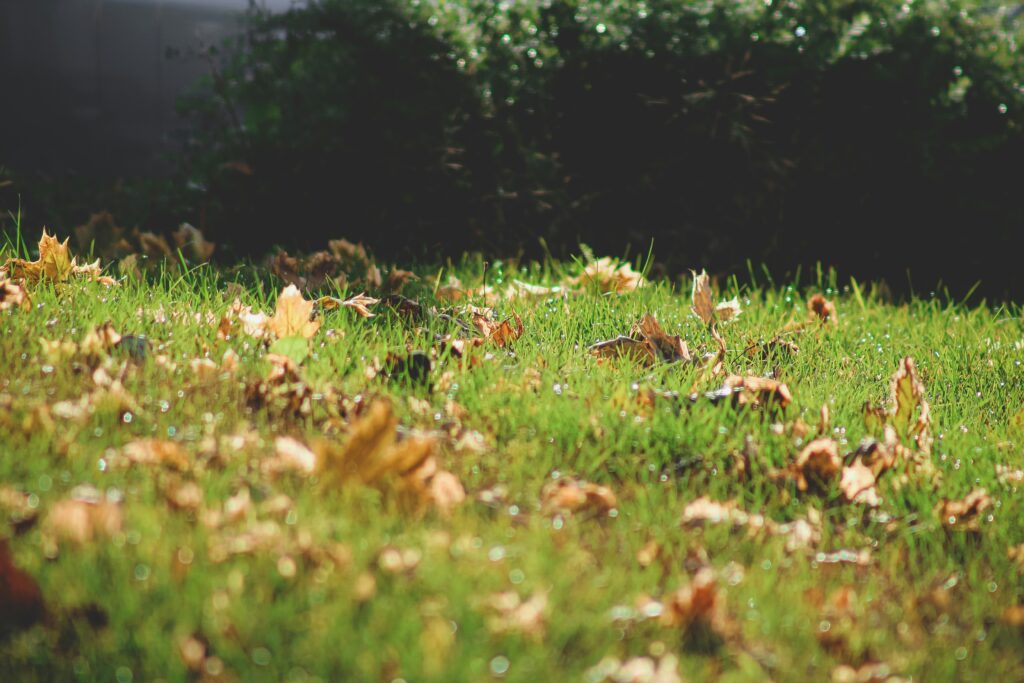
– Raking fallen leaves and aerating compacted soil helps reduce lawn stress.
Winter Weekly Lawn Care Tips
In colder climates, lawns generally enter dormancy during winter.
– Most lawns do not require mowing during winter but occasional trimming may be necessary if growth occurs.
– Watering should be limited to dry spells without frost or snow cover to prevent dehydration.
– Avoid fertilizing in winter, as nutrient uptake is minimal.
– Minimize foot traffic to avoid soil compaction and damage to dormant grass.
Additional Weekly Lawn Care Tips for Best Results
Along with mowing, watering, and fertilizing, there are other important lawn care habits to include in your weekly routine:
– Weed Control: Remove weeds manually or use safe herbicides as needed to prevent spread.
– Soil Testing: Annual or biannual tests help track nutrient levels and pH for better fertilizing decisions.
– Pest Monitoring: Regularly check for signs of insect or disease damage. Early intervention prevents major issues.
– Mulching and Composting: Reapply mulch where grass meets flower beds and use compost to enrich soil health naturally.
Frequently Asked Questions About Weekly Lawn Care
Q1: How often should I mow my lawn each week?
A1: During the growing season, typically once per week is sufficient. However, mowing frequency can increase if the grass grows rapidly or decrease during slow growth periods.
Q2: Can I water my lawn every day?
A2: Daily watering is generally not recommended as it encourages shallow roots. Deep watering once or twice a week is preferable to promote strong root development.
Q3: When is the best time to fertilize my lawn?
A3: Fertilize during active growth periods such as spring and fall for cool-season grasses and in late spring through summer for warm-season grasses.
Q4: How do seasonal changes affect weekly lawn care?
A4: Seasonal shifts alter your lawn’s growth rate and water needs. Adjust mowing height and frequency, watering schedules, and fertilizing to match the season, as detailed in the seasonal lawn care section.
Q5: What should I do if my lawn is patchy or thinning?
A5: Consider overseeding during the appropriate season, aerate the soil, ensure proper watering, and evaluate nutrient levels through soil testing.
Conclusion
Adopting a consistent weekly lawn care routine that includes proper mowing, watering, and fertilizing is essential to maintaining a healthy and attractive lawn year-round. Tailoring your approach based on seasonal lawn care needs ensures your grass stays resilient through the challenges of temperature extremes, drought, and pests. By monitoring your lawn’s condition regularly, making timely adjustments, and addressing problems early, you can enjoy a lush green yard that enhances your home’s curb appeal and provides a welcoming outdoor space.
Remember, your lawn reflects the effort you invest—weekly maintenance is a small commitment that delivers rewarding, long-lasting results. Start with these tips today and watch your lawn thrive no matter the season.
see weather forecase
https://livedgreen.com/
https://garden.org/