Vegetable Garden Guide for First-Time Gardeners
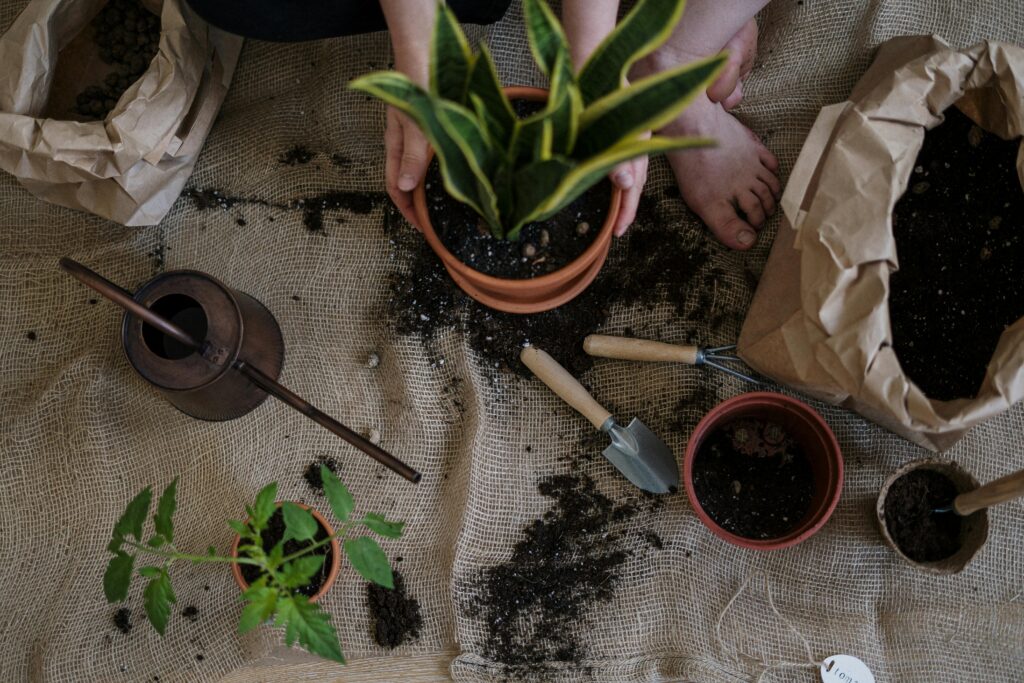
Starting a vegetable garden is a rewarding way to connect with nature, enjoy fresh produce, and develop a fulfilling hobby. If you are a beginner or embarking on your first venture into vegetable gardening, this guide is tailored for you. From choosing the right spot to understanding planting schedules and caring techniques, this comprehensive guide will help you build and maintain a thriving beginner garden.
Why Start a Vegetable Garden?
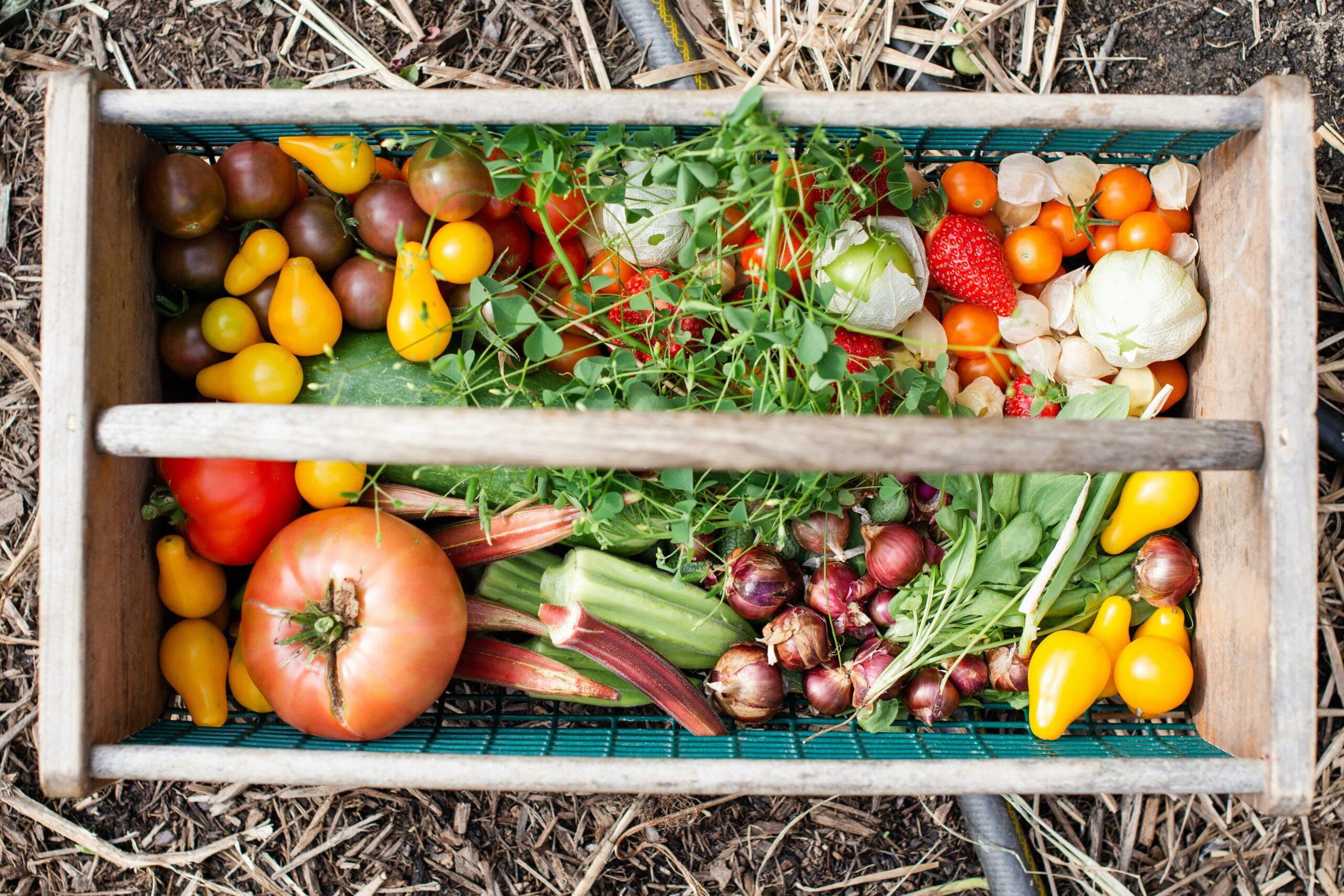
A vegetable garden offers several benefits beyond fresh and healthy food. Gardening can improve mental health, provide moderate exercise, and even reduce grocery bills. For first-time gardeners, cultivating your own vegetables fosters patience, learning, and pride in your accomplishments.
Planning Your Vegetable Garden
A successful vegetable garden begins with thorough planning. Here are some foundational steps every beginner gardener should consider:
Choosing the Right Location
Location is one of the most crucial factors for plant growth. Most vegetables need at least 6 to 8 hours of direct sunlight daily. Here are the top considerations:
– Sunlight: Select a spot with plenty of sunlight.
– Soil Quality: Look for well-drained soil rich in organic matter.
– Water access: Ensure it’s near a water source.
– Protection: Spot sheltered from strong winds or pests.
Deciding on Garden Type
There are various types of gardens you can choose based on space and convenience:
– In-ground garden: Ideal if you have ample space and good soil.
– Raised beds: Great for soil control and drainage.
– Container gardening: Perfect for urban settings or balconies.
Selecting Vegetables for Beginners
Choosing easy-to-grow vegetables can set you up for success. Some beginner-friendly options include:
– Lettuce
– Radishes
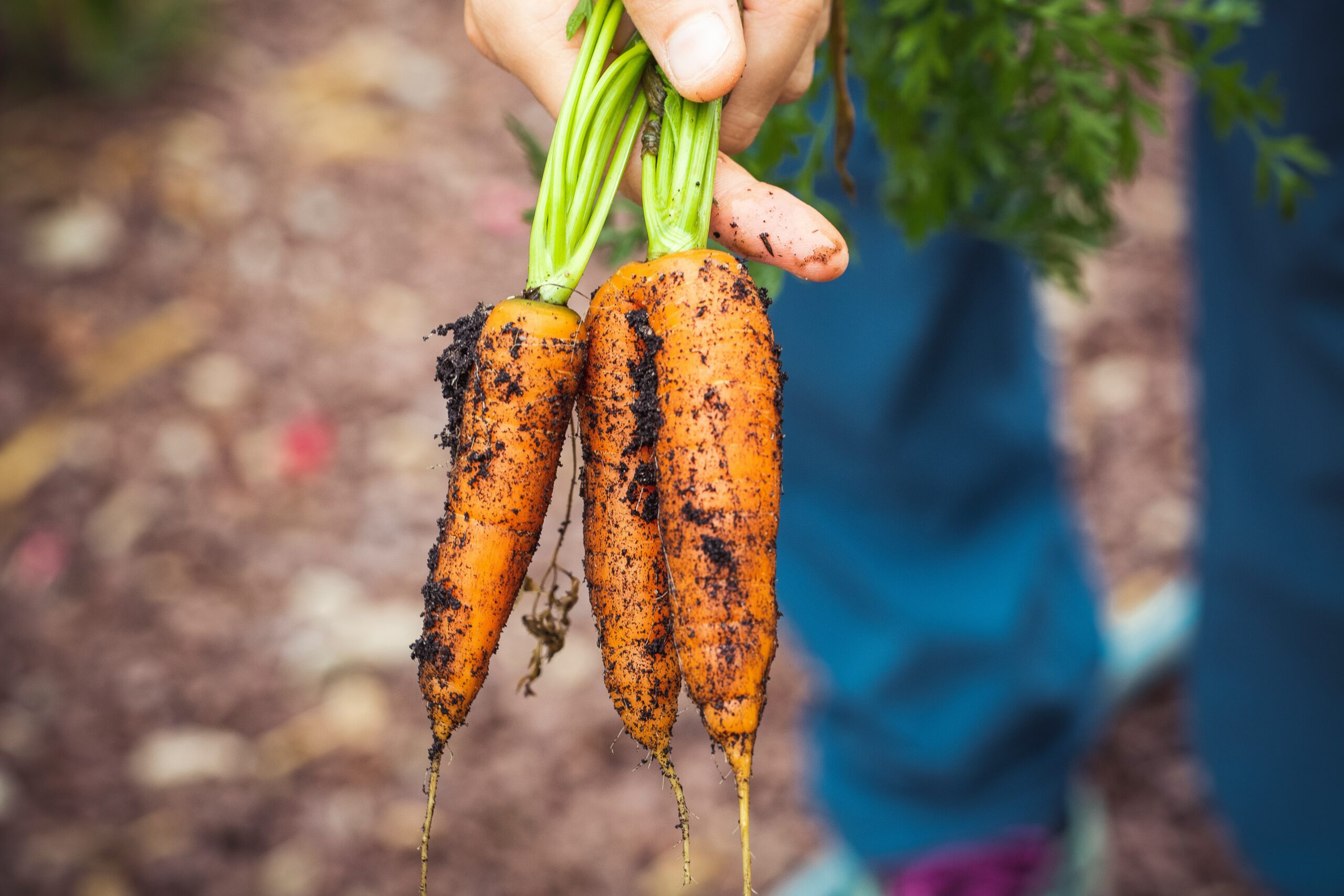
– Carrots
– Green beans
– Tomatoes
– Zucchini
These crops generally require less maintenance and have shorter growing periods.
Preparing Your Soil for a Vegetable Garden
Healthy soil is the backbone of any flourishing vegetable garden. Here are essential soil preparation steps:
– Test Your Soil: Use a soil test kit to check pH and nutrient levels.
– Clear the Area: Remove weeds, rocks, and debris.
– Add Compost: Incorporate organic matter to improve soil structure and fertility.
– Till or Loosen Soil: Aerate the soil to ensure root penetration.
Planting and Maintenance Tips in Vegetable Gardening
Getting your plants into the soil correctly and providing ongoing care will increase your chances of a successful harvest.
Planting Techniques
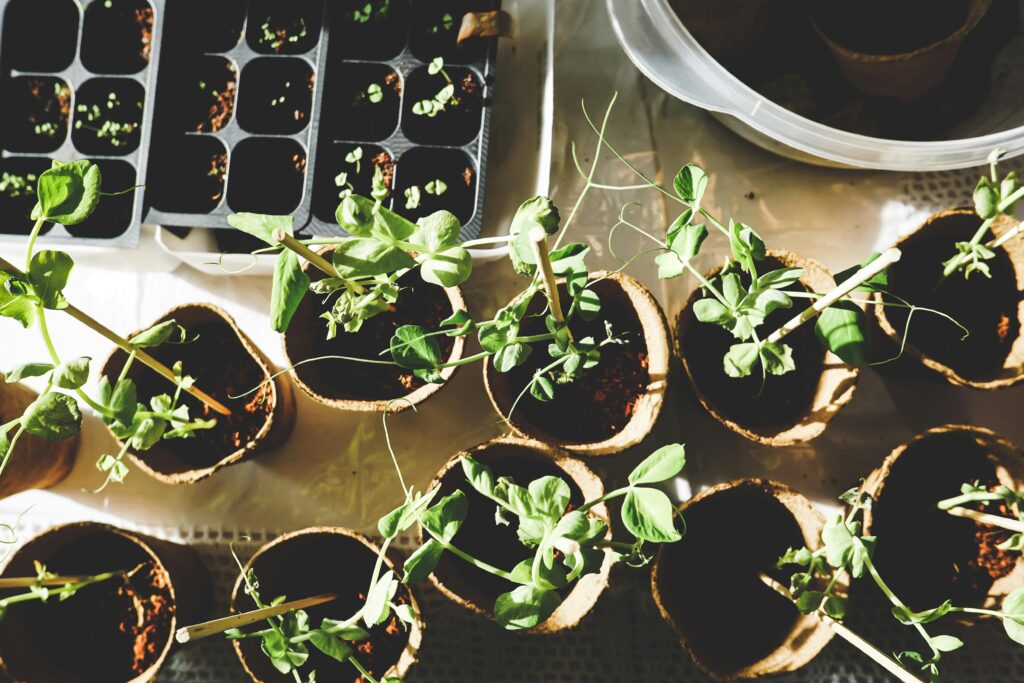
– Seed starting: For some vegetables, starting seeds indoors enhances early growth.
– Transplanting: Harden off seedlings gradually before moving outdoors.
– Spacing: Follow seed packet instructions for proper spacing to avoid overcrowding.
Watering Guidelines
Consistent watering is critical, especially during dry spells. Most vegetables prefer deep, infrequent watering rather than frequent shallow watering. Early morning is the best time to water to reduce evaporation.
Fertilizing Your Garden
Vegetables are nutrient-hungry. Use a balanced, slow-release fertilizer or organic options like compost tea. Avoid excessive nitrogen, which promotes leaf growth over fruits.
Pest and Disease Management
Use integrated pest management techniques to protect your crops:
– Rotate crops each season.
– Introduce beneficial insects like ladybugs.
– Use natural remedies such as neem oil.
– Remove diseased plants promptly.
Seasonal Guide for Your Vegetable Garden
Knowing when to plant and harvest various vegetables depends largely on your climate and season.
Spring Vegetable Garden
– Plant cool-season crops like lettuce, spinach, and peas early.
– Start warm-season crops like tomatoes indoors.
Summer Vegetable Garden
– Transplant warm-season crops outdoors.
– Keep watering consistent to combat heat stress.
Fall Vegetable Garden
– Plant quick-growing crops like radishes and leafy greens.
– Start preparing soil for winter rest.
Common Challenges & How to Overcome Them in Vegetable Gardening
Starting a vegetable garden can involve hurdles, especially for beginners. Address these challenges with these tips:
– Poor germination: Check seed viability and planting depth.
– Pests: Use companion planting techniques to deter insects.
– Soil issues: Amend soil with compost regularly.
– Weather extremes: Use row covers to protect plants.
Gardening Tips for a Thriving Beginner Garden
Here are some practical gardening tips for anyone starting out:
– Keep a garden journal to track planting dates and growth.
– Start small to avoid overwhelm.
– Learn from each season and adapt your methods.
– Join local gardening groups or forums for support.
– Use mulch to conserve moisture and reduce weeds.
Frequently Asked Questions About Vegetable Gardening
Q1: What is the easiest vegetable to grow for beginners?
Lettuce, radishes, and green beans are among the easiest vegetables for new gardeners. They require minimal care and have faster harvest times.
Q2: How much sunlight does a vegetable garden need?
Most vegetables require 6 to 8 hours of direct sunlight daily for healthy growth.
Q3: How often should I water my vegetable garden?
Water deeply once or twice a week, adjusting frequency based on rainfall and temperature. Early morning watering is best.
Q4: Can I grow a vegetable garden in containers?
Yes, container gardening is a great option for small spaces and beginners. Use large pots with quality soil.
Q5: How do I keep pests away without using chemicals?
Use companion planting, attract beneficial insects, apply natural oils like neem, and remove affected plants promptly.
Q6: When should I start planting my vegetable garden?
This depends on your local climate, but generally early spring for cool-season crops and after the last frost date for warm-season crops.
Q7: What are the best vegetables for small beginner gardens?
Tomatoes, lettuce, carrots, radishes, and herbs work well in small spaces.
Conclusion
Starting a vegetable garden as a first-time gardener can be an enjoyable and satisfying experience. By carefully selecting your location, preparing your soil, choosing beginner-friendly plants, and adopting smart vegetable gardening practices, your garden can flourish season after season. Remember to start small, be patient, and learn from every step. With time and dedication, your beginner garden has the potential to become a lush, productive space full of fresh, homegrown vegetables. Happy gardening!
see weather forecase
https://livedgreen.com/
https://garden.org/