Summer Lawn Care Guide for Homeowners
As the hot months roll in, summertime lawn care becomes essential to maintaining a lush, green, and healthy lawn. Summer presents unique challenges for homeowners, from intense heat and drought stress to increased pest activity. With the right knowledge and consistent effort, your lawn can thrive throughout the season. This guide covers everything you need to know about seasonal lawn care during summer, including the best watering tips, effective lawn mowing practices, and important pest control strategies.
Understanding Seasonal Lawn Care in Summer
Every season requires a different approach when it comes to lawn maintenance, and summer is no exception. Warm temperatures and reduced rainfall mean that lawns can easily become stressed, dry, or damaged. Proper seasonal lawn care ensures your grass remains robust despite the harsh conditions.
Summer lawn care focuses primarily on hydration, temperature management, and protection from pests and diseases. Knowing when and how to water, mow, fertilize, and treat your lawn during summer will keep it looking fresh and thick.
Essential Watering Tips for Your Summer Lawn
Water is the lifeblood of any lawn, but overwatering or underwatering can cause serious damage. Efficient watering tips can prevent this and help conserve water—a crucial factor during the hotter months.
– Early Morning Watering: The best time to water your lawn is early in the morning, typically between 6 AM and 10 AM. This reduces evaporation and allows grass roots to absorb moisture before the heat intensifies.
– Deep and Infrequent Watering: Instead of frequent shallow watering, opt for deep watering sessions that encourage deep root growth. Aim to provide about 1 to 1.5 inches of water per week.
– Use Soaker Hoses or Drip Irrigation: These methods deliver water directly to the soil, minimizing waste and keeping foliage dry, which helps prevent disease.
– Avoid Overwatering: Soggy soil can lead to root rot and other problems. Always check soil moisture before watering again.
Watering Schedule Recommendations for Common Lawn Grasses
Knowing the type of grass in your lawn can help tailor watering schedules to its specific needs.
Proper Lawn Mowing Techniques for Summer
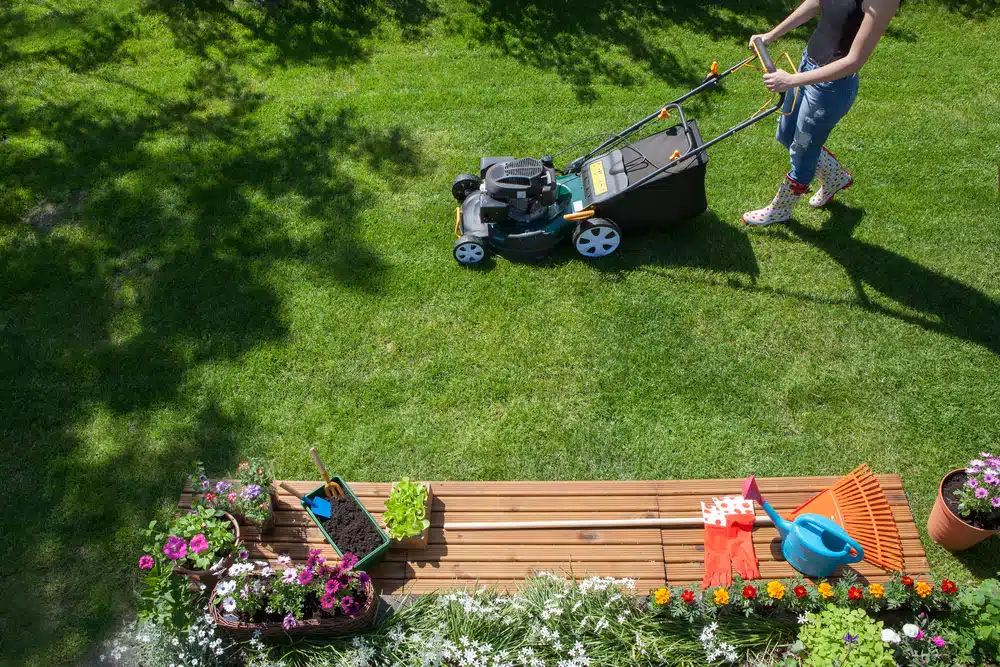
Mowing is a regular part of seasonal lawn care, but summer calls for some adjustments compared to spring or fall mowing. Improper mowing can expose grass blades to sunburn or encourage weed growth.
– Keep Grass Taller: Set mower blades to a higher setting, generally around 3 to 4 inches. Taller grass shades the soil, reduces evaporation, and helps retain moisture.
– Never Cut More Than One-Third: Avoid cutting more than one-third of the grass blade length in a single mowing session to reduce stress on the lawn.
– Mow When Dry: Grass blades are stronger when dry and mowing in the morning after dew has evaporated is ideal.
– Keep Mower Blades Sharp: Dull blades tear grass instead of cutting cleanly, making it more vulnerable to disease.
Mowing Height Recommendations for Popular Grass Types
Understanding the ideal cutting height for your specific grass type supports healthier growth during dry summer months.
Effective Pest Control During Summer
Summer’s warmth also encourages pests and insects that can damage your lawn. Identifying common pests and applying the appropriate pest control measures is vital.
– Common Summer Lawn Pests: Grubs, chinch bugs, sod webworms, and armyworms are among the most frequent culprits.
– Regular Inspection: Walk through your lawn regularly to spot any signs of pest damage such as yellow patches, thinning grass, or bite marks.
– Biological Controls: Beneficial nematodes and natural predators like birds can help reduce pest populations without chemicals.
– Chemical Treatments: When needed, use insecticides responsibly. Always follow the label instructions and apply during cooler parts of the day to reduce environmental impact.
– Lawn Health as Defense: A well-maintained lawn is more resistant to pests, so staying consistent with watering and mowing indirectly supports pest control.
Comparison of Natural vs. Chemical Pest Control Methods
Comparison of Pest Control Methods for Summer Lawns
| Comparison Factor | Natural Pest Control | Chemical Pest Control |
|---|---|---|
| Environmental Impact | Low; environmentally friendly and biodegradable | Higher risk of runoff, affects non-target species |
| Effectiveness | Moderate; gradual control over time | High; rapid reduction of pest populations |
| Cost | Generally lower, uses natural predators or homemade solutions | Variable; depends on type and application frequency |
| User Safety | Safe for humans and pets when used properly | Requires protective equipment and caution |
| Resistance Risk | Low; pests less likely to develop resistance | Higher; pests can develop resistance over time |
Additional Summer Lawn Care Tips
– Fertilizing in Summer: Use a slow-release fertilizer formulated for summer to promote steady growth without causing excess stress.
– Aeration: Consider aerating your lawn in early summer to improve water, oxygen, and nutrient penetration to roots.
– Thatch Removal: Excess thatch holds moisture and pests; dethatching in moderate amounts supports lawn health.
– Weed Management: Stay proactive with weed prevention and removal since summer weeds thrive in warm weather.
Frequently Asked Questions (FAQ)
Q1: How often should I water my lawn in the summer?
You should water deeply about 1 to 1.5 inches per week, ideally divided into two or three sessions, preferably early in the morning.
Q2: Can I mow my lawn every week during the summer?
Yes, but keep the mower blade higher, and avoid cutting more than one-third of the grass blade length each time.
Q3: When is the best time to apply fertilizer in summer?
Apply a slow-release fertilizer in late spring or early summer. Avoid fertilizing during peak heat to prevent burning.
Q4: How can I identify if my lawn has a pest problem?
Look for yellow or brown patches, grass thinning, visible insects, or unusual damage patterns.
Q5: Is it better to use chemical or natural pest control methods?
Both have benefits; natural methods are more environmentally friendly but work slower, while chemical treatments act faster but require careful use.
Q6: Should I aerate my lawn in the summer?
Aeration is best done in early summer or late spring to help relieve soil compaction and improve nutrient uptake.
Conclusion
Perfecting your summertime lawn care routine is essential to maintaining a vibrant and healthy lawn throughout the hot months. By adopting proper seasonal lawn care practices—such as effective monitoring, tailored watering tips, responsible lawn mowing, and smart pest control—you can protect your grass from summer stressors. Remember, a combination of proactive care and timely interventions will ensure your lawn looks its best and adds beauty to your home all season long. Stay patient and consistent, and your lawn will reward you with lush greenery well into fall.