
Plastic Waste Reduction Strategies: A Complete Guide for Communities
Plastic waste has become a pressing issue in communities around the world. With the increasing amount of plastic produced and discarded every year, finding effective plastic waste reduction strategies is essential for creating sustainable environments. This comprehensive guide will explore various approaches that communities can adopt to reduce plastic waste, promote sustainable lifestyles, and encourage eco-friendly habits.
Understanding the Plastic Waste Problem
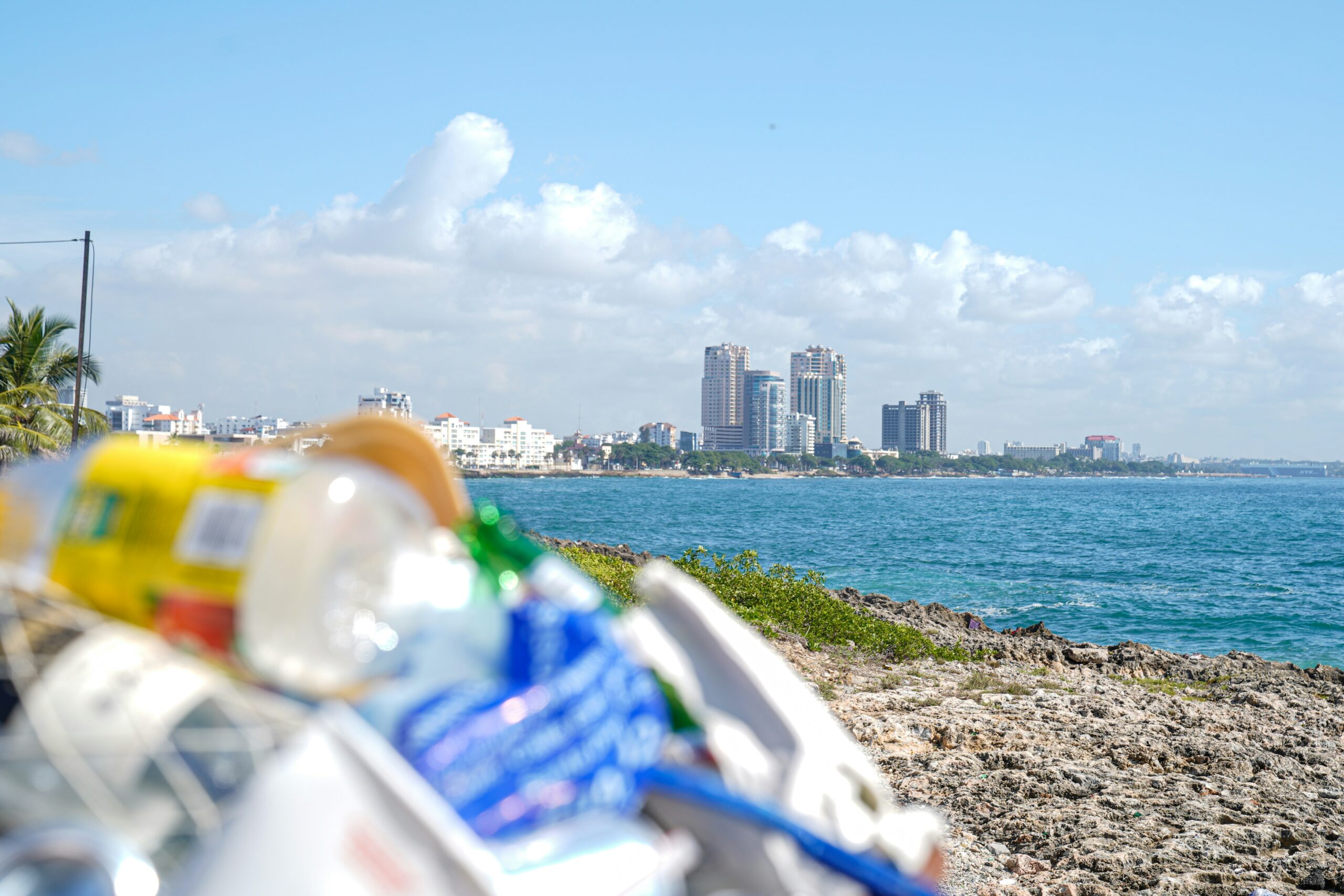
Before diving into specific strategies, it’s crucial to understand why plastic waste is an issue. Single-use plastics, such as straws, bags, and packaging, contribute significantly to pollution. These items are often used for mere moments but can take hundreds of years to degrade, harming wildlife and ecosystems. By implementing effective strategies, communities can significantly reduce their reliance on plastics and encourage green living.
Why Adopt Plastic Waste Reduction Strategies?
Communities that focus on reducing plastic waste can benefit in numerous ways:
1. Environmental Benefits: Less plastic waste means healthier ecosystems. Reduced pollution helps protect marine life and biodiversity.
2. Economic Savings: By minimizing the use of plastics, communities can lower waste disposal costs and encourage recycling.
3. Community Health: Cleaner environments lead to improved public health, reducing the risks associated with plastic pollution.
4. Social Responsibility: Adopting eco-friendly habits fosters a sense of unity and responsibility among community members.
Effective Plastic Waste Reduction Strategies
1. Community Awareness and Education Campaigns
One of the first steps toward reducing plastic waste in any community is raising awareness. Educational campaigns can help citizens understand the importance of reducing plastic use. Communities can organize workshops, seminars, and community events focusing on recycling tips and sustainable practices.
2. Implementing Recycling Programs
A robust recycling program is vital for effective waste management. Communities should promote recycling tips that address common misconceptions about recyclable materials. Providing information on how to recycle properly can greatly enhance community participation.
3. Promote Reusable Alternatives
Encouraging the use of reusable products is one of the most effective plastic waste reduction strategies. Communities can partner with local businesses to promote alternatives such as:
– Reusable shopping bags
– Stainless steel or glass water bottles
– Beeswax wraps instead of plastic wrap
– Cloth napkins and reusable utensils for events
4. Organize Clean-Up Drives
Organizing community clean-up drives can help remove existing plastic waste from local parks, rivers, and streets. These events can boost community spirit while fostering awareness about the necessity for clean environments.
5. Support Legislation for Reduced Plastic Production
Communities can advocate for local legislation to limit the production and sale of single-use plastics. Working with local governments to establish bans on plastic bags, straws, and other single-use items can significantly reduce plastic waste in public areas.
6. Foster a Zero Waste Home Initiative
Educating community members about creating a zero waste home is a fantastic way to promote sustainable lifestyle changes. Workshops can teach practical steps to minimize waste, such as:
– Composting organic waste
– Avoiding packaged goods
– Buying in bulk
7. Encourage Business Participation
Local businesses play a crucial role in reducing plastic waste. Community leaders can collaborate with businesses to encourage them to switch to eco-friendly practices, such as:
– Offering discounts for customers who bring reusable containers
– Using biodegradable packaging
– Implementing customer rewards for recycling
8. Implement Community Rewards Programs
Implementing reward systems can incentivize individuals and families to adopt eco-friendly habits. For instance, communities can create programs that reward residents for reducing waste or participating in recycling events, fostering fun competition while making a positive impact.
9. Establish Plastic-Free Zones
Creating designated plastic-free zones in public areas like parks or markets can raise awareness around the importance of reducing plastic waste. Signs can inform visitors of the initiative, encouraging them to adhere to the policies in place.
10. Facilitate Workshops and Learning Sessions
Host regular workshops where experts can share knowledge on sustainable living, recycling tips, and how to reduce plastic use effectively. Learning sessions can also cover topics such as composting and making eco-friendly home products.
Key Areas for Implementation
When it comes to implementing these strategies, certain community areas can be prioritized for maximum impact. Below are some key focus areas:
Community Centers and Schools
Educational initiatives can be targeted within community centers and schools to ensure younger generations become advocates for sustainable practices.
Local Businesses
Collaborate with businesses to implement more sustainable options, engaging them to introduce eco-friendly alternatives to their customers.
Parks and Recreational Areas
These locations can act as primary zones for awareness campaigns and clean-up drives, as they often see high traffic and environmental impact from littering.
Challenges in Implementing Plastic Waste Reduction Strategies
While many effective strategies can help communities reduce plastic waste, challenges may arise. These can include:
1. Resistance to Change: Some community members may resist altering their habits, especially if they are reliant on single-use plastics for convenience.
2. Insufficient Funding: Implementing new programs often requires funding and resources, leading to potential barriers.
3. Lack of Awareness: Communities may not fully grasp the significance of plastic waste reduction, necessitating ongoing education efforts.
Moving Beyond Plastic Waste Reduction
Achieving long-term success in reducing plastic waste involves a comprehensive approach that combines strategies, policies, and community engagement. As communities embark on this journey, they can foster a culture of sustainability that transcends beyond just reducing plastic.
FAQ on Plastic Waste Reduction Strategies
Q1: What are some simple steps I can take to reduce plastic waste at home?
A: Start by using reusable bags, water bottles, and containers. Additionally, consider composting and buying cleaning products in bulk to minimize packaging.
Q2: How can my community participate in plastic waste reduction initiatives?
A: Your community can organize clean-up drives, advocate for local bans on single-use plastics, and partner with businesses for sustainable practices.
Q3: What is a zero waste home?
A: A zero waste home aims to minimize waste generation by reusing, recycling, and composting materials, thus reducing the amount of trash sent to landfills.
Q4: Are there resources to help my school implement recycling programs?
A: Yes, many local governments and environmental organizations provide resources and support for implementing recycling and waste reduction programs in schools.
Q5: How can local businesses contribute to reducing plastic waste?
A: Local businesses can switch to eco-friendly packaging, encourage the use of reusable containers, and offer incentives for customers who reduce plastic use.
Q6: What are the long-term benefits of reducing plastic waste for communities?
A: Long-term benefits include improved public health, reduced pollution, economic savings on waste management, and a stronger sense of community responsibility.
Conclusion
Plastic waste reduction is not just a necessity; it is a responsibility that communities must take on together. By adopting effective plastic waste reduction strategies, raising awareness, and fostering a culture of eco-friendly habits, communities can significantly reduce their plastic footprint. The journey toward sustainable living is ongoing, but with dedication and collaboration, a greener future can be achieved. Let us work together to ensure our communities thrive in harmony with the environment.