10 Most Profitable Vegetables to Grow in Pakistan
Commercial vegetable farming has become an increasingly lucrative business in Pakistan, thanks to rising demand both domestically and internationally. For aspiring farmers and entrepreneurs seeking to maximize their profits, understanding which crops yield the highest returns is crucial. In this article, we will explore the 10 most profitable vegetables to grow in Pakistan, with insights into cultivation practices and market dynamics to help you succeed in commercial vegetable farming.
Why Focus on Profitable Vegetables to Grow?
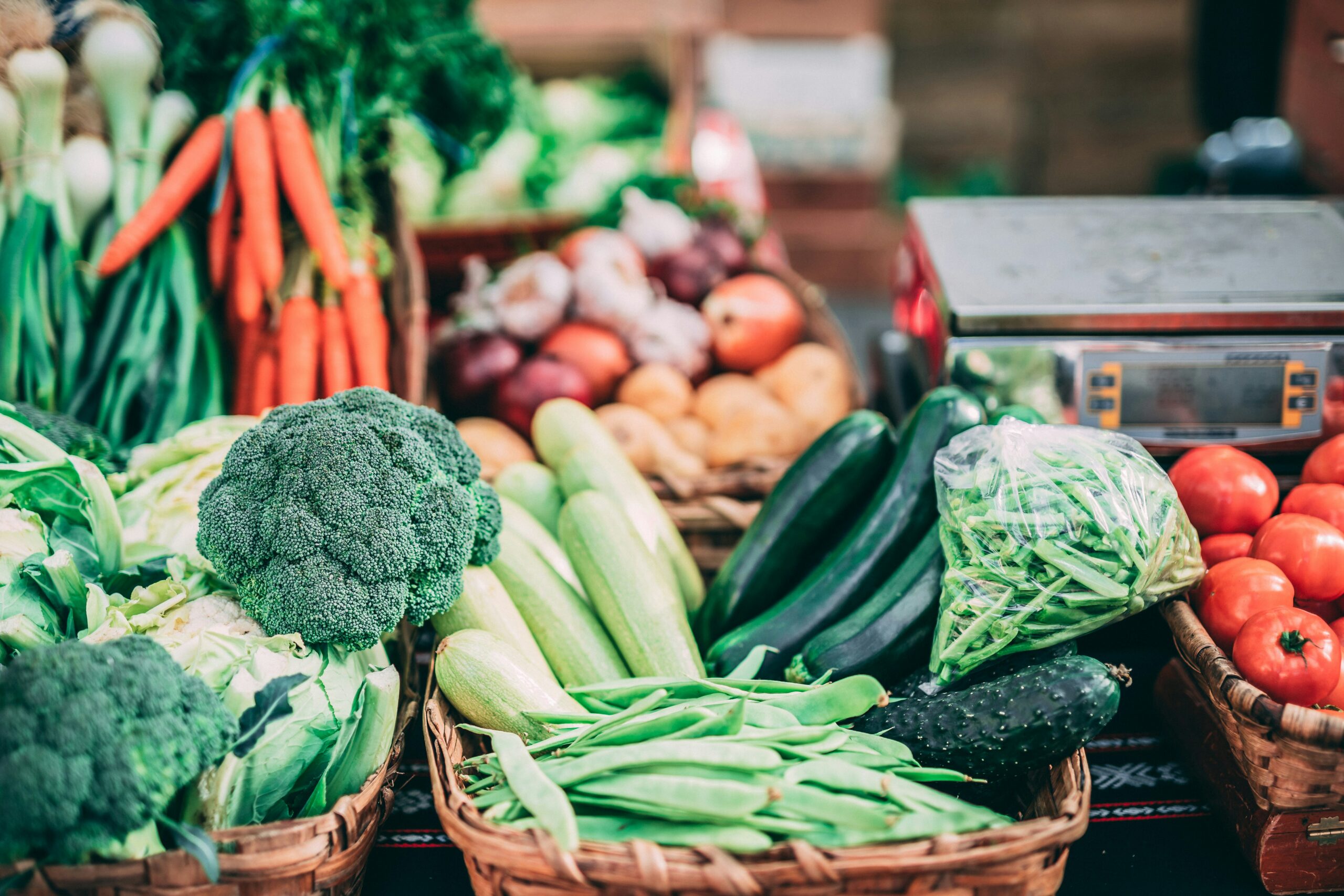
Vegetable farming is a cornerstone of Pakistan’s agricultural sector, providing employment and nutrition for millions. However, not all vegetables offer equal profitability. By focusing on profitable vegetables to grow, farmers can optimize their land use, minimize risks, and enjoy better financial rewards. Profitability depends on factors such as yield per acre, market demand, input costs, and crop cycles. Let’s dive into the top vegetable crops that offer high returns in Pakistan.
1. Tomato
Tomatoes are among the most popular and profitable vegetables grown across Pakistan. They have a short growing cycle and can be grown multiple times a year. Tomatoes are used in almost every household kitchen, boosting demand in local markets. The high yield potential and robust market prices make tomatoes a lucrative option for commercial vegetable farming.
Key Points:
– Growing cycle: 60-90 days
– Harvest frequency: Multiple cycles per year
– Market demand: High
– Challenges: Susceptible to diseases like blight and wilting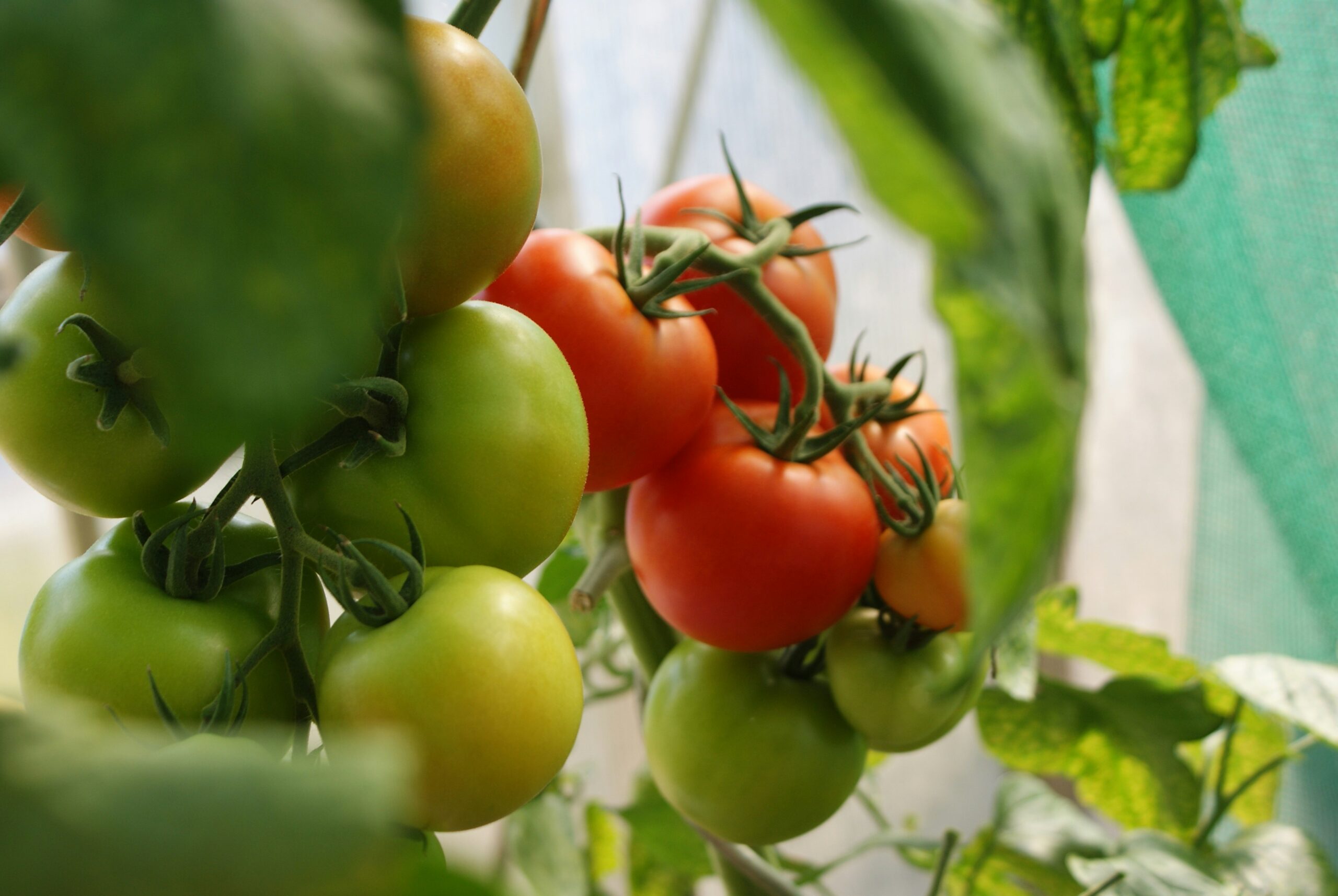
2. Onion
Onions are a staple ingredient and have consistently high demand both in local and export markets. They require careful storage capabilities, but when handled properly, they yield substantial profits. Onion cultivation requires capital investment but offers stable returns throughout the year.
Key Points:
– Growing cycle: 120-150 days
– Market demand: Year-round
– Challenges: Storage and pest control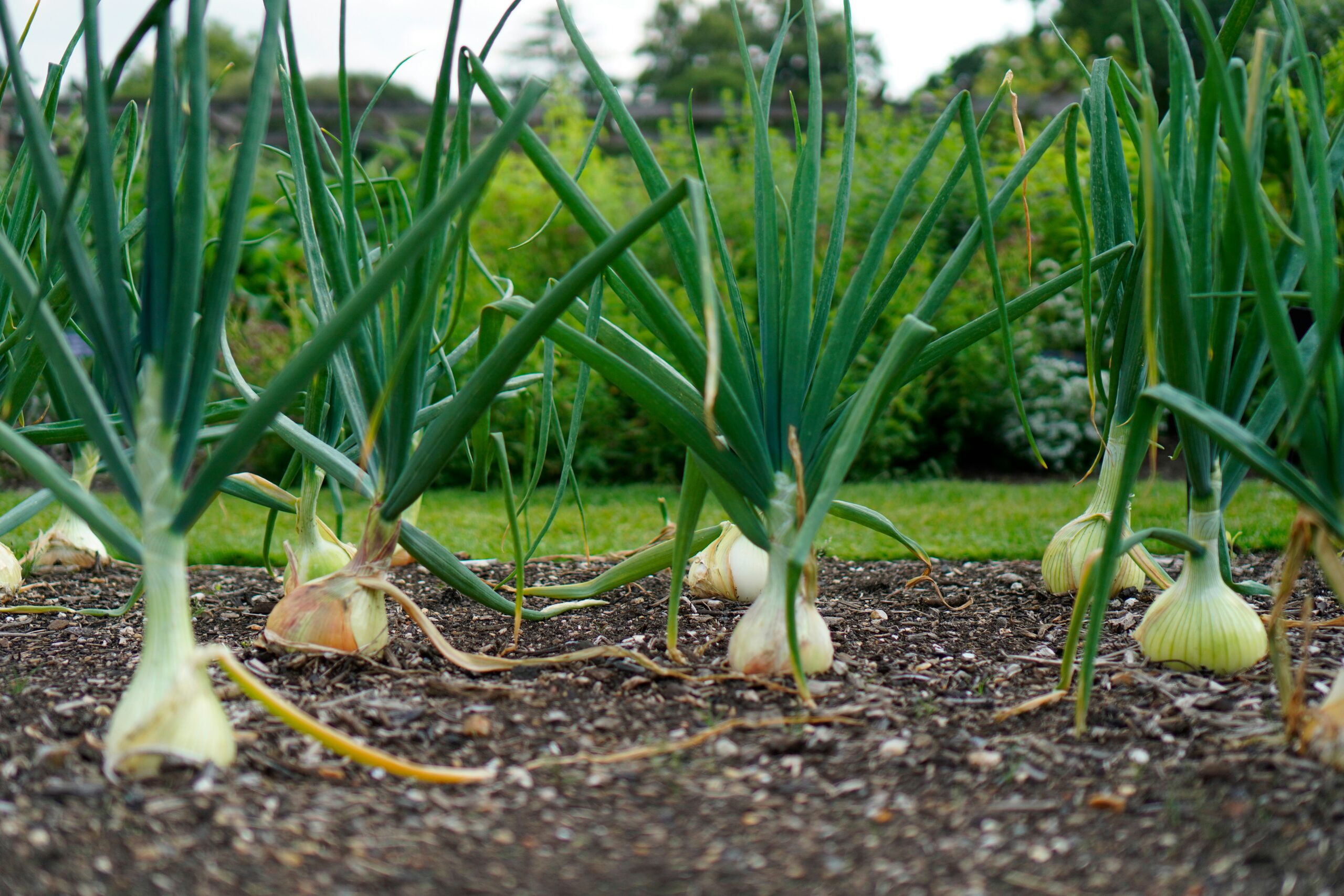
3. Potato
Potato is a versatile and high-return crop with demand from both fresh vegetable markets and food processing industries. Its adaptability to different climates in Pakistan makes it highly suitable for commercial farming.
Key Points:
– Growing cycle: 90-120 days
– Yield potential: High
– Market demand: Consistent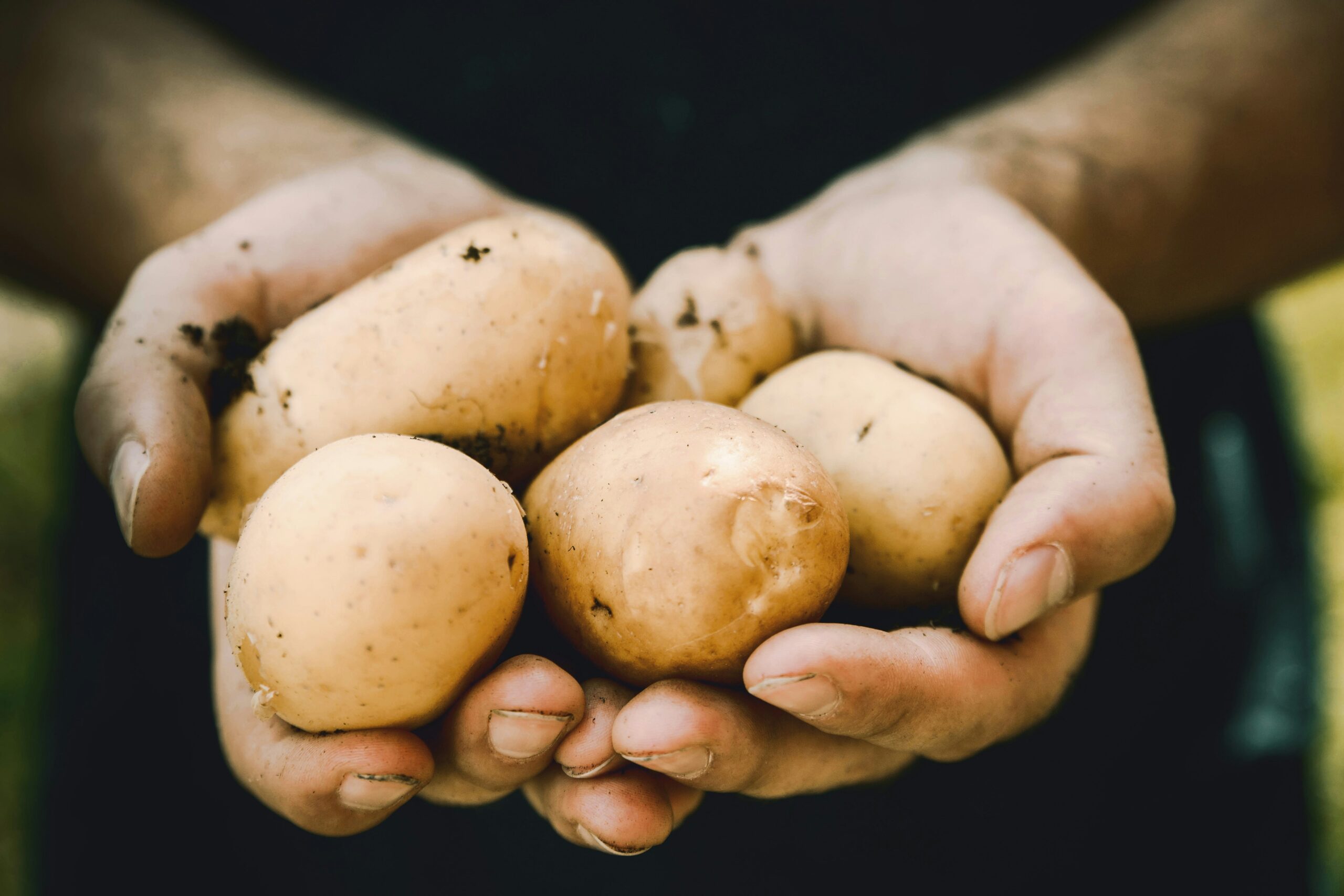
4. Capsicum (Bell Pepper)
Capsicum is gaining popularity among consumers due to its nutritional benefits and culinary versatility. Although the initial cost is relatively high, market prices for capsicum remain strong, making it a profitable vegetable to cultivate.
Key Points:
– Growing cycle: 70-90 days
– Market demand: Growing trend
– Specialty: Can command premium prices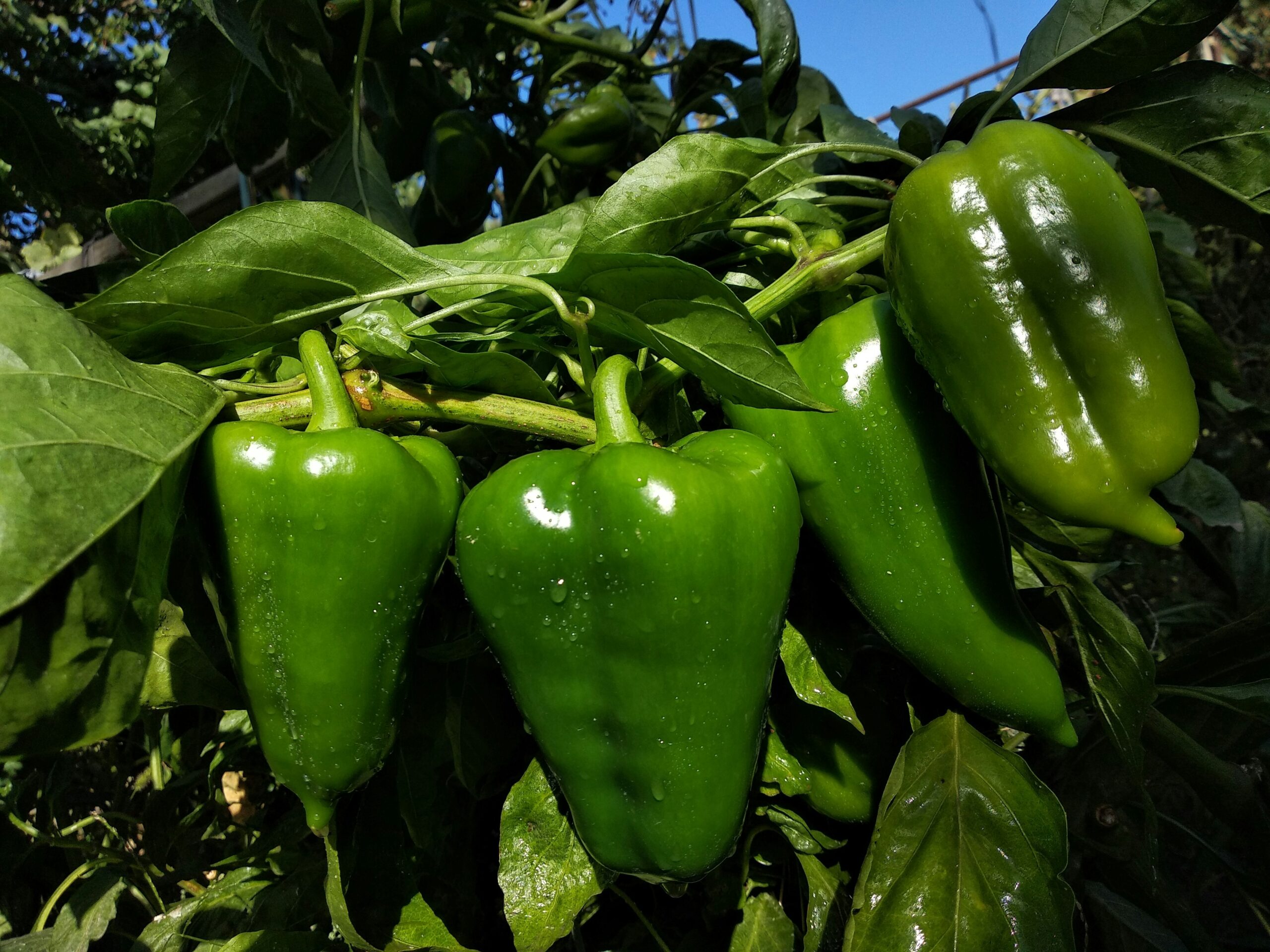
5. Carrot
Carrot farming, particularly in cooler regions of Pakistan, can yield good profits. Carrots have an expanding market for both fresh consumption and industrial purposes such as juice extraction and baby food products.
Key Points:
– Growing cycle: 70-80 days
– Market demand: Steady increase
– Soil requirement: Sandy loam preferred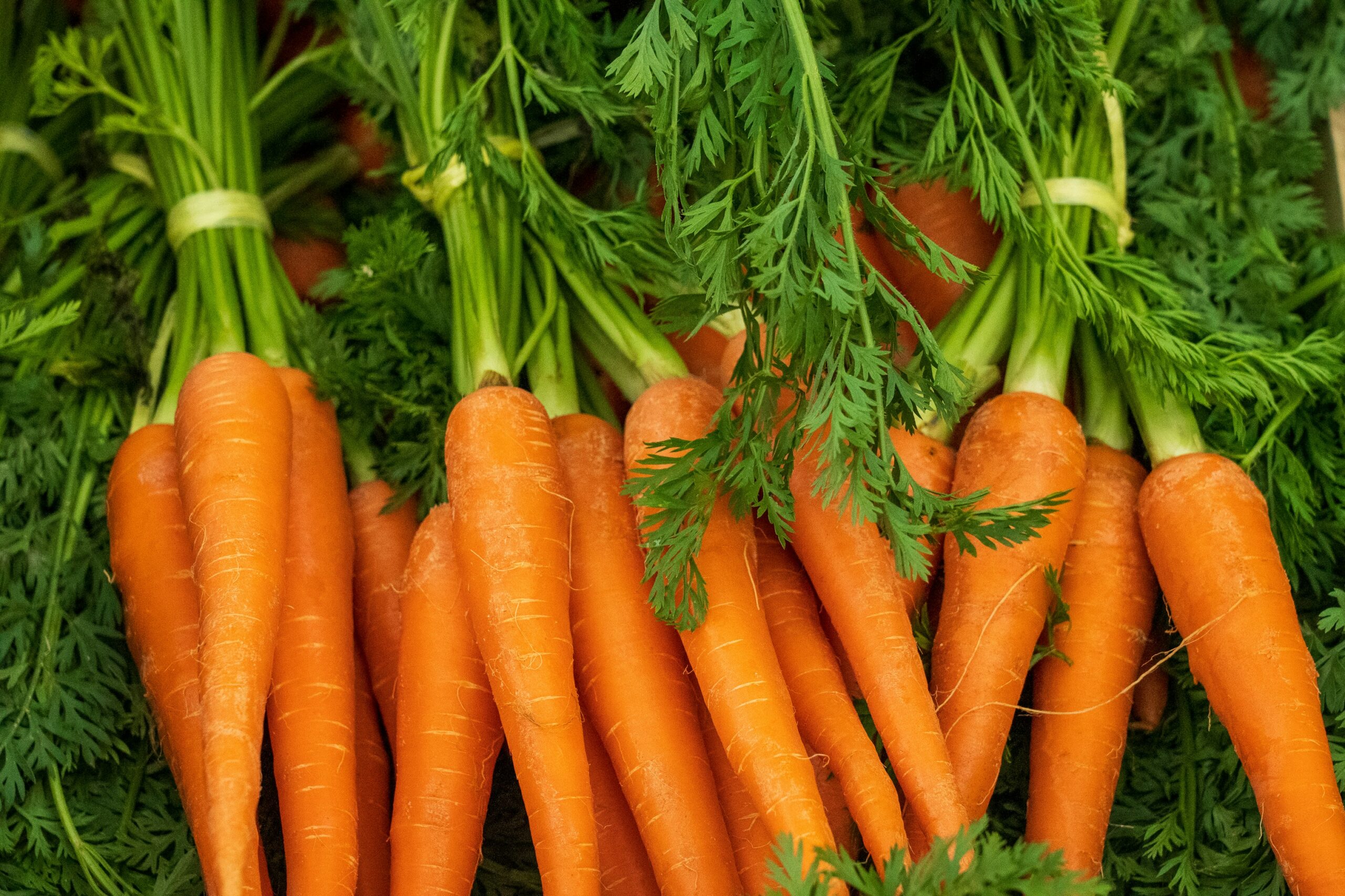
6. Spinach (Palak)
Spinach is a fast-maturing leafy vegetable with excellent consumer demand, especially in urban areas. It is often grown multiple times in a season, offering frequent harvests and quick returns on investment.
Key Points:
– Growing cycle: 30-45 days
– Market demand: Increasing for health-conscious buyers
– Suitable soil: Well-drained, fertile soil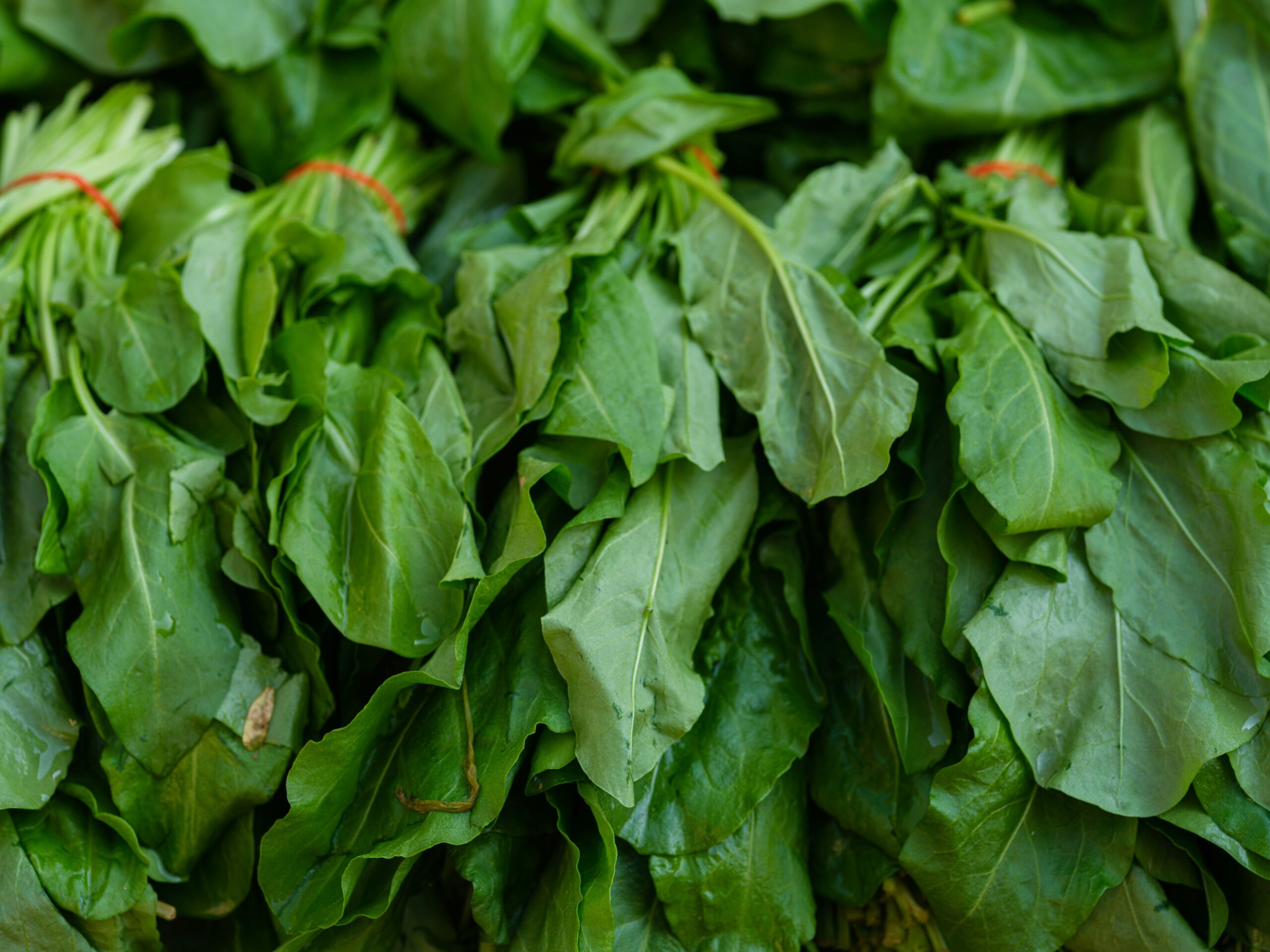
7. Okra (Ladyfinger, Bhindi)
Okra is widely consumed in Pakistan and has both seasonal and off-season demand, making it valuable to farmers focused on continuous cash flow. It grows well in warmer climates and requires moderate input costs.
Key Points:
– Growing cycle: 55-60 days
– Growing season: Summer to early autumn
– Challenges: Vulnerable to pests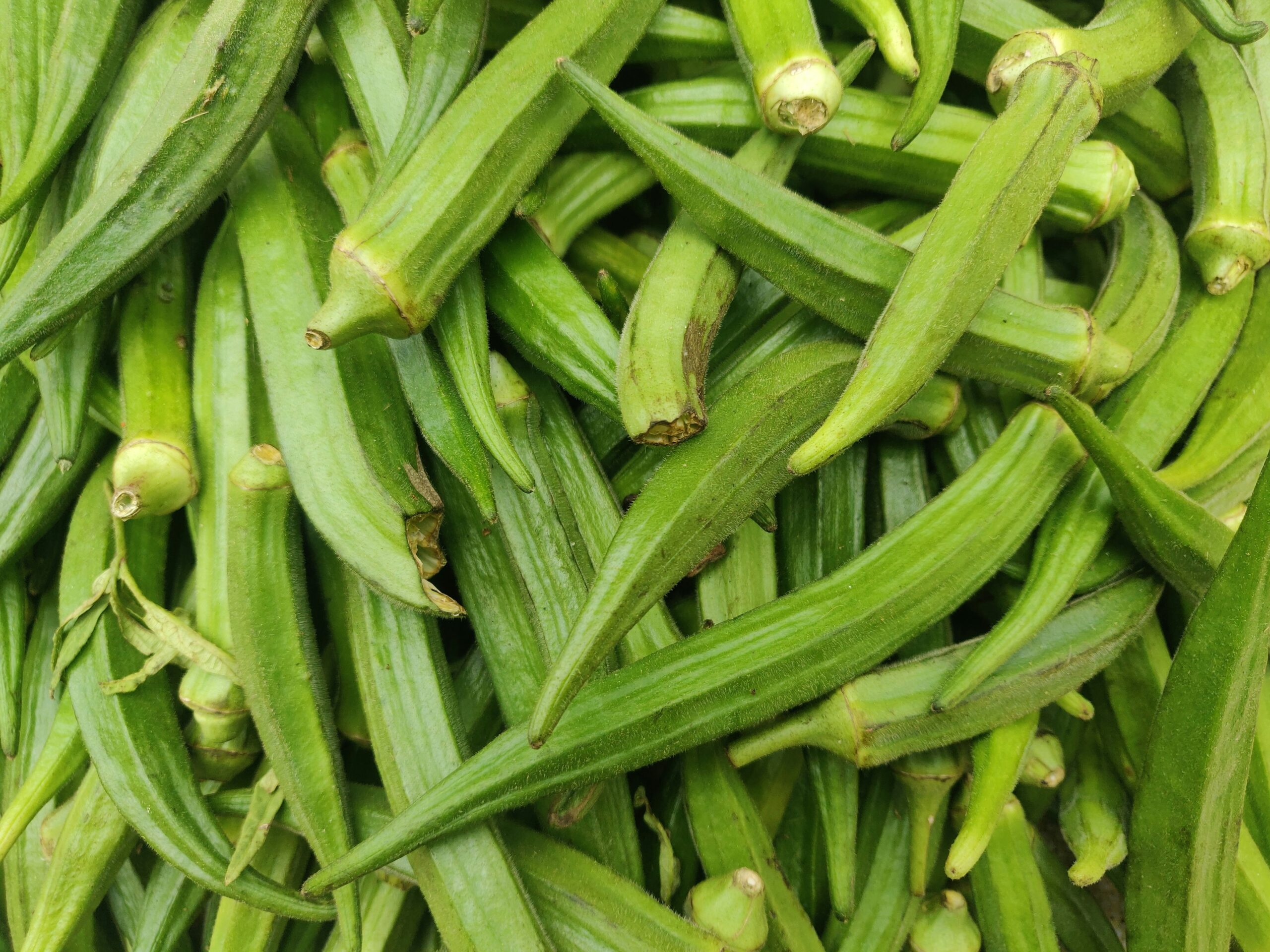
8. Cabbage (Band Gobi)
Cabbage is a cool-season vegetable with high market potential, especially during the winter months when supplies decrease. It can be cultivated in large quantities for both fresh market sales and processing.
Key Points:
– Growing cycle: 80-120 days
– Market demand: Winter peak
– Suitable regions: Northern and colder areas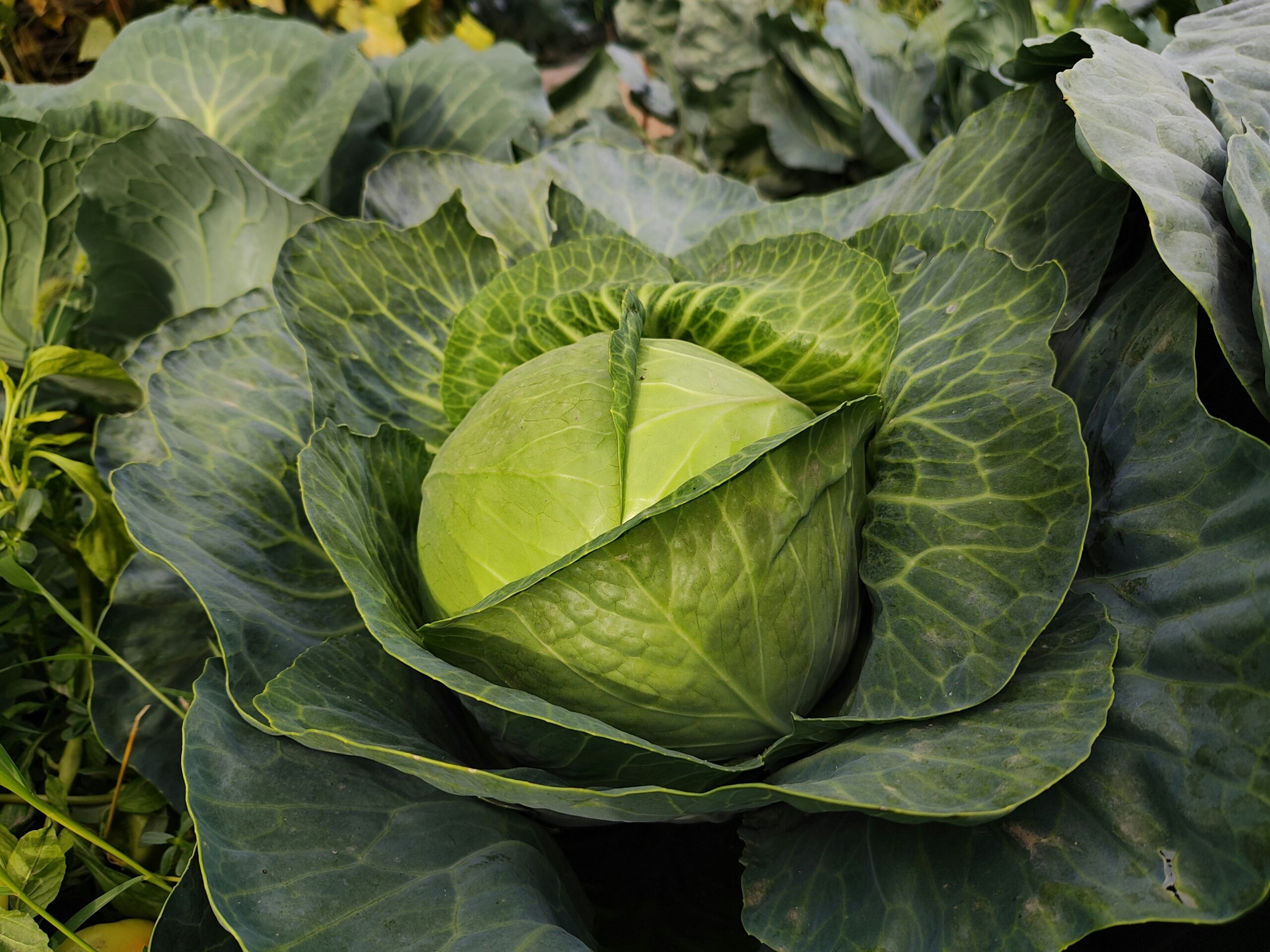
9. Cauliflower (Phool Gobi)
Cauliflower is a lucrative winter vegetable crop with good demand in urban markets. It requires vigilant pest management to ensure optimal yields but can provide good profit margins when grown commercially.
Key Points:
– Growing cycle: 80-100 days
– Market demand: Seasonal peaks during winter
– Input costs: Moderate to high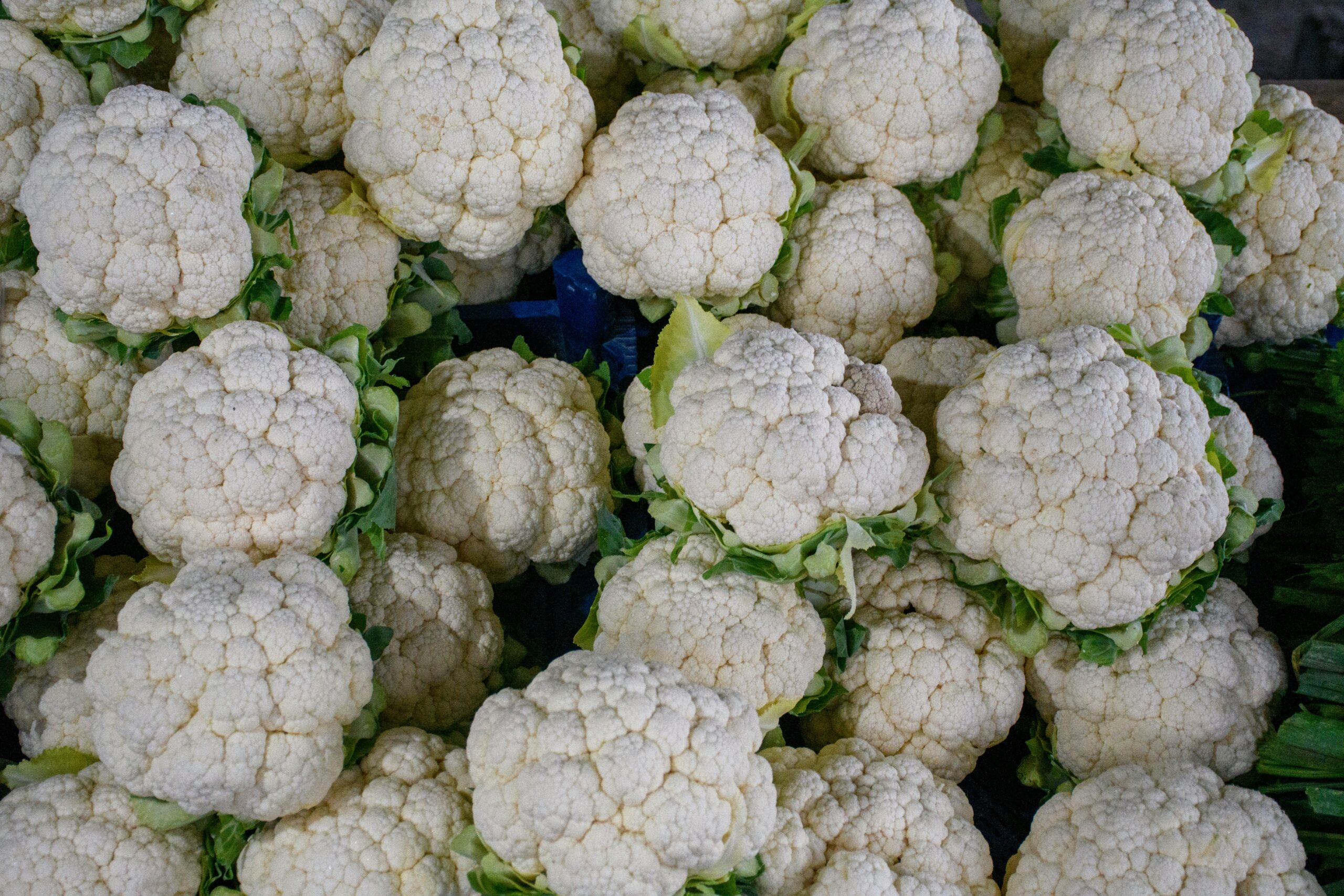
10. Peas (Matar)
Green peas have an increasing market demand, particularly as a nutritious snack and ingredient in numerous dishes. They thrive in cooler temperatures and can be a profitable short-duration crop in commercial vegetable farming.
Key Points:
– Growing cycle: 60-70 days
– Growing season: Early spring and winter
– Market demand: Increasing steadily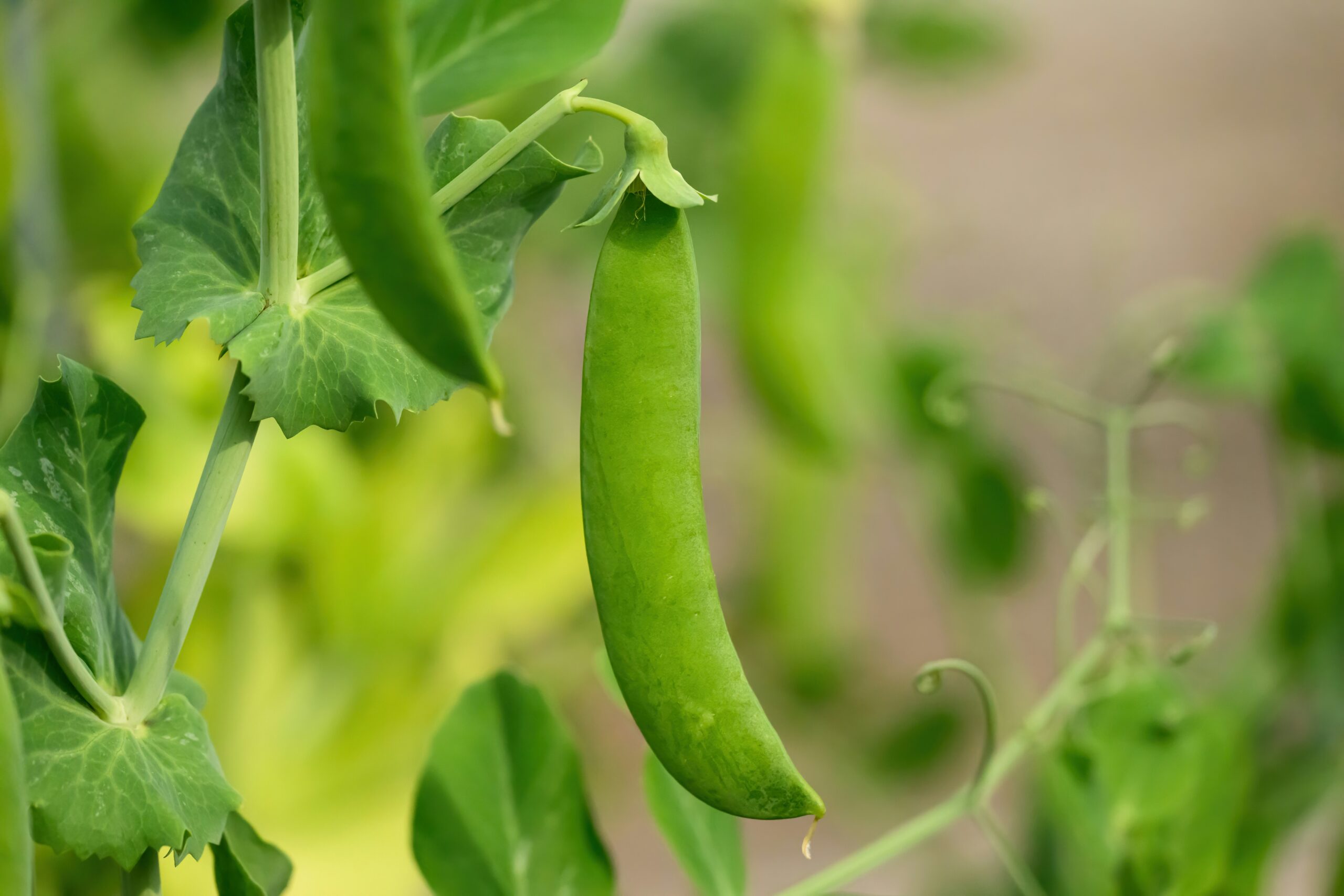
Commercial Vegetable Farming: Factors to Consider
Farming any of these profitable vegetables to grow involves understanding the local climate, soil fertility, irrigation facilities, pest control, and access to reliable markets. Let’s examine some key factors essential for successful commercial vegetable farming in Pakistan.
Factors Affecting Profitability in Vegetable Farming
| Factor | Description | Impact on Profitability |
|---|---|---|
| Climate Suitability | Matching crops with regional climate zones | Ensures higher yield and crop health |
| Soil Quality | Fertility and texture of soil | Determines nutrient availability and yield |
| Irrigation Facilities | Water availability and management | Prevents water stress and improves growth |
| Seed Quality | Use of certified and disease-resistant seeds | Reduces losses and improves productivity |
| Market Access | Proximity to buyers and logistics | Affects price realization and sale speed |
| Pest & Disease Management | Timely control measures | Protects yield and maintains quality |
| Input Costs | Expenses on seeds, fertilizers, pesticides, labor | Directly affects net profit margin |
Tips for Maximizing Returns from Vegetable Farming
To make the most of your profitable vegetables to grow in Pakistan, consider the following practices:
– Crop Rotation: Avoid planting the same crop repeatedly in a single field to reduce soil depletion and diseases.
– Integrated Pest Management: Use environmentally friendly pest control methods to reduce chemical use and enhance crop quality.
– Use of High-Yielding Varieties: Invest in improved seed varieties that mature quickly and resist common diseases.
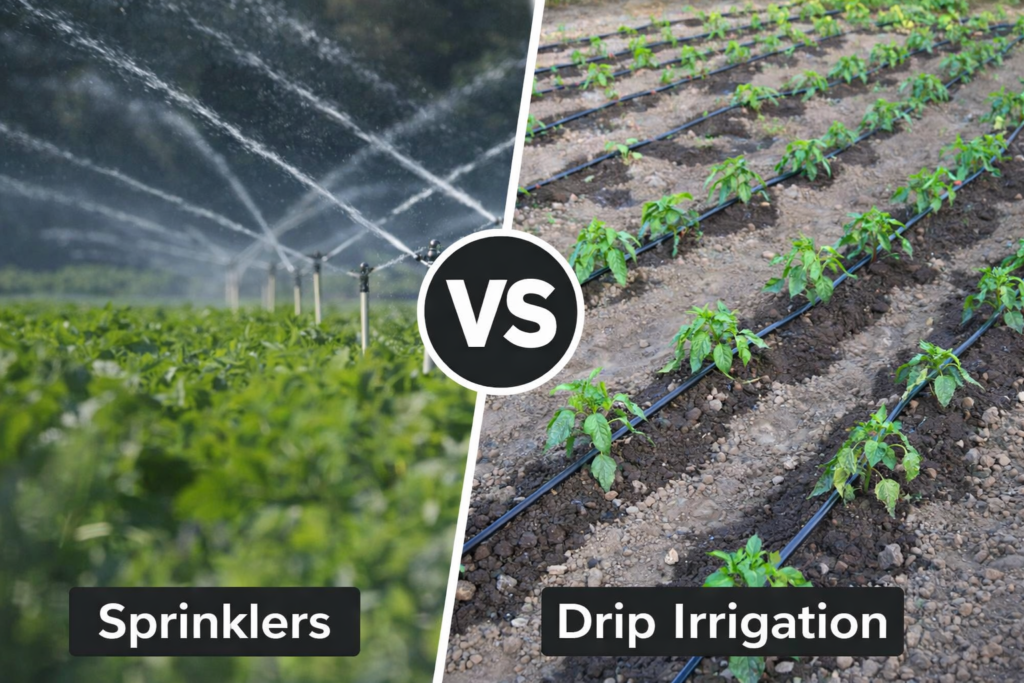
– Efficient Irrigation Techniques: Employ drip or sprinkler irrigation to conserve water and improve growth.
– Post-Harvest Management: Proper sorting, grading, and packaging to fetch better prices in markets.
– Diversified Cropping: Cultivate a mix of vegetables to spread risk and generate steady income.
– Market Research: Stay updated on market demand and price trends to time your sales advantageously.
Common Challenges in Commercial Vegetable Farming
While commercial vegetable farming is profitable, some challenges may affect profitability:
– Unpredictable weather and climate shocks
– Pest outbreaks and diseases
– Market price fluctuations
– High initial investment in inputs and infrastructure
– Lack of access to modern farming technology
Overcoming these challenges requires good planning, access to agricultural extension services, and market intelligence.
FAQ Section
Q1: What are the best climate conditions for profitable vegetable farming in Pakistan?
A1: Most profitable vegetables thrive in moderate climates with adequate sunlight and well-distributed rainfall or reliable irrigation. Cooler vegetables like cabbage and cauliflower prefer northern regions, while warm-season crops like tomatoes and okra do well in Punjab and Sindh.
Q2: How can I start commercial vegetable farming with limited capital?
A2: Begin with high demand, fast-growing vegetables such as spinach and tomatoes, which require lower initial investments. Use organic fertilizers and locally available inputs to reduce costs and expand gradually as profits increase.
Q3: Which vegetables offer the fastest returns for commercial farming?
A3: Spinach and tomatoes are quick-growing vegetables with harvest cycles of around 30 to 90 days, allowing farmers to earn returns faster compared to longer-duration crops like onions.
Q4: Is organic vegetable farming profitable in Pakistan?
A4: Yes, organic vegetables are gaining popularity among health-conscious consumers and can command premium prices. However, organic farming requires strict adherence to organic practices and certification, which may involve higher costs and care.
Q5: How important is market access for vegetable farmers?
A5: Market access is critical. Being near urban centers or transport hubs can reduce post-harvest losses and increase profitability by enabling faster sales at better prices.
Q6: Can off-season vegetable farming increase profits?
A6: Absolutely. Growing vegetables off-season using poly tunnels or greenhouses enables farmers to sell at premium prices due to lower market supply.
Conclusion
Choosing the right profitable vegetables to grow in Pakistan is essential for commercial vegetable farming success. Crops like tomatoes, onions, potatoes, and capsicum offer high returns due to strong market demand and yield potential. By understanding climatic requirements, investing in quality seeds, and adopting modern farming techniques, farmers can enhance their profits significantly. Coupled with effective pest management and efficient marketing strategies, growing these high return vegetable crops can transform agriculture into a thriving business in Pakistan. Whether you are an established grower or a new entrant, focusing on these most profitable vegetables will empower you to achieve sustainable income and contribute to the nation’s food security.