What Are Some Modern Farming Techniques Used in Sustainable Agriculture?
In recent years, the world has witnessed a growing emphasis on sustainability in agriculture. The question what are some modern farming techniques used in sustainable agriculture has gained significant attention as farmers, researchers, and policymakers seek ways to balance increased modern food production with environmental stewardship. This article explores a variety of sustainable farming methods and eco friendly agriculture practices that incorporate advanced crop systems and innovative technologies to promote green farming while ensuring long-term productivity.
Understanding Sustainable Farming
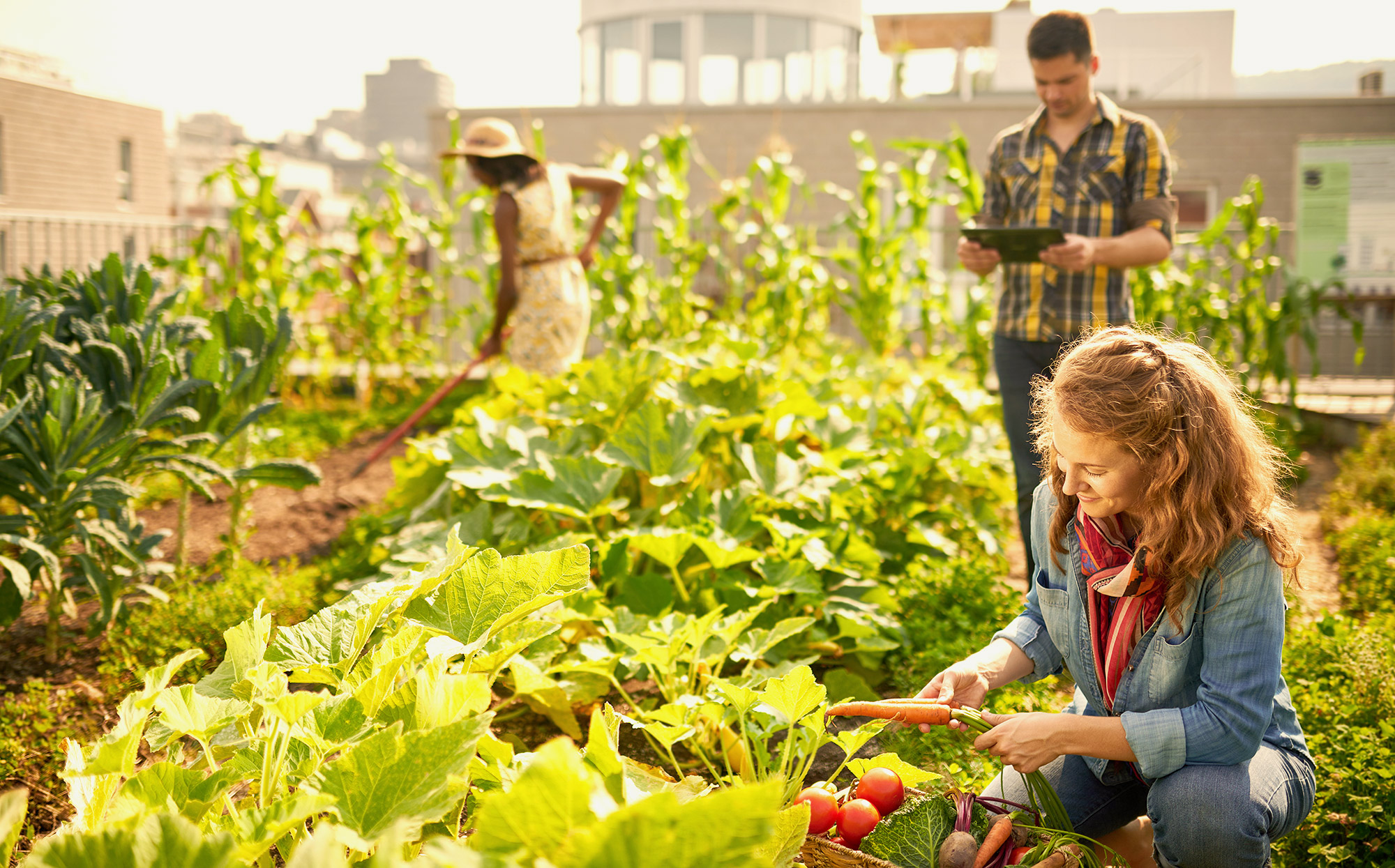
Sustainable farming is an overarching concept that integrates environmental health, economic profitability, and social and economic equity. It’s a holistic approach designed to produce food while conserving resources such as water, soil, and biodiversity. By adopting sustainable practices, farmers can reduce their carbon footprint, mitigate climate change impacts, and support local communities.
What Are Some Modern Farming Techniques for Sustainable Farming?
Modern farming methods go beyond traditional approaches by using scientific advances, digital tools, and ecological practices. Below are some of the most notable modern farming techniques used in sustainable agriculture today.
1. Precision Agriculture
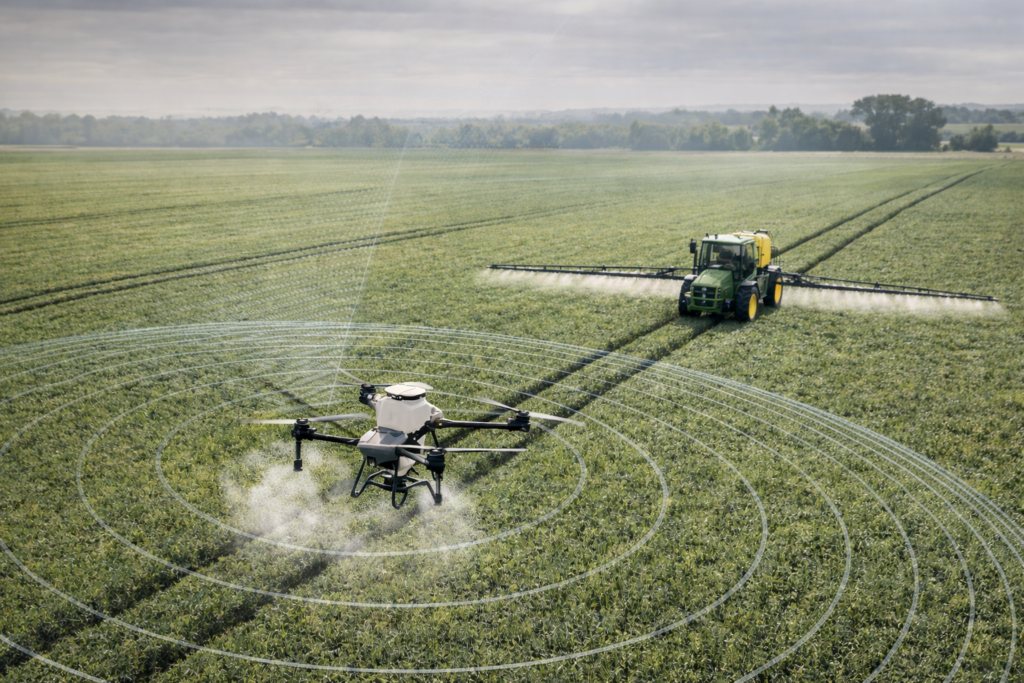
Precision agriculture uses GPS, sensors, drones, and data analytics to optimize field-level management regarding crop farming. By collecting real-time data on soil conditions, moisture, nutrient levels, and pest presence, farmers can apply inputs like water, fertilizers, and pesticides more accurately and efficiently.
Key benefits of precision agriculture include:
– Reduced chemical use and environmental impact
– Increased crop yields and quality
– Efficient resource utilization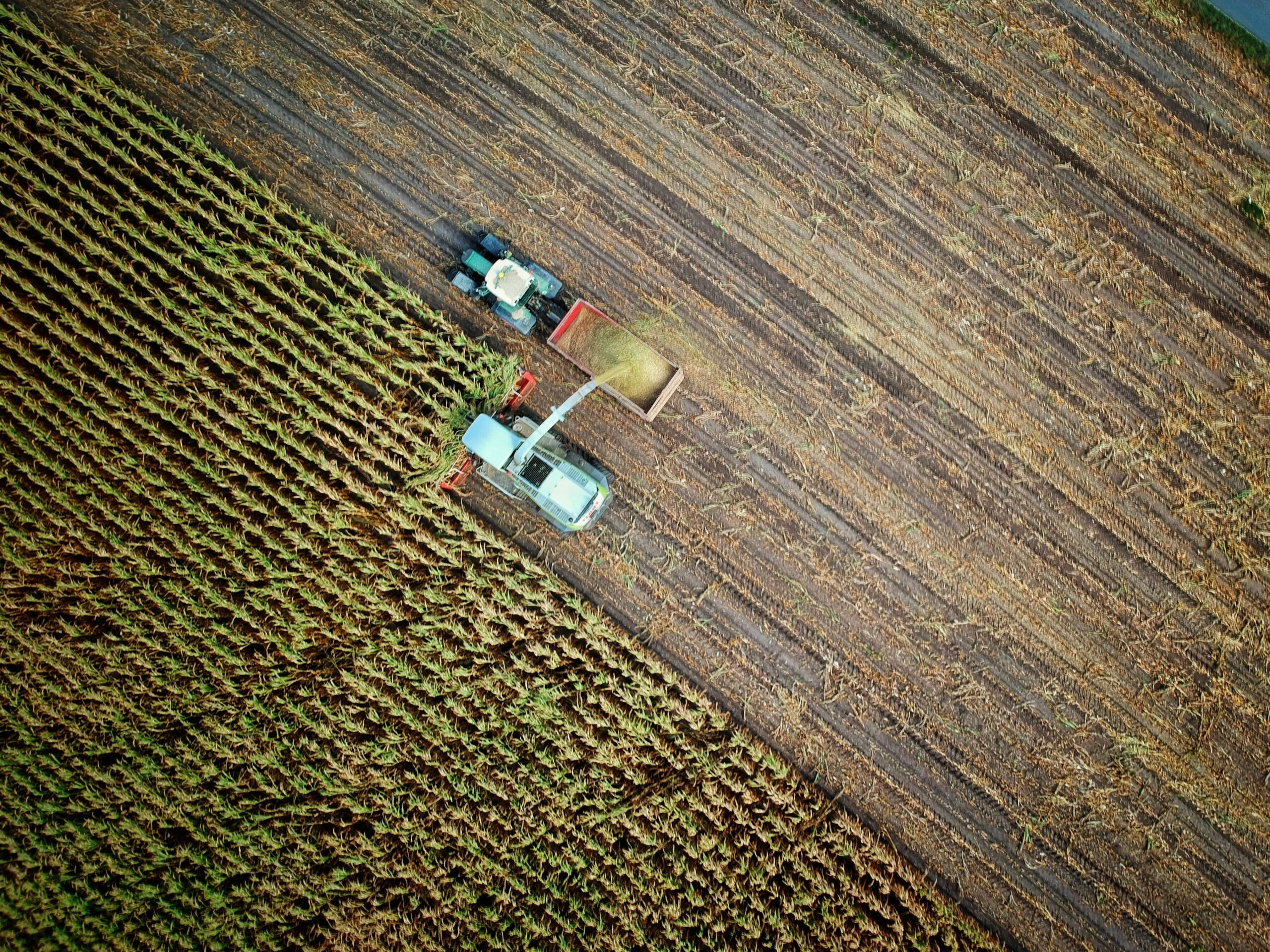
2. Crop Rotation and Polyculture Systems
Instead of monocropping, sustainable farming embraces crop rotation—alternating different crops in the same field over time. This technique helps maintain soil fertility and disrupts pest cycles. Polyculture, or growing multiple crops in the same space, mimics natural ecosystems and promotes biodiversity.
Both crop rotation and polyculture promote:
– Soil health improvement
– Pest and disease management
– Enhanced resilience to climate stress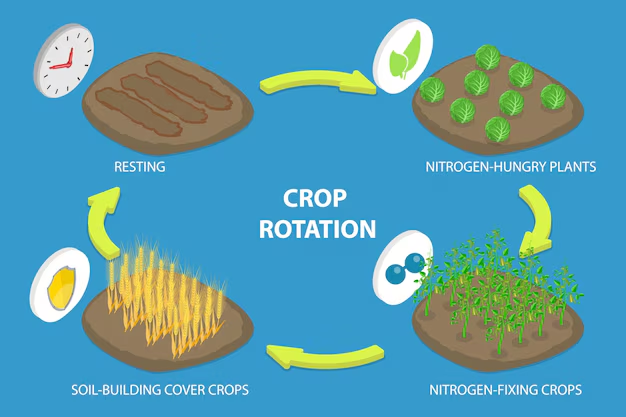
3. Conservation Tillage
Conservation tillage involves minimal disturbance of the soil during planting. Unlike conventional tillage that can erode topsoil and reduce organic matter, conservation tillage practices such as no-till or strip-till maintain soil structure, protect microbial life, and improve water retention.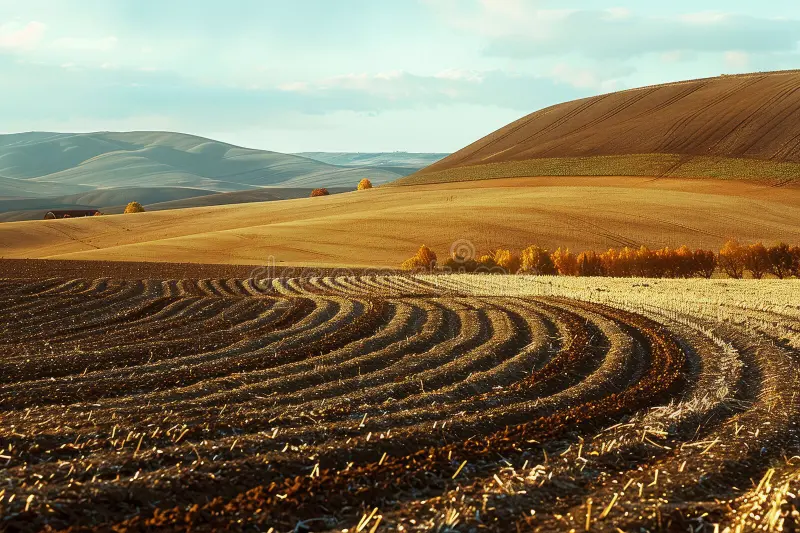
4. Agroforestry
Agroforestry integrates trees and shrubs into crop and livestock systems. This eco friendly agriculture technique helps sequester carbon, reduce erosion, provide shade, and create habitats for beneficial wildlife and pollinators. It also diversifies farm income and enhances ecosystem health.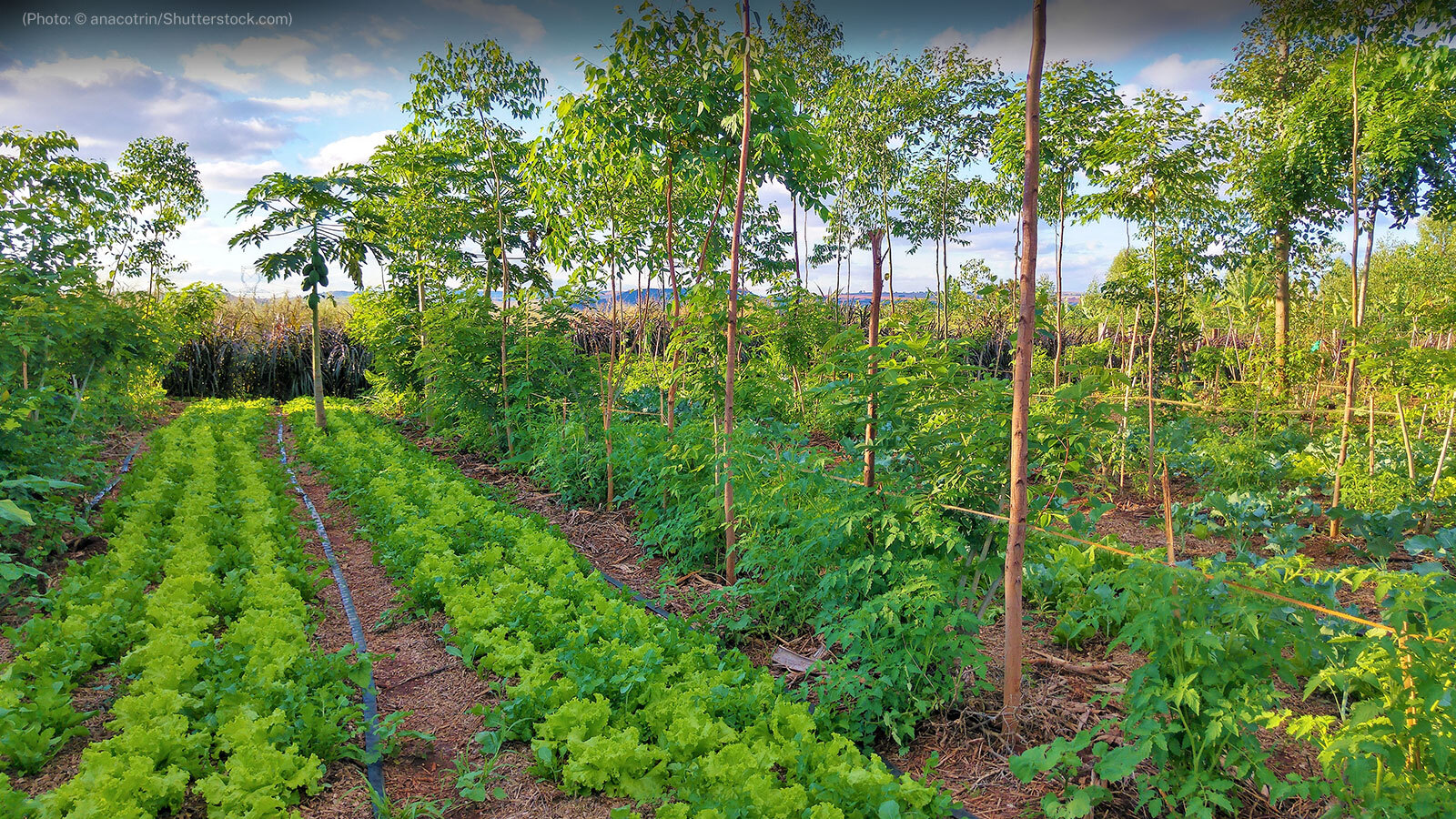
5. Integrated Pest Management (IPM)
IPM minimizes the use of chemical pesticides by combining biological, mechanical, cultural, and chemical tools in a strategic way to keep pest populations below harmful levels. This approach encourages natural pest predators, pest-resistant crop varieties, crop rotation, and selective pesticide application.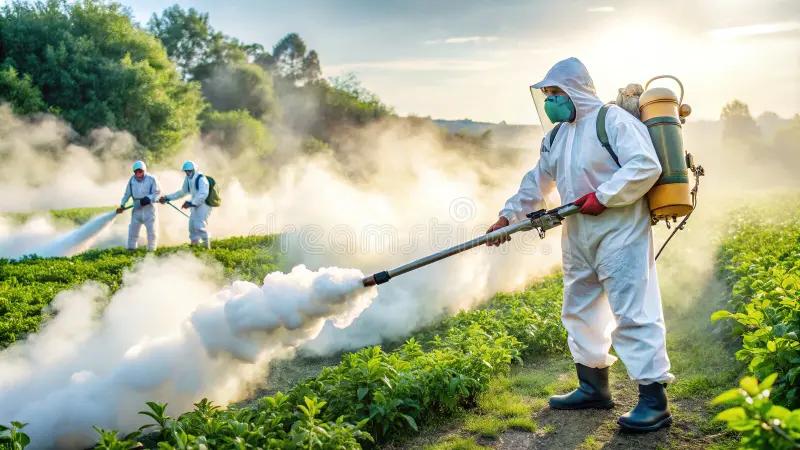
6. Vertical Farming and Controlled Environment Agriculture (CEA)
Vertical farming is a revolutionary advanced crop system that grows crops in vertically stacked layers, often indoors in controlled environments. Using hydroponics, aeroponics, or aquaponics, plants receive precise nutrients and light.
Advantages include:
– Year-round production regardless of climate
– Significant water savings compared to traditional farming
– Reduced land use and transportation emissions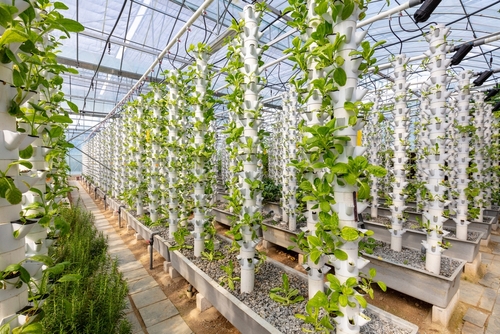
7. Organic Farming Techniques
Organic farming avoids synthetic fertilizers and pesticides, instead leveraging compost, green manure, crop rotation, and biological pest control. It emphasizes maintaining soil health, biodiversity, and ecological balance — key elements of green farming.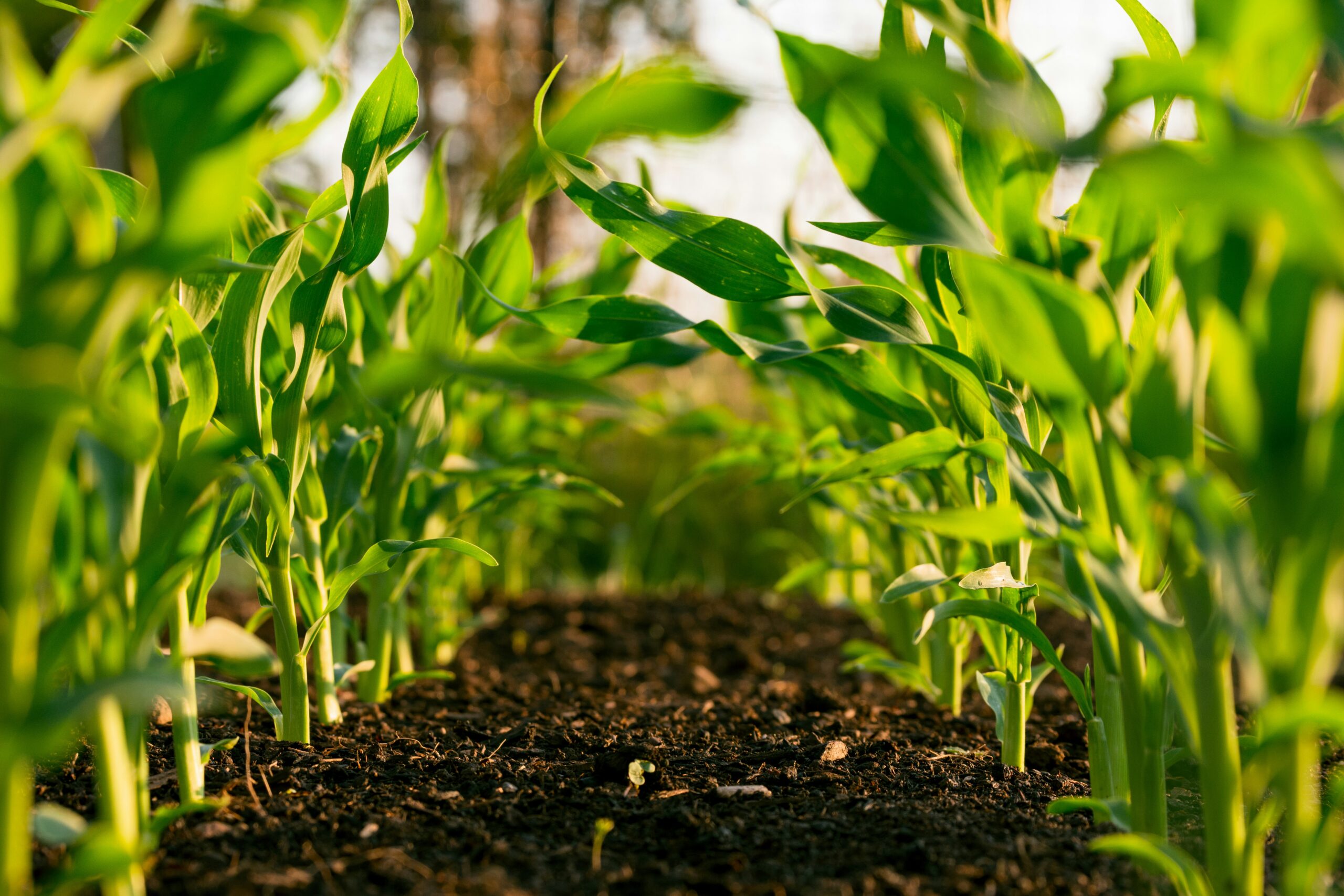
8. Use of Biotechnology and Genetically Modified Organisms (GMOs)
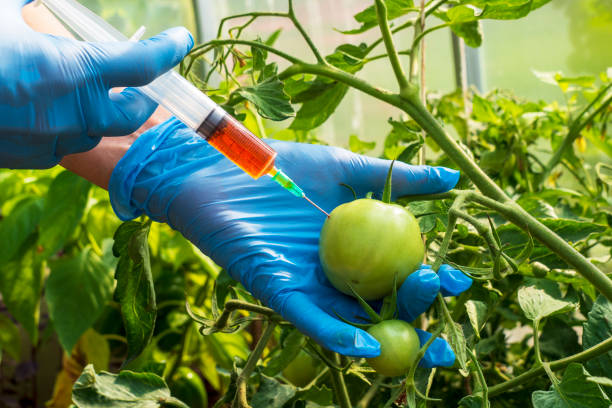
While controversial, biotechnology offers tools for developing crop varieties that are drought-resistant, pest-resistant, or nutrient-enhanced. When managed responsibly, such technologies can contribute to sustainable agriculture by improving crop yields with fewer inputs.
Comparison of Key Modern Farming Techniques
Comparison of Modern Farming Techniques Used in Sustainable Agriculture
| Comparison Factor | Precision Agriculture | Crop Rotation & Polyculture | Conservation Tillage | Agroforestry | Integrated Pest Management (IPM) | Vertical Farming | Organic Farming |
|---|---|---|---|---|---|---|---|
| Primary Goal | Optimize input use via data | Soil fertility and pest control | Soil preservation & water retention | Biodiversity and carbon sequestration | Reduce pesticide usage | Maximize space and resource use | Natural inputs and ecological balance |
| Environmental Impact | Low, due to targeted inputs | High positive, improves ecosystems | Low, protects soil structure | Highly positive, supports multiple species | Low, reduces chemicals | Low, controlled environment | High positive, avoids chemicals |
| Resource Efficiency | Very high | Moderate | High | Moderate | Moderate | Very high | Moderate |
| Technology Requirement | High | Low | Low | Low to moderate | Moderate | High | Low |
| Suitability for Urban Areas | Limited | Limited | Limited | Limited | Limited | Excellent | Limited |
Integrating Modern Farming Techniques to Achieve Sustainable Outcomes
Combining multiple techniques amplifies the benefits of sustainable farming. For example, a farm can implement precision agriculture alongside IPM, crop rotation, and conservation tillage for comprehensive resource efficiency and ecosystem support. Urban farms can adopt vertical farming and organic methods to provide fresh, healthy produce with a small footprint.
The Role of Technology in Modern Food Production
Advancements in sensors, artificial intelligence, robotics, and biotechnology continue to revolutionize how farmers manage their lands. These innovations enable detailed monitoring of plant health, soil nutrients, weather patterns, and pest populations, leading to smarter decisions and less waste.
Modern food production through sustainable farming methods is therefore a convergence of tradition and innovation — combining age-old ecological principles with state-of-the-art technology.
Challenges in Implementing Modern Farming Techniques
– High Initial Investment: Technologies like drones, sensors, and vertical farming systems require upfront capital.
– Knowledge Gap: Skilled labor and training are essential to maximize technology benefits.
– Infrastructure Limitations: Especially in rural or underdeveloped regions where internet and electricity may be poor.
– Regulatory and Market Barriers: Especially for GMOs or organic certifications.
Despite these challenges, increased awareness and government support programs are gradually facilitating broader adoption of green farming strategies.
Frequently Asked Questions (FAQ)
Q1: What are some modern farming techniques used in sustainable agriculture?
Modern farming techniques include precision agriculture, crop rotation, conservation tillage, agroforestry, integrated pest management, vertical farming, organic farming, and biotechnology applications.
Q2: How does precision agriculture support eco friendly agriculture?
Precision agriculture reduces waste and environmental impact by applying water, fertilizers, and pesticides only where and when needed, based on detailed data and monitoring.
Q3: Can vertical farming be considered a sustainable farming method?
Yes, vertical farming uses significantly less water and land, reduces transportation emissions when located near consumers, and allows year-round crop production, making it an eco friendly agriculture practice.
Q4: What role does integrated pest management play in sustainable farming?
Integrated pest management minimizes chemical pesticide use by employing natural pest controls, crop rotation, and selective control measures, thereby reducing environmental harm.
Q5: Are genetically modified crops part of sustainable farming?
When responsibly used, genetically modified crops can contribute to sustainability by improving yields and reducing the need for chemical inputs, though they remain subject to regulatory and ethical considerations.
Conclusion
Understanding what are some modern farming techniques used in sustainable agriculture helps shape the future of food production toward a more balanced and responsible system. By integrating innovative tools like precision agriculture, vertical farming, and biotechnology with time-tested ecological methods such as crop rotation, conservation tillage, and agroforestry, farmers can achieve both productivity and environmental resilience.
The shift toward sustainable farming methods and eco friendly agriculture not only protects our planet’s resources but also enhances food security and supports rural communities worldwide. Adopting these advanced crop systems and green farming practices is crucial to feeding a growing population while respecting natural ecosystems — making modern sustainable agriculture a cornerstone of global sustainability efforts.
See weather forecast
https://garden.org/
Why Are Modern Farming Techniques Important for Global Food Security?