Modern Farming Techniques That Reduce Labor and Increase Profit
In today’s rapidly evolving agricultural landscape, modern farming techniques have become essential for optimizing productivity while reducing labor intensity. Farmers worldwide are seeking ways to improve farm efficiency and embrace labor saving agriculture strategies that not only save time but also contribute to profitable farming methods. This comprehensive guide explores how adopting the latest advancements in agriculture leads to cost effective farming with substantial modern agriculture benefits.
Understanding Modern Farming Techniques
Modern farming techniques refer to innovative tools, technologies, and cultivation practices that enhance agricultural output and sustainability. These methods leverage mechanization, digital tools, and scientific practices to optimize resource use, reduce physical workload, and increase profitability on farms of all scales.
Unlike traditional farming which is often labor-intensive and less predictable, modern agriculture techniques incorporate precise data, machinery, and ecological best practices to transform farming into a highly efficient and profitable enterprise. Farmers benefit from reduced manual labor demands and better yields through techniques such as precision farming, automation, and integrated pest management.
Key Modern Farming Techniques That Reduce Labor and Increase Profit
1. Precision Agriculture
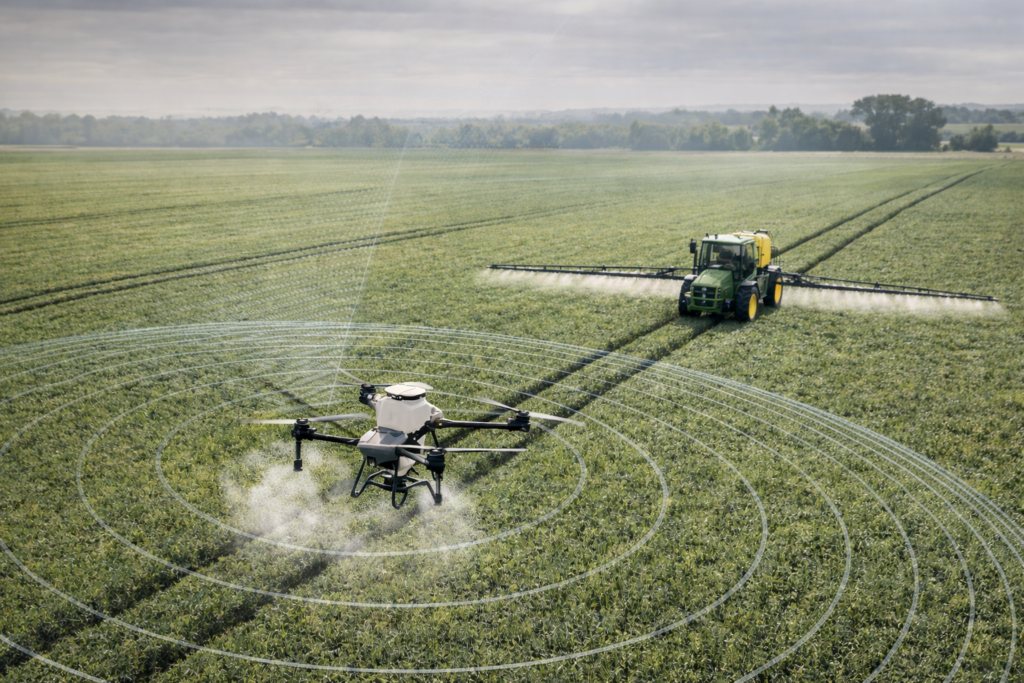
Precision agriculture uses GPS mapping, drones, sensors, and satellite imagery to monitor and manage crop growth. This approach allows farmers to apply water, fertilizers, and pesticides only where needed, reducing waste and labor costs. It optimizes inputs and enhances crop health, boosting overall profitability.
2. Automated Machinery and Robotics
Automation in farming has revolutionized traditional labor tasks such as planting, irrigation, harvesting, and sorting. Robots and automated machines perform repetitive jobs efficiently, reducing the need for manual labor and allowing farmers to focus on strategic decisions.
3. Smart Irrigation Systems
Water management is crucial for modern farms. Smart irrigation systems use soil moisture sensors and weather data to deliver the exact amount of water crops require. This reduces water waste, labor associated with manual irrigation, and increases crop productivity.
4. Controlled Environment Agriculture (CEA)
CEA techniques, including greenhouse farming and vertical farming, provide controlled conditions for crop growth. This method reduces crop loss due to climate variability and pest damage, lowers labor for weeding and pest control, and significantly increases yield per square foot.
5. Integrated Pest Management (IPM)
IPM employs a combination of biological, cultural, and chemical tools to manage pests effectively with minimal environmental impact. This technique lowers the dependence on manual pesticide application and promotes sustainable farming practices.
6. Soil Health Management
Modern farming emphasizes maintaining soil health through crop rotation, cover cropping, and reduced tillage. Healthier soils support better yields, reduce labor for soil preparation, and minimize fertilizer use costs.
Enhancing Farm Efficiency Through Modern Techniques
One of the fundamental goals of adopting modern farming techniques is to improve farm efficiency. This includes maximizing output while minimizing input costs, labor hours, and material waste.
The Role of Data Analytics in Farm Efficiency
Data-driven farming utilizes sensors and farm management software to track crop performance, soil conditions, and input usage in real-time. Farmers can make informed decisions, such as when to plant or harvest, leading to better time management and resource allocation.
Mechanization and Labor Saving Agriculture
Farm mechanization replaces manual tasks with machines, drastically reducing human labor needs. From seed drills to automated tractors, mechanization ensures consistent work quality and speeds up farm operations—key elements of labor saving agriculture.
Crop Diversification for Profitability
Incorporating a mix of crop types reduces vulnerability to disease and market fluctuations while enhancing nutrient cycling. Diversified farms can generate multiple income streams, supporting profitable farming methods and overall farm sustainability.
Cost Effective Farming Through Technology
Implementing cost effective farming strategies helps farmers reduce production expenses without compromising yield quality. Technology plays a central role by decreasing reliance on costly, inefficient processes.
Use of Renewable Energy
Solar-powered irrigation pumps and biogas systems lower energy costs and improve environmental sustainability—a hallmark of modern agriculture benefits. These technologies reduce dependence on fossil fuels and help farmers save significantly over time.
Seed Treatment and Genetics
Improved seed varieties with enhanced resistance to pests and drought reduce the need for chemical treatments and extra irrigation. Though initial costs may be higher, these seeds contribute to long-term cost savings and higher profitability.
Modern Agriculture Benefits for Sustainable Farming
The shift towards modern farming techniques offers substantial benefits beyond immediate economic gains. With sustainability becoming a global priority, modern agriculture balances productivity and environmental stewardship.
Reduced Environmental Footprint
By using inputs judiciously, managing soil health, and adopting renewable energy, modern farmers minimize negative impacts on ecosystems. This results in cleaner water, improved biodiversity, and long-term land fertility.
Enhanced Food Security
Higher and more reliable crop yields contribute to global food security. Reduced labor barriers also make farming accessible to a broader demographic, promoting social sustainability.
Economic Viability for Future Generations
Profitable modern farming techniques enable farmers to reinvest in their operations, innovate further, and support community livelihoods for years to come.
FAQ Section
What are the best modern farming techniques for small-scale farmers?
Small-scale farmers can benefit from affordable precision tools like soil sensors, drip irrigation systems, and mobile-based farm management apps. Techniques such as crop rotation and integrated pest management are also highly effective for sustainable growth.
How do modern farming techniques reduce labor?
Modern farming uses mechanized equipment, automated systems, and data-driven decision-making to reduce the need for repetitive manual work, thereby saving time and labor costs.
Are modern farming techniques expensive to implement?
While some technologies may require initial investment, many tools improve resource efficiency, reduce input costs, and increase yields, making them cost effective in the long term.
Can modern farming techniques be environmentally sustainable?
Yes, many modern approaches prioritize sustainability, including precision agriculture, renewable energy use, and soil conservation practices that protect the environment.
How do modern farming techniques improve profitability?
By optimizing input usage, reducing labor costs, increasing crop yields, and minimizing losses, modern farming techniques create a more profitable farming operation.
Conclusion
Adopting modern farming techniques is a game-changer for farmers looking to boost farm efficiency, reduce labor, and enhance profitability. These advanced methods integrate technology, sustainability, and smart management to transform agriculture into a more productive and cost effective venture. Embracing modern innovations not only improves individual farm performance but also contributes to the broader goals of environmental stewardship and global food security. For modern farmers, investing in these techniques is an indispensable step towards a sustainable and prosperous future.
See weather forecast
https://garden.org/