Modern Farming Techniques in India: Methods, Benefits, and Challenges
The agricultural landscape in India is undergoing a remarkable transformation, driven largely by the adoption of modern farming techniques in India. These innovations are reshaping Indian farming systems by integrating advanced tools, technologies, and sustainable practices that are helping farmers maximize productivity while minimizing environmental impacts. This blog dives deep into these modern practices, explores the benefits they bring, and addresses the challenges hindering widespread implementation.
Introduction to Modern Farming Techniques in India
Indian agriculture has traditionally depended on conventional methods that, while effective for centuries, have struggled to keep pace with rising demand and environmental concerns. The push toward Indian agriculture technology and advanced farming India initiatives is designed to revolutionize farming by improving yields, increasing resource efficiency, and promoting sustainable agriculture.
With the increasing pressure of climate change, fluctuating weather patterns, and the need for food security, Indian farmers are turning to smart agriculture India solutions. These include cutting-edge technologies such as precision farming, drip irrigation, mechanization, and biotechnology.
Overview of Modern Farming Techniques in India
Modern farming techniques encompass a wide range of methods optimized for higher efficiency, sustainability, and resilience. Some of the prominent approaches include:
– Precision Agriculture
– Drip and Sprinkler Irrigation
– Use of High-Yield Variety (HYV) Seeds
– Integrated Pest Management (IPM)
– Mechanization
– Organic Farming and Sustainable Practices
– Hydroponics and Vertical Farming
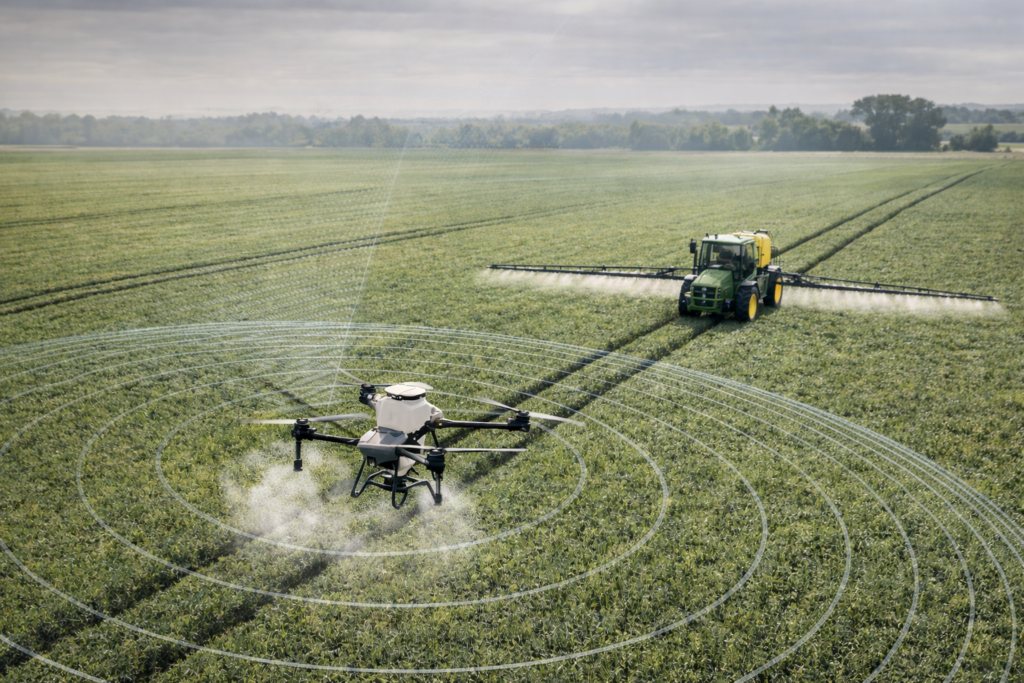
– Use of Drones and IoT (Internet of Things) in Farming
Each of these methods contributes uniquely to enhancing productivity while conserving inputs like water, fertilizers, and energy.
Precision Agriculture: The Future of Smart Agriculture India
Precision agriculture involves the use of GPS, satellite imagery, and soil sensors to monitor crop and soil health in real-time. This allows farmers to apply inputs precisely where needed, significantly reducing wastage. GPS-guided tractors, variable rate fertilizer applications, and real-time crop monitoring help Indian farmers improve yields and reduce environmental footprint.
Efficient Water Management: Drip and Sprinkler Irrigation
India faces acute water scarcity in many regions, making efficient irrigation technologies critical. Drip and sprinkler irrigation systems enable precise water delivery directly to the plant roots, avoiding wastage from evaporation or runoff. These methods contribute to conserving water and improving crop productivity, especially in arid and semi-arid zones.
High-Yield Variety Seeds and Biotechnology
The introduction of High-Yield Variety (HYV) seeds has been a cornerstone of India’s agricultural revolution since the Green Revolution. Today, advanced biotechnology has supplemented HYV seeds with genetically improved varieties that are pest-resistant, drought-tolerant, and have improved nutritional profiles. These seeds empower Indian farmers to achieve higher production with fewer inputs.
Integrated Pest Management (IPM) for Sustainable Protection
Pests and diseases cause significant yield losses. Integrated Pest Management (IPM) employs a combination of biological controls, chemical applications, and cultural practices to manage pest populations sustainably. IPM reduces reliance on chemical pesticides, minimizing harm to ecosystems and human health.
Mechanization: Enhancing Efficiency in Indian Farming Systems
Mechanization, including tractors, harvesters, and seed drills, has become essential for increasing the scale and speed of farming operations. Small and medium-scale farmers are progressively adopting mechanized tools to reduce labor dependency and improve timeliness in sowing and harvesting.
Organic Farming and Sustainable Agriculture
A growing awareness of environmental health is promoting organic farming and sustainable practices. Crop rotation, green manures, and bio-fertilizers are being integrated with modern crop methods to maintain soil fertility and reduce chemical use.
Cutting-edge Innovations: Hydroponics and Vertical Farming
Hydroponics and vertical farming represent futuristic farming techniques gaining momentum in India’s urban agriculture sector. These methods use nutrient-rich water solutions or stacked layers to grow crops without soil, optimizing space and resources and enabling year-round production.
Role of Drones and IoT in Modern Farming Techniques in India
Digital technologies such as drones and Internet of Things (IoT) devices are now widely utilized for crop health monitoring, soil analysis, and automated irrigation systems. Real-time data assists farmers in making informed decisions, ensuring optimal crop management.
Benefits of Modern Farming Techniques in India
The adoption of modern farming methods offers numerous advantages:
– Increased crop yields and farm profitability
– Efficient utilization of water and fertilizers
– Reduced environmental impact due to sustainable practices
– Enhanced resistance to climate variability
– Timely operations due to mechanization
– Better pest and disease management
These benefits contribute directly to food security and rural development in India.
Challenges Faced in Implementing Modern Farming Techniques
Despite their advantages, several challenges limit the widespread adoption of these modern methods in Indian agriculture:
– High initial investment costs and lack of easy credit options
– Limited awareness and training among smallholder farmers
– Inadequate access to modern technology in remote areas
– Fragmented land holdings affecting mechanization efficiency
– Infrastructure gaps such as poor rural electrification and storage facilities
– Resistance to change from traditional farming practices
Addressing these issues through supportive government policies, extension services, and rural infrastructure development is critical.
Modern Farming Techniques vs Traditional Indian Farming Systems
Below is a detailed comparison showcasing differences between modern farming techniques and traditional Indian farming systems:
Indian Government Initiatives Supporting Modern Farming Techniques
Several government programs promote the adoption of modern farming techniques in India, such as:
– Soil Health Card Scheme – Offering farmers data on soil nutrients for precise fertilizer use
– Pradhan Mantri Krishi Sinchayee Yojana (PMKSY) – Focused on efficient irrigation techniques
– National Mission on Sustainable Agriculture (NMSA) – Encouraging climate-resilient farming
– Kisan Rath Mobile App – Facilitates transportation of farm produce
– Subsidies for machinery and drip irrigation installation
These initiatives aim to bridge the gap between traditional agriculture and advanced technology.
Future Prospects: The Rise of Smart Agriculture India
Looking ahead, the integration of artificial intelligence, big data analytics, and robotics is expected to take smart agriculture India to new heights. The future farming ecosystem will be data-driven, resource-efficient, and more adaptable to changing climatic conditions, ensuring better livelihoods for Indian farmers.
Frequently Asked Questions (FAQs)
Q1: What are the key modern farming techniques used in India?
A1: Key techniques include precision agriculture, drip and sprinkler irrigation, the use of high-yield seeds, integrated pest management, mechanization, organic farming, hydroponics, and digital tools like drones and IoT.
Q2: How do modern farming techniques benefit Indian farmers?
A2: They increase crop yields, optimize resource use, reduce environmental impact, improve resistance to climate variability, and lower labor requirements through mechanization.
Q3: What are the challenges in adopting modern farming methods in India?
A3: Challenges include high costs, lack of awareness, limited access to technology in rural areas, fragmented land holdings, poor infrastructure, and resistance to change.
Q4: How does precision agriculture help in Indian farming?
A4: Precision agriculture allows targeted use of inputs such as fertilizers and water, improving efficiency and reducing waste based on real-time data from sensors and GPS.
Q5: Are there government schemes that support advanced farming practices in India?
A5: Yes, schemes like Soil Health Card, PMKSY, NMSA, and various subsidies promote the adoption of modern technologies and sustainable agriculture methods.
Q6: What role does technology like drones and IoT play in farming?
A6: Drones help monitor crop health, assess pest infestations, and survey fields, while IoT devices enable automated irrigation and soil monitoring, facilitating precision farming.
Conclusion
Modern farming techniques in India represent a vital shift towards more efficient, sustainable, and profitable agriculture. As Indian agriculture technology continues to evolve, the infusion of advanced farming India methods into traditional farming systems promises higher yields, improved resource management, and reduced environmental impact. However, to fully realize the potential of these innovations, it is essential to overcome the challenges of affordability, accessibility, and education. With strong government support and increasing farmer awareness, smart agriculture India is poised to transform the rural economy and ensure food security for the nation’s growing population. The future of Indian farming lies in embracing modern crop methods within sustainable farming frameworks that balance productivity with ecological stewardship.