Why Are Modern Farming Techniques Important for Global Food Security?
As the world’s population continues to rise exponentially, ensuring a stable and reliable food supply has become more challenging than ever. Addressing why are modern farming techniques essential requires a deep dive into their role in enhancing food security, improving agricultural efficiency, and overcoming persistent global agriculture challenges. This blog explores how innovative approaches to farming provide solutions to these pressing issues while promoting a sustainable food supply for generations to come.

Understanding Global Food Security
Food security means that all people, at all times, have physical and economic access to sufficient, safe, and nutritious food to meet their dietary needs. With population growth farming demands are soaring, putting unprecedented pressure on both the quantity and quality of food production. The Food and Agriculture Organization (FAO) estimates that global food production must increase by about 70% by 2050 to feed nearly 10 billion people.
Unfortunately, traditional farming methods alone are no longer adequate to meet this surge. Challenges such as limited arable land, climate change, resource depletion, and soil degradation prevent consistent yield growth. This is precisely where why are modern farming techniques implemented is critical—to bridge this growing gap between supply and demand.
The Role of Modern Farming Techniques in Agriculture
Modern farming techniques encompass a range of innovative practices that optimize the use of resources, reduce waste, and dramatically increase productivity. These practices integrate advanced technologies, science, and sustainable approaches to cultivate crops more efficiently and protect the environment.
Here are the key reasons why are modern farming techniques vital in achieving food security:
Increased Agricultural Efficiency
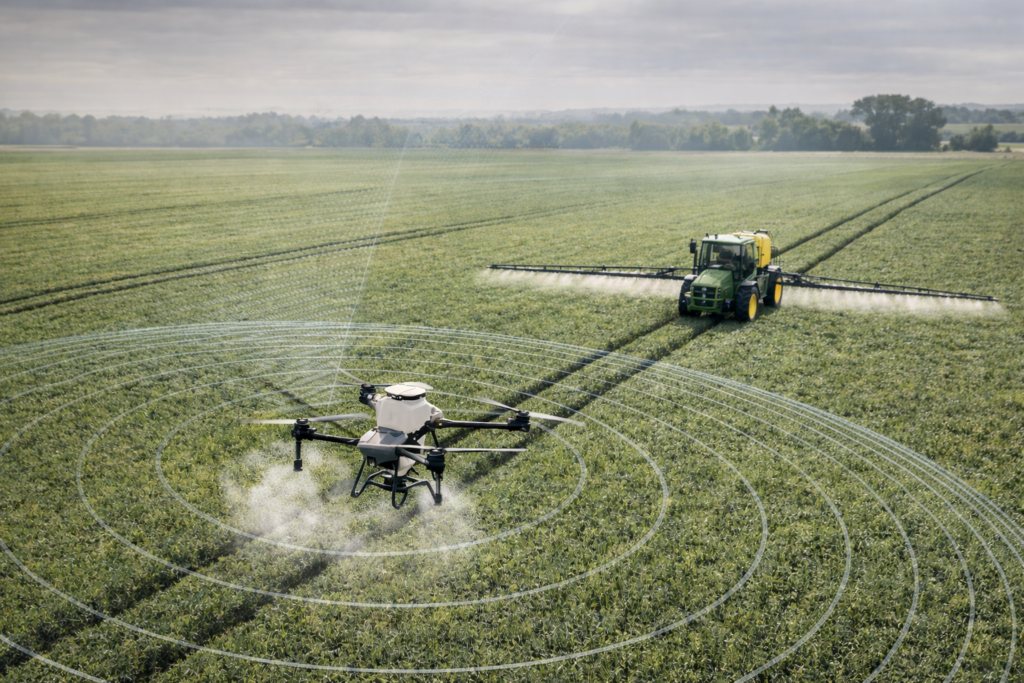
Advancements like precision agriculture, mechanization, and genetically modified crops enable farmers to produce more per acre than ever before. By using data-driven insights, farmers can apply water, fertilizers, and pesticides more precisely and only when necessary, reducing cost and environmental impact.
Sustainable Food Supply
Sustainability is at the heart of modern farming. Techniques such as conservation tillage, crop rotation, and organic fertilization maintain soil health, conserve water, and limit chemical runoff. This ensures that farming remains productive without degrading the land for future use.
Climate Resilience
Climate change poses a huge threat to global food production. Modern farming incorporates drought-resistant crop varieties, advanced irrigation methods, and real-time weather monitoring to help farms adapt and maintain productivity under unpredictable conditions.
Efficient Labor and Resource Use
With the global labor force in agriculture shrinking, automation and robotics reduce the dependency on human labor, ensuring year-round farming activities. Efficient resource use translates into less waste and lower operational costs, making farming more profitable and viable.
Key Modern Farming Techniques Explained
Precision Agriculture
Precision agriculture relies on GPS, satellite imagery, IoT sensors, and big data analytics to monitor crop health, soil conditions, and weather patterns at a granular level. This targeted management improves yields while minimizing waste.
Vertical Farming and Urban Agriculture
These techniques maximize space by growing food indoors in stacked layers or urban settings. Vertical farming uses controlled environment agriculture (CEA) to optimize temperature, light, and nutrients, enabling year-round production irrespective of external weather.
Genetic Modification and Biotechnology
GMOs and bioengineered crops resist pests and diseases or tolerate harsh environmental conditions. This reduces the need for chemical pesticides and enhances overall productivity.
Conservation Agriculture
By minimizing soil disturbance and maintaining soil cover with crop residues or cover crops, conservation agriculture helps preserve soil structure, retain moisture, and offer habitat for beneficial organisms.
Automated Machinery and Robotics
From self-driving tractors to robotic harvesters, automation accelerates farming operations, reduces human error, and cuts labor costs.
Global Agriculture Challenges Addressed by Modern Farming
Population Growth Farming Demands
The biggest pressure on farming is the need to feed a rapidly growing population. Today, many farmers are tasked with producing more food on less land with fewer resources. Modern methods ensure that every inch of available land is efficiently utilized for maximum output.
Limiting Environmental Degradation
Traditional farming sometimes leads to soil erosion, nutrient depletion, and water pollution. Modern sustainable techniques counter these effects, protecting ecosystems while maintaining production.
Resisting Climate Volatility
Sudden droughts, floods, and temperature extremes disrupt traditional farming cycles. Modern farming technologies provide flexibility and adaptation tools to mitigate yield losses.
Reducing Post-Harvest Losses
Advanced storage, processing, and transport innovations ensure that more of the harvested food reaches consumers, reducing waste and improving food security.
Comparison of Traditional Farming vs. Modern Farming Techniques
| Comparison Factor | Traditional Farming | Modern Farming Techniques |
|---|---|---|
| Resource Usage | Often inefficient with water, fertilizers, and pesticides | Optimized through precision application and technology |
| Crop Yield | Lower yields due to limited inputs and pest control | Higher yields via genetically improved seeds and management |
| Environmental Impact | Can cause soil degradation and pollution | Focuses on sustainability and conservation practices |
| Labor Intensity | High manual labor requirement | Increased use of automation and robotics |
| Climate Adaptability | Limited tools to combat climate extremes | Use of climate-resilient crops and predictive monitoring |
| Production Consistency | Variable and weather-dependent | More consistent through controlled environments and tech |
The Future of Farming: Embracing Technology for Sustainable Farming
The integration of Artificial Intelligence, blockchain for supply chain transparency, and renewable energy in agriculture is transforming the sector beyond recognition. Modern farming techniques are constantly evolving, and their adoption will become indispensable to ensuring global food security.
FAQ
Q1: Why are modern farming techniques necessary instead of traditional farming?
Modern farming techniques boost agricultural efficiency, increase yields, use resources sustainably, and help adapt to climate challenges, which traditional methods struggle to address effectively under rising population pressures.
Q2: How do modern farming techniques contribute to food security?
They increase the quantity and quality of food produced while ensuring the land remains productive for future generations, hence securing a steady, sustainable food supply.
Q3: Are modern farming techniques environmentally friendly?
Many modern techniques prioritize sustainability by reducing chemical usage, conserving water, and promoting biodiversity, thus protecting the environment while maintaining productivity.
Q4: Can small-scale farmers benefit from modern farming techniques?
Yes, scalable technologies like mobile apps for weather forecasts, low-cost sensors, and improved seed varieties are highly accessible and beneficial to smallholders.
Q5: What role does technology play in modern farming?
Technology enables precision agriculture, automation, climate monitoring, and efficient resource management, which collectively improve productivity, reduce waste, and help farmers make informed decisions.
Conclusion
Why are modern farming techniques so important? Because they address the urgent necessity to feed a growing global population sustainably and resiliently. They offer solutions to longstanding global agriculture challenges, improve agricultural efficiency, and safeguard our future sustainable food supply.
By embracing advanced farming practices, the agricultural sector can rise to meet present and future food demands without compromising environmental health or economic feasibility. This makes modern farming not just an option but an essential path forward to achieving comprehensive food security worldwide.