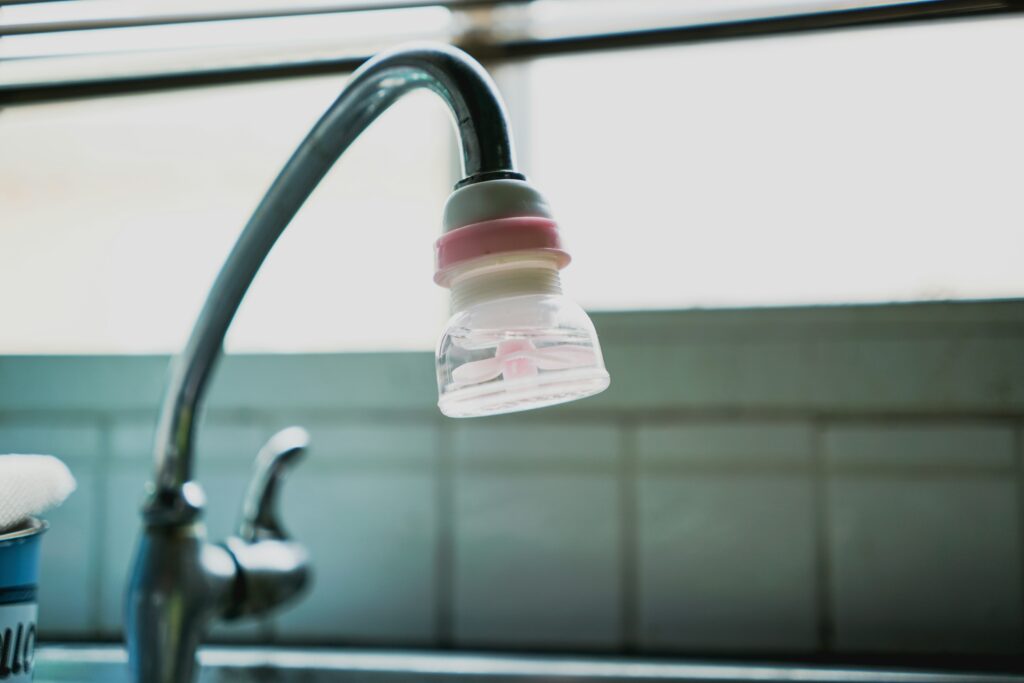
How to Conserve Water at Home: Practical Tips for Every Household
Water is one of our most precious resources, and conserving it at home not only helps the environment but also reduces water bills. With increasing awareness about the importance of sustainable living, many households are seeking water-saving tips that make a real difference. In this comprehensive guide, we’ll explore how to conserve water at home through effective techniques, eco-friendly practices, and lifestyle changes that benefit both you and the planet.
The Importance of Water Conservation
Before diving into practical tips, it’s vital to understand why conserving water is essential.
1. Environmental Impact: Freshwater resources are finite. Overuse and pollution threaten aquatic ecosystems, making it crucial to *save water* wherever possible.
2. Economic Benefits: Reducing water consumption can significantly lower your water bills, contributing to overall savings for your household.
3. Sustainable Living: Embracing home conservation practices helps in achieving a more sustainable lifestyle. It reflects a commitment to reduce your environmental footprint while encouraging others to do the same.
Understanding Your Water Usage
Understanding how much water your household consumes is the first step in learning how to conserve water at home. The average American family uses about 300 gallons of water per day. Here’s a breakdown of typical water usage by household activities:
ActivityDaily Usage (Gallons)Showering20-50Toilet Flushing24Washing Dishes6-27Washing Clothes15-30Watering Lawn/Garden25-100
By identifying the major water consumers in your home, you can prioritize which areas need immediate attention for conservation.
Practical Tips to Conserve Water at Home
Implementing water-saving methods can be as easy as mindfully using water in daily routines. Here are some effective water-saving tips:
1. Fix Leaks Promptly
Every drip counts. A leaky faucet can waste more than 3,000 gallons a year. Regularly check your faucets, toilets, and pipes for leaks, and fix them immediately.
2. Upgrade to Water-Efficient Appliances
Investing in high-efficiency appliances such as ENERGY STAR rated dishwashers and washing machines can significantly reduce water usage without sacrificing performance.
3. Shorten Showers
Reducing your shower time by just 2 minutes can save up to 150 gallons of water per month. Consider using a timer or an audio cue to help prompt shorter showers.
4. Turn Off the Tap
Don’t let the water run when brushing your teeth, shaving, or washing your hands. Turning off the tap can lead to a significant reduction in water consumption.
5. Full Loads Only
Whether you’re doing laundry or dishes, always wait until you have a full load to run your appliances. This maximizes water efficiency.
6. Use a Broom Instead of a Hose
When cleaning driveways or sidewalks, use a broom instead of a hose. This simple switch can save hundreds of gallons of water.
7. Install Low-Flow Fixtures
Installing low-flow showerheads and faucets can reduce water flow significantly without compromising pressure, promoting water efficiency.
8. Collect Rainwater
Consider installing a rain barrel to collect rainwater for use in your garden or landscaping. This sustainable practice not only conserves water but also utilizes natural resources.
Water Conservation in the Garden
Gardening is often where excess water use occurs. Here are some gardening tips that contribute to home conservation:
1. Water Wisely
Water your lawn and plants early in the morning or late in the evening to minimize evaporation. Also, group plants with similar water needs together to optimize irrigation efforts.
2. Mulch Your Garden
Adding a layer of mulch around plants helps retain moisture, which reduces the need for frequent watering.
3. Choose Native Plants
Native plants are adapted to local climates and typically require less water compared to non-native species. Opt for drought-resistant varieties that thrive on less moisture.
The Role of Sustainable Living in Water Conservation
Adopting a sustainable living mindset extends beyond just conserving water. It encompasses a broader approach to reduce your environmental footprint. Here are additional ways to integrate sustainability into your water conservation efforts:
1. Educate Your Family
Engage your family in conversations about water conservation, sharing the importance and encouraging participation in eco-friendly practices.
2. Create a Water-Saving Plan
Set specific goals for your household regarding water usage. Monitor your water bills and track consumption to recognize patterns and successes.
3. Support Policies that Promote Conservation
Stay informed about local environmental laws and support policies that aim to conserve water resources in your community.
Common Misconceptions About Water Conservation
Understanding the myths surrounding water conservation can help refine your approach. Here are a few misconceptions clarified:
Myth: Watering your lawn at night saves water.
Reality: Watering at night can promote fungal growth. Early mornings are best to allow water to soak into the ground before evaporation.
Myth: All plants need daily watering.
Reality: Many plants thrive with twice-a-week watering. Assess individual plant needs rather than following a blanket schedule.
Myth: Toilet flushes are the primary source of household water use.
Reality: While toilets use a lot of water, activities such as showering and laundry often consume more.
Benefits of Water Conservation
Conserving water offers numerous advantages:
1. Lower Utility Bills: Saving water directly correlates to lower water bills every month.
2. Environmental Protection: Less water consumption reduces energy use associated with water heating and treatment, contributing to a greener planet.
3. Enhanced Home Value: Features such as low-flow fixtures and water-efficient appliances can increase your home’s appeal to environmentally-conscious buyers.
FAQ: How to Conserve Water at Home
1. How can I save water daily?
Implement small changes like turning off the tap while brushing your teeth, shortening showers, and using a broom instead of a hose.
2. What are some water-efficient appliances I can use?
Look for ENERGY STAR appliances, which are designed to use less water and energy while maintaining high efficiency.
3. Is it better to water my garden in the morning or at night?
Watering in the morning is recommended to reduce evaporation and allow plants to absorb moisture before the heat of the day.
4. How much water can I save by fixing leaks?
Fixing a minor leak can save hundreds of gallons of water each year, depending on the severity of the leak.
5. What plants are best for water conservation?
Drought-resistant and native plants are excellent for conserving water, as they are adapted to require less watering than non-natives.
Conclusion
In conclusion, learning how to conserve water at home is not just about saving money; it’s about making a commitment to the environment and future generations. By implementing practical tips, embracing eco-friendly practices, and fostering a culture of sustainability within your household, you’re taking significant steps toward effective home conservation. Every drop saved contributes to a larger wave of change in our world. Start small, be consistent, and watch as your efforts positively impact both your wallet and the environment.