Gardening Tips for Beginners to Grow Healthy Plants
Starting a garden can be an incredibly rewarding experience. Whether you have a small balcony or a large backyard, cultivating plants can bring joy, fresh air, and even fresh produce to your home. However, for beginner gardening enthusiasts, the journey can seem daunting without proper guidance. This article covers fundamental garden basics and gardening tips that will help you start your garden on the right foot and nurture healthy plants throughout the seasons.
Why Gardening is Great for Beginners
Gardening is a perfect hobby because it connects you with nature, offers physical activity, and can improve your mental wellbeing. With the right gardening tips, beginners can avoid common pitfalls such as overwatering or planting inappropriate species. Understanding basic principles will encourage success and satisfaction as your garden thrives.
Essential Gardening Tips for Beginners
Getting started means focusing on critical areas: site selection, soil health, watering techniques, plant selection, and ongoing care. Let’s explore these essential gardening tips.
1. Select the Right Location for Your Garden
The first step in beginner gardening is choosing the ideal site. Most plants require ample sunlight — usually 6 to 8 hours daily — so an open, sunny spot is preferred. Observe how sunlight moves across your space during the day. Avoid areas shaded by buildings or large trees.
Consider accessibility: your garden should be easy to reach since frequent attention will be necessary.
2. Understand and Prepare Healthy Soil
Soil quality is crucial for plant health. Here are some garden basics to improve soil:
– Test the soil: Use a simple soil test kit to check pH and nutrient levels.
– Amend the soil: Depending on test results, add compost, manure, or fertilizers to enrich the soil.
– Loosen soil: Use a garden fork or tiller to break up compacted soil, allowing roots to penetrate deeply.
Healthy soil promotes strong root growth, leading to robust and healthy plants.
3. Choose the Right Plants for Beginners
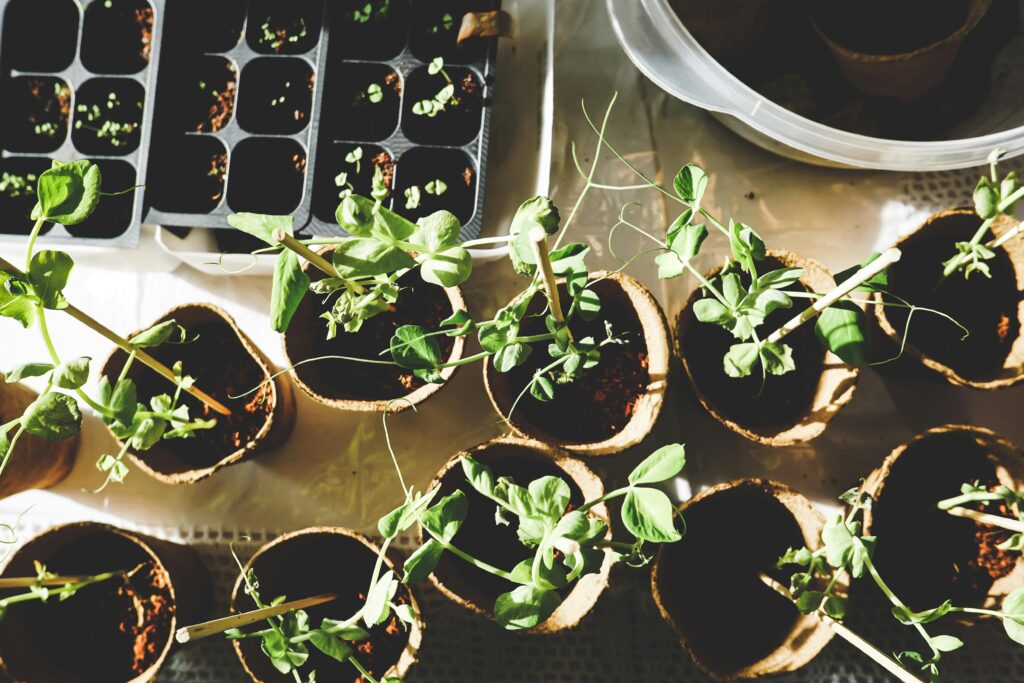
For those new to gardening, selecting hardy, low-maintenance plants is wise. Some great options include:
– Herbs: Basil, thyme, mint
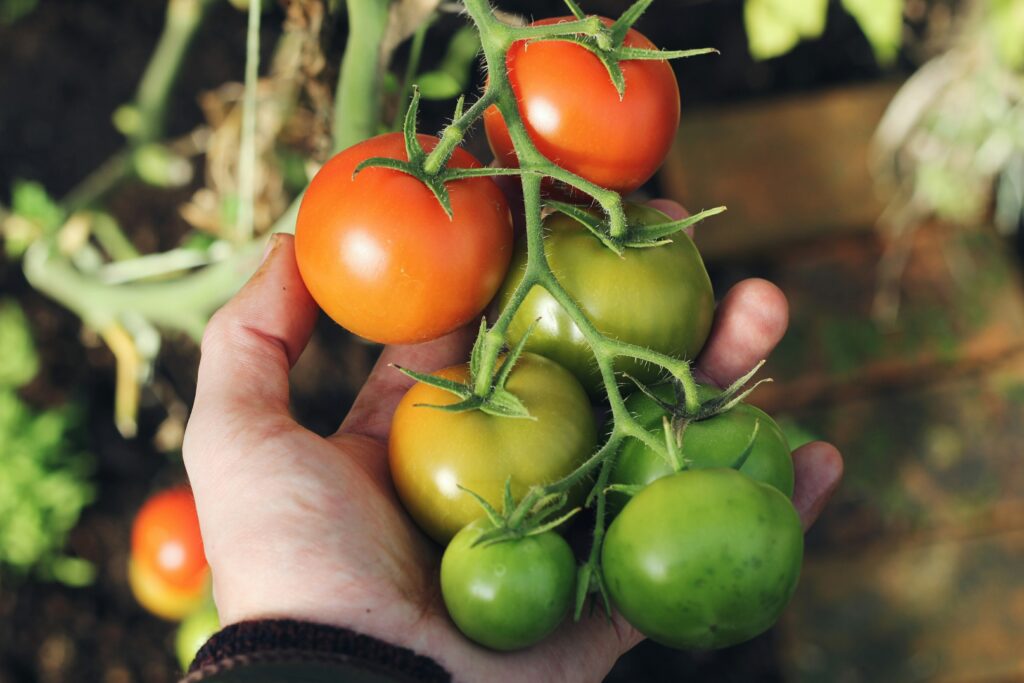
– Vegetables: Lettuce, radishes, tomatoes
– Flowers: Marigolds, sunflowers, zinnias
These choices tolerate varying conditions and provide quick visual rewards, encouraging confidence for beginners.
4. Watering Wisely
Proper watering is one of the most common challenges. Both underwatering and overwatering can stress plants. Tips for watering include:
– Water deeply but less frequently to promote deep root growth.
– Water early in the morning to reduce evaporation and fungal risks.
– Use mulch to retain moisture and regulate soil temperature.
5. Learn to Prune and Maintain Your Plants
Pruning encourages new growth and improves plant shape. Remove dead or yellowing leaves and spent flowers regularly. This practice helps plants conserve energy for growth and blooming.
Ongoing maintenance also includes monitoring for pests and diseases. Early intervention will prevent widespread damage.
Gardening Tools Every Beginner Should Have
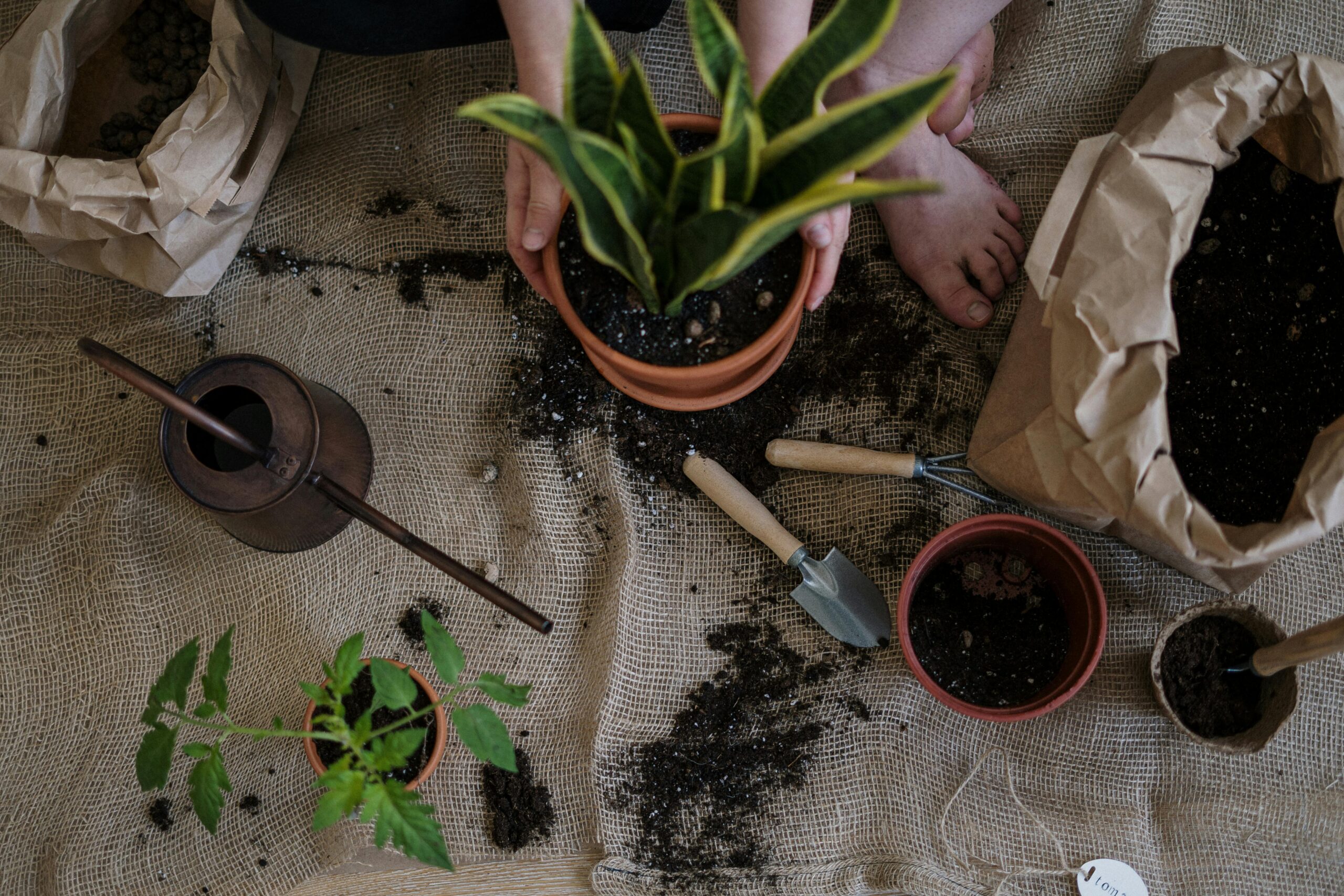
To make gardening easier and more effective, equip yourself with essential tools such as:
– Hand trowel: For digging small holes
– Pruning shears: For trimming plants
– Watering can or hose with spray nozzle
– Gardening gloves: To protect hands
– Garden fork or spade: For turning soil
Having the right equipment supports the success of your garden.
Understanding Common Gardening Styles for Beginners
Different gardens suit different spaces and goals. Here’s a comparison of popular gardening styles ideal for beginners.
Gardening Styles Comparison Table
Comparison of Gardening Styles for BeginnersComparison FactorContainer GardeningRaised Bed GardeningIn-Ground GardeningSpace RequirementsSmall spaces, balconiesMedium to large yardsLarge open spacesSoil ControlEasy to manage soil qualityGood soil control, less compactionDependent on native soil qualityAccessibilityCan be placed at waist heightRaised beds reduce bendingRequires bending, kneelingCostLow to moderateModerate initial costLow initial costMaintenanceRegular watering neededBetter drainage, reduced weedsMore weeding and pest control
Basic Planting Techniques Every Beginner Should Know
Planting depth, spacing, and timing are crucial to success. Follow seed packet instructions closely to ensure proper planting. Overcrowding plants can lead to poor airflow and disease, so keep recommended distances in mind.
Timing is also key: plant species that suit your local climate and growing season for best results.
Organic Gardening Tips for Beginners
Many beginners want to avoid chemicals and grow organically. Here are some simple organic gardening tips:
– Use organic compost and natural fertilizers.
– Employ companion planting to deter pests.
– Introduce beneficial insects like ladybugs.
– Practice crop rotation to restore soil nutrients.
These approaches contribute to a sustainable and eco-friendly garden.
Garden Lighting: How Much Sunlight Do Plants Need?
Understanding how much light your plants require is fundamental. Most vegetables and flowering plants thrive in full sun, while some herbs and shade-loving plants tolerate partial or full shade.
Arrange plants in your garden so that taller species do not overshadow shorter ones.
Troubleshooting Common Beginner Gardening Problems
Even with great gardening tips, beginners may face hurdles like pests, diseases, or poor growth. Here are quick troubleshooting ideas:
– Yellow leaves: Check watering habits; may indicate overwatering or nutrient deficiencies.
– Wilting plants: Could be underwatered or affected by root rot.
– Pests: Identify insects and use organic pest control methods.
– Poor flowering: Ensure enough sunlight and fertilization.
Consistent observation will help you react promptly.
Seasonal Gardening Tips for Starters
Gardening is a year-round activity with varying duties depending on the season:
– Spring: Prepare soil, start seeds indoors.
– Summer: Water regularly, prune, harvest crops.
– Autumn: Clear dead plants, add mulch, plant fall crops.
– Winter: Plan next year’s garden, maintain tools.
Adapting your care routine by season maximizes plant health.
Frequently Asked Questions (FAQ)
Q1: What are the easiest plants for beginner gardening?
A1: Herbs like mint and basil, vegetables such as lettuce and radishes, and flowers like marigolds are great starter plants.
Q2: How often should I water my garden?
A2: Generally, water deeply once or twice a week depending on weather and soil type, but avoid overwatering.
Q3: Do I need to use fertilizer for healthy plants?
A3: Yes, fertilizers supply essential nutrients. Using organic compost is a natural option to enrich the soil.
Q4: Can I garden if I have no backyard or large space?
A4: Absolutely! Container gardening is perfect for small spaces like balconies or patios.
Q5: When should I plant seeds?
A5: Plant seeds according to local climate and instructions on seed packets, typically in spring or early summer for most plants.
Q6: How can I prevent pests naturally?
A6: Use companion planting, introduce beneficial insects, and apply organic pest repellents or neem oil.
Q7: What kind of soil is best for gardening?
A7: Well-draining, nutrient-rich soil with a neutral pH (6-7) is ideal for most plants.
Q8: Should I prune my plants and how often?
A8: Regular pruning encourages healthy growth and removes dead material. Frequency depends on plant species.
Conclusion
Starting a garden can be both fun and fulfilling when armed with the right gardening tips and understanding of garden basics. From selecting the appropriate location to learning how to care for your plants properly, your success as a gardener begins with good planning and consistent attention. Whether you’re growing lush vegetables, aromatic herbs, or colorful flowers, these beginner-friendly tips will help your plants thrive and turn your garden into a green oasis. Embrace the joy of beginner gardening and watch your efforts flourish into healthy plants that bring beauty and bounty into your life.
see weather forecase
https://livedgreen.com/
https://garden.org/