Fall Lawn Care Schedule: Prepare Your Lawn for Winter
As the vibrant colors of summer fade and temperatures begin to dip, it’s time to turn attention to a critical aspect of lawn maintenance: the fall lawn care schedule. Properly preparing your lawn for winter sets the foundation for a lush, healthy yard once spring arrives. Failing to follow seasonal lawn care steps can lead to patchy grass, increased weed growth, or lingering lawn diseases.
This comprehensive guide will walk you through the essential tasks of leaf removal, fertilization, overseeding, and other fall lawn care practices needed to ensure your grass thrives year after year.
Why Follow a Fall Lawn Care Schedule?
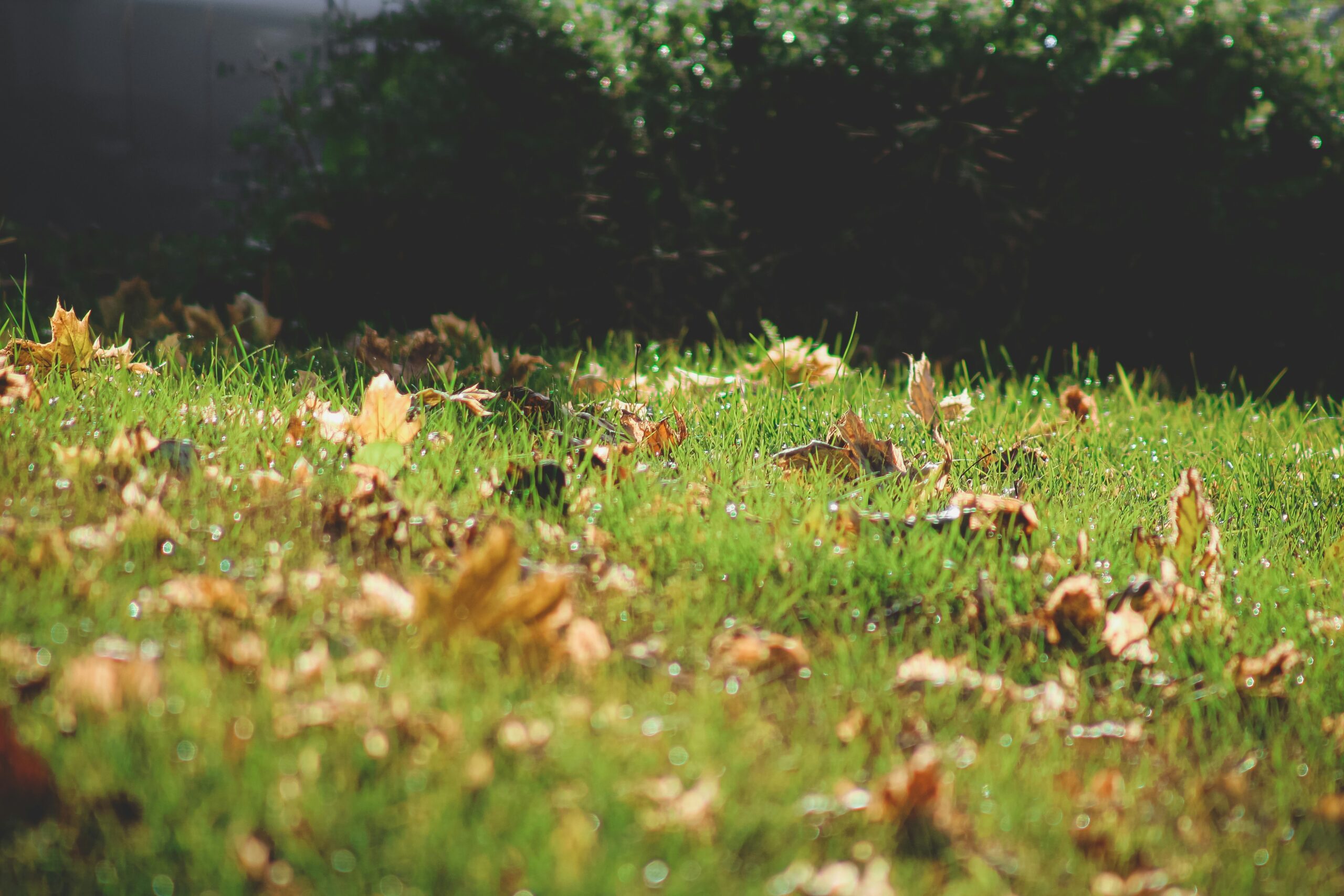
Seasonal changes drastically impact your lawn’s health. Grass slows its growth rate during cooler months but still requires nutrients and care to recover from summer stresses and prepare for winter dormancy. By adhering to a well-planned fall lawn care schedule, you:
– Strengthen root systems for winter survival
– Repair bare or thinning patches
– Improve nutrient retention through fertilization
– Reduce thatch and prevent fungal diseases
Skipping these steps means starting spring with more effort to undo damage and restore lawn vitality.
Key Tasks in Your Fall Lawn Care Schedule
1. Leaf Removal: Don’t Let Leaves Suffocate Your Grass
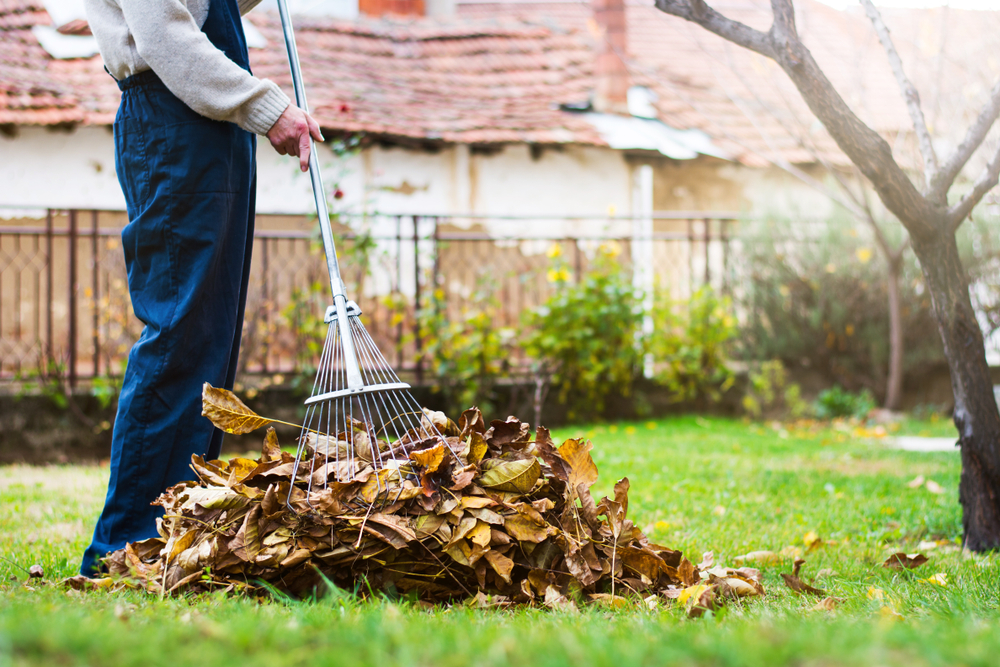
Fallen leaves are natural in autumn, but if left to accumulate, they can block sunlight and trap moisture. This creates an environment conducive to mold, fungal growth, and pest infestations.
– Frequency of Leaf Removal: Regularly remove leaves using a rake or leaf blower. Ideally, do this weekly to prevent buildup.
– Mulching vs. Bagging: Mulching leaves with a mower helps return nutrients to the soil, but excessive leaf volume often requires bagging or composting off-site.
Proper leaf removal is a critical first step in the fall lawn care schedule to maintain airflow and light exposure.
2. Fertilization: Feed Your Lawn for Winter Strength
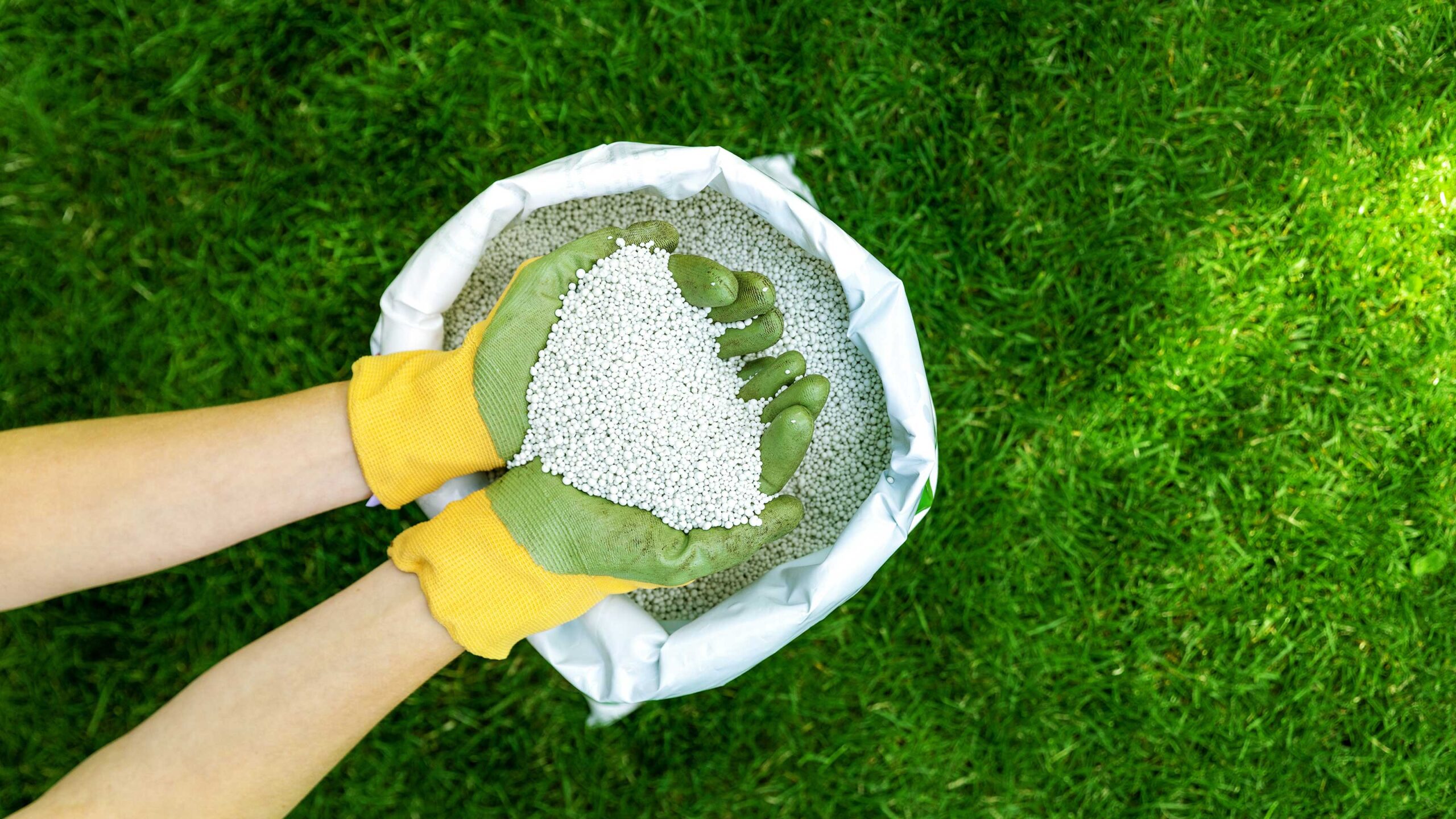
Applying fertilizer in the fall provides essential nutrients that grass needs to store energy in its roots before winter dormancy. Nitrogen is especially important during this period.
– Best Fertilizer Type: Use a slow-release, high-nitrogen fertilizer formulated for fall application.
– Timing: Apply fertilizer after the last mowing and leaf removal, usually between late September and early November depending on your climate zone.
– Benefits of Fertilization: Enhances root growth, helps grass green earlier in spring, and improves resistance to stress.
3. Overseeding: Fill in Thin and Bare Spots
Overseeding introduces new grass seed into the lawn to repair damage and increase density. This is vital in areas where summer heat or heavy foot traffic has thinned the turf.
– Ideal Conditions: Seed when soil temperatures range between 50-65°F for optimum germination.
– Seed Selection: Choose seed types compatible with your existing grass variety for uniformity.
– Preparation: Mow the lawn short, dethatch as needed, aerate compacted areas, then spread seed evenly. Water consistently to maintain moisture.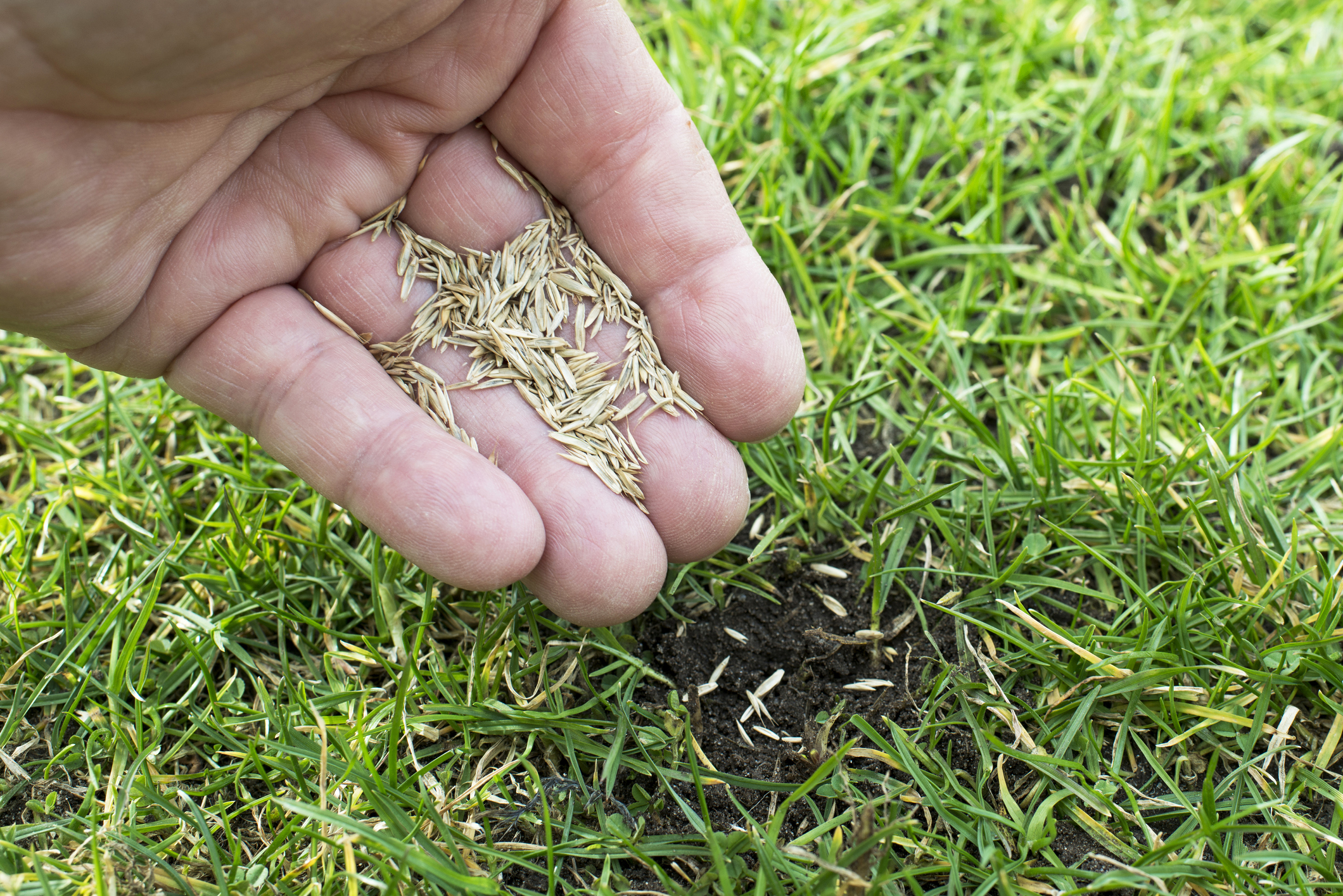
4. Aeration: Loosen Soil to Promote Root Growth
Compacted soil restricts water, air, and nutrient penetration to roots. Core aeration improves soil structure by removing plugs of soil, allowing better access below the surface.
– Timing: Early fall is the optimal window for aeration, before cooler weather slows grass growth.
– Aeration Tools: Rent a mechanical aerator or hire a professional service for best results.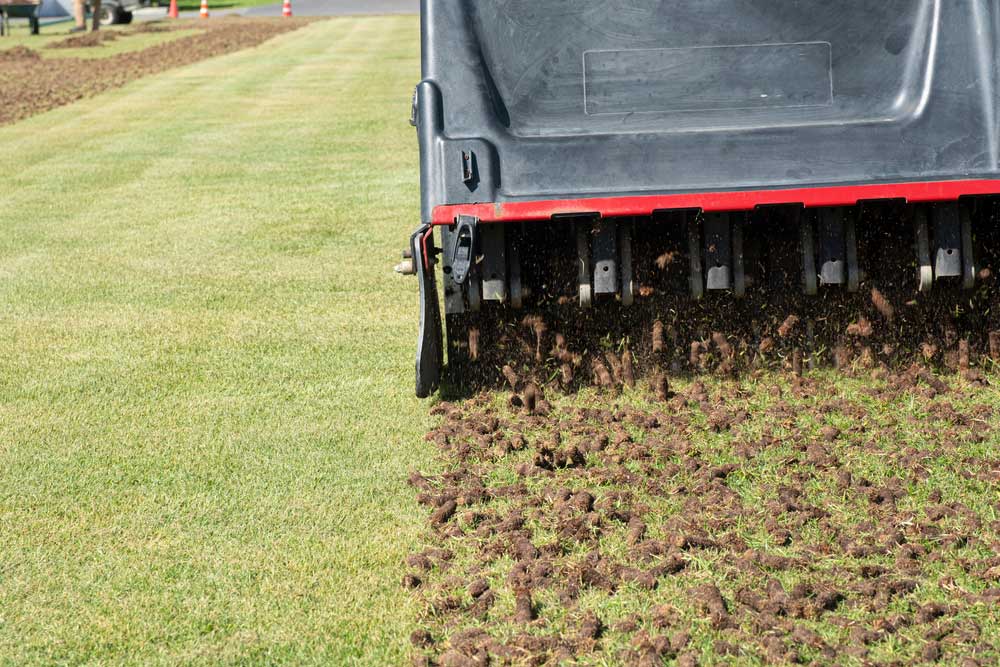
5. Mowing Practices: Adjust for Fall Growth
As temperatures drop, grass growth slows, so mowing frequency can be reduced.
– Cut Height: Raise mower blades slightly to around 2.5-3 inches to protect grass crowns from frost damage.
– Final Cut: Avoid cutting grass too short in the final mow of the season to prevent stress.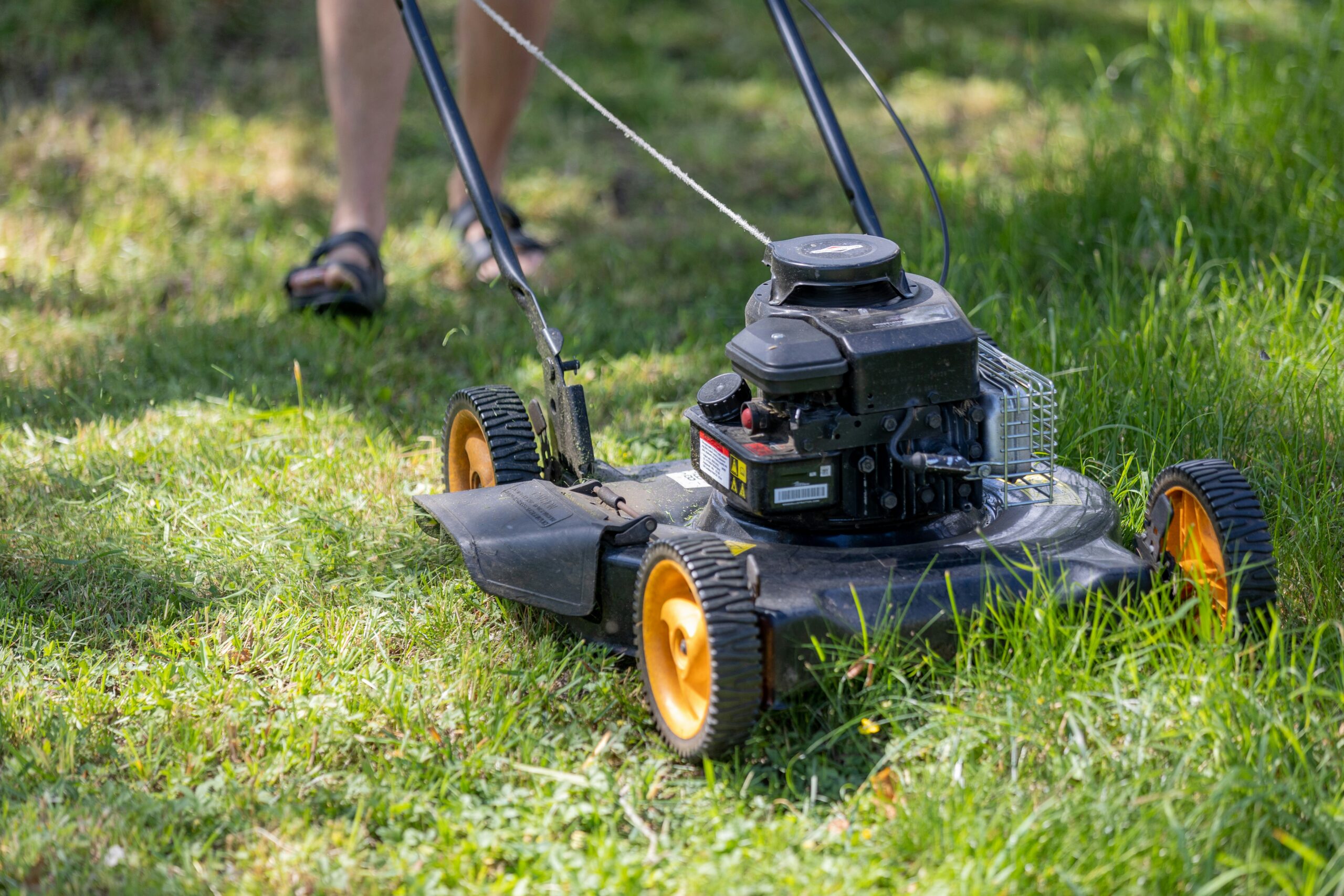
Seasonal Lawn Care in Different Climate Zones
Lawn care needs can vary depending on whether you reside in Northern, Southern, or transition regions. Adjust the fall lawn care schedule appropriately to align with your local growing season and weather patterns.
Additional Seasonal Lawn Care Tips for Fall
– Watering: Even though rainfall may increase, continue watering if drought conditions persist. Water deeply and infrequently to encourage strong roots.
– Weed Control: Apply a post-emergent weed treatment after aeration but before overseeding for best effectiveness. Fall is one of the last windows to combat perennial weeds like clover and dandelions.
– Pest Inspection: Monitor for grubs and insects that can damage roots before winter sets in. Use appropriate treatments if necessary.
Tools and Materials Needed for Your Fall Lawn Care Schedule
Having the right equipment simplifies and improves results during your fall lawn tasks:
– Leaf rake and/or leaf blower
– Lawn mower with adjustable blade heights
– High-quality slow-release fertilizer formulated for fall
– Grass seed compatible with your lawn type
– Core aerator (rental or professional service)
– Garden hose or sprinkler system for watering
– Lawn spreader for fertilizer and seed distribution
– Dethatching rake or mechanical dethatcher (optional)
Frequently Asked Questions About Fall Lawn Care Schedule
Q1: When should I start my fall lawn care routine?
A1: Start in early September or as soon as temperatures begin to cool. Keep up through November or until your lawn goes dormant.
Q2: Can I overseed and fertilize on the same day?
A2: Yes, many gardeners fertilize before overseeding to provide nutrients for the new grass. Just be sure to water adequately.
Q3: How often should I remove leaves in the fall?
A3: Ideally, clear leaves weekly to prevent them from smothering your grass.
Q4: What if I miss the fall fertilization window?
A4: If you miss fall fertilization, your lawn may be weaker going into winter. Consider spring fertilization but understand fall feeding has unique benefits.
Q5: Is aeration necessary every fall?
A5: Not always, but annual aeration is recommended if the soil is compacted or your lawn gets heavy use.
Q6: Should I water my lawn in the fall?
A6: Yes, watering moderately supports the new roots and seed germination. Adjust frequency based on rainfall and soil moisture.
Conclusion
Following a detailed fall lawn care schedule is essential to ensure your lawn remains healthy, green, and resilient through the colder months. Proper seasonal lawn care practices such as leaf removal, strategic fertilization, overseeding, and aeration prepare your turfgrass to withstand winter stress, reduce disease risks, and bounce back quickly in spring.
By investing time and effort into your lawn this fall, you set the stage for a vibrant, thick, and weed-resistant lawn in the year ahead. Whether you live in cooler northern climates or warmer southern regions, adapting these steps to your specific environment will help you achieve a lush lawn year-round. Begin your fall lawn care journey today and nurture the natural beauty that enhances your outdoor living space.