Disadvantages of Modern Farming Techniques You Should Know
Modern farming techniques have revolutionized agriculture, increasing productivity and feeding billions worldwide. However, despite the benefits, there remain significant farming drawbacks and modern agriculture problems that cannot be ignored. These issues affect the environment, soil health, biodiversity, and long-term agricultural sustainability. In understanding these challenges, farmers, policymakers, and consumers can move toward more sustainable solutions.
In this in-depth article, we will explore the disadvantages of modern farming techniques, highlighting environmental risks, agriculture sustainability issues, and the broader farming challenges these methods pose.
What Are Modern Farming Techniques?
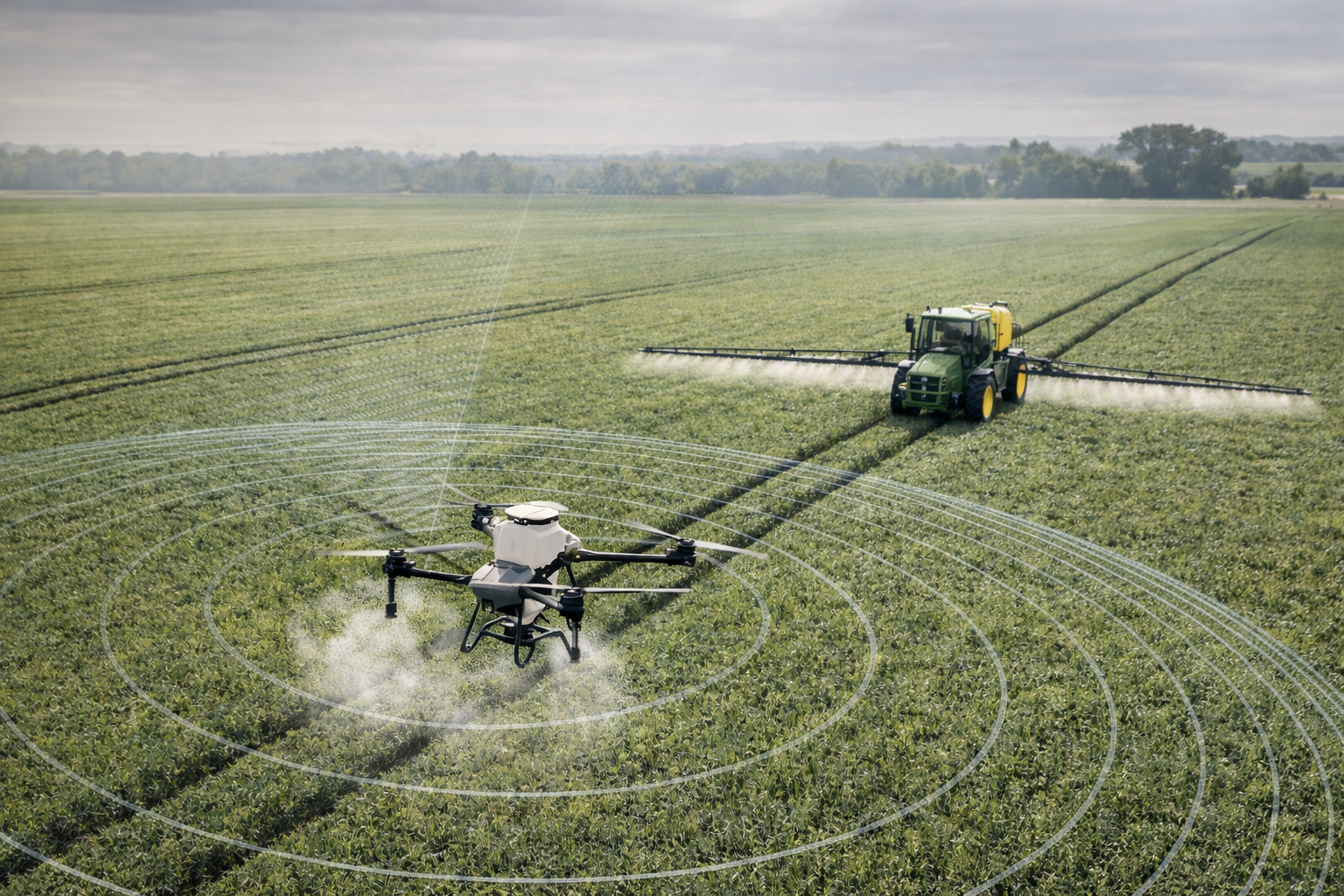
Modern farming techniques refer to the advanced methods and technologies used in agriculture to boost crop yields, improve efficiency, and reduce labor. These techniques include the extensive use of chemical fertilizers and pesticides, genetically modified crops, mechanization, monocropping, and irrigation technologies.
While these practices have driven agricultural success, it is vital to recognize their limitations and adverse effects, especially from a sustainability and environmental perspective.
Farming Drawbacks of Modern Farming Techniques
1. Soil Degradation and Loss of Fertility
One of the most critical farming drawbacks associated with modern farming techniques is soil degradation. Intensive use of chemical fertilizers and monocropping exhausts soil nutrients. Over time, this diminishes soil fertility, leading to reduced crop yields and increased dependence on artificial inputs.
Soil erosion is another consequence, worsened by heavy machinery and lack of crop rotation. This results in the loss of the fertile topsoil layer, which is essential for healthy plant growth.
2. Environmental Risks Due to Chemical Use
The widespread use of chemical pesticides and herbicides presents significant environmental risks. These substances can contaminate water bodies through runoff, causing harm to aquatic life and water quality.
Additionally, pesticide use has been linked to the decline in pollinator populations such as bees, which are crucial for crop pollination. The persistence of chemical residues in soil also affects non-target organisms, disrupting biodiversity and ecological balance.
3. Water Resource Depletion and Pollution
Modern irrigation techniques, including extensive groundwater pumping and flood irrigation, have led to severe water resource depletion in many farming regions. Over-extraction can lower water tables, making farming unsustainable long-term.
Furthermore, nutrient runoff rich in nitrates and phosphates from fertilized fields often finds its way into rivers and lakes, causing eutrophication and harmful algal blooms.
4. Biodiversity Loss
Monocropping, a common practice in modern farming, reduces crop diversity and the natural habitats of many species. This loss of biodiversity makes ecosystems more vulnerable to pests and diseases, which subsequently increases the need for chemical interventions.
Reduced biodiversity in farmland can also impact soil health and pollination services, both critical components of sustainable agriculture.
5. Greenhouse Gas Emissions and Climate Change Impacts
Modern agriculture is a significant contributor to greenhouse gas emissions, including methane from livestock and nitrous oxide from fertilized soils. The intensive use of fossil-fuel-powered machinery adds to the carbon footprint of farming operations.
Consequently, these emissions contribute to climate change, which in turn creates unpredictable weather patterns that compromise agricultural productivity.
6. Dependence on Nonrenewable Resources
Many modern farming techniques rely heavily on nonrenewable resources such as synthetic fertilizers derived from fossil fuels and petroleum-based pesticides. This dependence raises concerns about long-term sustainability as these inputs become more expensive and environmentally problematic.
Agriculture Sustainability Issues Related to Modern Farming Techniques
Sustainable farming aims to meet current food needs without compromising future generations’ ability to do the same. Unfortunately, many modern farming techniques conflict with principles of sustainability.
– Resource Depletion: The overuse of soil nutrients, water, and energy resources challenges the renewability of agricultural production systems.
– Pollution: Synthetic chemicals cause soil and water pollution, negatively impacting ecosystems and human health.
– Social Implications: Modern farming often involves large-scale monocultures that can marginalize small farmers and reduce rural employment opportunities.
– Resilience: Reduced genetic diversity in crops makes farming systems less resilient to pests, diseases, and climate variability.
Farming Challenges Emerging From Modern Agriculture Problems
Farmers using modern techniques face several challenges, including:
– Rising Costs: Dependence on expensive chemical inputs and machinery increases production costs, which can be prohibitive for small-scale farmers.
– Pest and Weed Resistance: Overuse of pesticides can lead to resistant pest populations and herbicide-resistant weeds, making control more difficult over time.
– Health Concerns: Exposure to chemicals can affect the health of farmers and farm workers.
– Market Volatility: Monoculture farming often depends on a few crops, raising risk if market prices drop or crops fail.
Addressing the Disadvantages: Moving Towards Sustainable Farming
Despite the challenges and issues linked with modern farming techniques, integrating sustainability principles can help mitigate many problems. Approaches such as integrated pest management, organic amendments, crop rotation, agroforestry, and precision farming can reduce reliance on harmful chemicals and improve resource use efficiency.
Sustainable farming focuses on enhancing soil health, conserving water, protecting biodiversity, and reducing greenhouse gases while maintaining productive agriculture.
FAQs About Modern Farming Techniques
Q1: What are the main disadvantages of modern farming techniques?
Modern farming techniques often cause soil degradation, water pollution, biodiversity loss, greenhouse gas emissions, and increased dependence on nonrenewable resources.
Q2: How do modern farming techniques impact environmental sustainability?
They contribute to pollution, resource depletion, and ecosystem disruption, which challenge the long-term sustainability of agriculture.
Q3: Can modern farming techniques be sustainable?
Yes, if integrated with sustainable practices like precision agriculture, organic inputs, and crop diversification, they can be more environmentally responsible.
Q4: What are the economic challenges of modern farming?
High costs of inputs like fertilizers, pesticides, machinery, and risks associated with monocultures can impact farm profitability.
Q5: How do modern farming techniques affect biodiversity?
They often reduce biodiversity through monocropping and extensive chemical use, affecting ecosystems and natural pest control.
Q6: What role does climate change play in the challenges of modern farming?
Climate change exacerbates farming challenges by introducing unpredictable weather patterns, increasing pest pressure, and stressing crop production systems.
Conclusion
While modern farming techniques have played a vital role in feeding the world’s growing population, their farming drawbacks and modern agriculture problems pose serious threats to environmental health and agricultural sustainability. Soil degradation, water resource depletion, biodiversity loss, pollution, and greenhouse gas emissions highlight the need for a shift toward sustainable farming practices.
Understanding these environmental risks and agriculture sustainability issues allows stakeholders to develop more resilient and eco-friendly farming systems. By embracing innovation with sustainability in mind, modern agriculture can overcome its challenges and ensure a healthy food supply for future generations.