Sustainable Transportation: 10 Ways Cities Can Go Green
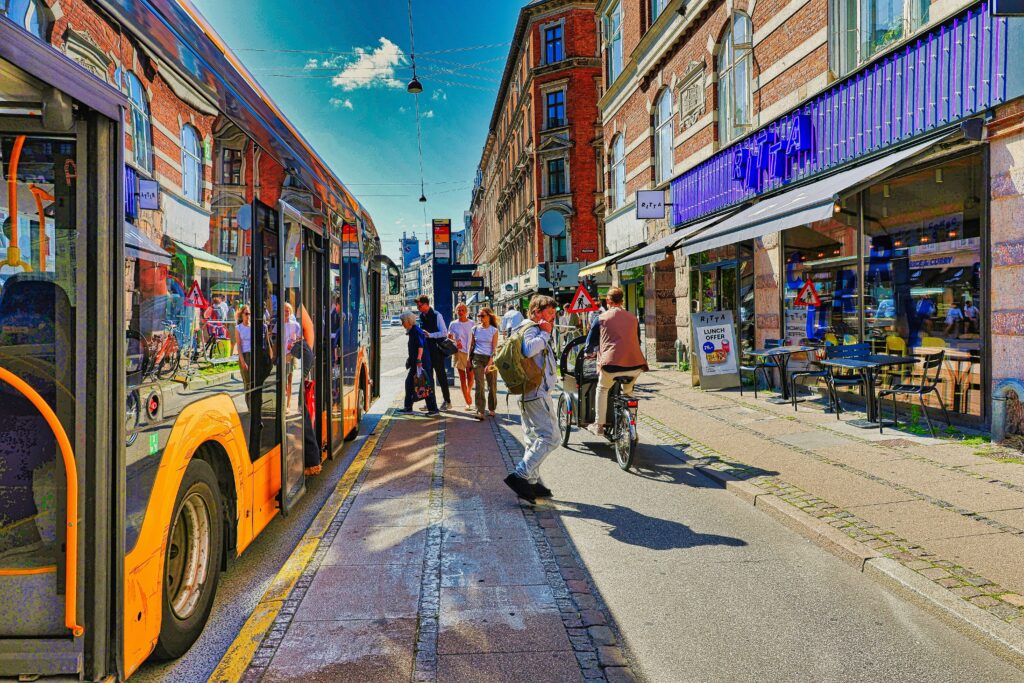
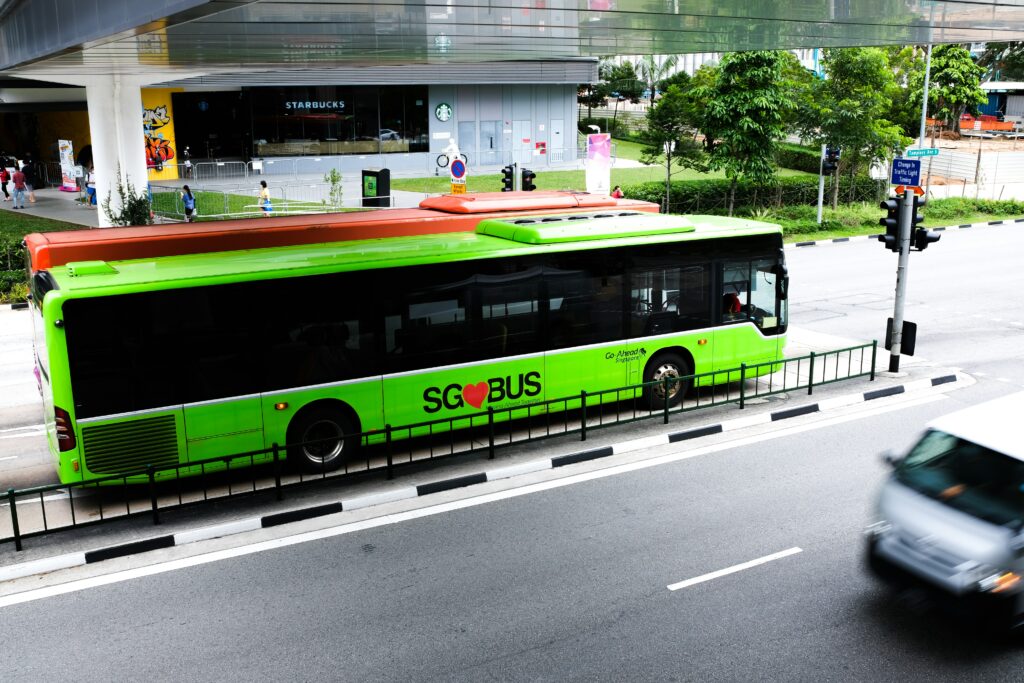
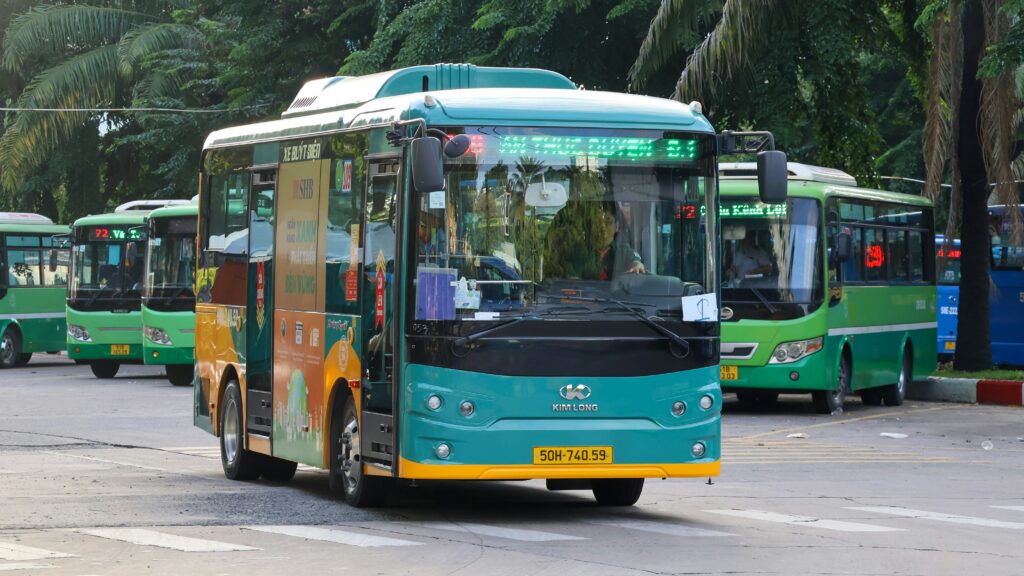
Sustainable Transportation: 10 Ways Cities Can Go Green As cities around the globe face unprecedented challenges from climate change, air pollution, and urban congestion, the shift towards sustainable transportation is more critical than ever. Sustainable transportation not only alleviates environmental issues but also promotes healthier living and economic resilience. In this article, we will explore 10 innovative ways cities can implement green mobility strategies, fostering low-carbon transport, and enhancing urban transit systems. 1. Expand Public Transportation Options A robust public transportation system is fundamental to sustainable transportation in urban areas. By investing in buses, subways, and trams, cities can offer viable alternatives to individual car use. An efficient public transit network reduces traffic congestion, minimizes greenhouse gas emissions, and gives residents affordable mobility options. Benefits of Expanding Public Transportation – Lower carbon emissions – Reduced traffic congestion – Increased accessibility for all residents 2. Promote Electric Vehicles (EVs) Transitioning to electric vehicles is a vital step towards achieving low-carbon transport. Cities can create incentives for EV purchases, such as tax rebates and subsidies, and invest in charging infrastructure. Integrating EVs into public transport fleets can further enhance their positive impact on urban mobility. Advantages of Electric Vehicles – Zero tailpipe emissions – Lower operating costs compared to traditional vehicles – Reduced noise pollution 3. Embrace Cycling and Walking Encouraging eco-friendly commuting through cycling and walking can drastically decrease reliance on motor vehicles. Cities can achieve this by developing dedicated bike lanes, pedestrian-friendly sidewalks, and safe crossing points. Providing bike-sharing programs can also promote cycling among residents who may not own bikes. Key Elements for Cycling and Walking Initiatives – Safe cycling infrastructure – Public awareness campaigns – Maintenance of pathways 4. Implement Flexible Work Arrangements Flexible work policies, such as remote work or staggered shifts, can reduce traffic peak times and help lower overall commuting emissions. Cities can collaborate with businesses to adopt such measures, enhancing employee satisfaction while promoting sustainable transportation. Work Flexibility Benefits – Decreased congestion during peak hours – Enhanced work-life balance for employees – Reduced office-related commuting emissions 5. Invest in Smart Traffic Management Systems Utilizing technology such as smart traffic management systems can enhance the flow of urban transit. By optimizing traffic signals and integrating real-time data, cities can reduce wait times, minimize idling, and lower vehicle emissions. Benefits of Smart Traffic Management – Improved traffic flow – Reduced fuel consumption – Enhanced road safety 6. Support Car-Free Zones Establishing car-free zones in bustling city centers can promote pedestrian activity and create a vibrant urban atmosphere. These zones not only reduce air pollution but also encourage local businesses and enhance community interaction. Advantages of Car-Free Zones – Increased foot traffic for local shops – Improved air quality – Enhanced public safety 7. Foster Multimodal Transportation Solutions Integrating various forms of transport, such as buses, trains, bicycles, and rideshares, creates a seamless travel experience. Cities should promote multimodal transportation options through unified ticketing systems and coordinated schedules to facilitate easy transfers. Benefits of Multimodal Systems – Increased travel options for residents – Reduced dependence on personal vehicles – Improved overall transit efficiency 8. Enhance Urban Planning for Sustainability Sustainable urban planning is pivotal in laying the groundwork for future green mobility. City planners should focus on mixed-use developments, thereby reducing travel distances and encouraging more walking and cycling. Accessible public spaces and amenities should be strategically located to promote vibrant and sustainable communities. Essential Aspects of Sustainable Urban Planning – Mixed-use development practices – Integration of green spaces – Focus on public transport accessibility 9. Educate the Public on Sustainability Awareness programs about the benefits of sustainable transportation can motivate individuals to adopt greener commuting habits. Engaging the community through workshops, campaigns, and schools can foster a collective mindset towards eco-friendly practices. Importance of Public Education – Enhances community engagement – Informs residents about sustainability practices – Encourages participation in green programs 10. Incentivize Carpooling and Ridesharing Promoting carpooling and ridesharing can significantly decrease the number of vehicles on the road, which in turn lowers emissions and improves urban transit. Cities can facilitate this through designated carpool lanes and apps that connect carpoolers easily. Benefits of Carpooling Initiatives – Decrease in traffic congestion – Lower transportation costs for participants – Reduction in overall carbon footprint FAQ Section What is sustainable transportation? Sustainable transportation refers to modes of transport that have a minimal environmental impact and promote efficient use of resources. This often includes public transit, biking, walking, and electric vehicles. How can cities promote green mobility? Cities can promote green mobility through policies encouraging public transportation, investing in bike infrastructure, implementing carpool programs, and educating the public on sustainability. What are the benefits of electric vehicles? Electric vehicles contribute to lower greenhouse gas emissions, reduced fuel costs for drivers, and decreased air and noise pollution. How do car-free zones benefit cities? Car-free zones can improve air quality, enhance the shopping and dining experience for residents and tourists, and promote healthier lifestyles through walking and biking. What role does urban planning play in sustainable transportation? Sustainable urban planning ensures that communities are designed with efficient transportation systems in mind, minimizing the need for car dependency and promoting mixed-use spaces that enhance accessibility for all. Conclusion In conclusion, transitioning to sustainable transportation is essential for creating greener, healthier, and more livable urban environments. By implementing strategic initiatives such as expanding public transit, promoting electric vehicles, and fostering multimodal transportation, cities can reduce their carbon footprint while enhancing the quality of life for residents. Collective participation and commitment from city officials, businesses, and community members will be vital in driving this necessary transformation towards eco-friendly commuting. With these strategies, we can pave the way for a sustainable future. See weather forecasthttps://garden.org/
Sustainable Transportation: 10 Ways Cities Can Go Green Read More »