Modern Farming Techniques

Discover modern farming techniques, including precision agriculture, smart farming tools, automation, and data-driven agricultural practices.

Sustainable Agriculture

What Are Some Modern Farming Techniques Used in Sustainable Agriculture?

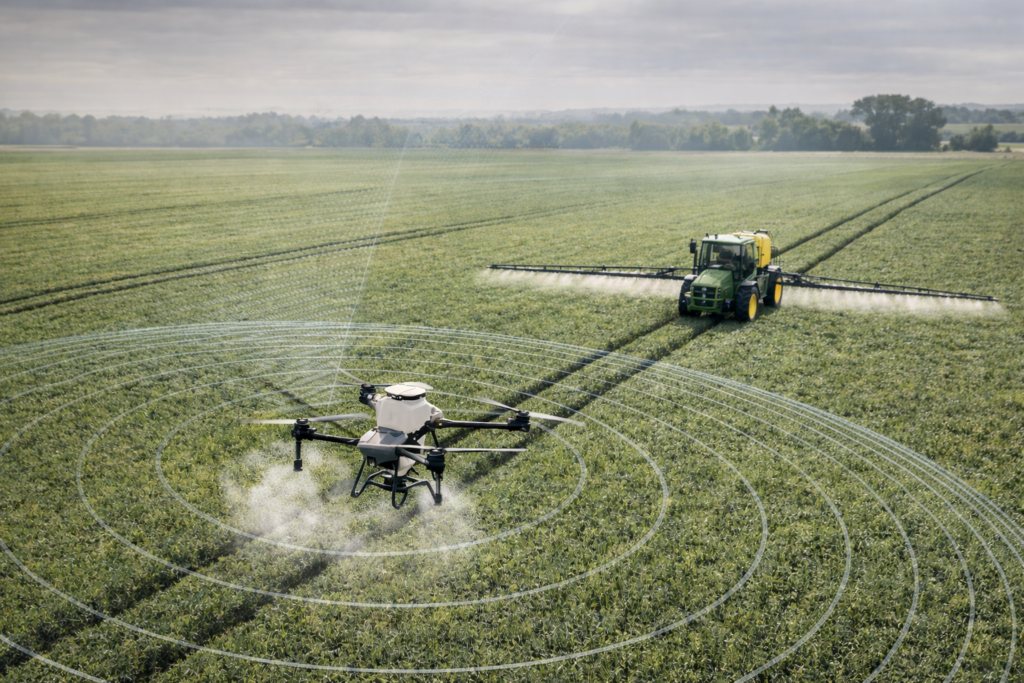
What Are Some Modern Farming Techniques Used in Sustainable Agriculture? In recent years, the world has witnessed a growing emphasis on sustainability in agriculture. The question what are some modern farming techniques used in sustainable agriculture has gained significant attention as farmers, researchers, and policymakers seek ways to balance increased modern food production with environmental stewardship. This article explores a variety of sustainable farming methods and eco friendly agriculture practices that incorporate advanced crop systems and innovative technologies to promote green farming while ensuring long-term productivity. Understanding Sustainable Farming Sustainable farming is an overarching concept that integrates environmental health, economic profitability, and social and economic equity. It’s a holistic approach designed to produce food while conserving resources such as water, soil, and biodiversity. By adopting sustainable practices, farmers can reduce their carbon footprint, mitigate climate change impacts, and support local communities. What Are Some Modern Farming Techniques for Sustainable Farming? Modern farming methods go beyond traditional approaches by using scientific advances, digital tools, and ecological practices. Below are some of the most notable modern farming techniques used in sustainable agriculture today. 1. Precision Agriculture Precision agriculture uses GPS, sensors, drones, and data analytics to optimize field-level management regarding crop farming. By collecting real-time data on soil conditions, moisture, nutrient levels, and pest presence, farmers can apply inputs like water, fertilizers, and pesticides more accurately and efficiently. Key benefits of precision agriculture include: – Reduced chemical use and environmental impact – Increased crop yields and quality – Efficient resource utilization 2. Crop Rotation and Polyculture Systems Instead of monocropping, sustainable farming embraces crop rotation—alternating different crops in the same field over time. This technique helps maintain soil fertility and disrupts pest cycles. Polyculture, or growing multiple crops in the same space, mimics natural ecosystems and promotes biodiversity. Both crop rotation and polyculture promote: – Soil health improvement – Pest and disease management – Enhanced resilience to climate stress 3. Conservation Tillage Conservation tillage involves minimal disturbance of the soil during planting. Unlike conventional tillage that can erode topsoil and reduce organic matter, conservation tillage practices such as no-till or strip-till maintain soil structure, protect microbial life, and improve water retention. 4. Agroforestry Agroforestry integrates trees and shrubs into crop and livestock systems. This eco friendly agriculture technique helps sequester carbon, reduce erosion, provide shade, and create habitats for beneficial wildlife and pollinators. It also diversifies farm income and enhances ecosystem health. 5. Integrated Pest Management (IPM) IPM minimizes the use of chemical pesticides by combining biological, mechanical, cultural, and chemical tools in a strategic way to keep pest populations below harmful levels. This approach encourages natural pest predators, pest-resistant crop varieties, crop rotation, and selective pesticide application. 6. Vertical Farming and Controlled Environment Agriculture (CEA) Vertical farming is a revolutionary advanced crop system that grows crops in vertically stacked layers, often indoors in controlled environments. Using hydroponics, aeroponics, or aquaponics, plants receive precise nutrients and light. Advantages include: – Year-round production regardless of climate – Significant water savings compared to traditional farming – Reduced land use and transportation emissions 7. Organic Farming Techniques Organic farming avoids synthetic fertilizers and pesticides, instead leveraging compost, green manure, crop rotation, and biological pest control. It emphasizes maintaining soil health, biodiversity, and ecological balance — key elements of green farming. 8. Use of Biotechnology and Genetically Modified Organisms (GMOs) While controversial, biotechnology offers tools for developing crop varieties that are drought-resistant, pest-resistant, or nutrient-enhanced. When managed responsibly, such technologies can contribute to sustainable agriculture by improving crop yields with fewer inputs. Comparison of Key Modern Farming Techniques Comparison of Modern Farming Techniques Used in Sustainable Agriculture Comparison Factor Precision Agriculture Crop Rotation & Polyculture Conservation Tillage Agroforestry Integrated Pest Management (IPM) Vertical Farming Organic Farming Primary Goal Optimize input use via data Soil fertility and pest control Soil preservation & water retention Biodiversity and carbon sequestration Reduce pesticide usage Maximize space and resource use Natural inputs and ecological balance Environmental Impact Low, due to targeted inputs High positive, improves ecosystems Low, protects soil structure Highly positive, supports multiple species Low, reduces chemicals Low, controlled environment High positive, avoids chemicals Resource Efficiency Very high Moderate High Moderate Moderate Very high Moderate Technology Requirement High Low Low Low to moderate Moderate High Low Suitability for Urban Areas Limited Limited Limited Limited Limited Excellent Limited Integrating Modern Farming Techniques to Achieve Sustainable Outcomes Combining multiple techniques amplifies the benefits of sustainable farming. For example, a farm can implement precision agriculture alongside IPM, crop rotation, and conservation tillage for comprehensive resource efficiency and ecosystem support. Urban farms can adopt vertical farming and organic methods to provide fresh, healthy produce with a small footprint. The Role of Technology in Modern Food Production Advancements in sensors, artificial intelligence, robotics, and biotechnology continue to revolutionize how farmers manage their lands. These innovations enable detailed monitoring of plant health, soil nutrients, weather patterns, and pest populations, leading to smarter decisions and less waste. Modern food production through sustainable farming methods is therefore a convergence of tradition and innovation — combining age-old ecological principles with state-of-the-art technology. Challenges in Implementing Modern Farming Techniques – High Initial Investment: Technologies like drones, sensors, and vertical farming systems require upfront capital. – Knowledge Gap: Skilled labor and training are essential to maximize technology benefits. – Infrastructure Limitations: Especially in rural or underdeveloped regions where internet and electricity may be poor. – Regulatory and Market Barriers: Especially for GMOs or organic certifications. Despite these challenges, increased awareness and government support programs are gradually facilitating broader adoption of green farming strategies. Frequently Asked Questions (FAQ) Q1: What are some modern farming techniques used in sustainable agriculture? Modern farming techniques include precision agriculture, crop rotation, conservation tillage, agroforestry, integrated pest management, vertical farming, organic farming, and biotechnology applications. Q2: How does precision agriculture support eco friendly agriculture? Precision agriculture reduces waste and environmental impact by applying water, fertilizers, and pesticides only where and when needed, based on detailed data and monitoring. Q3: Can vertical farming be considered a sustainable

What Are Some Modern Farming Techniques Used in Sustainable Agriculture? Read More »
Modern Farming Techniques in India

Modern Farming Techniques in India: Methods, Benefits, and Challenges

Modern Farming Techniques in India: Methods, Benefits, and Challenges The agricultural landscape in India is undergoing a remarkable transformation, driven largely by the adoption of modern farming techniques in India. These innovations are reshaping Indian farming systems by integrating advanced tools, technologies, and sustainable practices that are helping farmers maximize productivity while minimizing environmental impacts. This blog dives deep into these modern practices, explores the benefits they bring, and addresses the challenges hindering widespread implementation. Introduction to Modern Farming Techniques in India Indian agriculture has traditionally depended on conventional methods that, while effective for centuries, have struggled to keep pace with rising demand and environmental concerns. The push toward Indian agriculture technology and advanced farming India initiatives is designed to revolutionize farming by improving yields, increasing resource efficiency, and promoting sustainable agriculture. With the increasing pressure of climate change, fluctuating weather patterns, and the need for food security, Indian farmers are turning to smart agriculture India solutions. These include cutting-edge technologies such as precision farming, drip irrigation, mechanization, and biotechnology. Overview of Modern Farming Techniques in India Modern farming techniques encompass a wide range of methods optimized for higher efficiency, sustainability, and resilience. Some of the prominent approaches include: – Precision Agriculture – Drip and Sprinkler Irrigation – Use of High-Yield Variety (HYV) Seeds – Integrated Pest Management (IPM) – Mechanization – Organic Farming and Sustainable Practices – Hydroponics and Vertical Farming – Use of Drones and IoT (Internet of Things) in Farming Each of these methods contributes uniquely to enhancing productivity while conserving inputs like water, fertilizers, and energy. Precision Agriculture: The Future of Smart Agriculture India Precision agriculture involves the use of GPS, satellite imagery, and soil sensors to monitor crop and soil health in real-time. This allows farmers to apply inputs precisely where needed, significantly reducing wastage. GPS-guided tractors, variable rate fertilizer applications, and real-time crop monitoring help Indian farmers improve yields and reduce environmental footprint. Efficient Water Management: Drip and Sprinkler Irrigation India faces acute water scarcity in many regions, making efficient irrigation technologies critical. Drip and sprinkler irrigation systems enable precise water delivery directly to the plant roots, avoiding wastage from evaporation or runoff. These methods contribute to conserving water and improving crop productivity, especially in arid and semi-arid zones. High-Yield Variety Seeds and Biotechnology The introduction of High-Yield Variety (HYV) seeds has been a cornerstone of India’s agricultural revolution since the Green Revolution. Today, advanced biotechnology has supplemented HYV seeds with genetically improved varieties that are pest-resistant, drought-tolerant, and have improved nutritional profiles. These seeds empower Indian farmers to achieve higher production with fewer inputs. Integrated Pest Management (IPM) for Sustainable Protection Pests and diseases cause significant yield losses. Integrated Pest Management (IPM) employs a combination of biological controls, chemical applications, and cultural practices to manage pest populations sustainably. IPM reduces reliance on chemical pesticides, minimizing harm to ecosystems and human health. Mechanization: Enhancing Efficiency in Indian Farming Systems Mechanization, including tractors, harvesters, and seed drills, has become essential for increasing the scale and speed of farming operations. Small and medium-scale farmers are progressively adopting mechanized tools to reduce labor dependency and improve timeliness in sowing and harvesting. Organic Farming and Sustainable Agriculture A growing awareness of environmental health is promoting organic farming and sustainable practices. Crop rotation, green manures, and bio-fertilizers are being integrated with modern crop methods to maintain soil fertility and reduce chemical use. Cutting-edge Innovations: Hydroponics and Vertical Farming Hydroponics and vertical farming represent futuristic farming techniques gaining momentum in India’s urban agriculture sector. These methods use nutrient-rich water solutions or stacked layers to grow crops without soil, optimizing space and resources and enabling year-round production. Role of Drones and IoT in Modern Farming Techniques in India Digital technologies such as drones and Internet of Things (IoT) devices are now widely utilized for crop health monitoring, soil analysis, and automated irrigation systems. Real-time data assists farmers in making informed decisions, ensuring optimal crop management. Benefits of Modern Farming Techniques in India The adoption of modern farming methods offers numerous advantages: – Increased crop yields and farm profitability – Efficient utilization of water and fertilizers – Reduced environmental impact due to sustainable practices – Enhanced resistance to climate variability – Timely operations due to mechanization – Better pest and disease management These benefits contribute directly to food security and rural development in India. Challenges Faced in Implementing Modern Farming Techniques Despite their advantages, several challenges limit the widespread adoption of these modern methods in Indian agriculture: – High initial investment costs and lack of easy credit options – Limited awareness and training among smallholder farmers – Inadequate access to modern technology in remote areas – Fragmented land holdings affecting mechanization efficiency – Infrastructure gaps such as poor rural electrification and storage facilities – Resistance to change from traditional farming practices Addressing these issues through supportive government policies, extension services, and rural infrastructure development is critical. Modern Farming Techniques vs Traditional Indian Farming Systems Below is a detailed comparison showcasing differences between modern farming techniques and traditional Indian farming systems: Indian Government Initiatives Supporting Modern Farming Techniques Several government programs promote the adoption of modern farming techniques in India, such as: – Soil Health Card Scheme – Offering farmers data on soil nutrients for precise fertilizer use – Pradhan Mantri Krishi Sinchayee Yojana (PMKSY) – Focused on efficient irrigation techniques – National Mission on Sustainable Agriculture (NMSA) – Encouraging climate-resilient farming – Kisan Rath Mobile App – Facilitates transportation of farm produce – Subsidies for machinery and drip irrigation installation These initiatives aim to bridge the gap between traditional agriculture and advanced technology. Future Prospects: The Rise of Smart Agriculture India Looking ahead, the integration of artificial intelligence, big data analytics, and robotics is expected to take smart agriculture India to new heights. The future farming ecosystem will be data-driven, resource-efficient, and more adaptable to changing climatic conditions, ensuring better livelihoods for Indian farmers. Frequently Asked Questions (FAQs) Q1: What are the key modern farming techniques used in India? A1: Key

Modern Farming Techniques in India: Methods, Benefits, and Challenges Read More »

Global Food Security

Why Are Modern Farming Techniques Important for Global Food Security?

Why Are Modern Farming Techniques Important for Global Food Security? As the world’s population continues to rise exponentially, ensuring a stable and reliable food supply has become more challenging than ever. Addressing why are modern farming techniques essential requires a deep dive into their role in enhancing food security, improving agricultural efficiency, and overcoming persistent global agriculture challenges. This blog explores how innovative approaches to farming provide solutions to these pressing issues while promoting a sustainable food supply for generations to come. Understanding Global Food Security Food security means that all people, at all times, have physical and economic access to sufficient, safe, and nutritious food to meet their dietary needs. With population growth farming demands are soaring, putting unprecedented pressure on both the quantity and quality of food production. The Food and Agriculture Organization (FAO) estimates that global food production must increase by about 70% by 2050 to feed nearly 10 billion people. Unfortunately, traditional farming methods alone are no longer adequate to meet this surge. Challenges such as limited arable land, climate change, resource depletion, and soil degradation prevent consistent yield growth. This is precisely where why are modern farming techniques implemented is critical—to bridge this growing gap between supply and demand. The Role of Modern Farming Techniques in Agriculture Modern farming techniques encompass a range of innovative practices that optimize the use of resources, reduce waste, and dramatically increase productivity. These practices integrate advanced technologies, science, and sustainable approaches to cultivate crops more efficiently and protect the environment. Here are the key reasons why are modern farming techniques vital in achieving food security: Increased Agricultural Efficiency Advancements like precision agriculture, mechanization, and genetically modified crops enable farmers to produce more per acre than ever before. By using data-driven insights, farmers can apply water, fertilizers, and pesticides more precisely and only when necessary, reducing cost and environmental impact. Sustainable Food Supply Sustainability is at the heart of modern farming. Techniques such as conservation tillage, crop rotation, and organic fertilization maintain soil health, conserve water, and limit chemical runoff. This ensures that farming remains productive without degrading the land for future use. Climate Resilience Climate change poses a huge threat to global food production. Modern farming incorporates drought-resistant crop varieties, advanced irrigation methods, and real-time weather monitoring to help farms adapt and maintain productivity under unpredictable conditions. Efficient Labor and Resource Use With the global labor force in agriculture shrinking, automation and robotics reduce the dependency on human labor, ensuring year-round farming activities. Efficient resource use translates into less waste and lower operational costs, making farming more profitable and viable. Key Modern Farming Techniques Explained Precision Agriculture Precision agriculture relies on GPS, satellite imagery, IoT sensors, and big data analytics to monitor crop health, soil conditions, and weather patterns at a granular level. This targeted management improves yields while minimizing waste. Vertical Farming and Urban Agriculture These techniques maximize space by growing food indoors in stacked layers or urban settings. Vertical farming uses controlled environment agriculture (CEA) to optimize temperature, light, and nutrients, enabling year-round production irrespective of external weather. Genetic Modification and Biotechnology GMOs and bioengineered crops resist pests and diseases or tolerate harsh environmental conditions. This reduces the need for chemical pesticides and enhances overall productivity. Conservation Agriculture By minimizing soil disturbance and maintaining soil cover with crop residues or cover crops, conservation agriculture helps preserve soil structure, retain moisture, and offer habitat for beneficial organisms. Automated Machinery and Robotics From self-driving tractors to robotic harvesters, automation accelerates farming operations, reduces human error, and cuts labor costs. Global Agriculture Challenges Addressed by Modern Farming Population Growth Farming Demands The biggest pressure on farming is the need to feed a rapidly growing population. Today, many farmers are tasked with producing more food on less land with fewer resources. Modern methods ensure that every inch of available land is efficiently utilized for maximum output. Limiting Environmental Degradation Traditional farming sometimes leads to soil erosion, nutrient depletion, and water pollution. Modern sustainable techniques counter these effects, protecting ecosystems while maintaining production. Resisting Climate Volatility Sudden droughts, floods, and temperature extremes disrupt traditional farming cycles. Modern farming technologies provide flexibility and adaptation tools to mitigate yield losses. Reducing Post-Harvest Losses Advanced storage, processing, and transport innovations ensure that more of the harvested food reaches consumers, reducing waste and improving food security. Comparison of Traditional Farming vs. Modern Farming Techniques Comparison of Traditional Farming and Modern Farming Techniques Comparison Factor Traditional Farming Modern Farming Techniques Resource Usage Often inefficient with water, fertilizers, and pesticides Optimized through precision application and technology Crop Yield Lower yields due to limited inputs and pest control Higher yields via genetically improved seeds and management Environmental Impact Can cause soil degradation and pollution Focuses on sustainability and conservation practices Labor Intensity High manual labor requirement Increased use of automation and robotics Climate Adaptability Limited tools to combat climate extremes Use of climate-resilient crops and predictive monitoring Production Consistency Variable and weather-dependent More consistent through controlled environments and tech The Future of Farming: Embracing Technology for Sustainable Farming The integration of Artificial Intelligence, blockchain for supply chain transparency, and renewable energy in agriculture is transforming the sector beyond recognition. Modern farming techniques are constantly evolving, and their adoption will become indispensable to ensuring global food security. FAQ Q1: Why are modern farming techniques necessary instead of traditional farming? Modern farming techniques boost agricultural efficiency, increase yields, use resources sustainably, and help adapt to climate challenges, which traditional methods struggle to address effectively under rising population pressures. Q2: How do modern farming techniques contribute to food security? They increase the quantity and quality of food produced while ensuring the land remains productive for future generations, hence securing a steady, sustainable food supply. Q3: Are modern farming techniques environmentally friendly? Many modern techniques prioritize sustainability by reducing chemical usage, conserving water, and promoting biodiversity, thus protecting the environment while maintaining productivity. Q4: Can small-scale farmers benefit from modern farming techniques? Yes, scalable technologies like mobile apps for weather forecasts, low-cost

Why Are Modern Farming Techniques Important for Global Food Security? Read More »

Smart Irrigation Systems in Modern Farming Techniques

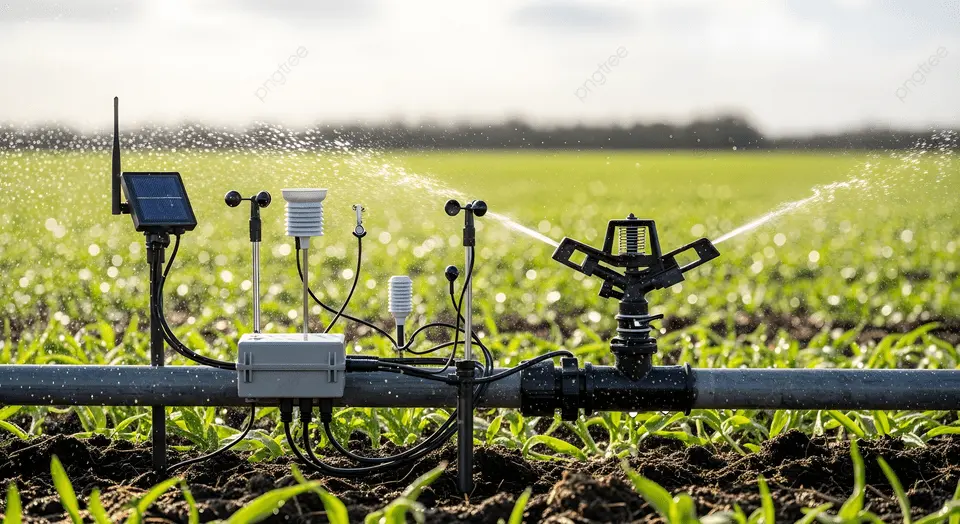
Smart Irrigation Systems in Modern Farming Techniques In the evolving world of agriculture, adopting modern farming techniques is the key to achieving sustainability and maximizing output. Among these techniques, smart irrigation systems play a pivotal role in enhancing water management agriculture, improving farming water efficiency, and ensuring crop health with minimal resource wastage. This comprehensive guide explores how smart irrigation is transforming farming practices, integrating technologies like drip irrigation and precision irrigation to meet the demands of modern agriculture. Understanding Modern Farming Techniques Modern farming techniques encompass a wide range of innovative methods designed to improve agricultural productivity while minimizing environmental impact. These techniques leverage technology, data analysis, and sustainable practices to optimize resource use, boost crop yields, and ensure long-term soil health. One of the primary challenges in agriculture is efficient water use, as water scarcity continues to rise globally. This is where smart irrigation systems become crucial in revolutionizing how farmers approach water application, helping them manage crops with precision and sustainability. What Are Smart Irrigation Systems? Smart irrigation systems use advanced sensors, weather data, and automated controls to deliver the right amount of water to crops at the right time. Unlike traditional irrigation methods that apply water uniformly regardless of soil moisture or weather conditions, smart systems adapt irrigation schedules, optimizing water usage, reducing waste, and enhancing crop growth. Key features of smart irrigation include: – Soil moisture sensors to detect water levels – Weather forecasting integration for anticipating rainfall – Remote monitoring and control via mobile apps or controllers – Variable rate irrigation to deliver specific water requirements based on crop types and soil conditions By incorporating these features, farmers achieve higher farming water efficiency, critical in areas affected by drought or limited water availability. The Role of Smart Irrigation in Water Management Agriculture Water management agriculture focuses on the strategic use and conservation of water resources for crop production. Efficient water use is vital not only to reduce costs but also to protect the environment. Through smart irrigation, farmers can: – Monitor real-time water needs of crops – Increase crop quality and yield by preventing under or overwatering – Lower energy consumption associated with pumping and water distribution – Avoid runoff and soil erosion caused by excessive watering This level of control aligns perfectly with the goals of sustainable farming, ensuring that water is used responsibly while meeting agricultural demands. Popular Smart Irrigation Techniques in Modern Farming Drip Irrigation One of the most well-known modern irrigation methods is drip irrigation. This technique involves delivering water directly to the plant’s roots through a network of tubes and emitters. When combined with smart sensors, drip irrigation maximizes water use efficiency by applying water only where it is needed. Benefits of drip irrigation include: – Reduced water consumption compared to surface or sprinkler irrigation – Minimized evaporation losses – Improved nutrient management when fertilizers are applied through irrigation – Better control over soil moisture levels Precision Irrigation Precision irrigation incorporates data analytics and geographic information systems (GIS) to create detailed irrigation maps. This method considers soil variability, crop type, and topography to optimize water application precisely. It uses technologies such as: – Satellite and drone imaging – Soil and weather sensors – Variable rate irrigation machinery Precision irrigation improves farming water efficiency and increases yields by tailoring water use to specific field conditions, ensuring every part of the farm receives exactly what it needs. Combining Drip and Precision Irrigation Many modern farms combine drip irrigation with precision irrigation technologies to harness the best of both worlds. This integration makes irrigation smarter, more efficient, and environmentally sustainable. Benefits of Smart Irrigation in Modern Farming Techniques Implementing smart irrigation offers multiple advantages within modern farming techniques: 1. Enhanced Water Conservation: Optimizes water use and reduces wastage, critical in regions facing water scarcity. 2. Improved Crop Yields: Adequate and timely watering ensures healthy crop growth and increases productivity. 3. Cost Savings: Lower water and energy consumption lead to reduced operational costs. 4. Real-Time Monitoring: Ability to monitor soil and weather conditions remotely enables timely adjustments. 5. Sustainability: Promotes responsible use of natural resources aligning with sustainable farming initiatives. 6. Labor Efficiency: Automation reduces the need for manual watering, saving labor time and expenses. 7. Data-Driven Decisions: Provides valuable data to make informed farming decisions beyond irrigation. Challenges and Considerations for Smart Irrigation Adoption Despite its advantages, smart irrigation does have some challenges: – Initial Investment: High upfront costs for equipment and technology integration. – Technical Expertise: Farmers need training to operate and maintain smart irrigation systems effectively. – Infrastructure: Requires reliable power sources and internet connectivity for remote monitoring. – Customization: Systems need to be tailored to specific crops, soil types, and climate conditions. Addressing these concerns through education, subsidies, and technological advancements will accelerate the adoption of smart irrigation as a standard element in modern farming. Case Studies: Smart Irrigation Success Stories Case Study 1: Vineyard in California A vineyard in California implemented a combination of drip irrigation and precision irrigation sensors to monitor soil moisture and weather data. By adjusting irrigation schedules automatically, the farm cut water usage by 35% and increased grape yield by 20%, demonstrating the effectiveness of smart irrigation in a water-stressed region. Case Study 2: Rice Fields in India Farmers in India deployed smart irrigation controllers connected to soil moisture sensors. This adoption led to optimized water distribution that reduced irrigation frequency by 40%, saving water while maintaining crop health and boosting productivity. Integrating Smart Irrigation with Other Modern Farming Techniques Smart irrigation is a crucial component of the larger sustainable agriculture ecosystem. It works well in synergy with other modern farming techniques: – Soil Health Monitoring: Combined data helps better understand nutrient and water needs. – Crop Rotation and Polyculture: Smart watering supports diverse crop patterns by adjusting to different crop water requirements. – Integrated Pest Management (IPM): Proper moisture levels reduce pest outbreaks. – Renewable Energy: Solar-powered smart irrigation systems reduce the carbon footprint further. Together, these techniques promote a resilient, efficient,

Smart Irrigation Systems in Modern Farming Techniques Read More »

Drones in Modern Farming

Use of Drones in Modern Farming Techniques for Crop Monitoring

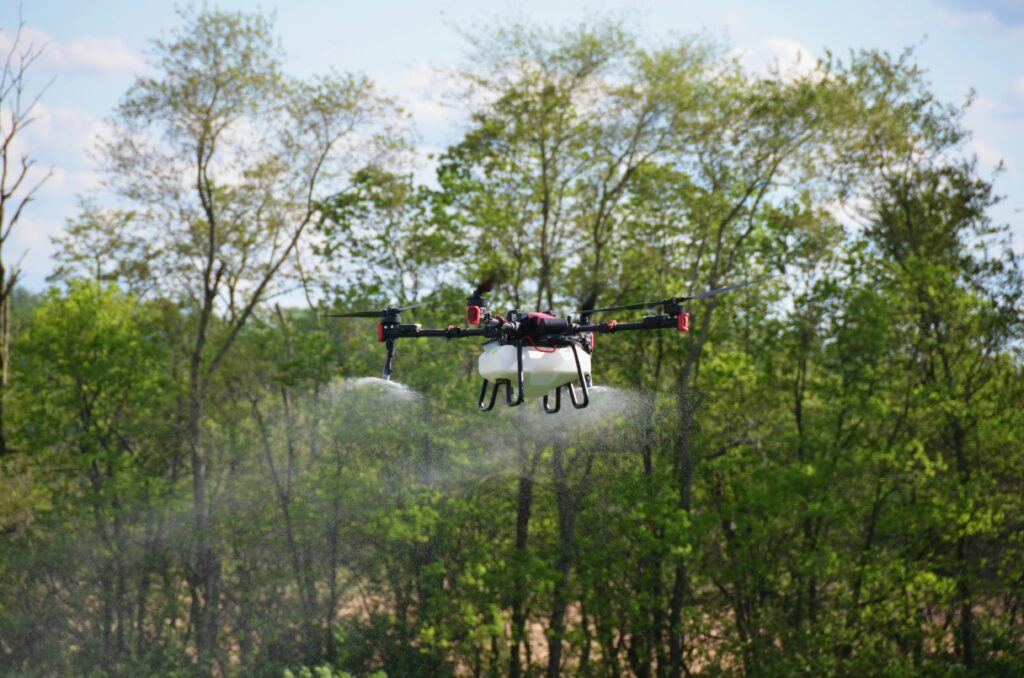
Use of Drones in Modern Farming Techniques for Crop Monitoring In recent years, modern farming techniques have undergone a remarkable transformation, with technology playing a pivotal role in optimizing agricultural outputs while promoting sustainability. Among these innovations, the use of agricultural drones has emerged as a game-changer in crop monitoring and farm management. This blog explores how drones are integrated into crop monitoring technology, how they enhance precision farming tools, and their broader impact on smart agriculture and farm surveillance within the sphere of sustainable farming. The Evolution of Modern Farming Techniques Before the adoption of modern technologies, traditional farming methods relied heavily on manual labor, intuition, and experience for crop monitoring and management. However, with the rising global demand for food and increasing pressures of environmental sustainability, farmers and agribusinesses are turning to advanced tools and techniques to maximize efficiency and productivity. Modern farming techniques blend agronomic science with technological innovation, leading to a new era termed smart agriculture. This approach incorporates data-driven practices, automation, and remote sensing technologies—among which drones stand out for their versatility and impact. How Agricultural Drones Enhance Crop Monitoring Technology What Are Agricultural Drones? Agricultural drones are unmanned aerial vehicles (UAVs) equipped with specialized sensors, cameras, and software platforms tailored for farming applications. These drones provide real-time aerial imagery, multispectral data, and environmental metrics, enabling farmers to monitor crops more accurately than ever before. Benefits of Using Drones for Crop Monitoring 1. High-Resolution Imaging Drones capture high-definition images and videos that reveal crop health, pest infestations, and irrigation issues. This level of detail provides insights impossible to gather through ground-level inspections. 2. Efficient Data Collection Covering large fields within minutes, drones save enormous amounts of time compared to manual scouting. This efficiency translates to timely interventions, reducing crop losses. 3. Multispectral and Thermal Sensing These advanced sensors detect variations in plant health invisible to the naked eye, such as NADPH activity and water stress, improving decision-making regarding fertilization, irrigation, and pest control. 4. Real-Time Monitoring and Reporting Integrated software platforms allow for live dashboards, remote access, and automated report generation that help farmers keep track of field conditions anytime, anywhere. Precision Farming Tools Powered by Drones Precision farming relies on accurate data to optimize agricultural inputs—seeds, water, fertilizers, and pesticides—tailored specifically to field variability. Drones act as critical tools by providing precise field maps and insights that guide: – Variable Rate Application (VRA) to reduce waste – Identification of underperforming zones within a field – Early detection of diseases or weeds – Soil condition assessments through aerial surveys The Link Between Drones and Smart Agriculture Smart agriculture integrates IoT sensors, AI algorithms, automated equipment, and drones into a cohesive ecosystem. Drones enhance this system by providing comprehensive aerial data streams that feed into farm management systems, creating dynamic feedback loops to optimize outputs sustainably. The Role of Farm Surveillance in Sustainable Farming Effective farm surveillance using drones improves crop security, deters theft and vandalism, and enables monitoring of grazing livestock and fences. Beyond security, surveillance also plays a role in environmental stewardship by monitoring soil erosion, detecting unauthorized land use, and tracking wildlife interactions. Advantages of Integrating Farm Surveillance with Crop Monitoring – Real-time alerts for security breaches or unusual activity – Condition monitoring of critical infrastructure like irrigation systems – Ability to perform inspections without disrupting farm operations – Reduced labor costs associated with manual patrolling Challenges and Considerations in Using Drones for Modern Farming While drones offer numerous benefits, farmers must consider challenges such as regulatory restrictions, initial investment costs, skill requirements to operate and interpret data, and weather dependency. Despite these hurdles, many agricultural enterprises find their long-term advantages significantly outweigh the initial barriers. Key Factors to Evaluate Before Implementing Drone Technology: – Compliance with local aviation regulations – Training needs for drone pilots and data analysts – Integration compatibility with existing farm management software – Maintenance and operational costs Benefits Comparison Between Traditional and Drone-Assisted Crop Monitoring Comparison of Traditional Crop Monitoring Vs. Drone-Assisted Crop Monitoring Comparison Factor Traditional Crop Monitoring Drone-Assisted Crop Monitoring Speed of Data Collection Slow; requires manual scouting over large areas Fast; covers extensive fields in minutes Data Accuracy Limited to visual inspection and sampling High-resolution imaging with multispectral data Labor Requirements High; intensive workforce needed Low; automated flight and data capture Cost Efficiency Lower upfront cost, higher ongoing labor costs Higher initial cost, lower operational costs over time Environmental Impact May require more inputs due to less precise data Supports sustainability by optimizing input use Future Trends in Drone Use for Modern Farming Techniques Technology continues to evolve rapidly. Future drones will likely incorporate enhanced AI capabilities for autonomous decision-making, improved battery life for longer flight times, and advanced sensors to analyze more variables such as soil microbiomes and nutrient levels. Additionally, drone swarms and integration with satellite imagery and ground sensor networks will help create a holistic and highly granular picture of farm health. FAQs About Use of Drones in Modern Farming Techniques Q1: Are agricultural drones suitable for all types of crops? Yes, drones are versatile and can be used in a wide range of crops including cereals, fruits, vegetables, and even vineyards, adapting monitoring methods accordingly. Q2: How do drones contribute to sustainability in farming? By providing precise data, drones help reduce the overuse of water, fertilizers, and pesticides, minimizing environmental impact and promoting sustainable farming practices. Q3: What kind of regulations exist for drone use in agriculture? Regulations vary by country but typically involve pilot certification, flight permissions, altitude limits, and privacy considerations. Farmers should consult local authorities or aviation agencies. Q4: Can small-scale farmers afford drone technology? While initial costs can be high, prices are decreasing as technologies mature, and many smallholders also access drone services on a rental or subscription basis, making it more affordable. Q5: How often should drones be used for crop monitoring? The frequency depends on crop type, growth stages, and specific monitoring goals, but common practice ranges from weekly to bi-weekly flights during critical

Use of Drones in Modern Farming Techniques for Crop Monitoring Read More »

Modern Farming Techniques

Modern Farming Techniques That Reduce Labor and Increase Profit

Modern Farming Techniques That Reduce Labor and Increase Profit In today’s rapidly evolving agricultural landscape, modern farming techniques have become essential for optimizing productivity while reducing labor intensity. Farmers worldwide are seeking ways to improve farm efficiency and embrace labor saving agriculture strategies that not only save time but also contribute to profitable farming methods. This comprehensive guide explores how adopting the latest advancements in agriculture leads to cost effective farming with substantial modern agriculture benefits. Understanding Modern Farming Techniques Modern farming techniques refer to innovative tools, technologies, and cultivation practices that enhance agricultural output and sustainability. These methods leverage mechanization, digital tools, and scientific practices to optimize resource use, reduce physical workload, and increase profitability on farms of all scales. Unlike traditional farming which is often labor-intensive and less predictable, modern agriculture techniques incorporate precise data, machinery, and ecological best practices to transform farming into a highly efficient and profitable enterprise. Farmers benefit from reduced manual labor demands and better yields through techniques such as precision farming, automation, and integrated pest management. Key Modern Farming Techniques That Reduce Labor and Increase Profit 1. Precision Agriculture Precision agriculture uses GPS mapping, drones, sensors, and satellite imagery to monitor and manage crop growth. This approach allows farmers to apply water, fertilizers, and pesticides only where needed, reducing waste and labor costs. It optimizes inputs and enhances crop health, boosting overall profitability. 2. Automated Machinery and Robotics Automation in farming has revolutionized traditional labor tasks such as planting, irrigation, harvesting, and sorting. Robots and automated machines perform repetitive jobs efficiently, reducing the need for manual labor and allowing farmers to focus on strategic decisions. 3. Smart Irrigation Systems Water management is crucial for modern farms. Smart irrigation systems use soil moisture sensors and weather data to deliver the exact amount of water crops require. This reduces water waste, labor associated with manual irrigation, and increases crop productivity. 4. Controlled Environment Agriculture (CEA) CEA techniques, including greenhouse farming and vertical farming, provide controlled conditions for crop growth. This method reduces crop loss due to climate variability and pest damage, lowers labor for weeding and pest control, and significantly increases yield per square foot. 5. Integrated Pest Management (IPM) IPM employs a combination of biological, cultural, and chemical tools to manage pests effectively with minimal environmental impact. This technique lowers the dependence on manual pesticide application and promotes sustainable farming practices. 6. Soil Health Management Modern farming emphasizes maintaining soil health through crop rotation, cover cropping, and reduced tillage. Healthier soils support better yields, reduce labor for soil preparation, and minimize fertilizer use costs. Enhancing Farm Efficiency Through Modern Techniques One of the fundamental goals of adopting modern farming techniques is to improve farm efficiency. This includes maximizing output while minimizing input costs, labor hours, and material waste. The Role of Data Analytics in Farm Efficiency Data-driven farming utilizes sensors and farm management software to track crop performance, soil conditions, and input usage in real-time. Farmers can make informed decisions, such as when to plant or harvest, leading to better time management and resource allocation. Mechanization and Labor Saving Agriculture Farm mechanization replaces manual tasks with machines, drastically reducing human labor needs. From seed drills to automated tractors, mechanization ensures consistent work quality and speeds up farm operations—key elements of labor saving agriculture. Crop Diversification for Profitability Incorporating a mix of crop types reduces vulnerability to disease and market fluctuations while enhancing nutrient cycling. Diversified farms can generate multiple income streams, supporting profitable farming methods and overall farm sustainability. Cost Effective Farming Through Technology Implementing cost effective farming strategies helps farmers reduce production expenses without compromising yield quality. Technology plays a central role by decreasing reliance on costly, inefficient processes. Use of Renewable Energy Solar-powered irrigation pumps and biogas systems lower energy costs and improve environmental sustainability—a hallmark of modern agriculture benefits. These technologies reduce dependence on fossil fuels and help farmers save significantly over time. Seed Treatment and Genetics Improved seed varieties with enhanced resistance to pests and drought reduce the need for chemical treatments and extra irrigation. Though initial costs may be higher, these seeds contribute to long-term cost savings and higher profitability. Modern Agriculture Benefits for Sustainable Farming The shift towards modern farming techniques offers substantial benefits beyond immediate economic gains. With sustainability becoming a global priority, modern agriculture balances productivity and environmental stewardship. Reduced Environmental Footprint By using inputs judiciously, managing soil health, and adopting renewable energy, modern farmers minimize negative impacts on ecosystems. This results in cleaner water, improved biodiversity, and long-term land fertility. Enhanced Food Security Higher and more reliable crop yields contribute to global food security. Reduced labor barriers also make farming accessible to a broader demographic, promoting social sustainability. Economic Viability for Future Generations Profitable modern farming techniques enable farmers to reinvest in their operations, innovate further, and support community livelihoods for years to come. FAQ Section What are the best modern farming techniques for small-scale farmers? Small-scale farmers can benefit from affordable precision tools like soil sensors, drip irrigation systems, and mobile-based farm management apps. Techniques such as crop rotation and integrated pest management are also highly effective for sustainable growth. How do modern farming techniques reduce labor? Modern farming uses mechanized equipment, automated systems, and data-driven decision-making to reduce the need for repetitive manual work, thereby saving time and labor costs. Are modern farming techniques expensive to implement? While some technologies may require initial investment, many tools improve resource efficiency, reduce input costs, and increase yields, making them cost effective in the long term. Can modern farming techniques be environmentally sustainable? Yes, many modern approaches prioritize sustainability, including precision agriculture, renewable energy use, and soil conservation practices that protect the environment. How do modern farming techniques improve profitability? By optimizing input usage, reducing labor costs, increasing crop yields, and minimizing losses, modern farming techniques create a more profitable farming operation. Conclusion Adopting modern farming techniques is a game-changer for farmers looking to boost farm efficiency, reduce labor, and enhance profitability. These advanced methods

Modern Farming Techniques That Reduce Labor and Increase Profit Read More »

modern farming techniques

Disadvantages of Modern Farming Techniques You Should Know

Disadvantages of Modern Farming Techniques You Should Know Modern farming techniques have revolutionized agriculture, increasing productivity and feeding billions worldwide. However, despite the benefits, there remain significant farming drawbacks and modern agriculture problems that cannot be ignored. These issues affect the environment, soil health, biodiversity, and long-term agricultural sustainability. In understanding these challenges, farmers, policymakers, and consumers can move toward more sustainable solutions. In this in-depth article, we will explore the disadvantages of modern farming techniques, highlighting environmental risks, agriculture sustainability issues, and the broader farming challenges these methods pose. What Are Modern Farming Techniques? Modern farming techniques refer to the advanced methods and technologies used in agriculture to boost crop yields, improve efficiency, and reduce labor. These techniques include the extensive use of chemical fertilizers and pesticides, genetically modified crops, mechanization, monocropping, and irrigation technologies. While these practices have driven agricultural success, it is vital to recognize their limitations and adverse effects, especially from a sustainability and environmental perspective. Farming Drawbacks of Modern Farming Techniques 1. Soil Degradation and Loss of Fertility One of the most critical farming drawbacks associated with modern farming techniques is soil degradation. Intensive use of chemical fertilizers and monocropping exhausts soil nutrients. Over time, this diminishes soil fertility, leading to reduced crop yields and increased dependence on artificial inputs. Soil erosion is another consequence, worsened by heavy machinery and lack of crop rotation. This results in the loss of the fertile topsoil layer, which is essential for healthy plant growth. 2. Environmental Risks Due to Chemical Use The widespread use of chemical pesticides and herbicides presents significant environmental risks. These substances can contaminate water bodies through runoff, causing harm to aquatic life and water quality. Additionally, pesticide use has been linked to the decline in pollinator populations such as bees, which are crucial for crop pollination. The persistence of chemical residues in soil also affects non-target organisms, disrupting biodiversity and ecological balance. 3. Water Resource Depletion and Pollution Modern irrigation techniques, including extensive groundwater pumping and flood irrigation, have led to severe water resource depletion in many farming regions. Over-extraction can lower water tables, making farming unsustainable long-term. Furthermore, nutrient runoff rich in nitrates and phosphates from fertilized fields often finds its way into rivers and lakes, causing eutrophication and harmful algal blooms. 4. Biodiversity Loss Monocropping, a common practice in modern farming, reduces crop diversity and the natural habitats of many species. This loss of biodiversity makes ecosystems more vulnerable to pests and diseases, which subsequently increases the need for chemical interventions. Reduced biodiversity in farmland can also impact soil health and pollination services, both critical components of sustainable agriculture. 5. Greenhouse Gas Emissions and Climate Change Impacts Modern agriculture is a significant contributor to greenhouse gas emissions, including methane from livestock and nitrous oxide from fertilized soils. The intensive use of fossil-fuel-powered machinery adds to the carbon footprint of farming operations. Consequently, these emissions contribute to climate change, which in turn creates unpredictable weather patterns that compromise agricultural productivity. 6. Dependence on Nonrenewable Resources Many modern farming techniques rely heavily on nonrenewable resources such as synthetic fertilizers derived from fossil fuels and petroleum-based pesticides. This dependence raises concerns about long-term sustainability as these inputs become more expensive and environmentally problematic. Agriculture Sustainability Issues Related to Modern Farming Techniques Sustainable farming aims to meet current food needs without compromising future generations’ ability to do the same. Unfortunately, many modern farming techniques conflict with principles of sustainability. – Resource Depletion: The overuse of soil nutrients, water, and energy resources challenges the renewability of agricultural production systems. – Pollution: Synthetic chemicals cause soil and water pollution, negatively impacting ecosystems and human health. – Social Implications: Modern farming often involves large-scale monocultures that can marginalize small farmers and reduce rural employment opportunities. – Resilience: Reduced genetic diversity in crops makes farming systems less resilient to pests, diseases, and climate variability. Farming Challenges Emerging From Modern Agriculture Problems Farmers using modern techniques face several challenges, including: – Rising Costs: Dependence on expensive chemical inputs and machinery increases production costs, which can be prohibitive for small-scale farmers. – Pest and Weed Resistance: Overuse of pesticides can lead to resistant pest populations and herbicide-resistant weeds, making control more difficult over time. – Health Concerns: Exposure to chemicals can affect the health of farmers and farm workers. – Market Volatility: Monoculture farming often depends on a few crops, raising risk if market prices drop or crops fail. Addressing the Disadvantages: Moving Towards Sustainable Farming Despite the challenges and issues linked with modern farming techniques, integrating sustainability principles can help mitigate many problems. Approaches such as integrated pest management, organic amendments, crop rotation, agroforestry, and precision farming can reduce reliance on harmful chemicals and improve resource use efficiency. Sustainable farming focuses on enhancing soil health, conserving water, protecting biodiversity, and reducing greenhouse gases while maintaining productive agriculture. FAQs About Modern Farming Techniques Q1: What are the main disadvantages of modern farming techniques? Modern farming techniques often cause soil degradation, water pollution, biodiversity loss, greenhouse gas emissions, and increased dependence on nonrenewable resources. Q2: How do modern farming techniques impact environmental sustainability? They contribute to pollution, resource depletion, and ecosystem disruption, which challenge the long-term sustainability of agriculture. Q3: Can modern farming techniques be sustainable? Yes, if integrated with sustainable practices like precision agriculture, organic inputs, and crop diversification, they can be more environmentally responsible. Q4: What are the economic challenges of modern farming? High costs of inputs like fertilizers, pesticides, machinery, and risks associated with monocultures can impact farm profitability. Q5: How do modern farming techniques affect biodiversity? They often reduce biodiversity through monocropping and extensive chemical use, affecting ecosystems and natural pest control. Q6: What role does climate change play in the challenges of modern farming? Climate change exacerbates farming challenges by introducing unpredictable weather patterns, increasing pest pressure, and stressing crop production systems. Conclusion While modern farming techniques have played a vital role in feeding the world’s growing population, their farming drawbacks and modern agriculture problems pose serious

Disadvantages of Modern Farming Techniques You Should Know Read More »

What Are Modern Farming Techniques? A Complete Beginner’s Guide

What Are Modern Farming Techniques? A Complete Beginner’s Guide Modern farming has undergone a remarkable transformation over the past few decades. With the growing need for sustainable food production and environmental conservation, modern farming techniques have become crucial to meet global demand efficiently. This beginner’s guide explores the key concepts behind modern agriculture methods, introduces you to advanced farming, and highlights the role of farming innovation and smart farming in reshaping agriculture today. Understanding Modern Farming Techniques Modern farming techniques refer to a broad set of methods and strategies employed to enhance the productivity, efficiency, and sustainability of agriculture. Unlike traditional farming, which often relies heavily on manual labor and conventional practices, modern agriculture integrates cutting-edge technology and scientific advancements. These techniques allow farmers to maximize yield, reduce waste, and conserve natural resources. Why Are Modern Farming Techniques Important? – Increased Efficiency: They help in optimizing the use of water, fertilizers, and pesticides, minimizing waste. – Sustainable Practices: Reducing environmental impact while ensuring long-term soil health. – Higher Yields: Utilize technology to boost crop production and quality. – Adaptability: Facilitate farming in changing climate conditions and varying landscapes. As the global population continues to grow, the need for sustainable and efficient agriculture becomes more critical than ever. Implementing modern agriculture practices is a key step in achieving food security for the future. Key Modern Agriculture Methods Modern farming incorporates an array of innovative methods designed to improve productivity while promoting sustainability. Some of the most widely adopted modern agriculture methods include: 1. Precision Farming Known as smart farming, precision farming uses GPS technology, drones, and IoT sensors to monitor crop health, soil conditions, and resource usage at a granular level. By collecting real-time data, farmers can make informed decisions about irrigation, fertilization, and pest control, improving crop output while reducing input costs. 2. Hydroponics and Aquaponics These soil-less techniques allow plants to grow in nutrient-rich water environments. Hydroponics focuses solely on plant growth in water, whereas aquaponics combines fish farming with plant cultivation. Both systems are excellent for urban farming or areas with poor soil quality and help conserve water. 3. Crop Rotation and Polyculture Incorporating multiple crops in the same field or rotating crops each season helps maintain soil fertility, reduce pest outbreaks, and improve biodiversity. These traditional yet enhanced techniques are vital components of modern agriculture practices aimed at sustainability. 4. Use of Genetically Modified Organisms (GMOs) GMOs are engineered plants designed to enhance resistance to pests, diseases, and environmental stresses. While controversial, their careful and regulated use can drastically increase yields and reduce chemical use on farms employing advanced farming methods. 5. Vertical Farming A novel approach particularly suited for urban environments, vertical farming stacks crops vertically in controlled indoor environments. This technique dramatically reduces the land and water footprint of farming and enables year-round production. Farming Innovation and Technology The future of agriculture is being molded by continual farming innovation. Technology-driven advancements have led to smarter, more precise, and automated farming systems. Some of the pivotal innovations include Drones and Satellite Imaging Drones equip farmers with aerial views of fields, enabling quick detection of crop problems like nutrient deficiencies or pest infestations. Satellite imagery complements this by offering broader environmental data to analyze weather trends and soil moisture variations. Automated Machinery and Robotics From self-driving tractors to robotic harvesters, automation is transforming labor-intensive agriculture. These machines increase speed, accuracy, and efficiency in planting, tending, and harvesting crops. Artificial Intelligence (AI) and Machine Learning AI-powered analytics help predict outbreaks, optimize planting schedules, and personalize fertilizer applications. These tools contribute significantly to modern agriculture practices by allowing farmers to anticipate challenges and respond proactively. Internet of Things (IoT) in Farming Sensors placed in soil and crops transmit continuous data on moisture levels, temperature, and nutrient needs. Integrating IoT with irrigation systems and fertilizer dispensers automates resource management, reducing human error and waste. Sustainable Farming and Modern Farming Techniques The heart of modern farming techniques lies in their ability to promote sustainability. Sustainable farming ensures that agricultural practices meet today’s food needs without compromising the ability of future generations to do the same. Techniques such as precision farming, crop rotation, and the adoption of renewable energy sources help reduce environmental impact, preserve biodiversity, and maintain soil quality. By combining modern agriculture practices with sustainability principles, farmers contribute to healthier ecosystems and resilient food systems. How to Implement Modern Farming Techniques as a Beginner Starting with modern farming techniques may seem daunting, but gradual adoption can yield significant benefits. Here are key steps for beginners: 1. Educate Yourself: Attend workshops, read guides, or take online courses on modern agriculture methods. 2. Invest in Technology Gradually: Start with affordable IoT sensors or simple drone imaging before expanding to automated machinery. 3. Start Small: Pilot projects with hydroponics or precision farming on small plots can help you understand the benefits and challenges. 4. Consult Experts: Collaborate with agronomists, agricultural extension officers, or local farming communities. 5. Focus on Sustainability: Integrate crop rotation and organic amendments to improve soil health alongside technology. Benefits of Modern Agriculture Practices – Improved resource management reduces costs and conserves the environment. – Enhanced crop quality and quantity support better market prices and food supply. – Increased resilience to climate variability and pests through data-driven decisions. – Reduction in manual labor demands with automated systems. – Contribution to global sustainable development goals (SDGs) by minimizing environmental impact. Frequently Asked Questions (FAQ) Q1: What is the difference between smart farming and modern farming techniques? Smart farming is a subset of modern farming techniques that specifically relies on digital tools such as IoT devices, data analytics, and automation to optimize farming processes. Modern farming includes smart farming as well as other methods like crop rotation and hydroponics. Q2: Are modern farming techniques expensive to implement? Initial implementation may require investment in technology and training. However, many scalable solutions exist, and long-term benefits such as cost savings and increased yield often offset initial expenses. Q3: How do modern farming techniques

What Are Modern Farming Techniques? A Complete Beginner’s Guide Read More »

Scroll to Top