
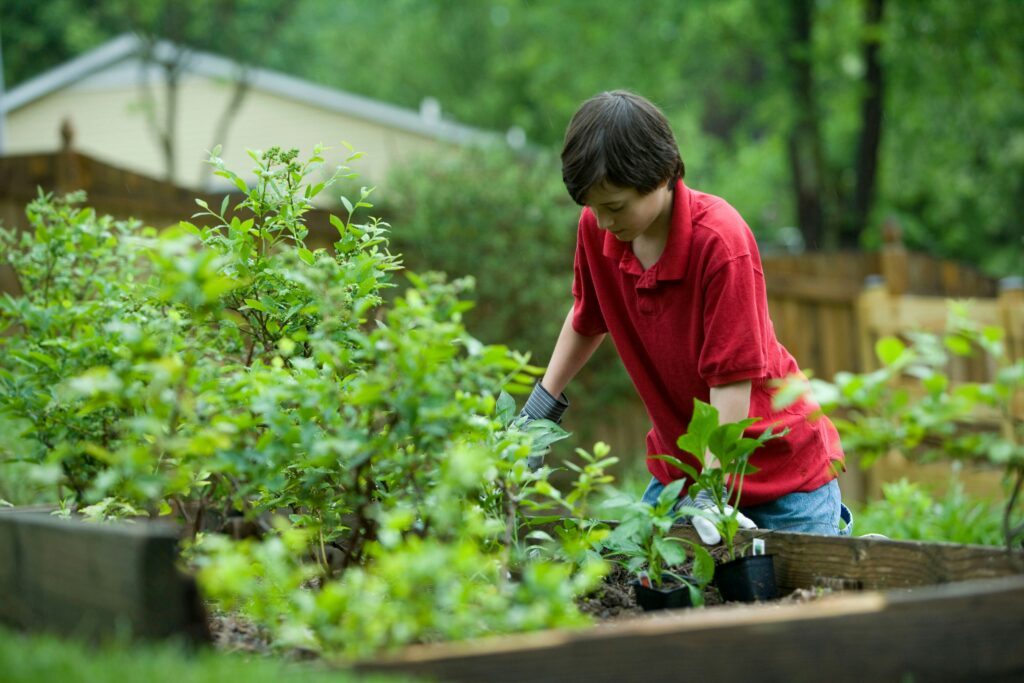
Kitchen Gardening for Beginners: Easy Tips for Small Spaces
Kitchen Gardening for Beginners: Easy Tips for Small Spaces Gardening is a fulfilling hobby that can bring fresh herbs, vegetables, and a touch of greenery into your home. Kitchen gardening is especially popular among those living in apartments or homes with limited outdoor space. It allows you to grow your own produce right where you cook, blending convenience with sustainability. Whether you have a small balcony, a sunny window, or just a countertop, small space kitchen gardening can transform your living area into a vibrant space full of life and flavor. In this comprehensive guide, we’ll cover easy tips for kitchen gardening beginners, including indoor kitchen gardening, creative balcony kitchen gardening ideas, practical container kitchen gardening, and simple DIY kitchen gardening projects. Get ready to cultivate your green thumb without needing a sprawling backyard! What is kitchen gardening? Kitchen gardening refers to growing herbs, vegetables, and fruits in or near your kitchen, typically in small spaces. Unlike traditional gardening, it focuses on practicality and accessibility – the produce you grow is immediately available for cooking. This form of gardening is ideal for urban dwellers, beginners, and anyone looking to enjoy fresh, pesticide-free food. Benefits of Kitchen Gardening – Freshness: Harvest herbs and veggies at their peak. – Cost-effective: Save money on groceries by growing your own produce. – Healthy eating: Encourages consumption of more vegetables and herbs. – Space-saving: Perfect for people with limited or no outdoor space. – Stress relief: Gardening has therapeutic effects and enhances mental well-being. Getting Started with Kitchen Gardening Beginning your kitchen gardening journey might seem daunting, but with the right approach, it can be straightforward and fun. Here are the essential tips to get started: Select the Right Plants Some plants grow better indoors or in small containers than others. For beginners, start with herbs like basil, mint, cilantro, and parsley, or easy veggies like lettuce, spinach, and cherry tomatoes. Choose plants that match your kitchen’s lighting conditions. Assess Your Space and Light Light is a crucial factor. Fresh herbs and vegetables need a minimum of 4-6 hours of sunlight daily. South-facing windows are ideal. For spaces with limited natural light, consider supplementing with LED grow lights designed for plants. Choose Suitable Containers When it comes to container kitchen gardening, selecting the right pots and containers matters. Containers should have good drainage to prevent root rot. Recycled containers, hanging baskets, or tiered plant stands can maximize your available space. Soil and Fertilizer Use good-quality potting soil, not garden soil, for indoor gardening. Fertilize plants every few weeks with organic liquid fertilizer or compost teas to provide essential nutrients. Indoor Kitchen Gardening: How to Grow Indoors Growing plants inside the kitchen can be both charming and efficient. Here’s how to thrive with indoor kitchen gardening: – Use Windowsills Effectively: Most herbs like basil and oregano thrive on sunny windowsills. – Grow Microgreens: Fast to grow and fit well in small containers. – Install Vertical Gardens: Use wall-mounted planters to save counter space. – Maintain Humidity: Kitchens often have the right humidity for plants; just be sure to avoid overwatering. – Regularly Prune: Keep plants healthy and encourage growth by trimming dead or overgrown parts. Balcony Kitchen Gardening Ideas Balconies are excellent spaces for small space kitchen gardening and can be transformed into lush, productive garden spots with minimal effort. Creative Ideas for Balcony Kitchen Gardening – Vertical Planters: Stack plants upwards using tiered shelves or hanging pots. – Rail Planters: Attach planters to balcony railings to save floor space. – Compact Vegetable Beds: Use rectangular containers or planter boxes for salad greens and peppers. – Herb Spirals: Build spiral-shaped beds that fit multiple herbs in a small footprint. Container Kitchen Gardening: Tips and Tricks Container kitchen gardening allows you to grow plants in pots, crates, or any small vessel. This method is ideal for small apartments or kitchens without outdoor spaces. Best Containers for Kitchen Gardening – Terracotta pots: Breathable and stylish but dry out faster. – Plastic pots: Lightweight, retain moisture, and affordable. – Hanging baskets: Perfect for trailing plants like cherry tomatoes or herbs. – Recycled containers: Upcycle jars, tins, or wooden crates for a DIY garden. Drainage and Soil Ensure containers have drainage holes to avoid waterlogging. Use a quality potting mix with good aeration and moisture retention. DIY Kitchen Gardening Projects for Beginners Creating a garden yourself can be rewarding and tailored to your space. Easy DIY Kitchen Gardening Ideas – DIY Herb Garden in Mason Jars: Use recycled glass jars on the kitchen windowsill with fresh potting soil. – Hanging Bottle Garden: Cut plastic bottles to create mini hanging planters. – Stacked Pallet Garden: Transform a wooden pallet into a vertical garden for herbs and lettuce. – Window Box Garden: Attach a planter box outside or inside your window to maximize sunlight. Small Space Kitchen Gardening: Maximizing Your Area Even if you have just a small corner of your kitchen, there are plenty of ways to grow fresh produce. – Optimize vertical space using shelves and wall-mounted planters. – Use magnetic herb pots on the refrigerator. – Rotate crops seasonally for variety throughout the year. – Grow fast-yielding plants like lettuce, radishes, or bush beans which don’t take up much room. Common Challenges and How to Overcome Them While kitchen gardening is accessible, beginners may face some hurdles: – Pest Control: Use natural remedies like neem oil or insecticidal soap. – Overwatering: Check soil moisture before watering and avoid soggy soil. – Insufficient Light: Supplement with grow lights if natural light is limited. – Limited Space: Employ vertical gardening solutions or small containers. Frequently Asked Questions About Kitchen Gardening Q1: What are the best plants for kitchen gardening? Herbs like basil, mint, parsley, cilantro, and small vegetables like cherry tomatoes and salad greens are ideal for beginners. Q2: How much sunlight do kitchen garden plants need? Most vegetable and herb plants require 4-6 hours of bright, indirect sunlight daily. Q3: Can I grow kitchen plants indoors without sunlight? Yes,
Kitchen Gardening for Beginners: Easy Tips for Small Spaces Read More »