LivedGreen

how to start a garden

How to Start a Garden for Beginners Step by Step

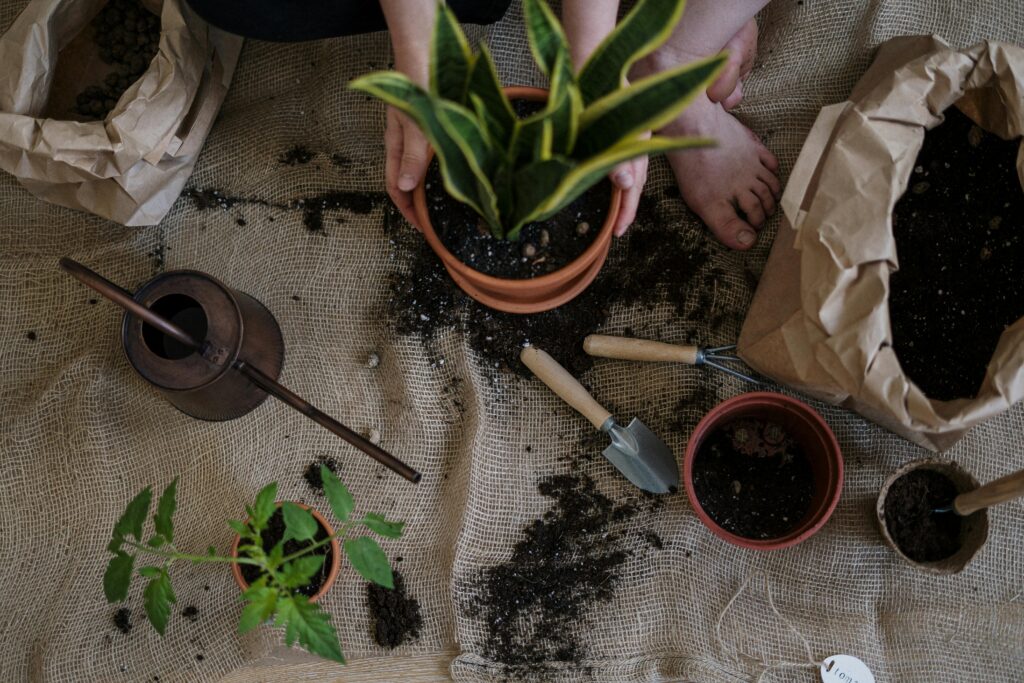
How to Start a Garden for Beginners Step by Step If you’ve ever wondered how to start a garden, you’re not alone. Gardening can seem intimidating at first, but with the right guidance and a little patience, anyone can create a thriving green space. This step-by-step guide is designed specifically for gardening beginners, providing straightforward advice and expert tips to help you begin your gardening journey with confidence. Whether you’re interested in cultivating colorful flowers, fresh vegetables, or aromatic herbs, this article will walk you through the essential stages of starting a garden, ensuring you set a strong foundation for success. Understanding the Basics of Starting a Garden Before you dig in, it’s helpful to understand what gardening entails. Starting a garden involves selecting a suitable location, preparing the soil, choosing the right plants, and maintaining your garden through watering, feeding, and pest control. As part of gardening tips for beginners, it’s important to match the garden’s design and plants with your environment and schedule. Simple planning prevents common mistakes and encourages a vibrant, sustainable garden. Step 1: Choose the Right Location for Your Garden Location is crucial in how to start a garden that thrives. Here’s what to consider: – Sunlight: Most vegetables and flowers require at least 6 hours of direct sunlight daily. Observe your yard to find sunniest spots. – Soil Drainage: Good drainage prevents root rot and other issues. Avoid low-lying areas or places where water tends to pool. – Accessibility: Ensure that the garden spot is easy to reach for watering and maintenance. Step 2: Prepare Your Soil Properly Healthy soil is the foundation of successful gardening. You can improve soil quality by: – Testing Soil pH: Use a simple test kit to determine if your soil is too acidic or alkaline. Most plants thrive in soil with pH between 6.0 and 7.0. – Adding Organic Matter: Compost or well-rotted manure enriches soil nutrients and promotes beneficial microorganisms. – Tilling or Turning the Soil: Loosen soil to improve airflow and root penetration. Step 3: Decide What to Plant Choosing the right plants depends on several factors: – Your climate zone – Available space – The season in which you are planting – Your personal preferences and goals (e.g., vegetables vs. ornamental plants) For beginners, starting with easy-to-grow plants like lettuce, radishes, marigolds, and sunflowers can build confidence. Step 4: Plan Your Garden Layout A well-thought-out layout helps maximize space and plant health: – Raised Beds vs. In-Ground Planting: Raised beds offer better drainage and soil control, while in-ground gardens can be less costly. – Row Planting vs. Square Foot Gardening: Square foot gardening allows for intensive planting in small spaces and is beginner-friendly. – Companion Planting: Some plants grow well together and can protect each other from pests or improve growth. Step 5: Plant Your Garden Correctly Follow these tips when planting: – Read seed packets or plant labels for depth and spacing. – Water freshly planted seeds or transplants gently to avoid disturbing roots. – Mulch beds to retain moisture and suppress weeds. Step 6: Watering and Maintenance Caring for newly planted gardens is essential in gardening for beginners: – Water early in the day to reduce evaporation. – Ensure consistent moisture but avoid waterlogging. – Remove weeds regularly to reduce competition for nutrients. – Fertilize plants periodically with organic or balanced fertilizers. Step 7: Watch for Pests and Diseases Early detection helps prevent damage: – Inspect plants regularly for pests like aphids or beetles. – Use natural pest control such as handpicking, neem oil spray, or introducing beneficial insects. – Remove diseased plants promptly to stop spread. Step 8: Harvest and Enjoy Your Garden With patience and care, your efforts will pay off. Harvest produce or flowers when they are ripe or fully bloomed—check the ideal harvesting time on seed packets or plant tags. Essential Gardening Tips for Beginners Here are some quick tips to make your gardening experience easier: – Start small to avoid feeling overwhelmed. – Keep a gardening journal for tracking planting dates, conditions, and results. – Join local gardening clubs or online forums for advice and motivation. – Use raised beds or containers if your soil is poor. – Rotate crops each growing season to maintain soil health. FAQ Section Q1: How much space do I need to start a garden? You can start a garden in as little as a few square feet. Container gardening and square foot gardening methods are great for small spaces such as balconies or patios. Q2: What is the easiest vegetable to grow for beginners? Lettuce, radishes, and green beans are some of the easiest vegetables to grow due to their fast growth and low maintenance. Q3: Can I start a garden without a backyard? Yes! Container gardening and indoor gardening using grow lights allow you to grow plants without traditional garden space. Q4: How often should I water my garden? Most gardens need about 1 inch of water per week. Water early in the day to reduce evaporation and avoid overwatering, which can cause root problems. Q5: When is the best time to start a garden? The best time to start a garden depends on your climate zone and the plants you want to grow. Generally, early spring after the last frost is ideal for most outdoor plants. Conclusion Starting a garden may seem daunting at first, but by following this step-by-step guide, you’ll quickly learn how to start a garden that flourishes. From choosing the right location and preparing your soil to planting and regular care, each stage builds toward a successful and enjoyable gardening experience. By embracing these gardening tips and remaining patient and consistent, even complete beginners can transform a patch of land into a vibrant, living space full of beauty and nutrition. Happy gardening! see weather forecasehttps://livedgreen.com/https://garden.org/

How to Start a Garden for Beginners Step by Step Read More »
vegetable garden

Vegetable Garden Guide for First-Time Gardeners

Vegetable Garden Guide for First-Time Gardeners Starting a vegetable garden is a rewarding way to connect with nature, enjoy fresh produce, and develop a fulfilling hobby. If you are a beginner or embarking on your first venture into vegetable gardening, this guide is tailored for you. From choosing the right spot to understanding planting schedules and caring techniques, this comprehensive guide will help you build and maintain a thriving beginner garden. Why Start a Vegetable Garden? A vegetable garden offers several benefits beyond fresh and healthy food. Gardening can improve mental health, provide moderate exercise, and even reduce grocery bills. For first-time gardeners, cultivating your own vegetables fosters patience, learning, and pride in your accomplishments. Planning Your Vegetable Garden A successful vegetable garden begins with thorough planning. Here are some foundational steps every beginner gardener should consider: Choosing the Right Location Location is one of the most crucial factors for plant growth. Most vegetables need at least 6 to 8 hours of direct sunlight daily. Here are the top considerations: – Sunlight: Select a spot with plenty of sunlight. – Soil Quality: Look for well-drained soil rich in organic matter. – Water access: Ensure it’s near a water source. – Protection: Spot sheltered from strong winds or pests. Deciding on Garden Type There are various types of gardens you can choose based on space and convenience: – In-ground garden: Ideal if you have ample space and good soil. – Raised beds: Great for soil control and drainage. – Container gardening: Perfect for urban settings or balconies. Selecting Vegetables for Beginners Choosing easy-to-grow vegetables can set you up for success. Some beginner-friendly options include: – Lettuce – Radishes – Carrots – Green beans – Tomatoes – Zucchini These crops generally require less maintenance and have shorter growing periods. Preparing Your Soil for a Vegetable Garden Healthy soil is the backbone of any flourishing vegetable garden. Here are essential soil preparation steps: – Test Your Soil: Use a soil test kit to check pH and nutrient levels. – Clear the Area: Remove weeds, rocks, and debris. – Add Compost: Incorporate organic matter to improve soil structure and fertility. – Till or Loosen Soil: Aerate the soil to ensure root penetration. Planting and Maintenance Tips in Vegetable Gardening Getting your plants into the soil correctly and providing ongoing care will increase your chances of a successful harvest. Planting Techniques – Seed starting: For some vegetables, starting seeds indoors enhances early growth. – Transplanting: Harden off seedlings gradually before moving outdoors. – Spacing: Follow seed packet instructions for proper spacing to avoid overcrowding. Watering Guidelines Consistent watering is critical, especially during dry spells. Most vegetables prefer deep, infrequent watering rather than frequent shallow watering. Early morning is the best time to water to reduce evaporation. Fertilizing Your Garden Vegetables are nutrient-hungry. Use a balanced, slow-release fertilizer or organic options like compost tea. Avoid excessive nitrogen, which promotes leaf growth over fruits. Pest and Disease Management Use integrated pest management techniques to protect your crops: – Rotate crops each season. – Introduce beneficial insects like ladybugs. – Use natural remedies such as neem oil. – Remove diseased plants promptly. Seasonal Guide for Your Vegetable Garden Knowing when to plant and harvest various vegetables depends largely on your climate and season. Spring Vegetable Garden – Plant cool-season crops like lettuce, spinach, and peas early. – Start warm-season crops like tomatoes indoors. Summer Vegetable Garden – Transplant warm-season crops outdoors. – Keep watering consistent to combat heat stress. Fall Vegetable Garden – Plant quick-growing crops like radishes and leafy greens. – Start preparing soil for winter rest. Common Challenges & How to Overcome Them in Vegetable Gardening Starting a vegetable garden can involve hurdles, especially for beginners. Address these challenges with these tips: – Poor germination: Check seed viability and planting depth. – Pests: Use companion planting techniques to deter insects. – Soil issues: Amend soil with compost regularly. – Weather extremes: Use row covers to protect plants. Gardening Tips for a Thriving Beginner Garden Here are some practical gardening tips for anyone starting out: – Keep a garden journal to track planting dates and growth. – Start small to avoid overwhelm. – Learn from each season and adapt your methods. – Join local gardening groups or forums for support. – Use mulch to conserve moisture and reduce weeds. Frequently Asked Questions About Vegetable Gardening Q1: What is the easiest vegetable to grow for beginners? Lettuce, radishes, and green beans are among the easiest vegetables for new gardeners. They require minimal care and have faster harvest times. Q2: How much sunlight does a vegetable garden need? Most vegetables require 6 to 8 hours of direct sunlight daily for healthy growth. Q3: How often should I water my vegetable garden? Water deeply once or twice a week, adjusting frequency based on rainfall and temperature. Early morning watering is best. Q4: Can I grow a vegetable garden in containers? Yes, container gardening is a great option for small spaces and beginners. Use large pots with quality soil. Q5: How do I keep pests away without using chemicals? Use companion planting, attract beneficial insects, apply natural oils like neem, and remove affected plants promptly. Q6: When should I start planting my vegetable garden? This depends on your local climate, but generally early spring for cool-season crops and after the last frost date for warm-season crops. Q7: What are the best vegetables for small beginner gardens? Tomatoes, lettuce, carrots, radishes, and herbs work well in small spaces. Conclusion Starting a vegetable garden as a first-time gardener can be an enjoyable and satisfying experience. By carefully selecting your location, preparing your soil, choosing beginner-friendly plants, and adopting smart vegetable gardening practices, your garden can flourish season after season. Remember to start small, be patient, and learn from every step. With time and dedication, your beginner garden has the potential to become a lush, productive space full of fresh, homegrown vegetables. Happy gardening!   see weather forecasehttps://livedgreen.com/https://garden.org/   See weather forecast

Vegetable Garden Guide for First-Time Gardeners Read More »

gardening tips for beginners

Gardening Tips for Beginners to Grow Healthy Plants

Gardening Tips for Beginners to Grow Healthy Plants Starting a garden can be an incredibly rewarding experience. Whether you have a small balcony or a large backyard, cultivating plants can bring joy, fresh air, and even fresh produce to your home. However, for beginner gardening enthusiasts, the journey can seem daunting without proper guidance. This article covers fundamental garden basics and gardening tips that will help you start your garden on the right foot and nurture healthy plants throughout the seasons. Why Gardening is Great for Beginners Gardening is a perfect hobby because it connects you with nature, offers physical activity, and can improve your mental wellbeing. With the right gardening tips, beginners can avoid common pitfalls such as overwatering or planting inappropriate species. Understanding basic principles will encourage success and satisfaction as your garden thrives. Essential Gardening Tips for Beginners Getting started means focusing on critical areas: site selection, soil health, watering techniques, plant selection, and ongoing care. Let’s explore these essential gardening tips. 1. Select the Right Location for Your Garden The first step in beginner gardening is choosing the ideal site. Most plants require ample sunlight — usually 6 to 8 hours daily — so an open, sunny spot is preferred. Observe how sunlight moves across your space during the day. Avoid areas shaded by buildings or large trees. Consider accessibility: your garden should be easy to reach since frequent attention will be necessary. 2. Understand and Prepare Healthy Soil Soil quality is crucial for plant health. Here are some garden basics to improve soil: – Test the soil: Use a simple soil test kit to check pH and nutrient levels. – Amend the soil: Depending on test results, add compost, manure, or fertilizers to enrich the soil. – Loosen soil: Use a garden fork or tiller to break up compacted soil, allowing roots to penetrate deeply. Healthy soil promotes strong root growth, leading to robust and healthy plants. 3. Choose the Right Plants for Beginners For those new to gardening, selecting hardy, low-maintenance plants is wise. Some great options include: – Herbs: Basil, thyme, mint – Vegetables: Lettuce, radishes, tomatoes – Flowers: Marigolds, sunflowers, zinnias These choices tolerate varying conditions and provide quick visual rewards, encouraging confidence for beginners. 4. Watering Wisely Proper watering is one of the most common challenges. Both underwatering and overwatering can stress plants. Tips for watering include: – Water deeply but less frequently to promote deep root growth. – Water early in the morning to reduce evaporation and fungal risks. – Use mulch to retain moisture and regulate soil temperature. 5. Learn to Prune and Maintain Your Plants Pruning encourages new growth and improves plant shape. Remove dead or yellowing leaves and spent flowers regularly. This practice helps plants conserve energy for growth and blooming. Ongoing maintenance also includes monitoring for pests and diseases. Early intervention will prevent widespread damage. Gardening Tools Every Beginner Should Have To make gardening easier and more effective, equip yourself with essential tools such as: – Hand trowel: For digging small holes – Pruning shears: For trimming plants – Watering can or hose with spray nozzle – Gardening gloves: To protect hands – Garden fork or spade: For turning soil Having the right equipment supports the success of your garden. Understanding Common Gardening Styles for Beginners Different gardens suit different spaces and goals. Here’s a comparison of popular gardening styles ideal for beginners. Gardening Styles Comparison Table Comparison of Gardening Styles for BeginnersComparison FactorContainer GardeningRaised Bed GardeningIn-Ground GardeningSpace RequirementsSmall spaces, balconiesMedium to large yardsLarge open spacesSoil ControlEasy to manage soil qualityGood soil control, less compactionDependent on native soil qualityAccessibilityCan be placed at waist heightRaised beds reduce bendingRequires bending, kneelingCostLow to moderateModerate initial costLow initial costMaintenanceRegular watering neededBetter drainage, reduced weedsMore weeding and pest control Basic Planting Techniques Every Beginner Should Know Planting depth, spacing, and timing are crucial to success. Follow seed packet instructions closely to ensure proper planting. Overcrowding plants can lead to poor airflow and disease, so keep recommended distances in mind. Timing is also key: plant species that suit your local climate and growing season for best results. Organic Gardening Tips for Beginners Many beginners want to avoid chemicals and grow organically. Here are some simple organic gardening tips: – Use organic compost and natural fertilizers. – Employ companion planting to deter pests. – Introduce beneficial insects like ladybugs. – Practice crop rotation to restore soil nutrients. These approaches contribute to a sustainable and eco-friendly garden. Garden Lighting: How Much Sunlight Do Plants Need? Understanding how much light your plants require is fundamental. Most vegetables and flowering plants thrive in full sun, while some herbs and shade-loving plants tolerate partial or full shade. Arrange plants in your garden so that taller species do not overshadow shorter ones. Troubleshooting Common Beginner Gardening Problems Even with great gardening tips, beginners may face hurdles like pests, diseases, or poor growth. Here are quick troubleshooting ideas: – Yellow leaves: Check watering habits; may indicate overwatering or nutrient deficiencies. – Wilting plants: Could be underwatered or affected by root rot. – Pests: Identify insects and use organic pest control methods. – Poor flowering: Ensure enough sunlight and fertilization. Consistent observation will help you react promptly. Seasonal Gardening Tips for Starters Gardening is a year-round activity with varying duties depending on the season: – Spring: Prepare soil, start seeds indoors. – Summer: Water regularly, prune, harvest crops. – Autumn: Clear dead plants, add mulch, plant fall crops. – Winter: Plan next year’s garden, maintain tools. Adapting your care routine by season maximizes plant health. Frequently Asked Questions (FAQ) Q1: What are the easiest plants for beginner gardening? A1: Herbs like mint and basil, vegetables such as lettuce and radishes, and flowers like marigolds are great starter plants. Q2: How often should I water my garden? A2: Generally, water deeply once or twice a week depending on weather and soil type, but avoid overwatering. Q3: Do I need to use fertilizer for healthy plants? A3: Yes, fertilizers supply essential

Gardening Tips for Beginners to Grow Healthy Plants Read More »

DIY Garden Project

10 Easy DIY Garden Project Ideas for Beginners

10 Easy DIY Garden Project Ideas for Beginners Transforming your outdoor space doesn’t have to be complicated or expensive. If you’re new to gardening and looking for simple ways to enhance your yard, here are 10 easy DIY garden project ideas perfect for beginners. These projects combine creativity, functionality, and the satisfaction of building something with your own hands. Whether you want to create a cozy reading nook, attract pollinators, or simply brighten your garden, these ideas will inspire you to get started on your next DIY garden project at home. We’ll also explore how diy garden project design software can help you plan and visualize your garden before you dig in. Why Choose DIY Garden Projects? DIY gardening is a fantastic way to personalize your outdoor space, save money, and develop new skills. Plus, these projects connect you with nature, improve your home’s curb appeal, and even boost your mental wellbeing. Starting with easy projects ensures quick wins and maintained enthusiasm for more complex ventures down the road. Let’s explore some fun and feasible ideas perfect for beginners. 1. Build a Raised Garden Bed Raised garden beds are great for controlling soil quality and drainage, keeping weeds at bay, and defining your garden area. Materials Needed: Wood planks, screws, drill, soil mix, plants or seeds. Why it’s ideal for beginners: Raised beds are simple to construct with minimal tools, and you can customize the size to fit your space. Pro Tip: Use untreated wood or cedar to avoid harmful chemicals in your soil. 2. Create a Vertical Garden Wall If you’re short on space, vertical gardens maximize planting area by growing plants upwards rather than outwards. Materials Needed: Pallets or vertical planter pockets, potting soil, plants like herbs or succulents. Benefits: Vertical gardens are visually striking and perfect for balconies or small patios. 3. Construct a Simple Compost Bin Turn kitchen scraps and yard waste into nutrient-rich compost to naturally fertilize your plants. Materials Needed: Wooden pallets or repurposed containers, mesh for ventilation. Why composting is key: Reducing waste and improving soil health benefits every DIY garden project you take on. 4. Make Your Own Stepping Stones Personalize your garden paths with easy-to-make stepping stones using concrete and molds. Materials Needed: Quick-setting concrete, molds (can be plastic containers), decorative stones or tiles. Customization Ideas: Embed handprints, painted designs, or colorful marbles for a unique touch. 5. Design a Mini Herb Garden Fresh herbs at your fingertips while cooking? Yes, please! These containers or small garden plots are beginner-friendly and highly rewarding. Materials Needed: Pots or containers, herb seeds or starter plants, potting soil. Growing Tips: Place in sunny spots and water regularly; herbs love consistent moisture and sun. 6. Build a Birdhouse or Bird Feeder Attract feathered friends to your garden, adding movement and natural pest control. Materials Needed: Wood scraps, nails, hammer, paint (optional). Skill Level: Basic woodworking skills are enough for a fun easy DIY garden project. 7. Install DIY Garden Lighting Extend your garden enjoyment after sunset with solar-powered or low-voltage lights. Materials Needed: Solar path lights or LED strings, stakes or hooks. Why it matters: Lighting enhances ambiance and safety. 8. Set up a Rainwater Collection System Save water and make your garden eco-friendly by collecting rainwater for irrigation. Materials Needed: Rain barrels or large containers, gutter diverters, screens to filter debris. Environmental Impact: Conserves water and reduces your utility bill. 9. Build a Garden Bench with Storage Combine seating and storage for your garden tools and supplies in a simple DIY bench. Materials Needed: Wood planks, screws, hinges, outdoor paint or sealant. Function Meets Style: Perfect for resting after gardening and keeping clutter out of sight. 10. Design a Butterfly or Pollinator Garden Patch Encourage biodiversity by planting nectar-rich flowers and plants that attract bees and butterflies. Materials Needed: Flower seeds or seedlings (milkweed, lavender, coneflower), garden tools. Tips for Successfully Completing Your DIY Garden Projects at Home 1. Start small – take on one project at a time to avoid overwhelm. 2. Research materials and plan before you begin. 3. Budget wisely for tools and supplies. 4. Use hose timers or watering schedules to maintain your new garden areas. 5. Join gardening forums or local clubs to learn and share experiences. FAQ About DIY Garden Projects Q1: What are some easy DIY garden project ideas for small spaces? A: Vertical gardens, container herb gardens, and hanging planters are excellent for limited areas. Q2: Is it expensive to start a DIY garden project? A: Not necessarily. Many projects use recycled or inexpensive materials like pallets and containers. Q3: Can I use garden design software if I’m not tech-savvy? A: Yes, several programs are designed specifically for beginners, featuring drag-and-drop tools and tutorials. Q4: How much time should I dedicate to a DIY garden project? A: Projects can range from a few hours to several days; starting with small projects lets you manage time effectively. Q5: Can DIY garden projects improve my home’s value? A: Absolutely! Well-maintained gardens and outdoor spaces are attractive to potential buyers. Conclusion Embarking on a diy garden project is a rewarding way to enhance your outdoor space while gaining new skills. These 10 easy DIY garden project ideas are perfect for beginners looking to start with practical, enjoyable creations. Whether you’re building raised beds, crafting stepping stones, or planting a butterfly garden, each project contributes to a flourishing yard you can be proud of. Remember to leverage diy garden project design software to carefully plan your space and visualize your ideas. With patience and creativity, your garden at home will transform into a personal oasis full of beauty and life. Start today and watch your garden—and your happiness—grow! see weather forecasehttps://livedgreen.com/https://garden.org/    

10 Easy DIY Garden Project Ideas for Beginners Read More »

zero waste lifestyle

What Is a Zero Waste Lifestyle and Why It Matters Today

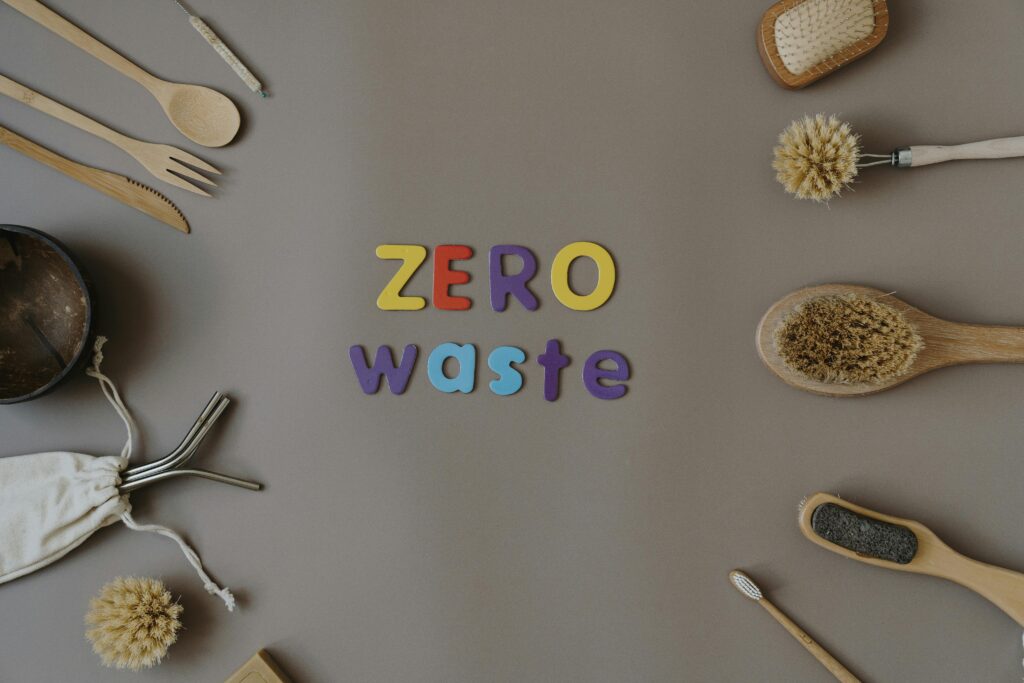
What Is a Zero Waste Lifestyle and Why It Matters Today In a world grappling with climate change, pollution, and overflowing landfills, many people are searching for effective ways to reduce their environmental impact. One increasingly popular approach is adopting a zero waste lifestyle. But what exactly does that mean? And how can it help us build a more sustainable future? This comprehensive guide explores what is a zero waste lifestyle, the zero waste meaning, its role in sustainable living, and why practicing eco responsibility to lead a waste free life matters now more than ever. Understanding What Is a Zero Waste Lifestyle Simply put, a zero waste lifestyle is a conscious way of living that aims to minimize the amount of waste you generate. The ultimate goal is to divert all discarded materials from landfills, incinerators, and the environment by redesigning resource life cycles so that all products can be reused, repaired, or composted. This lifestyle emphasizes reducing consumption, choosing reusable products, recycling responsibly, and composting organic waste. It’s not about perfection but about making mindful choices that collectively reduce waste and environmental harm. The Zero Waste Meaning: More Than Just Recycling While many associate zero waste with recycling, the zero waste meaning encompasses a broader philosophy. It follows a hierarchy often summarized as the “5 R’s”: – Refuse what you do not need – Reduce what you do need – Reuse as much as possible – Recycle what you can’t refuse, reduce, or reuse – Rot (compost) the rest The key is to prioritize waste prevention rather than managing waste after it has been created. In this way, zero waste challenges the traditional throwaway culture and supports an economic and environmental shift toward sustainability. Why a Zero Waste Lifestyle Matters Today Globally, humans generate billions of tons of waste annually—much of it plastic and non-biodegradable—which threatens ecosystems, wildlife, and human health. Landfills produce methane, a potent greenhouse gas, and plastic pollution chokes oceans and waterways. Land degradation and pollution further exacerbate climate change, making waste management a critical issue to address. By adopting a zero waste lifestyle, you contribute to: – Reducing pollution and carbon footprint: Less waste means less energy spent on manufacturing, transportation, and disposal, reducing greenhouse gas emissions. – Conserving natural resources: Sustainable consumption conserves water, minerals, and energy embedded in goods. – Promoting eco responsibility and community awareness: Demonstrating responsible consumption inspires others and supports policies for waste reduction. – Supporting a circular economy: Zero waste encourages product design that supports durability, repairability, and recyclability. Given the growing urgency of climate change and environmental degradation, the zero waste movement is as relevant as ever. It is a practical and empowering way to live in harmony with the planet. How Sustainable Living and Zero Waste Lifestyle Intersect Sustainable living is a broad approach to minimizing environmental impact through all lifestyle choices, including energy use, transportation, diet, and consumer habits. A zero waste lifestyle is a core subset of sustainable living focused specifically on waste prevention and materials management. By integrating both, you create a holistic commitment to eco-friendly living that addresses multiple aspects of your footprint, guiding your decisions toward minimal environmental harm. Strategies to Start a Waste Free Life Adopting a zero waste lifestyle might seem challenging at first, but small, steady changes accumulate over time. Here are practical strategies to begin your waste free life journey: 1. Audit Your Waste Track your trash for a week to understand what you throw away most. This helps identify priority areas to reduce. 2. Switch to Reusables Replace single-use items like plastic bags, water bottles, straws, and takeout containers with durable alternatives. 3. Buy in Bulk and Avoid Packaging Purchase food, toiletries, and household goods in bulk to minimize packaging waste. Bring your own bags and containers. 4. Choose Products with Minimal or Compostable Packaging Support brands that prioritize eco-friendly packaging materials or sell package-free products. 5. Compost Organic Waste Set up a compost bin for food scraps and yard waste to recycle nutrients back into the soil rather than throwing them away. 6. Repair and Upcycle Fix broken items instead of discarding them; find creative ways to repurpose objects. 7. Support Secondhand and Local Markets Buying used goods prevents unnecessary production and transportation emissions. 8. Be an Advocate Share your journey and encourage others to adopt zero waste practices while supporting policies that promote sustainable production. Challenges in Adopting a Zero Waste Lifestyle While the benefits of zero waste living are clear, it does require commitment and overcoming some obstacles: – Accessibility: Availability of package-free or sustainable products varies by location. – Time Investment: Shopping thoughtfully and managing waste diligently can take more time. – Initial Cost: Some reusable products cost more upfront, though they save money long-term. – Social Pressures: Changing habits can feel isolating in a buy-and-dispose culture. With awareness, planning, and support networks, these challenges are manageable. The environmental payoff makes the effort worthwhile. Frequently Asked Questions about Zero Waste Lifestyle 1. What is a zero waste lifestyle in simple terms? It means living in a way that produces very little or no trash by refusing unnecessary items, reducing consumption, reusing what you can, recycling responsibly, and composting organic waste. 2. How is zero waste different from recycling? Recycling manages waste after it’s created, while zero waste prioritizes avoiding waste production altogether through refusal, reduction, and reuse before recycling. 3. Can I be zero waste if I don’t recycle everything? Yes. Zero waste is about minimizing waste, not perfection. Every effort to refuse and reduce waste counts. 4. Is zero waste living expensive? Initially, some reusable items may cost more, but over time you save money by buying fewer disposables and unhealthy impulse purchases. 5. How can zero waste help the environment? It reduces landfill waste and pollution, conserves resources, lowers emissions related to production and disposal, and supports ecosystem health. 6. What are some easy first steps toward a zero waste lifestyle? Start by bringing reusable bags, avoiding bottled water,

What Is a Zero Waste Lifestyle and Why It Matters Today Read More »

eco friendly cleaning products

Top Eco Friendly Cleaning Products to Make Your Home Safer

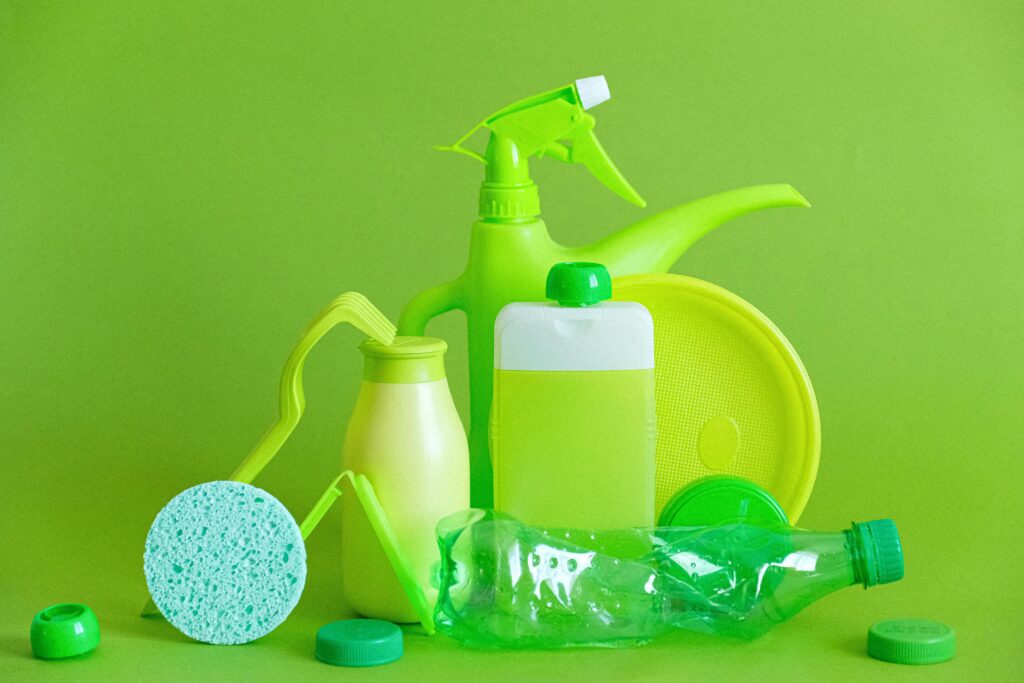
Top Eco Friendly Cleaning Products to Make Your Home Safer Creating a safe and healthy living environment means paying close attention to the products we use daily. Cleaning is one area where many people unknowingly introduce harsh chemicals into their homes. Fortunately, with rising awareness about environmental impact and personal well-being, eco friendly cleaning products have become readily available and popular. These products offer effective cleaning power while prioritizing safety, sustainability, and a chemical-free approach. In this article, we will explore the best eco cleaning solutions to keep your home spotless without compromising health or the environment. From non-toxic cleaning sprays to powerful natural cleaners, you will learn why adopting eco home care is essential for a green home and how to choose the best items to include in your sustainable cleaning routine. Why Choose Eco Friendly Cleaning Products? Traditional cleaning supplies often contain harsh chemicals like ammonia, chlorine bleach, phthalates, and artificial fragrances that can irritate skin, worsen allergies, or cause respiratory problems. Beyond personal health concerns, many of these substances are harmful to aquatic life when they enter waterways. By switching to eco friendly cleaning products, you reduce exposure to toxins, promote safer indoor air quality, and support the use of sustainable products typically made with biodegradable ingredients and minimal packaging waste. As consumers become more conscious, companies are innovating with formulas built on plant-based ingredients, natural enzymes, and essential oils. Key benefits of eco friendly cleaners include: – Reduced chemical exposure for family and pets – Lower environmental impact from biodegradable ingredients – Cruelty-free and often vegan formulations – Safer and more pleasant scents derived from natural sources – Support for green businesses and sustainable practices Top Types of Eco Friendly Cleaning Products for Your Home When building your eco-friendly cleaning arsenal, consider a variety of product types that target different cleaning needs: 1. All-Purpose Cleaners An all-purpose cleaner is versatile and perfect for wiping down surfaces in kitchens, bathrooms, and common living areas. Look for formulations that feature plant-based surfactants and essential oils without synthetic fragrances or dyes. 2. Glass and Window Cleaners These cleaners should provide streak-free shine using natural ingredients like vinegar, lemon juice, or alcohol derived from renewable sources. Avoid products containing ammonia or harmful solvents. 3. Floor Cleaners Eco-friendly floor cleaners work efficiently on hardwood, tile, vinyl, and other surfaces using non-toxic ingredients that do not leave residue harmful to pets or children. 4. Bathroom Cleaners Bathroom grime often requires slightly stronger formulas. Eco-friendly bathroom cleaners combine natural acids and enzymes to tackle soap scum and mildew without harsh bleach or corrosive chemicals. 5. Laundry Detergents Chemical-free laundry detergents formulated for sensitive skin provide powerful stain removal with plant-based surfactants, enzymes, and biodegradable ingredients. 6. Dishwashing Liquids Green dish soaps feature food-safe ingredients that effectively cut grease but are gentle on hands and septic systems. Natural Ingredients to Look For in Eco Friendly Cleaning Products Choosing products with natural and recognizable ingredients ensures you avoid hidden toxicities. Common effective natural elements include: – Vinegar: A mild acid effective against mineral deposits, grease, and bacteria – Baking Soda: A gentle abrasive for scrubbing and deodorizing – Plant-Based Surfactants: Derived from coconut, corn, or palm oils for safe degreasing – Essential Oils: Such as tea tree, lavender or lemon for antibacterial and pleasant scent – Enzymes: To break down organic stains without harsh chemicals Avoid products with sulfates, phthalates, synthetic dyes, chlorine, ammonia, and parabens to ensure you are truly selecting non-toxic and sustainable products. How to Identify the Best Eco Cleaning Products With so many green claims on packaging, it can be challenging to find genuinely sustainable cleaning products. Here are some tips to help you pick the right options: – Check Certifications: Look for seals like EPA Safer Choice, Green Seal, Ecologo, or USDA Organic, which verify environmental and health standards. – Read Ingredient Lists: Choose items with natural, simple ingredients and avoid mystery chemicals. – Research Brand Transparency: Brands that openly disclose sourcing and production methods typically follow higher standards. – Consider Refillable or Concentrated Products: Reduce plastic waste by choosing products in refill pouches or making your own cleaners from concentrated formulas. – Opt for Unscented or Naturally Scented Products: Synthetic fragrances can trigger allergies or sensitivities; essential oil scents are safer. Tips for Maintaining a Green Home with Eco Home Care Practices Cleaning with sustainable products is key, but other lifestyle choices impact your home’s overall environmental footprint. Consider these practices to complement your use of eco friendly cleaning products: – Reduce single-use plastics by using reusable cloths and mop pads – Avoid excess packaging by buying concentrates and refills – Compost organic waste instead of using chemical deodorizers – Install water-saving fixtures and minimize water use during cleaning – Regularly air out your home to maintain good indoor air quality DIY Natural Cleaners for a Non-Toxic Cleaning Alternative For those who enjoy hands-on solutions, you can create your own natural cleaners easily at home by combining basic ingredients. Here are two simple recipes: All-Purpose Cleaner – 1 cup white vinegar – 1 cup water – 10 drops lemon essential oil Mix in a spray bottle and use for countertops, sinks, and even windows. Baking Soda Scrub – ½ cup baking soda – Enough water to form a paste Use for scrubbing tubs, tiles, and tough grime spots without chemicals. DIY cleaners are cost-effective, non-toxic, and fully customizable to your scent preferences, making them a fantastic addition to sustainable eco home care. Frequently Asked Questions About Eco Friendly Cleaning Products Q1: Are eco friendly cleaning products as effective as conventional cleaners? Yes, many eco friendly cleaning products deliver equal or superior cleaning power using natural ingredients and enzymes designed to break down dirt and grease without toxic chemicals. Q2: Can I use eco friendly products with children and pets in the home? Absolutely. Non-toxic cleaning products are much safer for families, reducing exposure to harmful fumes and residues that can affect sensitive skin and respiratory health. Q3: How

Top Eco Friendly Cleaning Products to Make Your Home Safer Read More »

Commercial Farming

What Is Commercial Farming? Definition, Features, and Crop Types

What Is Commercial Farming? Definition, Features, and Crop Types Understanding what is commercial farming is essential for anyone interested in agriculture, sustainability, or food production. As the global population expands, so does the demand for efficient and profitable farming systems. Commercial farming stands out as a modern agricultural practice designed to meet market demands on a large scale. This article will explore the definition of commercial farming, its distinct features, popular commercial farming crops, and its place within the broader spectrum of types of farming and modern agriculture. Definition of Commercial Farming Commercial farming refers to the large-scale production of crops and livestock primarily intended for sale in markets rather than for personal consumption. Unlike subsistence farming, which focuses on feeding the farmer’s own family, commercial farming is profit-oriented, relying heavily on capital, modern technology, and mechanization to maximize yield. This farming practice is designed to serve national and international markets, often involving monoculture or the specialization in one or a few crops, allowing farmers to benefit from economies of scale. In many countries, commercial farming forms the backbone of agricultural exports and is a significant contributor to the economy. Key Elements in the Definition of Commercial Farming – Production is market-driven. – Large-scale operations. – Use of modern equipment and technology. – Employment of scientific methods such as high-yield seed varieties and chemical fertilizers. – Integration into national and global trade systems. Features of Commercial Farming The features of commercial farming separate it clearly from other agricultural systems, such as subsistence or traditional farming. These features not only reflect its operational scale but also the approach to production and resource management. Features of Commercial Farming 1. Large-scale Production Commercial farms operate on extensive land areas to produce crops in bulk quantities. 2. Use of Technology and Modern Inputs Techniques like mechanization, chemical fertilizers, pesticides, and improved seed varieties are commonly employed. 3. Specialization Farmers generally specialize in high-demand crops or livestock that bring better financial returns. 4. Capital Intensive Due to the need for machines, infrastructure, and inputs, commercial farming requires significant financial investment. 5. Market-Oriented The primary goal is to sell output rather than producing for personal consumption. 6. Scientific Management Modern practices of crop rotation, irrigation, and pest control are used to ensure high yields and sustainability. 7. Employment Commercial farms often generate employment opportunities, requiring both skilled and unskilled labor. 8. Monoculture Often involves growing a single crop on a large scale to maximize efficiency and profitability. Types of Commercial Farming Commercial farming includes several types, distinguished by the kind of production focus and regional environmental factors. Understanding these different types of farming within the commercial spectrum can clarify how diverse the practice can be. Types of Commercial Farming – Mixed Farming: Combines crop cultivation with livestock rearing, enabling diversified income sources. – Plantation Farming: Large farms growing crops like tea, coffee, rubber, and sugarcane usually destined for international markets. – Dairy Farming: Focuses on milk production and its allied products on a commercial scale. – Commercial Grain Farming: Growing cereals such as wheat, corn, and barley primarily for market sale. – Commercial Vegetable Farming: Production of vegetables in large quantities for fresh markets and processing units. – Horticulture Farming: Commercial cultivation of fruits, flowers, and ornamental plants. – Intensive Farming: High-input agriculture aimed at maximum yield per unit area, common close to urban markets. – Extensive Farming: Farming done on large tracts of land with relatively lower input but covering a wider area, common in regions with lower population density. Commercial Farming Crops: What Are They? Commercial farming crops are generally those that have high market demand and are suitable for large-scale farming. These crops often offer significant economic returns and are grown with advanced farming techniques. Common Commercial Farming Crops – Cereals: Wheat, maize, barley, rice – staple foods with extensive market demand. – Cash Crops: Cotton, sugarcane, tobacco – grown for industrial use and export. – Fruits: Apples, bananas, citrus fruits – for fresh consumption and processing. – Vegetables: Potatoes, tomatoes, onions – essential for local and export markets. – Oilseeds: Soybean, sunflower, groundnut – used for oil extraction. – Fiber Crops: Cotton, jute – used in textile industries. These crops are often grown intensively with the help of chemical fertilizers, irrigation, and pest control to maximize yields and profitability. Commercial Farming and Modern Agriculture Modern agriculture encompasses a wide range of technological and scientific advancements aimed at improving crop yields, sustainability, and efficiency. Commercial farming is a significant part of modern agriculture, relying heavily on innovations to remain competitive and profitable. How Commercial Farming Embraces Modern Agriculture – Mechanization: Use of tractors, harvesters, and irrigation pumps to reduce labor and increase efficiency. – Biotechnology: Genetically modified crops that are pest-resistant or drought tolerant. – Precision Farming: Satellite technology and drones used for monitoring soil health and crop productivity. – Sustainable Practices: Adoption of crop rotation, integrated pest management to reduce environmental impact. – Supply Chain Integration: Efficient storage, transportation, and marketing systems. Commercial Farming’s Role in Sustainable Farming Though traditionally commercial farming has been criticized for its environmental footprint due to intensive use of chemicals and monoculture, many modern commercial farms are now integrating sustainable practices. Sustainable farming aims to balance profit with ecological responsibility. Sustainable Commercial Farming Practices – Reduced chemical use through organic fertilizers and biological pest control. – Conservation tillage to preserve soil health. – Water-saving irrigation techniques like drip irrigation. – Crop diversification to prevent soil depletion. – Use of renewable energy in farming operations. Sustainable commercial farming represents the future of agriculture, combining high outputs with environmental stewardship. Frequently Asked Questions (FAQs) Q1: What is the main difference between commercial and subsistence farming? A: The main difference is the purpose. Commercial farming produces crops and livestock for sale and profit, while subsistence farming focuses on growing food primarily for the farmer’s own consumption. Q2: What are the advantages of commercial farming? A: Advantages include higher production levels, efficient use of technology, availability of a wide range

What Is Commercial Farming? Definition, Features, and Crop Types Read More »

What Are Modern Farming Techniques? A Complete Beginner’s Guide

What Are Modern Farming Techniques? A Complete Beginner’s Guide Modern farming has undergone a remarkable transformation over the past few decades. With the growing need for sustainable food production and environmental conservation, modern farming techniques have become crucial to meet global demand efficiently. This beginner’s guide explores the key concepts behind modern agriculture methods, introduces you to advanced farming, and highlights the role of farming innovation and smart farming in reshaping agriculture today. Understanding Modern Farming Techniques Modern farming techniques refer to a broad set of methods and strategies employed to enhance the productivity, efficiency, and sustainability of agriculture. Unlike traditional farming, which often relies heavily on manual labor and conventional practices, modern agriculture integrates cutting-edge technology and scientific advancements. These techniques allow farmers to maximize yield, reduce waste, and conserve natural resources. Why Are Modern Farming Techniques Important? – Increased Efficiency: They help in optimizing the use of water, fertilizers, and pesticides, minimizing waste. – Sustainable Practices: Reducing environmental impact while ensuring long-term soil health. – Higher Yields: Utilize technology to boost crop production and quality. – Adaptability: Facilitate farming in changing climate conditions and varying landscapes. As the global population continues to grow, the need for sustainable and efficient agriculture becomes more critical than ever. Implementing modern agriculture practices is a key step in achieving food security for the future. Key Modern Agriculture Methods Modern farming incorporates an array of innovative methods designed to improve productivity while promoting sustainability. Some of the most widely adopted modern agriculture methods include: 1. Precision Farming Known as smart farming, precision farming uses GPS technology, drones, and IoT sensors to monitor crop health, soil conditions, and resource usage at a granular level. By collecting real-time data, farmers can make informed decisions about irrigation, fertilization, and pest control, improving crop output while reducing input costs. 2. Hydroponics and Aquaponics These soil-less techniques allow plants to grow in nutrient-rich water environments. Hydroponics focuses solely on plant growth in water, whereas aquaponics combines fish farming with plant cultivation. Both systems are excellent for urban farming or areas with poor soil quality and help conserve water. 3. Crop Rotation and Polyculture Incorporating multiple crops in the same field or rotating crops each season helps maintain soil fertility, reduce pest outbreaks, and improve biodiversity. These traditional yet enhanced techniques are vital components of modern agriculture practices aimed at sustainability. 4. Use of Genetically Modified Organisms (GMOs) GMOs are engineered plants designed to enhance resistance to pests, diseases, and environmental stresses. While controversial, their careful and regulated use can drastically increase yields and reduce chemical use on farms employing advanced farming methods. 5. Vertical Farming A novel approach particularly suited for urban environments, vertical farming stacks crops vertically in controlled indoor environments. This technique dramatically reduces the land and water footprint of farming and enables year-round production. Farming Innovation and Technology The future of agriculture is being molded by continual farming innovation. Technology-driven advancements have led to smarter, more precise, and automated farming systems. Some of the pivotal innovations include Drones and Satellite Imaging Drones equip farmers with aerial views of fields, enabling quick detection of crop problems like nutrient deficiencies or pest infestations. Satellite imagery complements this by offering broader environmental data to analyze weather trends and soil moisture variations. Automated Machinery and Robotics From self-driving tractors to robotic harvesters, automation is transforming labor-intensive agriculture. These machines increase speed, accuracy, and efficiency in planting, tending, and harvesting crops. Artificial Intelligence (AI) and Machine Learning AI-powered analytics help predict outbreaks, optimize planting schedules, and personalize fertilizer applications. These tools contribute significantly to modern agriculture practices by allowing farmers to anticipate challenges and respond proactively. Internet of Things (IoT) in Farming Sensors placed in soil and crops transmit continuous data on moisture levels, temperature, and nutrient needs. Integrating IoT with irrigation systems and fertilizer dispensers automates resource management, reducing human error and waste. Sustainable Farming and Modern Farming Techniques The heart of modern farming techniques lies in their ability to promote sustainability. Sustainable farming ensures that agricultural practices meet today’s food needs without compromising the ability of future generations to do the same. Techniques such as precision farming, crop rotation, and the adoption of renewable energy sources help reduce environmental impact, preserve biodiversity, and maintain soil quality. By combining modern agriculture practices with sustainability principles, farmers contribute to healthier ecosystems and resilient food systems. How to Implement Modern Farming Techniques as a Beginner Starting with modern farming techniques may seem daunting, but gradual adoption can yield significant benefits. Here are key steps for beginners: 1. Educate Yourself: Attend workshops, read guides, or take online courses on modern agriculture methods. 2. Invest in Technology Gradually: Start with affordable IoT sensors or simple drone imaging before expanding to automated machinery. 3. Start Small: Pilot projects with hydroponics or precision farming on small plots can help you understand the benefits and challenges. 4. Consult Experts: Collaborate with agronomists, agricultural extension officers, or local farming communities. 5. Focus on Sustainability: Integrate crop rotation and organic amendments to improve soil health alongside technology. Benefits of Modern Agriculture Practices – Improved resource management reduces costs and conserves the environment. – Enhanced crop quality and quantity support better market prices and food supply. – Increased resilience to climate variability and pests through data-driven decisions. – Reduction in manual labor demands with automated systems. – Contribution to global sustainable development goals (SDGs) by minimizing environmental impact. Frequently Asked Questions (FAQ) Q1: What is the difference between smart farming and modern farming techniques? Smart farming is a subset of modern farming techniques that specifically relies on digital tools such as IoT devices, data analytics, and automation to optimize farming processes. Modern farming includes smart farming as well as other methods like crop rotation and hydroponics. Q2: Are modern farming techniques expensive to implement? Initial implementation may require investment in technology and training. However, many scalable solutions exist, and long-term benefits such as cost savings and increased yield often offset initial expenses. Q3: How do modern farming techniques

What Are Modern Farming Techniques? A Complete Beginner’s Guide Read More »

Kitchen Gardening

Kitchen Gardening for Beginners: Easy Tips for Small Spaces

Kitchen Gardening for Beginners: Easy Tips for Small Spaces Gardening is a fulfilling hobby that can bring fresh herbs, vegetables, and a touch of greenery into your home. Kitchen gardening is especially popular among those living in apartments or homes with limited outdoor space. It allows you to grow your own produce right where you cook, blending convenience with sustainability. Whether you have a small balcony, a sunny window, or just a countertop, small space kitchen gardening can transform your living area into a vibrant space full of life and flavor. In this comprehensive guide, we’ll cover easy tips for kitchen gardening beginners, including indoor kitchen gardening, creative balcony kitchen gardening ideas, practical container kitchen gardening, and simple DIY kitchen gardening projects. Get ready to cultivate your green thumb without needing a sprawling backyard! What is kitchen gardening? Kitchen gardening refers to growing herbs, vegetables, and fruits in or near your kitchen, typically in small spaces. Unlike traditional gardening, it focuses on practicality and accessibility – the produce you grow is immediately available for cooking. This form of gardening is ideal for urban dwellers, beginners, and anyone looking to enjoy fresh, pesticide-free food. Benefits of Kitchen Gardening – Freshness: Harvest herbs and veggies at their peak. – Cost-effective: Save money on groceries by growing your own produce. – Healthy eating: Encourages consumption of more vegetables and herbs. – Space-saving: Perfect for people with limited or no outdoor space. – Stress relief: Gardening has therapeutic effects and enhances mental well-being. Getting Started with Kitchen Gardening Beginning your kitchen gardening journey might seem daunting, but with the right approach, it can be straightforward and fun. Here are the essential tips to get started: Select the Right Plants Some plants grow better indoors or in small containers than others. For beginners, start with herbs like basil, mint, cilantro, and parsley, or easy veggies like lettuce, spinach, and cherry tomatoes. Choose plants that match your kitchen’s lighting conditions. Assess Your Space and Light Light is a crucial factor. Fresh herbs and vegetables need a minimum of 4-6 hours of sunlight daily. South-facing windows are ideal. For spaces with limited natural light, consider supplementing with LED grow lights designed for plants. Choose Suitable Containers When it comes to container kitchen gardening, selecting the right pots and containers matters. Containers should have good drainage to prevent root rot. Recycled containers, hanging baskets, or tiered plant stands can maximize your available space. Soil and Fertilizer Use good-quality potting soil, not garden soil, for indoor gardening. Fertilize plants every few weeks with organic liquid fertilizer or compost teas to provide essential nutrients. Indoor Kitchen Gardening: How to Grow Indoors Growing plants inside the kitchen can be both charming and efficient. Here’s how to thrive with indoor kitchen gardening: – Use Windowsills Effectively: Most herbs like basil and oregano thrive on sunny windowsills. – Grow Microgreens: Fast to grow and fit well in small containers. – Install Vertical Gardens: Use wall-mounted planters to save counter space. – Maintain Humidity: Kitchens often have the right humidity for plants; just be sure to avoid overwatering. – Regularly Prune: Keep plants healthy and encourage growth by trimming dead or overgrown parts. Balcony Kitchen Gardening Ideas Balconies are excellent spaces for small space kitchen gardening and can be transformed into lush, productive garden spots with minimal effort. Creative Ideas for Balcony Kitchen Gardening – Vertical Planters: Stack plants upwards using tiered shelves or hanging pots. – Rail Planters: Attach planters to balcony railings to save floor space. – Compact Vegetable Beds: Use rectangular containers or planter boxes for salad greens and peppers. – Herb Spirals: Build spiral-shaped beds that fit multiple herbs in a small footprint. Container Kitchen Gardening: Tips and Tricks Container kitchen gardening allows you to grow plants in pots, crates, or any small vessel. This method is ideal for small apartments or kitchens without outdoor spaces. Best Containers for Kitchen Gardening – Terracotta pots: Breathable and stylish but dry out faster. – Plastic pots: Lightweight, retain moisture, and affordable. – Hanging baskets: Perfect for trailing plants like cherry tomatoes or herbs. – Recycled containers: Upcycle jars, tins, or wooden crates for a DIY garden. Drainage and Soil Ensure containers have drainage holes to avoid waterlogging. Use a quality potting mix with good aeration and moisture retention. DIY Kitchen Gardening Projects for Beginners Creating a garden yourself can be rewarding and tailored to your space. Easy DIY Kitchen Gardening Ideas – DIY Herb Garden in Mason Jars: Use recycled glass jars on the kitchen windowsill with fresh potting soil. – Hanging Bottle Garden: Cut plastic bottles to create mini hanging planters. – Stacked Pallet Garden: Transform a wooden pallet into a vertical garden for herbs and lettuce. – Window Box Garden: Attach a planter box outside or inside your window to maximize sunlight. Small Space Kitchen Gardening: Maximizing Your Area Even if you have just a small corner of your kitchen, there are plenty of ways to grow fresh produce. – Optimize vertical space using shelves and wall-mounted planters. – Use magnetic herb pots on the refrigerator. – Rotate crops seasonally for variety throughout the year. – Grow fast-yielding plants like lettuce, radishes, or bush beans which don’t take up much room. Common Challenges and How to Overcome Them While kitchen gardening is accessible, beginners may face some hurdles: – Pest Control: Use natural remedies like neem oil or insecticidal soap. – Overwatering: Check soil moisture before watering and avoid soggy soil. – Insufficient Light: Supplement with grow lights if natural light is limited. – Limited Space: Employ vertical gardening solutions or small containers. Frequently Asked Questions About Kitchen Gardening Q1: What are the best plants for kitchen gardening? Herbs like basil, mint, parsley, cilantro, and small vegetables like cherry tomatoes and salad greens are ideal for beginners. Q2: How much sunlight do kitchen garden plants need? Most vegetable and herb plants require 4-6 hours of bright, indirect sunlight daily. Q3: Can I grow kitchen plants indoors without sunlight? Yes,

Kitchen Gardening for Beginners: Easy Tips for Small Spaces Read More »

Scroll to Top