LivedGreen

Smart Irrigation Systems in Modern Farming Techniques

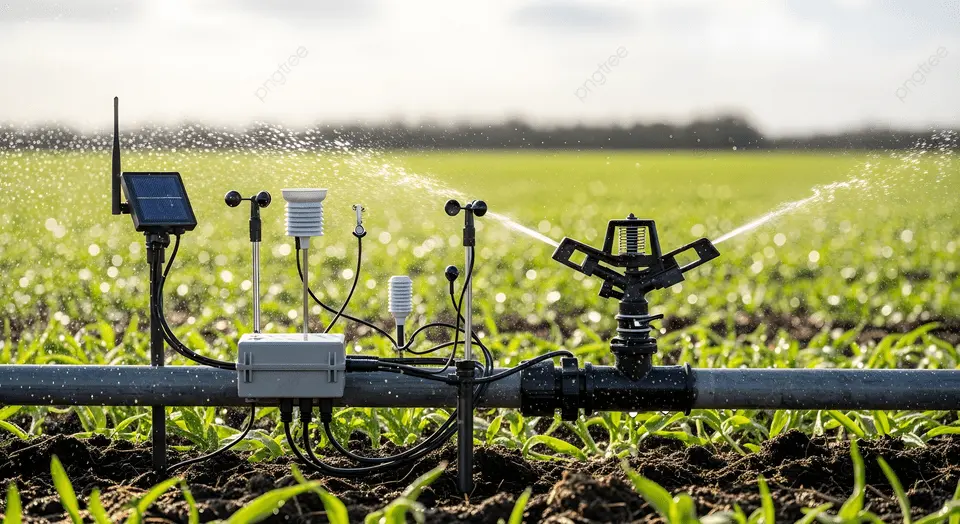
Smart Irrigation Systems in Modern Farming Techniques In the evolving world of agriculture, adopting modern farming techniques is the key to achieving sustainability and maximizing output. Among these techniques, smart irrigation systems play a pivotal role in enhancing water management agriculture, improving farming water efficiency, and ensuring crop health with minimal resource wastage. This comprehensive guide explores how smart irrigation is transforming farming practices, integrating technologies like drip irrigation and precision irrigation to meet the demands of modern agriculture. Understanding Modern Farming Techniques Modern farming techniques encompass a wide range of innovative methods designed to improve agricultural productivity while minimizing environmental impact. These techniques leverage technology, data analysis, and sustainable practices to optimize resource use, boost crop yields, and ensure long-term soil health. One of the primary challenges in agriculture is efficient water use, as water scarcity continues to rise globally. This is where smart irrigation systems become crucial in revolutionizing how farmers approach water application, helping them manage crops with precision and sustainability. What Are Smart Irrigation Systems? Smart irrigation systems use advanced sensors, weather data, and automated controls to deliver the right amount of water to crops at the right time. Unlike traditional irrigation methods that apply water uniformly regardless of soil moisture or weather conditions, smart systems adapt irrigation schedules, optimizing water usage, reducing waste, and enhancing crop growth. Key features of smart irrigation include: – Soil moisture sensors to detect water levels – Weather forecasting integration for anticipating rainfall – Remote monitoring and control via mobile apps or controllers – Variable rate irrigation to deliver specific water requirements based on crop types and soil conditions By incorporating these features, farmers achieve higher farming water efficiency, critical in areas affected by drought or limited water availability. The Role of Smart Irrigation in Water Management Agriculture Water management agriculture focuses on the strategic use and conservation of water resources for crop production. Efficient water use is vital not only to reduce costs but also to protect the environment. Through smart irrigation, farmers can: – Monitor real-time water needs of crops – Increase crop quality and yield by preventing under or overwatering – Lower energy consumption associated with pumping and water distribution – Avoid runoff and soil erosion caused by excessive watering This level of control aligns perfectly with the goals of sustainable farming, ensuring that water is used responsibly while meeting agricultural demands. Popular Smart Irrigation Techniques in Modern Farming Drip Irrigation One of the most well-known modern irrigation methods is drip irrigation. This technique involves delivering water directly to the plant’s roots through a network of tubes and emitters. When combined with smart sensors, drip irrigation maximizes water use efficiency by applying water only where it is needed. Benefits of drip irrigation include: – Reduced water consumption compared to surface or sprinkler irrigation – Minimized evaporation losses – Improved nutrient management when fertilizers are applied through irrigation – Better control over soil moisture levels Precision Irrigation Precision irrigation incorporates data analytics and geographic information systems (GIS) to create detailed irrigation maps. This method considers soil variability, crop type, and topography to optimize water application precisely. It uses technologies such as: – Satellite and drone imaging – Soil and weather sensors – Variable rate irrigation machinery Precision irrigation improves farming water efficiency and increases yields by tailoring water use to specific field conditions, ensuring every part of the farm receives exactly what it needs. Combining Drip and Precision Irrigation Many modern farms combine drip irrigation with precision irrigation technologies to harness the best of both worlds. This integration makes irrigation smarter, more efficient, and environmentally sustainable. Benefits of Smart Irrigation in Modern Farming Techniques Implementing smart irrigation offers multiple advantages within modern farming techniques: 1. Enhanced Water Conservation: Optimizes water use and reduces wastage, critical in regions facing water scarcity. 2. Improved Crop Yields: Adequate and timely watering ensures healthy crop growth and increases productivity. 3. Cost Savings: Lower water and energy consumption lead to reduced operational costs. 4. Real-Time Monitoring: Ability to monitor soil and weather conditions remotely enables timely adjustments. 5. Sustainability: Promotes responsible use of natural resources aligning with sustainable farming initiatives. 6. Labor Efficiency: Automation reduces the need for manual watering, saving labor time and expenses. 7. Data-Driven Decisions: Provides valuable data to make informed farming decisions beyond irrigation. Challenges and Considerations for Smart Irrigation Adoption Despite its advantages, smart irrigation does have some challenges: – Initial Investment: High upfront costs for equipment and technology integration. – Technical Expertise: Farmers need training to operate and maintain smart irrigation systems effectively. – Infrastructure: Requires reliable power sources and internet connectivity for remote monitoring. – Customization: Systems need to be tailored to specific crops, soil types, and climate conditions. Addressing these concerns through education, subsidies, and technological advancements will accelerate the adoption of smart irrigation as a standard element in modern farming. Case Studies: Smart Irrigation Success Stories Case Study 1: Vineyard in California A vineyard in California implemented a combination of drip irrigation and precision irrigation sensors to monitor soil moisture and weather data. By adjusting irrigation schedules automatically, the farm cut water usage by 35% and increased grape yield by 20%, demonstrating the effectiveness of smart irrigation in a water-stressed region. Case Study 2: Rice Fields in India Farmers in India deployed smart irrigation controllers connected to soil moisture sensors. This adoption led to optimized water distribution that reduced irrigation frequency by 40%, saving water while maintaining crop health and boosting productivity. Integrating Smart Irrigation with Other Modern Farming Techniques Smart irrigation is a crucial component of the larger sustainable agriculture ecosystem. It works well in synergy with other modern farming techniques: – Soil Health Monitoring: Combined data helps better understand nutrient and water needs. – Crop Rotation and Polyculture: Smart watering supports diverse crop patterns by adjusting to different crop water requirements. – Integrated Pest Management (IPM): Proper moisture levels reduce pest outbreaks. – Renewable Energy: Solar-powered smart irrigation systems reduce the carbon footprint further. Together, these techniques promote a resilient, efficient,

Smart Irrigation Systems in Modern Farming Techniques Read More »
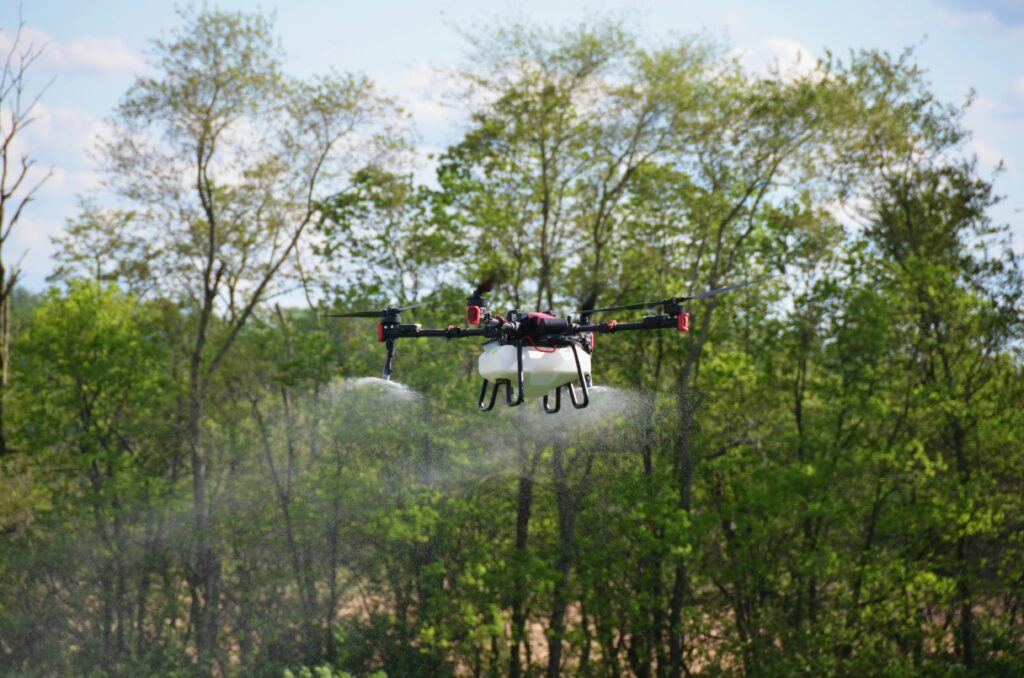
Drones in Modern Farming

Use of Drones in Modern Farming Techniques for Crop Monitoring

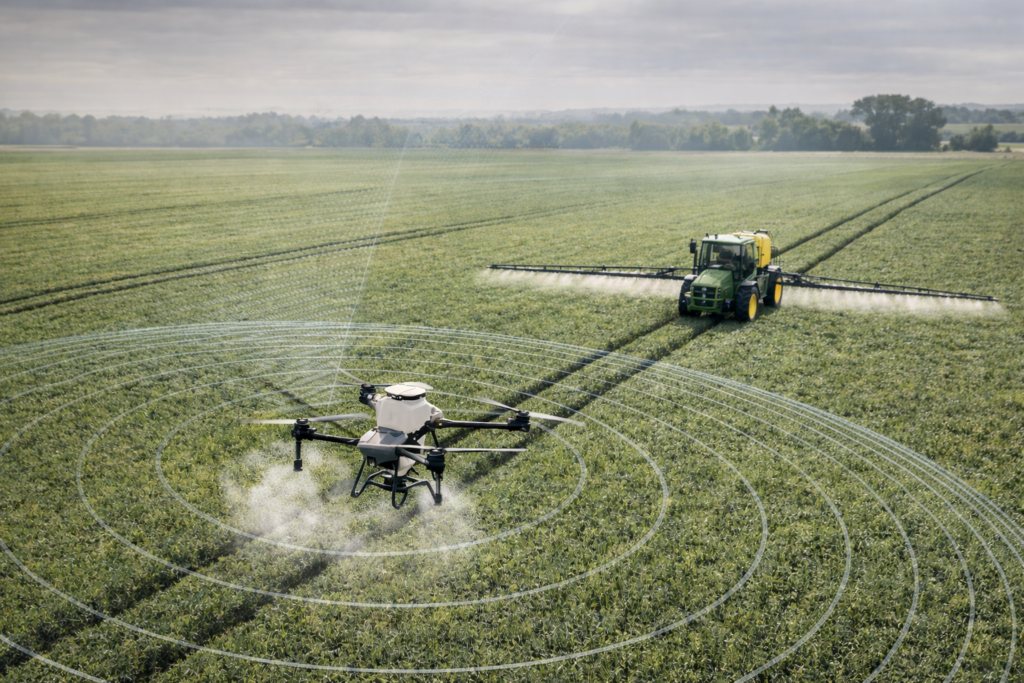
Use of Drones in Modern Farming Techniques for Crop Monitoring In recent years, modern farming techniques have undergone a remarkable transformation, with technology playing a pivotal role in optimizing agricultural outputs while promoting sustainability. Among these innovations, the use of agricultural drones has emerged as a game-changer in crop monitoring and farm management. This blog explores how drones are integrated into crop monitoring technology, how they enhance precision farming tools, and their broader impact on smart agriculture and farm surveillance within the sphere of sustainable farming. The Evolution of Modern Farming Techniques Before the adoption of modern technologies, traditional farming methods relied heavily on manual labor, intuition, and experience for crop monitoring and management. However, with the rising global demand for food and increasing pressures of environmental sustainability, farmers and agribusinesses are turning to advanced tools and techniques to maximize efficiency and productivity. Modern farming techniques blend agronomic science with technological innovation, leading to a new era termed smart agriculture. This approach incorporates data-driven practices, automation, and remote sensing technologies—among which drones stand out for their versatility and impact. How Agricultural Drones Enhance Crop Monitoring Technology What Are Agricultural Drones? Agricultural drones are unmanned aerial vehicles (UAVs) equipped with specialized sensors, cameras, and software platforms tailored for farming applications. These drones provide real-time aerial imagery, multispectral data, and environmental metrics, enabling farmers to monitor crops more accurately than ever before. Benefits of Using Drones for Crop Monitoring 1. High-Resolution Imaging Drones capture high-definition images and videos that reveal crop health, pest infestations, and irrigation issues. This level of detail provides insights impossible to gather through ground-level inspections. 2. Efficient Data Collection Covering large fields within minutes, drones save enormous amounts of time compared to manual scouting. This efficiency translates to timely interventions, reducing crop losses. 3. Multispectral and Thermal Sensing These advanced sensors detect variations in plant health invisible to the naked eye, such as NADPH activity and water stress, improving decision-making regarding fertilization, irrigation, and pest control. 4. Real-Time Monitoring and Reporting Integrated software platforms allow for live dashboards, remote access, and automated report generation that help farmers keep track of field conditions anytime, anywhere. Precision Farming Tools Powered by Drones Precision farming relies on accurate data to optimize agricultural inputs—seeds, water, fertilizers, and pesticides—tailored specifically to field variability. Drones act as critical tools by providing precise field maps and insights that guide: – Variable Rate Application (VRA) to reduce waste – Identification of underperforming zones within a field – Early detection of diseases or weeds – Soil condition assessments through aerial surveys The Link Between Drones and Smart Agriculture Smart agriculture integrates IoT sensors, AI algorithms, automated equipment, and drones into a cohesive ecosystem. Drones enhance this system by providing comprehensive aerial data streams that feed into farm management systems, creating dynamic feedback loops to optimize outputs sustainably. The Role of Farm Surveillance in Sustainable Farming Effective farm surveillance using drones improves crop security, deters theft and vandalism, and enables monitoring of grazing livestock and fences. Beyond security, surveillance also plays a role in environmental stewardship by monitoring soil erosion, detecting unauthorized land use, and tracking wildlife interactions. Advantages of Integrating Farm Surveillance with Crop Monitoring – Real-time alerts for security breaches or unusual activity – Condition monitoring of critical infrastructure like irrigation systems – Ability to perform inspections without disrupting farm operations – Reduced labor costs associated with manual patrolling Challenges and Considerations in Using Drones for Modern Farming While drones offer numerous benefits, farmers must consider challenges such as regulatory restrictions, initial investment costs, skill requirements to operate and interpret data, and weather dependency. Despite these hurdles, many agricultural enterprises find their long-term advantages significantly outweigh the initial barriers. Key Factors to Evaluate Before Implementing Drone Technology: – Compliance with local aviation regulations – Training needs for drone pilots and data analysts – Integration compatibility with existing farm management software – Maintenance and operational costs Benefits Comparison Between Traditional and Drone-Assisted Crop Monitoring Comparison of Traditional Crop Monitoring Vs. Drone-Assisted Crop Monitoring Comparison Factor Traditional Crop Monitoring Drone-Assisted Crop Monitoring Speed of Data Collection Slow; requires manual scouting over large areas Fast; covers extensive fields in minutes Data Accuracy Limited to visual inspection and sampling High-resolution imaging with multispectral data Labor Requirements High; intensive workforce needed Low; automated flight and data capture Cost Efficiency Lower upfront cost, higher ongoing labor costs Higher initial cost, lower operational costs over time Environmental Impact May require more inputs due to less precise data Supports sustainability by optimizing input use Future Trends in Drone Use for Modern Farming Techniques Technology continues to evolve rapidly. Future drones will likely incorporate enhanced AI capabilities for autonomous decision-making, improved battery life for longer flight times, and advanced sensors to analyze more variables such as soil microbiomes and nutrient levels. Additionally, drone swarms and integration with satellite imagery and ground sensor networks will help create a holistic and highly granular picture of farm health. FAQs About Use of Drones in Modern Farming Techniques Q1: Are agricultural drones suitable for all types of crops? Yes, drones are versatile and can be used in a wide range of crops including cereals, fruits, vegetables, and even vineyards, adapting monitoring methods accordingly. Q2: How do drones contribute to sustainability in farming? By providing precise data, drones help reduce the overuse of water, fertilizers, and pesticides, minimizing environmental impact and promoting sustainable farming practices. Q3: What kind of regulations exist for drone use in agriculture? Regulations vary by country but typically involve pilot certification, flight permissions, altitude limits, and privacy considerations. Farmers should consult local authorities or aviation agencies. Q4: Can small-scale farmers afford drone technology? While initial costs can be high, prices are decreasing as technologies mature, and many smallholders also access drone services on a rental or subscription basis, making it more affordable. Q5: How often should drones be used for crop monitoring? The frequency depends on crop type, growth stages, and specific monitoring goals, but common practice ranges from weekly to bi-weekly flights during critical

Use of Drones in Modern Farming Techniques for Crop Monitoring Read More »

Modern Farming Techniques

Modern Farming Techniques That Reduce Labor and Increase Profit

Modern Farming Techniques That Reduce Labor and Increase Profit In today’s rapidly evolving agricultural landscape, modern farming techniques have become essential for optimizing productivity while reducing labor intensity. Farmers worldwide are seeking ways to improve farm efficiency and embrace labor saving agriculture strategies that not only save time but also contribute to profitable farming methods. This comprehensive guide explores how adopting the latest advancements in agriculture leads to cost effective farming with substantial modern agriculture benefits. Understanding Modern Farming Techniques Modern farming techniques refer to innovative tools, technologies, and cultivation practices that enhance agricultural output and sustainability. These methods leverage mechanization, digital tools, and scientific practices to optimize resource use, reduce physical workload, and increase profitability on farms of all scales. Unlike traditional farming which is often labor-intensive and less predictable, modern agriculture techniques incorporate precise data, machinery, and ecological best practices to transform farming into a highly efficient and profitable enterprise. Farmers benefit from reduced manual labor demands and better yields through techniques such as precision farming, automation, and integrated pest management. Key Modern Farming Techniques That Reduce Labor and Increase Profit 1. Precision Agriculture Precision agriculture uses GPS mapping, drones, sensors, and satellite imagery to monitor and manage crop growth. This approach allows farmers to apply water, fertilizers, and pesticides only where needed, reducing waste and labor costs. It optimizes inputs and enhances crop health, boosting overall profitability. 2. Automated Machinery and Robotics Automation in farming has revolutionized traditional labor tasks such as planting, irrigation, harvesting, and sorting. Robots and automated machines perform repetitive jobs efficiently, reducing the need for manual labor and allowing farmers to focus on strategic decisions. 3. Smart Irrigation Systems Water management is crucial for modern farms. Smart irrigation systems use soil moisture sensors and weather data to deliver the exact amount of water crops require. This reduces water waste, labor associated with manual irrigation, and increases crop productivity. 4. Controlled Environment Agriculture (CEA) CEA techniques, including greenhouse farming and vertical farming, provide controlled conditions for crop growth. This method reduces crop loss due to climate variability and pest damage, lowers labor for weeding and pest control, and significantly increases yield per square foot. 5. Integrated Pest Management (IPM) IPM employs a combination of biological, cultural, and chemical tools to manage pests effectively with minimal environmental impact. This technique lowers the dependence on manual pesticide application and promotes sustainable farming practices. 6. Soil Health Management Modern farming emphasizes maintaining soil health through crop rotation, cover cropping, and reduced tillage. Healthier soils support better yields, reduce labor for soil preparation, and minimize fertilizer use costs. Enhancing Farm Efficiency Through Modern Techniques One of the fundamental goals of adopting modern farming techniques is to improve farm efficiency. This includes maximizing output while minimizing input costs, labor hours, and material waste. The Role of Data Analytics in Farm Efficiency Data-driven farming utilizes sensors and farm management software to track crop performance, soil conditions, and input usage in real-time. Farmers can make informed decisions, such as when to plant or harvest, leading to better time management and resource allocation. Mechanization and Labor Saving Agriculture Farm mechanization replaces manual tasks with machines, drastically reducing human labor needs. From seed drills to automated tractors, mechanization ensures consistent work quality and speeds up farm operations—key elements of labor saving agriculture. Crop Diversification for Profitability Incorporating a mix of crop types reduces vulnerability to disease and market fluctuations while enhancing nutrient cycling. Diversified farms can generate multiple income streams, supporting profitable farming methods and overall farm sustainability. Cost Effective Farming Through Technology Implementing cost effective farming strategies helps farmers reduce production expenses without compromising yield quality. Technology plays a central role by decreasing reliance on costly, inefficient processes. Use of Renewable Energy Solar-powered irrigation pumps and biogas systems lower energy costs and improve environmental sustainability—a hallmark of modern agriculture benefits. These technologies reduce dependence on fossil fuels and help farmers save significantly over time. Seed Treatment and Genetics Improved seed varieties with enhanced resistance to pests and drought reduce the need for chemical treatments and extra irrigation. Though initial costs may be higher, these seeds contribute to long-term cost savings and higher profitability. Modern Agriculture Benefits for Sustainable Farming The shift towards modern farming techniques offers substantial benefits beyond immediate economic gains. With sustainability becoming a global priority, modern agriculture balances productivity and environmental stewardship. Reduced Environmental Footprint By using inputs judiciously, managing soil health, and adopting renewable energy, modern farmers minimize negative impacts on ecosystems. This results in cleaner water, improved biodiversity, and long-term land fertility. Enhanced Food Security Higher and more reliable crop yields contribute to global food security. Reduced labor barriers also make farming accessible to a broader demographic, promoting social sustainability. Economic Viability for Future Generations Profitable modern farming techniques enable farmers to reinvest in their operations, innovate further, and support community livelihoods for years to come. FAQ Section What are the best modern farming techniques for small-scale farmers? Small-scale farmers can benefit from affordable precision tools like soil sensors, drip irrigation systems, and mobile-based farm management apps. Techniques such as crop rotation and integrated pest management are also highly effective for sustainable growth. How do modern farming techniques reduce labor? Modern farming uses mechanized equipment, automated systems, and data-driven decision-making to reduce the need for repetitive manual work, thereby saving time and labor costs. Are modern farming techniques expensive to implement? While some technologies may require initial investment, many tools improve resource efficiency, reduce input costs, and increase yields, making them cost effective in the long term. Can modern farming techniques be environmentally sustainable? Yes, many modern approaches prioritize sustainability, including precision agriculture, renewable energy use, and soil conservation practices that protect the environment. How do modern farming techniques improve profitability? By optimizing input usage, reducing labor costs, increasing crop yields, and minimizing losses, modern farming techniques create a more profitable farming operation. Conclusion Adopting modern farming techniques is a game-changer for farmers looking to boost farm efficiency, reduce labor, and enhance profitability. These advanced methods

Modern Farming Techniques That Reduce Labor and Increase Profit Read More »

modern farming techniques

Disadvantages of Modern Farming Techniques You Should Know

Disadvantages of Modern Farming Techniques You Should Know Modern farming techniques have revolutionized agriculture, increasing productivity and feeding billions worldwide. However, despite the benefits, there remain significant farming drawbacks and modern agriculture problems that cannot be ignored. These issues affect the environment, soil health, biodiversity, and long-term agricultural sustainability. In understanding these challenges, farmers, policymakers, and consumers can move toward more sustainable solutions. In this in-depth article, we will explore the disadvantages of modern farming techniques, highlighting environmental risks, agriculture sustainability issues, and the broader farming challenges these methods pose. What Are Modern Farming Techniques? Modern farming techniques refer to the advanced methods and technologies used in agriculture to boost crop yields, improve efficiency, and reduce labor. These techniques include the extensive use of chemical fertilizers and pesticides, genetically modified crops, mechanization, monocropping, and irrigation technologies. While these practices have driven agricultural success, it is vital to recognize their limitations and adverse effects, especially from a sustainability and environmental perspective. Farming Drawbacks of Modern Farming Techniques 1. Soil Degradation and Loss of Fertility One of the most critical farming drawbacks associated with modern farming techniques is soil degradation. Intensive use of chemical fertilizers and monocropping exhausts soil nutrients. Over time, this diminishes soil fertility, leading to reduced crop yields and increased dependence on artificial inputs. Soil erosion is another consequence, worsened by heavy machinery and lack of crop rotation. This results in the loss of the fertile topsoil layer, which is essential for healthy plant growth. 2. Environmental Risks Due to Chemical Use The widespread use of chemical pesticides and herbicides presents significant environmental risks. These substances can contaminate water bodies through runoff, causing harm to aquatic life and water quality. Additionally, pesticide use has been linked to the decline in pollinator populations such as bees, which are crucial for crop pollination. The persistence of chemical residues in soil also affects non-target organisms, disrupting biodiversity and ecological balance. 3. Water Resource Depletion and Pollution Modern irrigation techniques, including extensive groundwater pumping and flood irrigation, have led to severe water resource depletion in many farming regions. Over-extraction can lower water tables, making farming unsustainable long-term. Furthermore, nutrient runoff rich in nitrates and phosphates from fertilized fields often finds its way into rivers and lakes, causing eutrophication and harmful algal blooms. 4. Biodiversity Loss Monocropping, a common practice in modern farming, reduces crop diversity and the natural habitats of many species. This loss of biodiversity makes ecosystems more vulnerable to pests and diseases, which subsequently increases the need for chemical interventions. Reduced biodiversity in farmland can also impact soil health and pollination services, both critical components of sustainable agriculture. 5. Greenhouse Gas Emissions and Climate Change Impacts Modern agriculture is a significant contributor to greenhouse gas emissions, including methane from livestock and nitrous oxide from fertilized soils. The intensive use of fossil-fuel-powered machinery adds to the carbon footprint of farming operations. Consequently, these emissions contribute to climate change, which in turn creates unpredictable weather patterns that compromise agricultural productivity. 6. Dependence on Nonrenewable Resources Many modern farming techniques rely heavily on nonrenewable resources such as synthetic fertilizers derived from fossil fuels and petroleum-based pesticides. This dependence raises concerns about long-term sustainability as these inputs become more expensive and environmentally problematic. Agriculture Sustainability Issues Related to Modern Farming Techniques Sustainable farming aims to meet current food needs without compromising future generations’ ability to do the same. Unfortunately, many modern farming techniques conflict with principles of sustainability. – Resource Depletion: The overuse of soil nutrients, water, and energy resources challenges the renewability of agricultural production systems. – Pollution: Synthetic chemicals cause soil and water pollution, negatively impacting ecosystems and human health. – Social Implications: Modern farming often involves large-scale monocultures that can marginalize small farmers and reduce rural employment opportunities. – Resilience: Reduced genetic diversity in crops makes farming systems less resilient to pests, diseases, and climate variability. Farming Challenges Emerging From Modern Agriculture Problems Farmers using modern techniques face several challenges, including: – Rising Costs: Dependence on expensive chemical inputs and machinery increases production costs, which can be prohibitive for small-scale farmers. – Pest and Weed Resistance: Overuse of pesticides can lead to resistant pest populations and herbicide-resistant weeds, making control more difficult over time. – Health Concerns: Exposure to chemicals can affect the health of farmers and farm workers. – Market Volatility: Monoculture farming often depends on a few crops, raising risk if market prices drop or crops fail. Addressing the Disadvantages: Moving Towards Sustainable Farming Despite the challenges and issues linked with modern farming techniques, integrating sustainability principles can help mitigate many problems. Approaches such as integrated pest management, organic amendments, crop rotation, agroforestry, and precision farming can reduce reliance on harmful chemicals and improve resource use efficiency. Sustainable farming focuses on enhancing soil health, conserving water, protecting biodiversity, and reducing greenhouse gases while maintaining productive agriculture. FAQs About Modern Farming Techniques Q1: What are the main disadvantages of modern farming techniques? Modern farming techniques often cause soil degradation, water pollution, biodiversity loss, greenhouse gas emissions, and increased dependence on nonrenewable resources. Q2: How do modern farming techniques impact environmental sustainability? They contribute to pollution, resource depletion, and ecosystem disruption, which challenge the long-term sustainability of agriculture. Q3: Can modern farming techniques be sustainable? Yes, if integrated with sustainable practices like precision agriculture, organic inputs, and crop diversification, they can be more environmentally responsible. Q4: What are the economic challenges of modern farming? High costs of inputs like fertilizers, pesticides, machinery, and risks associated with monocultures can impact farm profitability. Q5: How do modern farming techniques affect biodiversity? They often reduce biodiversity through monocropping and extensive chemical use, affecting ecosystems and natural pest control. Q6: What role does climate change play in the challenges of modern farming? Climate change exacerbates farming challenges by introducing unpredictable weather patterns, increasing pest pressure, and stressing crop production systems. Conclusion While modern farming techniques have played a vital role in feeding the world’s growing population, their farming drawbacks and modern agriculture problems pose serious

Disadvantages of Modern Farming Techniques You Should Know Read More »

farm subsidies

How Farm Subsidies Impact American Farmers

How Farm Subsidies Impact American Farmers Farm subsidies have been a cornerstone of American agricultural policy for decades. Designed to stabilize farmer income, promote sustainable farming, and protect the agricultural sector from unpredictable market fluctuations, farm subsidies play a significant role in shaping the landscape of farming in the United States. Understanding the intricacies of these subsidies, including US farm subsidies, federal payments, crop insurance, and other forms of government assistance, is vital for anyone interested in sustainable farming and agricultural policy. In this article, we’ll explore how farm subsidies impact American farmers, the balance between government support and market forces, and why these subsidies remain a contentious topic among policymakers, farmers, and consumers alike. What Are Farm Subsidies? Farm subsidies are financial supports provided by the government to farmers and agribusinesses. These payments aim to supplement farm income, manage the supply of agricultural commodities, and meet environmental and conservation goals. The main forms of subsidies include direct payments, crop insurance, price supports, and conservation incentives. Types of Farm Subsidies in the United States – Direct Federal Payments: These are fixed payments to farmers based on past production or current acreage. – Crop Insurance Subsidies: The government helps subsidize insurance premiums that protect farmers from losses due to bad weather or market prices. – Price Supports: Mechanisms that help maintain minimum prices for key crops. – Conservation Payments: Incentives for farmers practicing sustainable agriculture or protecting land resources. How Do US Farm Subsidies Affect Farmer Income? One of the most significant objectives of farm subsidies is to stabilize farmer income. Farming is inherently risky—weather, pests, diseases, and volatile market prices can dramatically affect profitability. By providing federal payments and subsidizing crop insurance, the government offers a safety net that helps farmers maintain steady income despite these uncertainties. For example, during years of drought or flood, crop yields may drop, but crop insurance payouts can reduce income loss. Similarly, federal payments help reduce the financial burden when crop prices fall below certain thresholds. The Role of Crop Insurance in Income Stability Crop insurance is a foundational element of the US farm subsidy structure. Farmers pay premiums to purchase insurance policies that cover loss of crops due to natural disasters or price declines. The government assists by subsidizing a significant portion of insurance premiums, making this protection affordable. This combination of insurance and subsidies ensures farmers can manage risk more effectively, leading to greater economic stability in their operations. H3: Comparison of Farm Income With and Without Subsidies Below is a basic comparison illustrating the impact of farm subsidies and federal payments on farmer income stability. Farm Income Stability: With vs. Without Farm Subsidies Comparison FactorWith Farm SubsidiesWithout Farm SubsidiesIncome StabilityHigh – Income fluctuations managed via insurance and paymentsLow – High vulnerability to weather and market fluctuationsRisk of BankruptcyReduced significantly due to safety netsIncreased risk, especially in poor harvest yearsAccess to CreditEasier – stable income improves creditworthinessDifficult – unstable revenue may deter lendersInvestment in Sustainable FarmingMore feasible with guaranteed base incomeLimited due to higher financial uncertainty The Role of Government Assistance in Sustainable Farming While farm subsidies have traditionally aimed to increase production and ensure food security, recent policy shifts emphasize sustainable farming practices. Farmers are increasingly encouraged to adopt methods that protect soil health, conserve water, and reduce chemical inputs. Some federal payments are now tied directly to environmental stewardship and conservation programs. For example, programs like the Conservation Reserve Program (CRP) pay farmers to remove environmentally sensitive land from agricultural production and plant species that improve environmental health. Balancing Production and Sustainability A critical challenge in agricultural policy is balancing the goal of maximizing production with maintaining long-term sustainability. US farm subsidies historically encouraged growing commodity crops such as corn, soy, and wheat, sometimes at the expense of crop diversity and soil health. Recently, incentives for sustainable practices, such as cover cropping and reduced tillage, have been integrated into subsidy programs. This evolution signifies a broader shift towards agricultural sustainability within the subsidy framework. Controversies and Criticisms Surrounding Farm Subsidies While farm subsidies provide clear benefits, they are not without controversy. Critics argue that subsidies can distort markets, disproportionately benefit large agribusinesses, and contribute to environmental degradation. Key Criticisms: – Inequitable Distribution: A large percentage of subsidies is often concentrated among the largest farms, leaving small and mid-sized farmers at a relative disadvantage. – Market Distortion: Subsidies may lead to overproduction of certain crops, which can depress prices domestically and internationally. – Environmental Concerns: Incentives to maximize production may encourage monoculture and excessive chemical use, impacting soil and water quality. Despite these criticisms, many experts agree that well-designed subsidies, especially those focused on sustainable practices, can be an essential tool for ensuring both economic viability and environmental stewardship. Economic Impact of US Farm Subsidies on Rural Communities Beyond individual farmers, federal payments and farm subsidies have a broader economic impact on rural communities. Subsidies help sustain local economies by supporting employment in farming and related industries, from equipment suppliers to food processors. Stable farmer income enables continued investment in local businesses and infrastructure, which is crucial for the vitality of rural areas. The Future of Farm Subsidies: Trends and Predictions As climate change, technology, and consumer preferences evolve, the future of farm subsidies is likely to reflect these shifts. Emerging Trends Include: – Greater Emphasis on Climate Resilience: Subsidies may increasingly support practices that help farms adapt to climate change impacts. – Integration of Technology: Support for precision agriculture, which can increase efficiency and reduce environmental footprints. – Focus on Equity: More programs aimed at supporting smaller farms and historically underserved farmers to promote equity in agriculture. H3: Comparison of Traditional vs Sustainable Farm Subsidy Approaches Traditional vs Sustainable Farm Subsidy Programs Comparison FactorTraditional Farm SubsidiesSustainable Farm SubsidiesPrimary GoalIncrease production and stabilize incomeSupport environmental health and resilienceCrop FocusCommodity crops like corn, wheat, soyDiverse crop rotations and conservation cropsEnvironmental ImpactMixed – often contributes to soil degradationPositive – encourages soil and water conservationSupport TypeDirect payments, price supportsConservation payments, cost-share for sustainable

How Farm Subsidies Impact American Farmers Read More »

Drip Irrigation vs Sprinkler

Drip Irrigation vs Sprinkler — Which One Saves More Water?

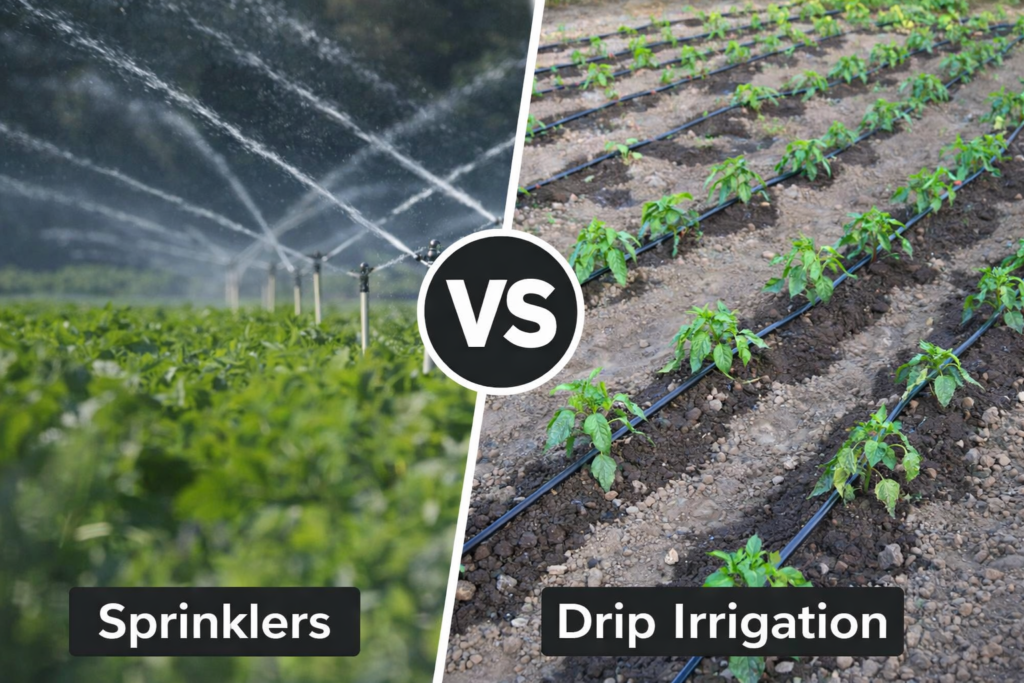
 Drip Irrigation vs Sprinkler — Which One Saves More Water? Water scarcity poses a mounting challenge for agriculture worldwide. To cultivate crops effectively while conserving precious water resources, farmers and agricultural experts continuously seek the most efficient irrigation methods. Among the most popular irrigation techniques are drip irrigation and sprinkler irrigation. Both methods have their unique advantages and are widely used, but when it comes to water-saving farming, which one truly excels? This article delves into the drip irrigation benefits, compares it to sprinkler irrigation, and analyzes their water conservation strengths. Understanding Drip Irrigation and Sprinkler Irrigation Before exploring the water-saving potential of each, it’s important to understand how these two irrigation systems operate. What Is Drip Irrigation? Drip irrigation is a localized watering system that delivers water directly to the root zone of plants through a network of valves, pipes, tubing, and emitters. Water is dispensed slowly and steadily as droplets, minimizing runoff and evaporation. This precision allows plants to absorb moisture directly, promoting healthier growth and reducing wastage. What Is Sprinkler Irrigation? Sprinkler irrigation distributes water through a system of pumps and pipes to sprinkler heads, which spray water uniformly across the field in the form of droplets. These droplets simulate natural rainfall and cover a broad area, supporting a range of crop types and field sizes. Sprinkler irrigation is often used where water supply is moderate and terrain allows for easy distribution. Drip Irrigation Benefits for Water-Saving Farming Drip irrigation is widely praised for its efficiency and capability to save water, especially in water-scarce areas. Here are some of the key drip irrigation benefits that contribute to water-saving farming: 1. Reduced Water Loss from Evaporation Drip irrigation delivers water directly to the soil near plant roots, minimizing water exposure to the air. This significantly lowers evaporation losses compared to sprinkler systems, where droplets fall through the air and evaporate before reaching the soil. 2. Minimized Runoff and Deep Percolation Water applied via drip irrigation is slow and localized, preventing overwatering and runoff. In contrast, sprinklers sometimes apply water faster than the ground can absorb, causing runoff that results in water wastage. 3. Efficient Nutrient Application Fertilizers and nutrients can be applied through drip irrigation systems via fertigation. This process helps target nutrient delivery efficiently, reducing leaching and runoff that typically occur in sprinkler irrigation. 4. Decreased Weed Growth Since water delivery is focused solely on the root zone of crops, surrounding soil remains drier, discouraging weed germination and growth. Sprinklers wet the entire field surface, often promoting weeds. 5. Adaptability to Uneven Terrain Unlike sprinklers, drip irrigation maintains efficiency on sloped or uneven lands where water could pool or runoff otherwise. 6. Energy Savings Less water used means less energy consumed for pumping and distributing irrigation water, making drip systems more sustainable and cost-effective over time. Sprinkler Irrigation Comparison: Advantages and Limitations While drip irrigation is ideal for water conservation, sprinkler irrigation has its own set of benefits and challenges: – Advantages – For large-scale crops like cereals and pastures, sprinklers efficiently cover extensive areas. – Sprinkler systems tend to be easier and less expensive to install initially. – Sprinklers aid in frost protection and can cool plants during hot weather. – Limitations – Higher water loss due to evaporation and wind drift. – Less precise water application can lead to overwatering and disease prevalence. – Water runoff may occur on uneven soils, reducing efficiency. Drip Irrigation vs Sprinkler: Water Efficiency Comparison To provide a clear side-by-side evaluation, here is a comparison table illustrating key factors influencing water savings between drip irrigation and sprinkler irrigation. Drip Irrigation and Sprinkler Irrigation Comparison Table Comparison of Drip Irrigation and Sprinkler Irrigation in Terms of Water Savings Comparison Factor Drip Irrigation Sprinkler Irrigation Water Application Method Direct, slow release at roots Sprayed over a wide area like rainfall Evaporation Loss Minimal due to soil-level delivery High evaporation, especially on windy/hot days Runoff and Deep Percolation Very low; controlled application rate Moderate to high depending on soil absorption Uniformity of Water Distribution Very uniform at root zones Uniform across field but affected by wind Water Use Efficiency High (up to 90% efficiency) Moderate (60-75% efficiency) Suitability for Different Crops Best for row crops, trees, orchards Ideal for lawns, pastures, and broad acre crops Energy Consumption Generally lower Higher due to pumping and pressure requirements How Drip Irrigation Supports Sustainable Water-Saving Farming By enabling precise water application and reducing waste, the drip irrigation benefits directly contribute to sustainable agriculture efforts: – Lower Water Footprint: Farmers can irrigate crops with significantly less water, optimizing water resources in drought-prone regions. – Increased Crop Yields: Efficient water use improves plant health and yield quality, thereby supporting food security. – Reduced Soil Erosion: Gentle application avoids runoff and soil displacement, preserving soil health. – Decreased Chemical Leaching: Better water control limits pesticide and fertilizer leaching into groundwater. Practical Considerations When Choosing Between Drip and Sprinkler Systems Though water-saving is paramount, other practical elements must be considered when selecting an irrigation system: Installation Cost and Maintenance – Drip systems typically have higher initial installation costs due to tubing and emitters but lower operating costs. – Sprinkler systems are often less expensive upfront but may consume more water and energy over time. Crop Type and Field Size – Drip irrigation is ideal for high-value, row crops, orchards, and vineyards, especially on smaller or uneven plots. – Sprinkler irrigation suits large open fields and crops that tolerate overhead watering. Climate and Soil Conditions – Hot, windy climates favor drip irrigation due to minimized evaporation. – Uniform soils with good infiltration may allow effective sprinkler use. FAQs About Drip Irrigation Benefits and Water-Saving Farming Q1: How much water can drip irrigation save compared to traditional sprinkler systems? Drip irrigation can save anywhere from 30% to 70% more water than sprinkler irrigation because it delivers water directly to the roots with minimal evaporation and runoff. Q2: Is drip irrigation suitable for all types of crops? While highly effective for row

Drip Irrigation vs Sprinkler — Which One Saves More Water? Read More »

profitable vegetables to grow

10 Most Profitable Vegetables to Grow in Pakistan

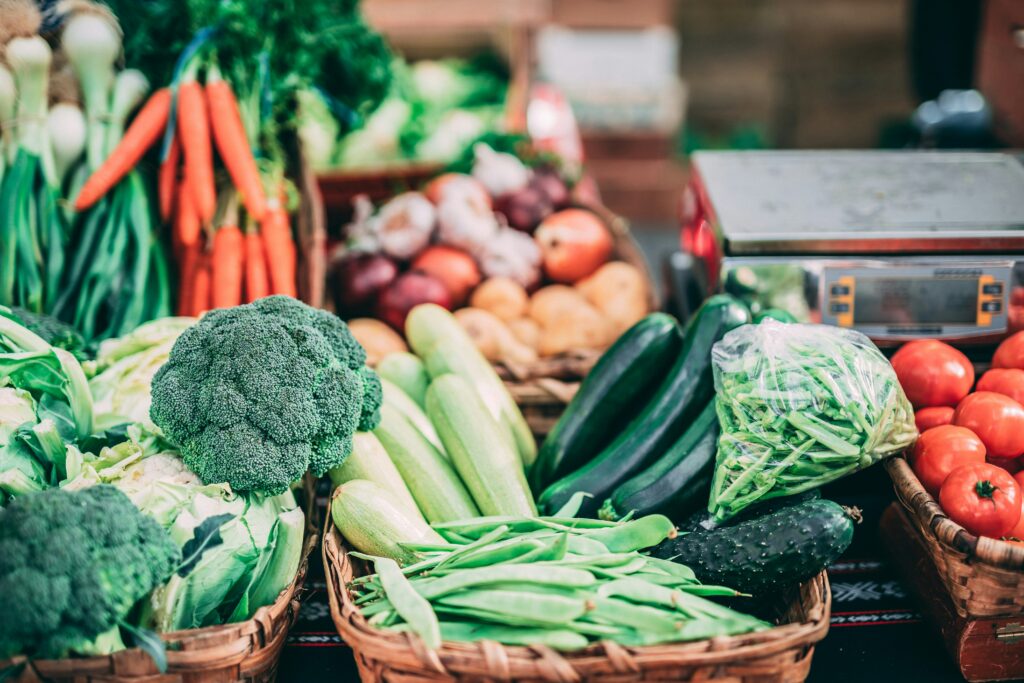
 10 Most Profitable Vegetables to Grow in Pakistan Commercial vegetable farming has become an increasingly lucrative business in Pakistan, thanks to rising demand both domestically and internationally. For aspiring farmers and entrepreneurs seeking to maximize their profits, understanding which crops yield the highest returns is crucial. In this article, we will explore the 10 most profitable vegetables to grow in Pakistan, with insights into cultivation practices and market dynamics to help you succeed in commercial vegetable farming. Why Focus on Profitable Vegetables to Grow? Vegetable farming is a cornerstone of Pakistan’s agricultural sector, providing employment and nutrition for millions. However, not all vegetables offer equal profitability. By focusing on profitable vegetables to grow, farmers can optimize their land use, minimize risks, and enjoy better financial rewards. Profitability depends on factors such as yield per acre, market demand, input costs, and crop cycles. Let’s dive into the top vegetable crops that offer high returns in Pakistan. 1. Tomato Tomatoes are among the most popular and profitable vegetables grown across Pakistan. They have a short growing cycle and can be grown multiple times a year. Tomatoes are used in almost every household kitchen, boosting demand in local markets. The high yield potential and robust market prices make tomatoes a lucrative option for commercial vegetable farming. Key Points: – Growing cycle: 60-90 days – Harvest frequency: Multiple cycles per year – Market demand: High – Challenges: Susceptible to diseases like blight and wilting 2. Onion Onions are a staple ingredient and have consistently high demand both in local and export markets. They require careful storage capabilities, but when handled properly, they yield substantial profits. Onion cultivation requires capital investment but offers stable returns throughout the year. Key Points: – Growing cycle: 120-150 days – Market demand: Year-round – Challenges: Storage and pest control 3. Potato Potato is a versatile and high-return crop with demand from both fresh vegetable markets and food processing industries. Its adaptability to different climates in Pakistan makes it highly suitable for commercial farming. Key Points: – Growing cycle: 90-120 days – Yield potential: High – Market demand: Consistent 4. Capsicum (Bell Pepper) Capsicum is gaining popularity among consumers due to its nutritional benefits and culinary versatility. Although the initial cost is relatively high, market prices for capsicum remain strong, making it a profitable vegetable to cultivate. Key Points: – Growing cycle: 70-90 days – Market demand: Growing trend – Specialty: Can command premium prices 5. Carrot Carrot farming, particularly in cooler regions of Pakistan, can yield good profits. Carrots have an expanding market for both fresh consumption and industrial purposes such as juice extraction and baby food products. Key Points: – Growing cycle: 70-80 days – Market demand: Steady increase – Soil requirement: Sandy loam preferred 6. Spinach (Palak) Spinach is a fast-maturing leafy vegetable with excellent consumer demand, especially in urban areas. It is often grown multiple times in a season, offering frequent harvests and quick returns on investment. Key Points: – Growing cycle: 30-45 days – Market demand: Increasing for health-conscious buyers – Suitable soil: Well-drained, fertile soil 7. Okra (Ladyfinger, Bhindi) Okra is widely consumed in Pakistan and has both seasonal and off-season demand, making it valuable to farmers focused on continuous cash flow. It grows well in warmer climates and requires moderate input costs. Key Points: – Growing cycle: 55-60 days – Growing season: Summer to early autumn – Challenges: Vulnerable to pests 8. Cabbage (Band Gobi) Cabbage is a cool-season vegetable with high market potential, especially during the winter months when supplies decrease. It can be cultivated in large quantities for both fresh market sales and processing. Key Points: – Growing cycle: 80-120 days – Market demand: Winter peak – Suitable regions: Northern and colder areas 9. Cauliflower (Phool Gobi) Cauliflower is a lucrative winter vegetable crop with good demand in urban markets. It requires vigilant pest management to ensure optimal yields but can provide good profit margins when grown commercially. Key Points: – Growing cycle: 80-100 days – Market demand: Seasonal peaks during winter – Input costs: Moderate to high 10. Peas (Matar) Green peas have an increasing market demand, particularly as a nutritious snack and ingredient in numerous dishes. They thrive in cooler temperatures and can be a profitable short-duration crop in commercial vegetable farming. Key Points: – Growing cycle: 60-70 days – Growing season: Early spring and winter – Market demand: Increasing steadily Commercial Vegetable Farming: Factors to Consider Farming any of these profitable vegetables to grow involves understanding the local climate, soil fertility, irrigation facilities, pest control, and access to reliable markets. Let’s examine some key factors essential for successful commercial vegetable farming in Pakistan. Factors Affecting Profitability in Vegetable Farming Comparison of Key Factors Influencing Profitability in Vegetable Farming Factor Description Impact on Profitability Climate Suitability Matching crops with regional climate zones Ensures higher yield and crop health Soil Quality Fertility and texture of soil Determines nutrient availability and yield Irrigation Facilities Water availability and management Prevents water stress and improves growth Seed Quality Use of certified and disease-resistant seeds Reduces losses and improves productivity Market Access Proximity to buyers and logistics Affects price realization and sale speed Pest & Disease Management Timely control measures Protects yield and maintains quality Input Costs Expenses on seeds, fertilizers, pesticides, labor Directly affects net profit margin Tips for Maximizing Returns from Vegetable Farming To make the most of your profitable vegetables to grow in Pakistan, consider the following practices: – Crop Rotation: Avoid planting the same crop repeatedly in a single field to reduce soil depletion and diseases. – Integrated Pest Management: Use environmentally friendly pest control methods to reduce chemical use and enhance crop quality. – Use of High-Yielding Varieties: Invest in improved seed varieties that mature quickly and resist common diseases. – Efficient Irrigation Techniques: Employ drip or sprinkler irrigation to conserve water and improve growth. – Post-Harvest Management: Proper sorting, grading, and packaging to fetch better prices in markets. – Diversified Cropping: Cultivate a mix of vegetables to

10 Most Profitable Vegetables to Grow in Pakistan Read More »

easy diy garden project

Top 5 Easy DIY Garden Projects for Small Spaces

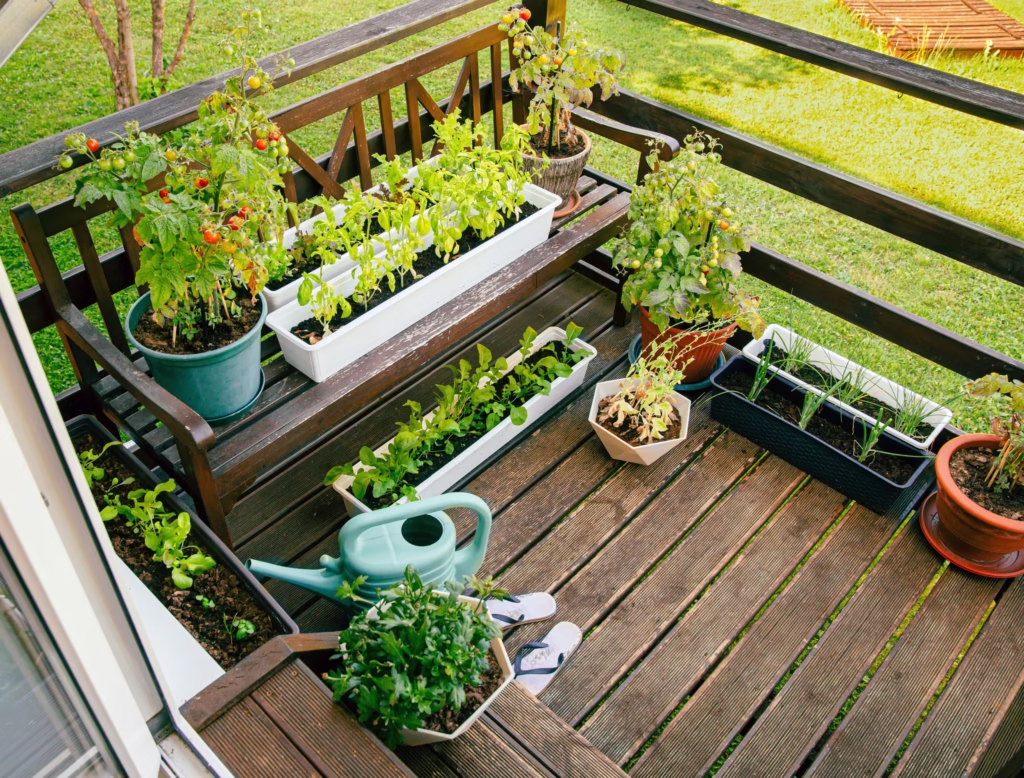
Top 5 Easy DIY Garden Projects for Small Spaces Creating a flourishing garden in a small area might seem challenging at first, but with the right approach, it can be incredibly rewarding. Whether you live in an apartment with a balcony or have a tiny backyard, there are plenty of easy diy garden project ideas that can bring greenery and life to your compact space. This blog will walk you through the top 5 small space diy garden project ideas designed to maximize every inch of your outdoor area while adding beauty and functionality. Gardening is not only therapeutic but also benefits your environment and adds aesthetic value to your home. Thanks to advances in diy garden project design software, you can now plan your garden layout effectively before getting your hands dirty. Keep reading to discover inspiring projects, practical tips, and answers to frequently asked questions about creating your own garden haven, no matter how limited your space. Why Choose a Small Space DIY Garden Project? Many urban dwellers face limited space but still wish to experience the joy of gardening. Choosing an easy diy garden project tailored to small spaces helps you: – Maximize every inch of your garden area – Cultivate fresh herbs, vegetables, or flowers – Personalize your living space with greenery – Reduce stress and improve mental well-being – Increase property value and curb appeal The key is to select projects that are simple, affordable, and adaptable to the constraints of a small footprint. Top 5 Easy DIY Garden Projects for Small Spaces 1. Vertical Garden Wall A vertical garden is an excellent solution for those with minimal floor space. By growing plants upwards, you free up valuable ground and create a stunning visual display. How to Build a Vertical Garden Wall – Use pallets, wooden frames, or specially designed vertical pots – Secure a waterproof backing if near walls – Select plants such as succulents, herbs, or trailing vines – Add soil pockets or planter boxes at various heights – Water regularly and ensure adequate sunlight This project works well on balconies, patios, or even indoors near windows. 2. Container Herb Garden Growing herbs in containers is one of the simplest diy garden project ideas. It requires minimal effort and can fit on windowsills, kitchen counters, or small outdoor spaces. Tips for a Successful Container Herb Garden – Choose containers with drainage holes – Use high-quality potting mix – Select herbs like basil, mint, thyme, or rosemary – Group plants according to water and sunlight needs – Regularly trim herbs to encourage growth Container gardens are portable, making it easy to move plants to ideal spots throughout the seasons. 3. Hanging Planters Hanging planters are perfect for adding greenery without taking up floor space. They bring depth and dimension to any small area and can be used indoors or outdoors. DIY Hanging Planter Ideas – Macramé hangers with terracotta pots – Recycled bottles or cans as creative planters – Tiered hanging baskets for a layered effect – Use flowering or trailing plants like petunias or ivy This project is fast to assemble and lets you showcase your favorite plants in a stylish manner. 4. Raised Garden Beds Raised garden beds optimize soil quality, drainage, and accessibility. By building compact raised beds, you create neat, manageable planting areas in confined spots. Considerations for Raised Garden Beds in Small Spaces – Build with materials like cedar or composite wood – Keep bed dimensions small, such as 4 feet by 2 feet – Fill with nutrient-rich garden soil or compost – Choose compact vegetable varieties or dwarf fruit plants – Position beds for maximum sunlight exposure Raised beds reduce the need for bending and make garden maintenance easier. 5. Window Box Garden Window boxes are charming and highly functional for small space gardening. They brighten up windows and provide fresh herbs or flowers just steps away. Creating a Window Box Garden – Select sturdy boxes with drainage features – Mount securely on window sills or railings – Use lightweight soil mixtures – Plant colorful flowers, salad greens, or herbs – Water frequently, especially during warmer months Window box gardens connect indoor and outdoor spaces, enhancing your home’s curb appeal. Benefits of Using DIY Garden Project Design Software Planning your garden layout can be intimidating, especially in limited spaces. This is where diy garden project design software becomes invaluable. These digital tools allow you to: – Visualize different garden layouts – Experiment with plant choices and dimensions – Plan irrigation and lighting setups – Ensure optimal use of space without overcrowding – Save budgets by strategizing materials and designs Popular software options come with intuitive drag-and-drop interfaces and libraries of plants, making the design process accessible to all skill levels. Garden Design Software Comparison Comparison of Popular DIY Garden Project Design SoftwareComparison FactorSoftware ASoftware BSoftware CEase of UseBeginner-friendlyIntermediateAdvancedPlant Library Size200+ plants500+ plants1000+ plants3D VisualizationYesNoYesCostFree basic versionSubscription-basedOne-time purchase How to Choose the Right Small Space DIY Garden Project When selecting an easy diy garden project for a small space, consider the following factors: – Available sunlight: Choose plants that thrive in your garden’s light conditions – Maintenance needs: Select low-maintenance projects if you have a busy schedule – Space dimensions: Measure your area accurately and pick a project that fits – Personal preferences: Decide between vegetables, herbs, flowers, or a combination – Budget: Start small if you’re new to gardening and scale up over time By aligning your project with these considerations, you set yourself up for satisfaction and success. Essential Tools for Your DIY Garden Project Before launching your small space garden, gather these essential tools: – Hand trowel and spade – Pruning shears or scissors – Watering can or hose with adjustable nozzle – Gardening gloves – Containers or materials for building beds/hangers – Soil and seeds or starter plants Having the right tools on hand makes your gardening tasks safer, easier, and more enjoyable. Maintaining Your Small Space DIY Garden Regular maintenance helps keep your

Top 5 Easy DIY Garden Projects for Small Spaces Read More »

Weekly Lawn Care

Weekly Lawn Care Tips to Maintain a Healthy Lawn

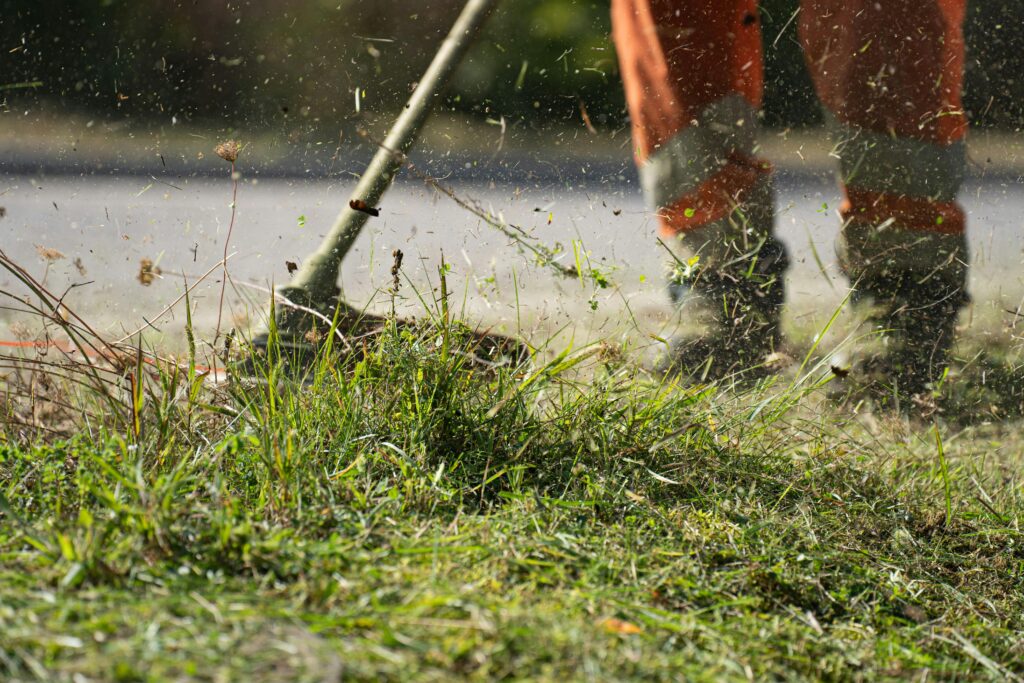
Weekly Lawn Care Tips to Maintain a Healthy Lawn Maintaining a healthy and vibrant lawn requires consistent attention and care. By adopting weekly lawn care practices, homeowners can ensure their grass remains lush, green, and resilient throughout the year. Whether it’s the middle of summer or the depths of winter, understanding what your lawn needs seasonally—and providing targeted care such as mowing, watering, and fertilizing—will help your yard thrive. In this comprehensive guide, we’ll walk you through essential steps for weekly lawn care, with a particular focus on seasonal lawn care strategies designed to keep your lawn in top condition no matter the time of year. Why Weekly Lawn Care Matters Your lawn is a living ecosystem that demands regular maintenance to stay healthy. The right actions performed on a weekly basis can prevent common problems such as weed infestations, pest damage, and fungal diseases. By following a structured routine of mowing, watering, and fertilizing, you give your lawn the best possible chance to flourish. The key benefits of consistent weekly lawn care include: – Encouraging deep root growth by regular but appropriate watering – Preventing overgrowth and promoting even grass height through mowing – Supplying essential nutrients with timely fertilizing – Reducing stress from seasonal fluctuations Understanding the unique needs of your lawn through the seasons will allow you to tailor your weekly routine accordingly. Essential Weekly Lawn Care Practices To maintain a healthy lawn, focus on these three pillars of weekly lawn care: mowing, watering, and fertilizing. Each plays a vital role in the health and appearance of your grass. Mowing: The Foundation of Lawn Maintenance Proper mowing is the most visible and frequent lawn care task. It influences the density, color, and overall health of your grass. – Mow at the right height: Generally, aim to keep your grass at around 2.5 to 3.5 inches. This helps shade the soil, retain moisture, and prevent weeds from establishing. – Avoid cutting more than one-third of the grass height at a time: Cutting too much stresses the grass and weakens it. – Maintain mower blades: Sharp blades produce clean cuts while dull blades tear grass, leading to brown tips and increased vulnerability to disease. – Frequency: During peak growing season, mowing once a week is typically sufficient. Adjust based on growth rates influenced by weather and season. Watering: Water for Deep Roots and Stress Resistance Watering your lawn correctly is crucial for promoting deep root systems and vibrant color. – Water deeply and infrequently: Aim for about 1 inch of water per week to encourage roots to grow deeper. Shallow watering leads to weak, surface roots. – Choose early morning watering: This reduces evaporation and allows grass blades to dry quickly, minimizing disease risk. – Adjust watering by season: Summer may require more frequent watering due to heat, while cooler seasons typically need less. Fertilizing: Fuel for Growth Fertilizing provides vital nutrients such as nitrogen, phosphorus, and potassium that your lawn needs to grow strong and lush. – Follow a fertilization schedule tailored to your grass type and climate. – Apply fertilizers during active growth periods for the best absorption. – Use fertilizers that match your lawn’s nutrient requirements through soil testing if possible. Seasonal Lawn Care: Adapting Weekly Lawn Care Throughout the Year Seasonal fluctuations dramatically impact your lawn’s needs. Adapting your weekly lawn care plan by season ensures your grass remains healthy despite changing weather patterns. Below is a detailed breakdown of seasonal lawn care tasks to complement your weekly mowing, watering, and fertilizing efforts. Spring Weekly Lawn Care Tips Spring signals new growth and recovery from winter dormancy. This period is critical for setting the foundation of a healthy lawn for the rest of the year. – Weekly mowing resumes as grass begins actively growing. Be sure to keep blades high initially to avoid scalp damage. – Begin watering as needed when soil starts to dry, but avoid overwatering since seasonal rains can help. – Early season fertilizing with nitrogen helps stimulate lush green growth. – Remove winter debris and consider aeration or overseeding to repair any damage. Summer Weekly Lawn Care Tips During summer, grass grows quickly but is also stressed by heat and drought conditions. – Maintain consistent weekly mowing to keep grass at ideal height for heat protection. – Increase watering frequency with deep soakings to combat evaporation losses. – Light, balanced fertilizing helps replenish nutrients without stressing the grass. – Watch for pests and fungal diseases common in hot, humid weather. Fall Weekly Lawn Care Tips Fall is a time to prepare your lawn for the dormant winter period while taking advantage of cooler temperatures. – Gradually reduce mowing frequency but keep grass at a moderate length. – Reduce watering as natural precipitation returns, adjusting to soil moisture levels. – Fertilize with a balanced or phosphorus-rich blend to encourage strong root development. – Raking fallen leaves and aerating compacted soil helps reduce lawn stress. Winter Weekly Lawn Care Tips In colder climates, lawns generally enter dormancy during winter. – Most lawns do not require mowing during winter but occasional trimming may be necessary if growth occurs. – Watering should be limited to dry spells without frost or snow cover to prevent dehydration. – Avoid fertilizing in winter, as nutrient uptake is minimal. – Minimize foot traffic to avoid soil compaction and damage to dormant grass. Additional Weekly Lawn Care Tips for Best Results Along with mowing, watering, and fertilizing, there are other important lawn care habits to include in your weekly routine: – Weed Control: Remove weeds manually or use safe herbicides as needed to prevent spread. – Soil Testing: Annual or biannual tests help track nutrient levels and pH for better fertilizing decisions. – Pest Monitoring: Regularly check for signs of insect or disease damage. Early intervention prevents major issues. – Mulching and Composting: Reapply mulch where grass meets flower beds and use compost to enrich soil health naturally. Frequently Asked Questions About Weekly Lawn Care Q1: How often should

Weekly Lawn Care Tips to Maintain a Healthy Lawn Read More »

Best Lawn and Garden Sales Near You

Best Lawn and Garden Sales Near You

Best Lawn and Garden Sales Near You When it comes to maintaining a vibrant and healthy outdoor space, finding the best lawn and garden sales near you can make all the difference. Whether you’re a seasoned gardener, a suburban homeowner, or someone looking to upgrade garden equipment, a good sale means access to high-quality products at attractive prices. This article will guide you through the best strategies to find and leverage lawn and garden sales to transform your yard without breaking the bank. Why Prioritize Lawn and Garden Sales? Investing in lawn and garden tools and supplies during sales provides more than just budget-friendliness; it also allows gardeners to access better equipment that can improve the health and look of their outdoor space. From soil nutrients to power tools, and from bulk lawn and garden product deals to suburban lawn and garden stores’ seasonal discounts, there’s a treasure trove of opportunities to enhance your garden ventures. Types of Lawn and Garden Sales to Watch For Seasonal Sales Many stores host seasonal sales, particularly in spring and late fall, aligning with peak gardening periods. Discounts during these sales often include fertilizers, seeds, plants, and much-needed garden equipment. Bulk Lawn and Garden Sales Buying garden products in bulk can lead to significant savings, especially for larger properties or those managing multiple gardens. Bulk lawn and garden sales often apply to fertilizers, mulch, soil, and seeds. Clearance and Overstocks End-of-season clearances and overstock sales are perfect chances to pick up high-quality products and equipment for future use at deeply reduced prices. Local Suburban Lawn and Garden Sales Community-based suburban sales may include neighborhood swaps, local garden centers offers, and farmer’s market specials, providing the dual benefit of supporting local businesses and snagging excellent deals. Where to Find the Best Lawn and Garden Sales Near You Finding the best deals requires a little research and strategic planning. Here are the top places to begin your search: Big-Box Retailers Retail giants like Home Depot, Lowe’s, and Walmart frequently run robust lawn and garden sales, especially in spring. Their extensive inventory and competitive promotions make them a great starting point. Specialty Garden Centers These centers focus solely on gardening needs and often have specialized sales on unique or high-performance garden equipment and plants. Online Marketplaces Websites like Amazon, eBay, and dedicated gardening stores sometimes offer flash sales or exclusive bulk lawn and garden deals that are worth exploring. Local Nurseries and Farmer’s Markets Local nurseries often have intimate sales opportunities and can give you access to more adapted, native plants and advice for suburban lawn and garden care. Top Tips for Maximizing Lawn and Garden Sale Benefits 1. Plan Ahead: Note when your local stores hold their annual or seasonal sales. April and September are common months. 2. Check Online & In-Store: Combine both channels for price comparison and best offers. 3. Buy Bulk Carefully: Evaluate if you will actually need bulk quantities to avoid waste and overspending. 4. Quality over Quantity: Sometimes investing a bit more during a garden equipment sale means less replacement cost later. 5. Use Loyalty Programs: Many garden centers offer customer rewards or discount clubs that can lead to additional savings. Essential Garden Equipment Sale Items to Look For If you’re preparing to upgrade or restock, here are some key garden equipment categories to watch for in a garden equipment sale: – Lawn mowers, including electric and gas-powered – Trimmers and edgers for precise lawn maintenance – Soil aerators for healthier turf – Hose reels, sprinklers, and irrigation tools – Compost bins and soil amendments – Garden gloves, tools, and protective wear Leveraging Bulk Lawn and Garden Sales for Large Properties If you’re managing a large lawn or garden space, bulk purchasing is a smart budget move. Products like fertilizers, mulch, seeds, and even soil amendments bought in bulk not only reduce the unit cost but streamline ongoing maintenance by keeping a ready supply. However, ensure correct storage and product lifespan knowledge to avoid deterioration. Best Practices for Suburban Lawn and Garden Sales Suburban buyers should focus on blending savings with quality products that suit their unique neighborhood landscapes. Native plants, water-efficient irrigation systems, and eco-friendly lawn care items often feature in suburban garden centers’ sales. These fit well with modern suburban trends that emphasize sustainability and ease of maintenance. How to Prepare for a Lawn and Garden Sale Before heading out or clicking “buy,” take some time to prepare: – Make a list of essentials versus nice-to-have items – Measure your lawn/garden space to estimate quantities accurately – Research product reviews for durability and performance – Understand your soil and lawn type to buy suitable fertilizers and plants – Set a budget to prevent impulse purchases Introducing a Table: Bulk Lawn and Garden Items Worth Buying Bulk Lawn and Garden Products and Their Benefits ProductBenefitsIdeal forStorage TipsFertilizerCost savings, consistent lawn nutritionLarge lawns, flower bedsCool, dry place away from moistureMulchRetains moisture, weed suppressionGardens, flower beds, tree basesCovered outdoor area to prevent decompositionGrass SeedUniform lawn, repair patchesNew lawns, repairsCool, dry storage to maintain viabilitySoil Amendments (Compost, Peat)Improves soil structure, fertilityVegetable gardens, flower bedsSealed containers or bags until use FAQ Section Q1: When is the best time to find lawn and garden sales? A1: The best times are typically early spring and late fall when retailers aim to clear inventory or prep for the season. Holiday weekends like Memorial Day and Labor Day also often feature promotions. Q2: Are bulk lawn and garden sales worth it for small yards? A2: Generally, bulk purchases are more beneficial for larger properties to avoid waste, but small yards can benefit if you participate in neighborhood sharing or storage solutions. Q3: How do I know which garden equipment sale items are of good quality? A3: Research customer reviews, check for reputable brands, and seek recommendations from garden centers to ensure durability and performance. Q4: Can suburban lawn and garden sales offer plants suited for my local climate? A4: Yes, suburban garden centers typically stock plants and

Best Lawn and Garden Sales Near You Read More »

Scroll to Top