LivedGreen

Conserve Water at Home

How to Conserve Water at Home: Practical Tips for Every Household

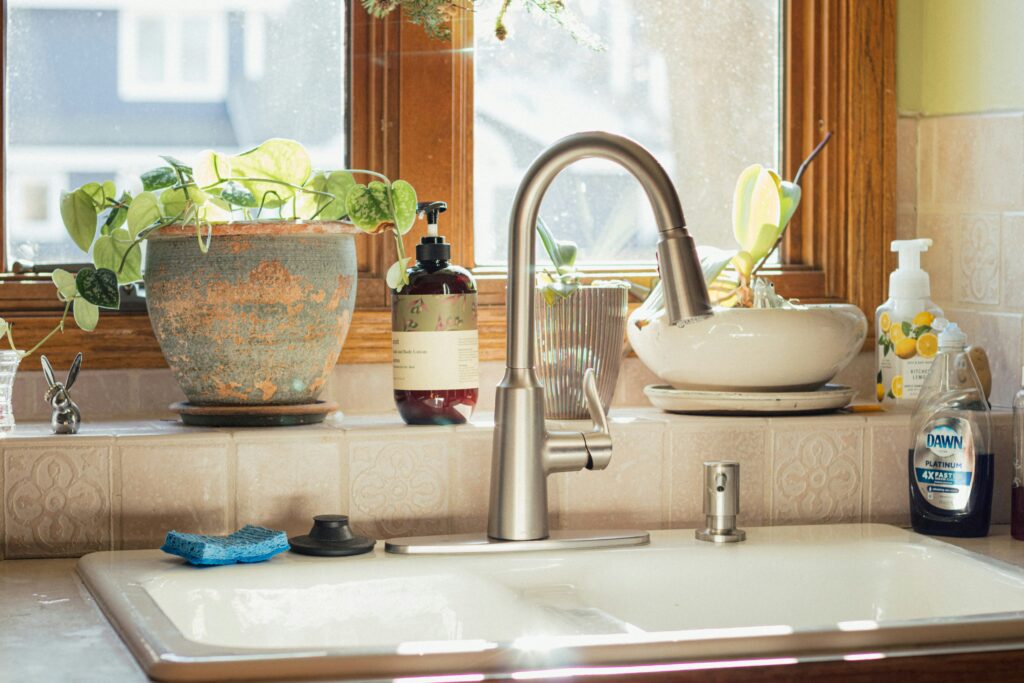
How to Conserve Water at Home: Practical Tips for Every Household Water is one of our most precious resources, and conserving it at home not only helps the environment but also reduces water bills. With increasing awareness about the importance of sustainable living, many households are seeking water-saving tips that make a real difference. In this comprehensive guide, we’ll explore how to conserve water at home through effective techniques, eco-friendly practices, and lifestyle changes that benefit both you and the planet. The Importance of Water Conservation Before diving into practical tips, it’s vital to understand why conserving water is essential. 1. Environmental Impact: Freshwater resources are finite. Overuse and pollution threaten aquatic ecosystems, making it crucial to *save water* wherever possible. 2. Economic Benefits: Reducing water consumption can significantly lower your water bills, contributing to overall savings for your household. 3. Sustainable Living: Embracing home conservation practices helps in achieving a more sustainable lifestyle. It reflects a commitment to reduce your environmental footprint while encouraging others to do the same. Understanding Your Water Usage Understanding how much water your household consumes is the first step in learning how to conserve water at home. The average American family uses about 300 gallons of water per day. Here’s a breakdown of typical water usage by household activities: ActivityDaily Usage (Gallons)Showering20-50Toilet Flushing24Washing Dishes6-27Washing Clothes15-30Watering Lawn/Garden25-100 By identifying the major water consumers in your home, you can prioritize which areas need immediate attention for conservation. Practical Tips to Conserve Water at Home Implementing water-saving methods can be as easy as mindfully using water in daily routines. Here are some effective water-saving tips: 1. Fix Leaks Promptly Every drip counts. A leaky faucet can waste more than 3,000 gallons a year. Regularly check your faucets, toilets, and pipes for leaks, and fix them immediately. 2. Upgrade to Water-Efficient Appliances Investing in high-efficiency appliances such as ENERGY STAR rated dishwashers and washing machines can significantly reduce water usage without sacrificing performance. 3. Shorten Showers Reducing your shower time by just 2 minutes can save up to 150 gallons of water per month. Consider using a timer or an audio cue to help prompt shorter showers. 4. Turn Off the Tap Don’t let the water run when brushing your teeth, shaving, or washing your hands. Turning off the tap can lead to a significant reduction in water consumption. 5. Full Loads Only Whether you’re doing laundry or dishes, always wait until you have a full load to run your appliances. This maximizes water efficiency. 6. Use a Broom Instead of a Hose When cleaning driveways or sidewalks, use a broom instead of a hose. This simple switch can save hundreds of gallons of water. 7. Install Low-Flow Fixtures Installing low-flow showerheads and faucets can reduce water flow significantly without compromising pressure, promoting water efficiency. 8. Collect Rainwater Consider installing a rain barrel to collect rainwater for use in your garden or landscaping. This sustainable practice not only conserves water but also utilizes natural resources. Water Conservation in the Garden Gardening is often where excess water use occurs. Here are some gardening tips that contribute to home conservation: 1. Water Wisely Water your lawn and plants early in the morning or late in the evening to minimize evaporation. Also, group plants with similar water needs together to optimize irrigation efforts. 2. Mulch Your Garden Adding a layer of mulch around plants helps retain moisture, which reduces the need for frequent watering. 3. Choose Native Plants Native plants are adapted to local climates and typically require less water compared to non-native species. Opt for drought-resistant varieties that thrive on less moisture. The Role of Sustainable Living in Water Conservation Adopting a sustainable living mindset extends beyond just conserving water. It encompasses a broader approach to reduce your environmental footprint. Here are additional ways to integrate sustainability into your water conservation efforts: 1. Educate Your Family Engage your family in conversations about water conservation, sharing the importance and encouraging participation in eco-friendly practices. 2. Create a Water-Saving Plan Set specific goals for your household regarding water usage. Monitor your water bills and track consumption to recognize patterns and successes. 3. Support Policies that Promote Conservation Stay informed about local environmental laws and support policies that aim to conserve water resources in your community. Common Misconceptions About Water Conservation Understanding the myths surrounding water conservation can help refine your approach. Here are a few misconceptions clarified: Myth: Watering your lawn at night saves water. Reality: Watering at night can promote fungal growth. Early mornings are best to allow water to soak into the ground before evaporation. Myth: All plants need daily watering. Reality: Many plants thrive with twice-a-week watering. Assess individual plant needs rather than following a blanket schedule. Myth: Toilet flushes are the primary source of household water use. Reality: While toilets use a lot of water, activities such as showering and laundry often consume more. Benefits of Water Conservation Conserving water offers numerous advantages: 1. Lower Utility Bills: Saving water directly correlates to lower water bills every month. 2. Environmental Protection: Less water consumption reduces energy use associated with water heating and treatment, contributing to a greener planet. 3. Enhanced Home Value: Features such as low-flow fixtures and water-efficient appliances can increase your home’s appeal to environmentally-conscious buyers. FAQ: How to Conserve Water at Home 1. How can I save water daily? Implement small changes like turning off the tap while brushing your teeth, shortening showers, and using a broom instead of a hose. 2. What are some water-efficient appliances I can use? Look for ENERGY STAR appliances, which are designed to use less water and energy while maintaining high efficiency. 3. Is it better to water my garden in the morning or at night? Watering in the morning is recommended to reduce evaporation and allow plants to absorb moisture before the heat of the day. 4. How much water can I save by fixing leaks? Fixing a minor leak can save hundreds of gallons of water each

How to Conserve Water at Home: Practical Tips for Every Household Read More »
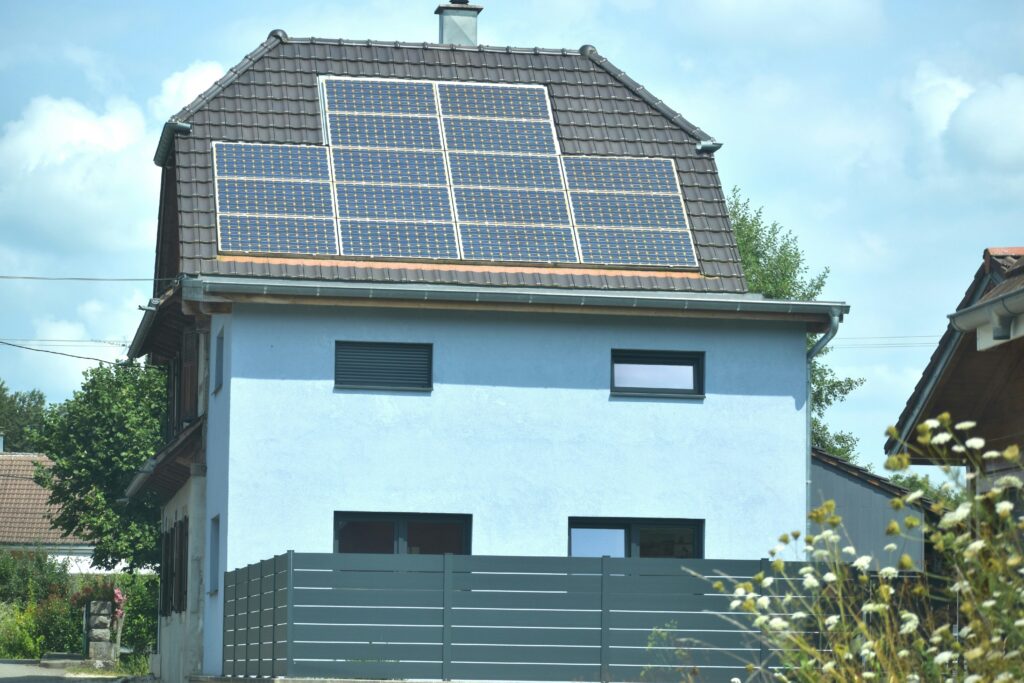
Innovative Energy Efficient Homes Designs for Every Budget

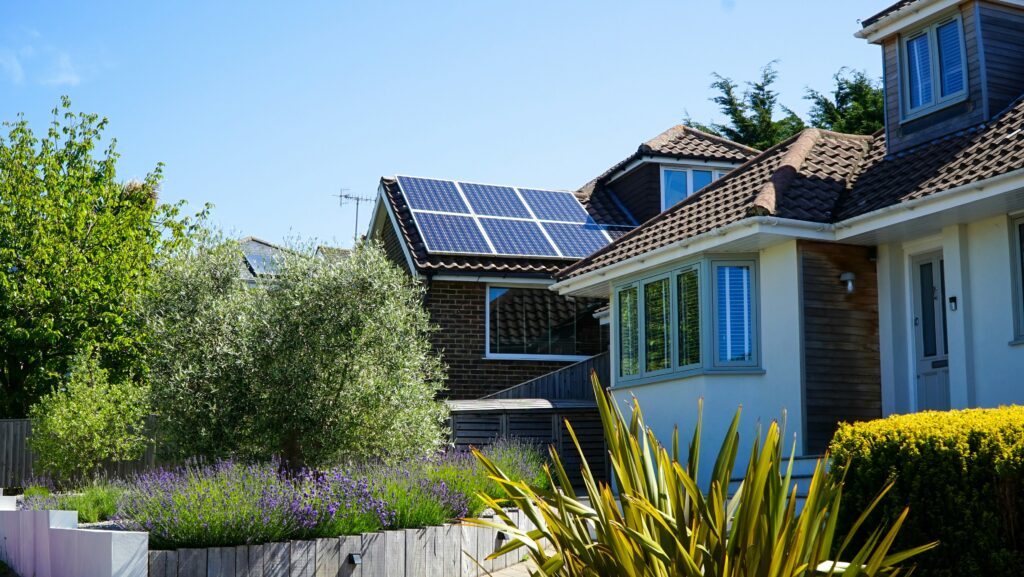
Innovative Energy Efficient Homes Designs for Every Budget As the world shifts towards a more sustainable future, energy efficient homes designs have become increasingly popular among homeowners and builders alike. Not only do these designs promote eco-friendly architecture, but they also offer smart energy solutions that save money in the long run. From low-energy designs to solar homes, there are various options available that can fit any budget. In this blog, we will explore a range of innovative energy-efficient home designs, their benefits, and features, guiding you towards a sustainable living experience. The Importance of Energy Efficient Homes The construction and operation of buildings are significant contributors to energy consumption and greenhouse gas emissions. It is estimated that residential buildings account for nearly 20% of the total energy usage and CO2 emissions globally. Transitioning to sustainable living through energy efficient homes can reduce these figures, conserve natural resources, and create healthier living environments. Understanding Energy Efficiency Energy efficiency in homes refers to the use of technology and design features that reduce energy consumption without sacrificing comfort. Here are some essential aspects of energy-efficient homes: – Insulation: Quality insulation minimizes heat loss in winter and heat gain in summer, ensuring comfortable indoor temperatures and reducing energy demands. – Energy-Efficient Windows: Double or triple-glazed windows prevent heat escape and minimize reliance on heating and cooling systems. – Renewable Energy Solutions: Integrating solar panels not only reduces utility bills but also contributes to reduced carbon footprints. – Smart Technology: Smart thermostats, lighting, and appliances optimize energy use by adjusting according to occupancy and time of day. Innovative Designs for Energy Efficient Homes There are several innovative designs of energy-efficient homes that cater to a range of budgets. Below, we discuss some of the most promising options from modern construction that can help you achieve a greener lifestyle. 1. Passive House Design Passive House Design focuses on creating buildings that consume minimal energy for heating and cooling. This design harnesses natural sunlight and air circulation to maintain comfortable indoor climates. – Key Features: – High levels of insulation – Airtight construction – Thermal bridge-free design – High-performance windows 2. Prefabricated Homes Prefabricated homes are manufactured off-site and then transported to the building location. They are often cheaper and quicker to build, and can incorporate various green home features such as solar panels and energy-efficient appliances. – Key Features: – Reduced construction waste – Energy-efficient building materials – Quick assembly 3. Container Homes Built from repurposed shipping containers, container homes are a unique and cost-effective option for eco-friendly architecture. They can be equipped with sustainable solutions and often utilize fewer resources. – Key Features: – Affordable starting prices – Minimal land impact – Customizable designs 4. Earth Sheltered Homes Earth-sheltered homes are partially or completely buried underground, enabling them to maintain a stable thermal environment. This design takes advantage of the land’s natural insulation. – Key Features: – Reduced energy costs due to natural heating and cooling – Minimal visual impact on the landscape – Long-lasting durability 5. Green Roof Homes Green roofs are created by placing vegetation over roofing systems, providing insulation and absorbing rainwater. These homes are not only aesthetically pleasing but also beneficial for the environment. – Key Features: – Enhanced energy efficiency – Improved air quality – Stormwater management Exploring Smart Energy Solutions Incorporating smart technology into energy efficient homes designs can further optimize energy use. Consider the following smart energy solutions: Smart Thermostats Smart thermostats learn your behaviors and automatically adjust temperatures, minimizing energy waste. They can be controlled via smartphones, allowing for real-time adjustments from anywhere. LED Lighting Swapping incandescent bulbs for LED lighting offers significant energy savings without sacrificing brightness. LEDs also have a longer lifespan, further reducing waste. Energy Monitoring Systems Energy monitoring systems track your real-time energy usage, helping you identify areas where you can cut back. These systems often come with smartphone apps that provide insights and recommendations. Home Automation Home automation systems can control lighting, heating, and other energy-consuming devices based on your preferences and schedule, leading to more efficient energy management. Comparing Energy Efficient Home Designs To further understand the various energy efficient homes designs, let’s compare some of the most popular options in terms of cost, environmental impact, and energy efficiency. Comparison Table of Energy Efficient Home Designs Table: Comparing Energy Efficient Home Designs Design Type Cost Range Environmental Impact Energy Efficiency Rating Passive House High Low Very High Prefabricated Medium Medium High Container Home Low-Medium Medium Medium-High Earth Sheltered Medium-High Very Low High Green Roof Medium-High Low High Green Home Features to Consider When designing or purchasing an energy-efficient home, consider incorporating various green home features to further enhance its sustainability: – Rainwater Harvesting Systems: Collect rainwater for irrigation or non-potable use. – Energy-Efficient Appliances: Look for ENERGY STAR-rated appliances that consume less energy and water. – Sustainable Landscaping: Use native plants and xeriscaping to reduce water usage and maintenance. – Natural Ventilation: Design for cross-ventilation to reduce reliance on air conditioning. FAQs About Energy Efficient Homes Designs What are energy-efficient homes? Energy-efficient homes utilize design, materials, and technologies to reduce energy consumption while maintaining comfort and livability. How much can I save on energy bills? The savings depend on the home design and energy-efficient features implemented, but many homeowners report annual savings of 20-30% on energy bills. Do energy-efficient homes cost more to build? While the upfront costs may be higher due to sustainable materials and technologies, energy-efficient homes often save money over time through reduced energy bills. What is a passive house? A passive house is a building standard that focuses on energy efficiency, emphasizing high insulation, airtightness, and ventilation systems that minimize energy needs. Can I retrofit my current home to become more energy-efficient? Yes! Many upgrades can be made to existing homes, such as better insulation, energy-efficient windows, and smart technology solutions. What government incentives are available for energy-efficient homes? Many governments and local utilities offer tax incentives, rebates, and grants to encourage energy-efficient home improvements.

Innovative Energy Efficient Homes Designs for Every Budget Read More »

Easy Ways to Conserve Water at Home: Save Money and Resources

Easy Ways to Conserve Water at Home: Save Money and Resources Water is one of our planet’s most precious resources, and conserving it is essential for both our environment and our wallets. In today’s post, we’ll explore easy ways to conserve water at home, discuss various water conservation techniques, and highlight how adopting eco-friendly practices can lead to significant savings in your water bills. Whether you aim to enhance water efficiency at home, embrace sustainable living, or discover smart home solutions, the following tips will help you achieve your goals. Understanding the Importance of Water Conservation Water is required for so many aspects of our lives: from drinking and bathing to cooking and cleaning. However, many homes waste a surprising amount of water daily. According to the U.S. Environmental Protection Agency (EPA), an average family can waste over 180 gallons per week due to inefficient water use. This waste not only drives up your water bills but also puts unnecessary strain on local water supplies and the environment. By implementing water-saving strategies, you can reduce your consumption, help the environment, and save money all at the same time! Simple Ways to Conserve Water Inside Your Home 1. Fix Leaks Promptly One of the easiest ways to reduce water waste is by addressing leaks immediately. A dripping faucet or leaking toilet can waste gallons of water each day. Make sure to regularly inspect all plumbing fixtures and get leaks fixed promptly. 2. Install Water-Saving Fixtures Consider upgrading to water-efficient fixtures if your home hasn’t already made the switch. Low-flow showerheads, faucets, and toilets can significantly cut water consumption without sacrificing performance. 3. Take Shorter Showers Long, leisurely showers can account for a significant portion of your water usage. Aim to keep showers under 5-10 minutes. You can also use a timer to help you monitor your shower time effectively. 4. Turn Off the Tap Whether you are brushing your teeth, washing your hands, or doing the dishes, turning off the tap when it’s not in use can save gallons of water. Implement this habit to maximize your home water-saving efforts. 5. Use a Dishwasher and Washing Machine Wisely Only wash full loads in your dishwasher and washing machine. Additionally, consider investing in energy-efficient appliances that use less water for cleaning. 6. Collect Rainwater If permitted in your area, set up a rain barrel to collect rainwater for outdoor irrigation. This is a wonderful example of sustainable living that promotes eco-friendly practices. 7. Optimize Lawn and Garden Watering Water your lawn and garden during early morning or late evening to reduce evaporation losses. Additionally, consider drought-resistant plants to minimize watering needs. Eco-Friendly Practices for Water Conservation at Home 8. Mulch Your Garden Applying mulch can help retain soil moisture, reducing the frequency of watering. It also benefits your plants by suppressing weeds and regulating soil temperature. 9. Use a Broom Instead of a Hose When cleaning driveways and sidewalks, use a broom instead of blasting them with a hose, saving hundreds of gallons of water. 10. Choose Native Plants Opting for native plants in your landscape design requires less water and is better adapted to your local climate, thus promoting water efficiency. Smart Home Solutions for Water Conservation 11. Install Smart Irrigation Systems Consider investing in smart irrigation systems that can automatically adjust watering schedules based on weather conditions. This ensures your plants receive only what they need and prevents overwatering. 12. Monitor Water Usage Many smart home technologies allow you to track your water usage in real-time. By seeing your consumption patterns, you can identify areas where you can cut back. 13. Use Water-Saving Technologies Explore smart devices and home appliances with built-in water-saving technology. High-efficiency toilets or appliances can significantly reduce water usage. Economic Benefits of Water Conservation Adopting water conservation techniques does not just benefit the environment, but it also positively impacts your finances. Here’s a closer look at the economic benefits of conserving water at home: 14. Lower Water Bills The more water you save, the lower your utility bills will be. Small changes can lead to substantial savings over time, keeping more money in your pocket. 15. Increase Property Value Homes equipped with water-saving appliances and fixtures are often more attractive to potential buyers. Investing in home water-saving solutions can enhance your property value. 16. Reduce Energy Costs Using less water can lead to lower energy costs associated with heating water. Your water heater will work less, resulting in decreased electricity or gas expenses. Helpful Water Conservation Techniques You Can Implement 17. Use a Car Wash Instead of washing your car at home, use a commercial car wash that recycles water. Many of these facilities are designed to minimize water waste. 18. Cover Pools If you have a swimming pool, keep it covered to reduce evaporation. A pool cover can save a significant amount of water each year. 19. Conduct a Water Audit Performing a water audit at home can help you identify areas where you might be wasting water without even realizing it. Take a moment to review your consumption habits and look for opportunities to improve efficiency. 20. Educate Your Family Ensure that every member of your household understands the importance of water conservation. Encourage your family to make conscious efforts to save water daily. Easy Ways to Measure and Monitor Water Usage 21. Install a Flow Monitor Consider adding a flow monitor to your plumbing system. These devices can help track water usage in real-time, allowing you to identify spikes in consumption. 22. Use Measurement Tools If you’re making changes to your watering habits or appliances, measure how much water you are using before and after. This will help you understand what methods work best for water conservation. Most Common Water-Wasting Activities at Home 23. Over-Watering Lawns and Gardens Over-watering is a common mistake that can waste large amounts of water. Monitor the soil moisture to ensure you are providing adequate irrigation. 24. Flushing Trash Many people use toilets as trash cans, which

Easy Ways to Conserve Water at Home: Save Money and Resources Read More »

Sustainable Transportation

Sustainable Transportation: 10 Ways Cities Can Go Green

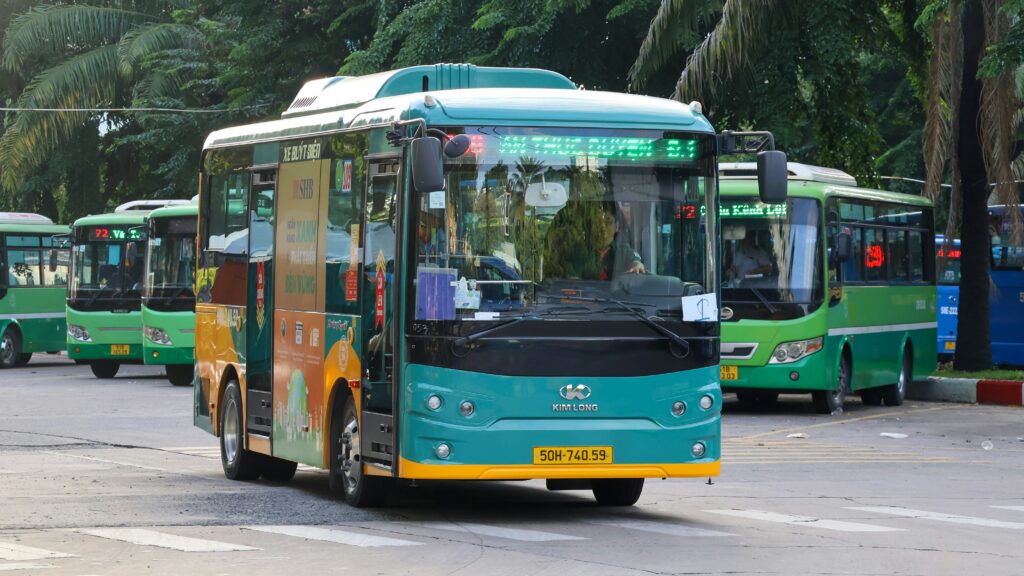
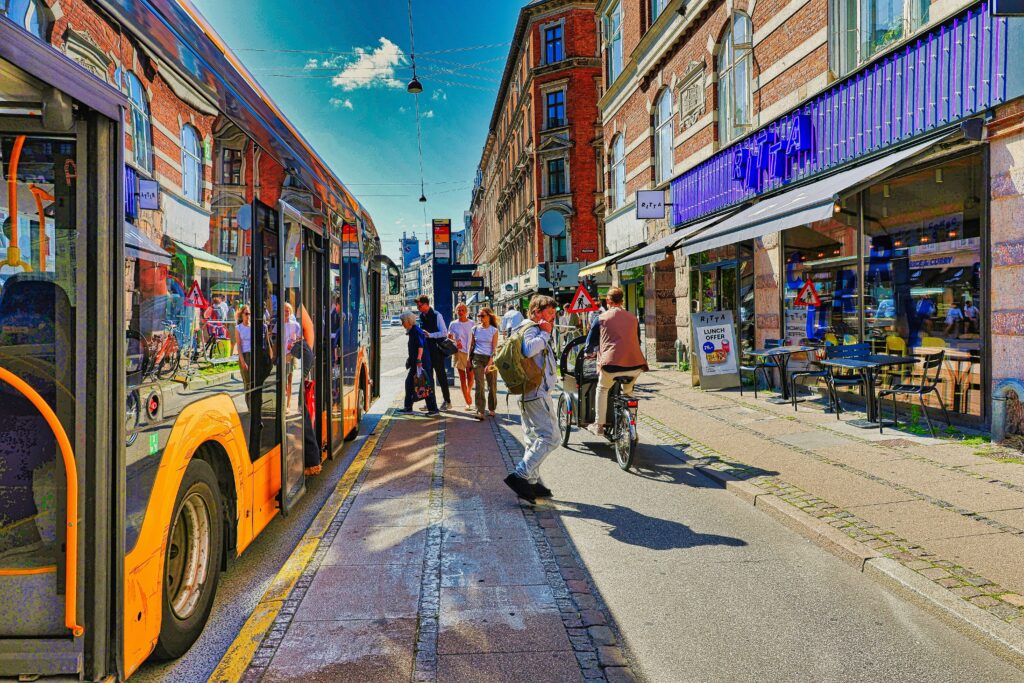
Sustainable Transportation: 10 Ways Cities Can Go Green As cities around the globe face unprecedented challenges from climate change, air pollution, and urban congestion, the shift towards sustainable transportation is more critical than ever. Sustainable transportation not only alleviates environmental issues but also promotes healthier living and economic resilience. In this article, we will explore 10 innovative ways cities can implement green mobility strategies, fostering low-carbon transport, and enhancing urban transit systems. 1. Expand Public Transportation Options A robust public transportation system is fundamental to sustainable transportation in urban areas. By investing in buses, subways, and trams, cities can offer viable alternatives to individual car use. An efficient public transit network reduces traffic congestion, minimizes greenhouse gas emissions, and gives residents affordable mobility options. Benefits of Expanding Public Transportation – Lower carbon emissions – Reduced traffic congestion – Increased accessibility for all residents 2. Promote Electric Vehicles (EVs) Transitioning to electric vehicles is a vital step towards achieving low-carbon transport. Cities can create incentives for EV purchases, such as tax rebates and subsidies, and invest in charging infrastructure. Integrating EVs into public transport fleets can further enhance their positive impact on urban mobility. Advantages of Electric Vehicles – Zero tailpipe emissions – Lower operating costs compared to traditional vehicles – Reduced noise pollution 3. Embrace Cycling and Walking Encouraging eco-friendly commuting through cycling and walking can drastically decrease reliance on motor vehicles. Cities can achieve this by developing dedicated bike lanes, pedestrian-friendly sidewalks, and safe crossing points. Providing bike-sharing programs can also promote cycling among residents who may not own bikes. Key Elements for Cycling and Walking Initiatives – Safe cycling infrastructure – Public awareness campaigns – Maintenance of pathways 4. Implement Flexible Work Arrangements Flexible work policies, such as remote work or staggered shifts, can reduce traffic peak times and help lower overall commuting emissions. Cities can collaborate with businesses to adopt such measures, enhancing employee satisfaction while promoting sustainable transportation. Work Flexibility Benefits – Decreased congestion during peak hours – Enhanced work-life balance for employees – Reduced office-related commuting emissions 5. Invest in Smart Traffic Management Systems Utilizing technology such as smart traffic management systems can enhance the flow of urban transit. By optimizing traffic signals and integrating real-time data, cities can reduce wait times, minimize idling, and lower vehicle emissions. Benefits of Smart Traffic Management – Improved traffic flow – Reduced fuel consumption – Enhanced road safety 6. Support Car-Free Zones Establishing car-free zones in bustling city centers can promote pedestrian activity and create a vibrant urban atmosphere. These zones not only reduce air pollution but also encourage local businesses and enhance community interaction. Advantages of Car-Free Zones – Increased foot traffic for local shops – Improved air quality – Enhanced public safety 7. Foster Multimodal Transportation Solutions Integrating various forms of transport, such as buses, trains, bicycles, and rideshares, creates a seamless travel experience. Cities should promote multimodal transportation options through unified ticketing systems and coordinated schedules to facilitate easy transfers. Benefits of Multimodal Systems – Increased travel options for residents – Reduced dependence on personal vehicles – Improved overall transit efficiency 8. Enhance Urban Planning for Sustainability Sustainable urban planning is pivotal in laying the groundwork for future green mobility. City planners should focus on mixed-use developments, thereby reducing travel distances and encouraging more walking and cycling. Accessible public spaces and amenities should be strategically located to promote vibrant and sustainable communities. Essential Aspects of Sustainable Urban Planning – Mixed-use development practices – Integration of green spaces – Focus on public transport accessibility 9. Educate the Public on Sustainability Awareness programs about the benefits of sustainable transportation can motivate individuals to adopt greener commuting habits. Engaging the community through workshops, campaigns, and schools can foster a collective mindset towards eco-friendly practices. Importance of Public Education – Enhances community engagement – Informs residents about sustainability practices – Encourages participation in green programs 10. Incentivize Carpooling and Ridesharing Promoting carpooling and ridesharing can significantly decrease the number of vehicles on the road, which in turn lowers emissions and improves urban transit. Cities can facilitate this through designated carpool lanes and apps that connect carpoolers easily. Benefits of Carpooling Initiatives – Decrease in traffic congestion – Lower transportation costs for participants – Reduction in overall carbon footprint FAQ Section What is sustainable transportation? Sustainable transportation refers to modes of transport that have a minimal environmental impact and promote efficient use of resources. This often includes public transit, biking, walking, and electric vehicles. How can cities promote green mobility? Cities can promote green mobility through policies encouraging public transportation, investing in bike infrastructure, implementing carpool programs, and educating the public on sustainability. What are the benefits of electric vehicles? Electric vehicles contribute to lower greenhouse gas emissions, reduced fuel costs for drivers, and decreased air and noise pollution. How do car-free zones benefit cities? Car-free zones can improve air quality, enhance the shopping and dining experience for residents and tourists, and promote healthier lifestyles through walking and biking. What role does urban planning play in sustainable transportation? Sustainable urban planning ensures that communities are designed with efficient transportation systems in mind, minimizing the need for car dependency and promoting mixed-use spaces that enhance accessibility for all. Conclusion In conclusion, transitioning to sustainable transportation is essential for creating greener, healthier, and more livable urban environments. By implementing strategic initiatives such as expanding public transit, promoting electric vehicles, and fostering multimodal transportation, cities can reduce their carbon footprint while enhancing the quality of life for residents. Collective participation and commitment from city officials, businesses, and community members will be vital in driving this necessary transformation towards eco-friendly commuting. With these strategies, we can pave the way for a sustainable future. See weather forecasthttps://garden.org/

Sustainable Transportation: 10 Ways Cities Can Go Green Read More »

Benefits of Sustainable Transportation for Businesses and Employees

The Benefits of Sustainable Transportation for Businesses and Employees In today’s rapidly changing world, the emphasis on sustainable practices has never been more significant. Sustainable transportation benefits are a driving force in creating a more ecological future that not only supports businesses but also enhances the quality of life for employees. Transitioning to sustainable modes of transport, from corporate mobility initiatives to green commuting, offers advantages that can revitalize a company’s operations and culture. This comprehensive guide explores the multifaceted benefits of sustainable transportation for both businesses and their employees, while also touching on the myriad ways companies can implement these practices. What is Sustainable Transportation? Before diving into the various benefits, it’s essential to understand what sustainable transportation entails. It encompasses methods of transportation that have minimal environmental impact, prioritize energy efficiency, and support low-carbon travel solutions. This includes resources like public transit, cycling, walking, carpooling, electric vehicles, and the optimization of sustainable logistics. Understanding the Need for Sustainable Transportation As the world becomes increasingly urbanized, the demand for transportation rises, leading to an increase in carbon emissions and traffic congestion. This challenge is magnified in business environments where commuting patterns and corporate travel can lead to significant ecological footprints. Therefore, adopting sustainable transportation practices has emerged as a necessity for modern businesses, not only to comply with legal mandates but to create a competitive edge and foster a responsible corporate identity. Key Benefits of Sustainable Transportation for Businesses 1. Cost Savings Implementing sustainable transportation strategies can lead to considerable cost efficiencies. Below are some ways businesses can save through these practices: – Reduced Fuel Costs: By transitioning to an eco-friendly fleet or encouraging the use of electric vehicle programs, companies can significantly lower fuel expenses. – Decreased Maintenance Costs: Electric and hybrid vehicles often have lower maintenance costs compared to traditional gas-powered vehicles. – Tax Incentives: Many governments offer tax breaks and incentives for businesses that invest in sustainable transportation options. 2. Enhanced Corporate Image A commitment to sustainability improves corporate reputation. Businesses that adopt sustainable practices are perceived as forward-thinking and socially responsible. – Attracting Talent: Many employees today seek employers that align with their values. Emphasizing sustainable transportation can enhance recruitment efforts. – Customer Loyalty: Companies that prioritize sustainability often foster stronger customer relationships, as environmentally conscious consumers tend to prefer supporting eco-friendly brands. 3. Improved Employee Productivity and Satisfaction The benefits of sustainable transportation extend to employees, resulting in improved morale and productivity: – Health Benefits: Promoting green commuting, such as biking or walking to work, encourages physical fitness and contributes to overall employee health. – Reduced Stress: Implementing options such as flexible work hours and telecommuting can alleviate the stress associated with commuting. 4. Compliance With Regulations Governments are increasingly enforcing regulations aimed at reducing emissions. Implementing sustainable transportation strategies helps companies remain compliant while avoiding fines or sanctions. 5. Positive Environmental Impact Transitioning to sustainable transportation plays a vital role in mitigating climate change. Businesses contribute to: – Lower Carbon Footprint: By adopting low-carbon business travel and supporting alternative commuting options, businesses can significantly reduce their overall emissions. – Sustainable Supply Chains: Sustainable logistics practices not only minimize the environmental impact but also create more efficient supply chains. Implementing Sustainable Transportation Strategies 1. Develop Corporate Mobility Programs Creating a comprehensive corporate mobility program is a robust way to introduce sustainable transportation within a business. These programs might include: – Carpool initiatives – Public transit subsidies – Bike-sharing programs – Incentives for using electric vehicles or public transportation 2. Invest in Electric Vehicles Investing in electric vehicles not only helps companies achieve sustainability goals more effectively but also enables substantial savings on fuel costs and maintenance. – Fleet Management: Transitioning to an electric fleet requires investment in charging infrastructure but pays off through lower operational costs. 3. Foster a Culture of Green Commuting Employees are more likely to embrace sustainable commuting practices if a culture of sustainability is nurtured within the company. Here are some effective approaches: – Awareness Campaigns: Run educational campaigns about the benefits of green commuting. – Incentive Programs: Offer rewards or recognition for employees who regularly engage in sustainable commuting options. 4. Optimize Logistics For businesses that rely on logistics, shifting focus to sustainable practices can yield incredible benefits: – Route Optimization: Using software and technologies to minimize travel distances can reduce emissions and save on fuel costs. – Partnering with Sustainable Suppliers: Collaborating with logistics partners who prioritize sustainability can streamline supply chains while helping meet corporate sustainability goals. 5. Measure Impact and Progress Establish indicators to monitor the efficacy of sustainable transportation initiatives. This monitoring process can help to gauge employee participation, emissions reductions, and overall cost savings. Key Comparison of Traditional vs. Sustainable Transportation Methods Understanding the Differences A comparative analysis of traditional transportation practices versus sustainable transportation methods may help clarify the benefits further. Below is a structured comparison of these two approaches. Transportation Methods Comparison Comparison of Traditional vs. Sustainable Transportation Comparison FactorTraditional TransportationSustainable TransportationBenefits Fuel Usage Gasoline and diesel reliant Electric, hybrid, and alternative fuels Lower emissions and reduced fuel costs Environmental Impact High carbon emissions Minimized carbon footprint Better for the planet Cost Efficiency Higher long-term costs associated with fuel and maintenance Potential for cost savings through electric and hybrid vehicles Increased profitability Employee Satisfaction Increased commute times and stress More commuting options lead to employee flexibility Improved morale and retention Regulatory Compliance Potential fines for high emissions Easier compliance with environmental regulations Reduced legal risks FAQs About Sustainable Transportation Benefits What are the main benefits of sustainable transportation for businesses? The key benefits include cost savings, enhanced corporate image, improved employee satisfaction, regulatory compliance, and a positive environmental impact. How can businesses implement sustainable transportation? Businesses can develop corporate mobility programs, invest in electric vehicles, foster a culture of green commuting, and optimize logistics operations. Why should employees care about sustainable transportation? Embracing sustainable transportation can lead to better health, reduced stress from commuting, and overall improved job satisfaction. Are there

Benefits of Sustainable Transportation for Businesses and Employees Read More »

Transportation More Sustainable

How to Make Transportation More Sustainable in Urban Areas

How to Make Transportation More Sustainable in Urban Areas In today’s rapidly urbanizing world, the need for sustainable urban transportation has never been more critical. Cities around the globe are grappling with the challenges of traffic congestion, air pollution, and greenhouse gas emissions. As populations grow and urban areas expand, the pressure intensifies to find efficient and eco-friendly solutions that promote low-carbon mobility. This article will delve into various strategies for enhancing sustainable urban transportation, including the implementation of public transportation, the development of bike lanes, and the adoption of electric buses. By embracing an integrated approach to green city planning, cities can create environments that foster sustainable commuting and ultimately improve quality of life for residents. The Importance of Sustainable Urban Transportation Urban transportation accounts for a significant portion of global carbon emissions. In fact, the transportation sector contributes nearly 24% of direct CO2 emissions from fuel combustion, according to the International Energy Agency (IEA). Therefore, creating sustainable solutions is not just a requirement but an imperative for combating climate change. Benefits of Sustainable Urban Transportation – Reduces greenhouse gas emissions: Shifting to eco-friendly transit options such as public transportation and electric vehicles (EVs) significantly lowers carbon footprints. – Enhances air quality: Fewer emissions lead to improved air quality, benefitting public health. – Decreases traffic congestion: Efficient public transit and cycling infrastructure can alleviate the volume of cars on the road. – Promotes economic growth: Sustainable transportation systems can stimulate local economies through job creation and improved access to services. Key Strategies for Sustainable Urban Transportation 1. Enhancing Public Transportation Public transportation is the backbone of any sustainable urban transportation system. By offering reliable and affordable transit options, cities can encourage residents to use public transport instead of personal vehicles. Implementing Efficient Routes and Scheduling To maximize ridership, urban planners should design efficient routes that accommodate high-density areas and key destinations. This might involve: – Conducting comprehensive studies to identify passenger needs. – Using technology to enhance scheduling and real-time updates. 2. Integrating Electric Buses The transition to electric buses represents a significant step towards reducing emissions. These vehicles are quieter, cleaner, and often cheaper to maintain over time. Infrastructure Development for Electric Buses Successful integration of electric buses requires robust infrastructure, including: – Charging stations located strategically throughout urban areas. – Training for maintenance staff to handle electric vehicles. 3. Developing Safe and Accessible Bike Lanes Promoting cycling as a viable mode of transport is crucial for achieving sustainable urban transportation. Cities can encourage cycling by developing safe and accessible bike lanes. Design Considerations for Bike Lanes – Segregation: Dedicated bike lanes separated from vehicle traffic. – Connectivity: Ensuring bike lanes connect with key areas such as schools, parks, and transit stations. 4. Fostering Car-Free Zones Implementing car-free zones in densely populated areas can dramatically transform urban environments. These zones prioritize pedestrians and create inviting spaces for businesses and social interactions. Benefits of Car-Free Zones – Increases foot traffic for local businesses. – Improves safety for pedestrians and cyclists. – Reduces noise and air pollution in urban centers. The Role of Policy and Community Engagement Policies Supporting Sustainable Transportation Effective policies must support the transition to sustainable urban transportation. These policies may include: – Incentives for public transit use and biking. – Funding for green city planning initiatives. – Regulations that favor electric vehicle adoption. Engaging the Community Community engagement is essential for the success of any sustainable transportation plan. Residents should be involved in: – Identifying transportation needs and gaps. – Collaborating on the design of bike lanes and public transit systems. Comparing Various Modes of Urban Transportation Factors to Consider in Transportation Options To better understand the impact of different transportation methods on sustainability, let’s compare various attributes of urban transportation options. Comparison of Urban Transportation Modes Comparison Factor Public Transportation Electric Buses Bike Lanes Car Usage Carbon Emissions Low Very Low None High Health Impact Positive Positive Very Positive Negative Cost Efficiency High (low operational costs) Medium (high initial investment) High (low infrastructure costs) Low (high fuel and maintenance costs) Space Consumption High (requires dedicated lanes) Medium (requires charging infrastructure) Low Very High The Future of Sustainable Urban Transportation Moving forward, the future of sustainable urban transportation will rely on continued advancements in technology and infrastructure. Here are some trends and innovations shaping this field: Mobility as a Service (MaaS) The concept of Mobility as a Service (MaaS) integrates different modes of transport, providing users with seamless access to various transportation options through a single platform. This encourages the use of sustainable choices, such as combining bike share with public transit. Intelligent Transport Systems (ITS) The integration of technology into transport systems can improve efficiency and reduce congestion. Intelligent Transport Systems (ITS) use real-time data to optimize traffic flow, enhance public transportation schedules, and inform users of available options. Renewable Energy Integration As cities shift towards renewable energy sources, integrating these resources into transportation infrastructure—such as solar-powered charging stations for electric buses—will be crucial for sustainability. FAQ Section What is sustainable urban transportation? Sustainable urban transportation refers to transport systems that minimize environmental impact, reduce pollution, and promote economic viability by using low-carbon mobility options. How do bike lanes contribute to sustainability? Bike lanes promote sustainable commuting by offering a safe and efficient mode of transport, reducing reliance on cars, thus lowering carbon emissions and improving air quality. Why are electric buses a better choice for urban transport? Electric buses produce zero emissions during operation, contribute to reduced air pollution, and offer lower long-term operational costs compared to traditional diesel buses. What role do public transportation systems play in urban sustainability? Public transportation systems are essential for reducing traffic congestion, lowering individual carbon footprints, and enhancing overall connectivity in urban areas. How can communities get involved in promoting sustainable transportation? Communities can engage by participating in planning discussions, advocating for support of green city planning initiatives, and encouraging the use of public transport and cycling. Conclusion Making transportation more sustainable in urban areas requires

How to Make Transportation More Sustainable in Urban Areas Read More »

energy efficient homes

Top Energy Efficient Homes Floor Plans for Modern Living

Top Energy Efficient Homes Floor Plans for Modern Living In the modern era, energy efficient homes floor plans are not just a trend but a necessity for sustainable living. As awareness about environmental issues grows, many homeowners are seeking solutions that not only reduce their carbon footprint but also enhance their quality of life. This comprehensive guide will explore various aspects of energy-efficient homes, including small homes, modular homes, sustainable design, smart layouts, and green architecture. Let’s dive in! Understanding Energy Efficient Homes Energy efficient homes are designed to minimize energy consumption while maximizing functionality and comfort. These homes use advanced materials and technology to ensure efficient construction and lessen their impact on the environment. By integrating eco-friendly features, homeowners can enjoy savings on energy bills while promoting sustainability. Key Features of Energy Efficient Homes – Insulation and Air Sealing: Effective insulation and air sealing techniques can eliminate drafts and retain heat in the winter and cool air in the summer. – High-Performance Windows: Energy-efficient windows reduce heat transfer, which lowers heating and cooling costs. – Energy Star Appliances: These appliances consume less energy without sacrificing performance, contributing to overall efficiency. – Renewable Energy Sources: Incorporating solar panels, wind turbines, or geothermal systems helps reduce reliance on fossil fuels. Modular Homes: A Flexible Solution Modular homes play a significant role in the landscape of energy-efficient living. Built in sections off-site, these homes can be transported and assembled on location, minimizing waste and construction time. Advantages of Modular Homes – Cost-Effectiveness: The controlled building environment allows for lower costs due to reduced time and labor expenses. – Customization: Homeowners can tailor designs to meet their specific needs, incorporating features conducive to sustainable living. – Less Waste: The factory setting allows for better material management, leading to reduced waste compared to traditional construction. Small Homes: Big Impact In the quest for sustainable living, small homes have gained popularity. These compact spaces allow for thoughtful design while reducing energy consumption. Benefits of Living in Small Homes – Lower Utility Bills: Smaller spaces require less energy to heat and cool. – Reduced Environmental Impact: Fewer materials are needed to construct small homes, resulting in a smaller carbon footprint. – Easier Maintenance: The simplicity of small homes often translates to lower upkeep and maintenance needs. Sustainable Design Principles Sustainable design goes beyond aesthetics; it integrates eco-friendly principles that consider the environment and the well-being of the inhabitants. Key elements include: Passive Solar Design This technique entails orienting the home to take advantage of natural light and heat from the sun, reducing the need for artificial heating and cooling. Water Conservation Incorporating rainwater harvesting systems and drought-resistant landscaping not only conserves water but also promotes sustainability. Smart Layouts: Maximizing Space Efficiency When planning energy efficient homes, smart layouts are essential. They ensure that every square foot of space serves a purpose while promoting airflow and natural light. Factors That Influence Smart Layouts – Open Floor Plans: These promote natural airflow, improving ventilation without extensive energy usage. – Multi-Functional Rooms: Rooms designed for multiple purposes enhance the functionality of a compact space. Green Architecture: The Future of Home Design Green architecture reflects an overall mindset of sustainability, focusing on eco-friendly materials, energy-efficient systems, and designs that harmonize with the environment. Elements of Green Architecture – Sustainable Materials: Using reclaimed or sustainably sourced materials reduces environmental impact. – Biophilic Design Elements: Incorporating natural light, plants, and outdoor views into indoor spaces can enhance the living experience and contribute positively to mental well-being. Innovative Energy Efficient Floor Plans When it comes to energy efficient homes floor plans, creativity is key. Below, we showcase some innovative designs that promote sustainable living. Energy Efficient Floor Plan Designs 1. The Compact Cottage Perfect for small family living, the compact cottage integrates energy-efficient materials and passive solar design principles. 2. The Modern Modular Home Boasting a sleek design, this modular home can be customized in various sizes, all while incorporating solar panels and smart home technology. 3. The Eco-Friendly Bungalow This single-story design emphasizes natural light and efficient use of space, perfect for retirees or small families looking for eco-friendly living. Highlighting Features of Modern Energy-Efficient Floor Plans Comparison of Different Energy Efficient Home Designs The following table compares various energy-efficient home designs based on different factors: Comparison Factor Compact Cottage Modern Modular Home Eco-Friendly Bungalow Size Small Medium/Large Medium Customization Low High Medium Energy Efficiency Rating High Very High High Cost Affordable Varies Moderate Maintenance Low Low Moderate The Importance of Efficient Construction The foundation of any energy-efficient home lies in efficient construction. This involves using quality materials and skilled labor to create homes that stand the test of time and minimize wastage. Essential principles include: Using Renewable Resources Employing materials that can be replenished is crucial for sustainability. This includes bamboo, recycled metals, and responsibly sourced timber. Energy-Efficient Building Practices Techniques such as modular construction and prefabrication aid in reducing energy consumption during the building process. FAQ About Energy Efficient Homes Floor Plans 1. What are the benefits of living in an energy-efficient home? Living in an energy-efficient home can lead to reduced utility bills, improved air quality, health benefits, and a lower environmental impact. 2. Are modular homes energy-efficient? Yes, modular homes are designed with energy-efficient technologies and materials, making them a great option for sustainable living. 3. How can I make my existing home more energy-efficient? You can improve your home’s efficiency by upgrading insulation, installing energy-efficient windows and doors, using energy-efficient appliances, and considering renewable energy sources or smart home technology. 4. What role does sustainable design play in energy efficiency? Sustainable design principles emphasize resource conservation, energy savings, and promoting a healthy environment, all of which contribute to a home’s overall energy efficiency. 5. Are there financial incentives for building or renovating an energy-efficient home? Many governments offer tax credits, grants, and rebates for building energy-efficient homes or renovating existing ones with green technologies. Check local regulations for available incentives. Conclusion Energy efficient home designs are

Top Energy Efficient Homes Floor Plans for Modern Living Read More »

Energy Efficient Homes: Benefits, Features, and Design Ideas

Energy Efficient Homes: Benefits, Features, and Design Ideas In today’s world, the urgency to adopt energy efficient homes is more prominent than ever. As we face the consequential effects of climate change and the depletion of natural resources, homeowners are increasingly seeking ways to make their homes sustainable. This blog post will delve into the myriad benefits of energy efficient homes, the features that define them, and innovative design ideas to incorporate in modern architecture. What Are Energy Efficient Homes? Energy efficient homes are designed to use less energy than traditional homes while providing the same level of comfort and functionality. They optimize energy usage through advanced technologies, sustainable building materials, and smart designs. Features such as home insulation, solar panels, and innovative heating and cooling systems play a critical role in reducing energy consumption. Benefits of Energy Efficient Homes 1. Reduced Energy Bills One of the most immediate benefits of owning an energy efficient home is lower utility costs. These homes are built to maximize energy savings, leading to a notable decrease in monthly energy bills. For instance, by investing in home insulation and energy-efficient windows, homeowners can significantly cut their heating and cooling expenses. 2. Environmental Impact Transitioning to sustainable living is crucial in reducing our carbon footprint. Energy efficient homes minimize greenhouse gas emissions by using less energy and often integrating renewable energy sources like solar panels. By adopting green-building practices, homeowners contribute to a healthier planet. 3. Improved Comfort Energy efficient homes maintain a consistent temperature throughout the year. Proper insulation and airtight construction reduce drafts during winter and keep homes cool in summer months. This not only enhances comfort but also improves indoor air quality. 4. Increased Property Value As demand for energy efficient features rises, homes designed with sustainability in mind often see an increase in property value. Potential buyers are increasingly making decisions based on energy efficiency, willing to pay a premium for homes that promise lower operating costs. 5. Adaptability to Smart Technologies Energy efficient homes often incorporate smart home solutions that allow homeowners to monitor and control their energy use more effectively. Smart thermostats, energy-efficient lighting, and automated systems help ensure optimal energy savings. 6. Availability of Incentives Many governments and local authorities are offering financial incentives to promote energy efficient homes. Tax credits, rebates, and grants make it more affordable for homeowners to invest in sustainable upgrades like solar panels and high-efficiency appliances. Key Features of Energy Efficient Homes 1. Home Insulation: A well-insulated home prevents heat transfer, maintaining a comfortable indoor environment year-round. 2. Solar Panels: Harnessing solar energy reduces reliance on fossil fuels, significantly lowering energy bills. 3. High-Efficiency Appliances: Energy Star-rated appliances consume less energy and water, thus contributing to overall efficiency. 4. Energy-Efficient Windows: Double or triple-glazed windows reduce energy loss, enhancing insulation. 5. Smart Thermostats: These devices learn your habits and optimize heating and cooling schedules for efficiency. 6. Sustainable Materials: Utilizing recycled or sustainably sourced materials reduces the environmental impact of construction. Modern Architecture and Energy Efficiency Modern architecture embraces the principles of energy efficiency through innovative designs and materials. Here are some architectural strategies that highlight energy efficiency: – Passive Solar Design: This involves positioning and designing a home in a way that maximizes natural light and heat from the sun, reducing the need for artificial heating and lighting. – Green Roofs and Walls: Incorporating vegetation into building design can enhance insulation and reduce urban heat while adding aesthetic appeal. – Open Floor Plans: These designs allow for better air circulation and natural light, enhancing the functionality and comfort of the living space. Design Ideas for Energy Efficient Homes Here are several creative design ideas to consider when building or renovating your energy efficient home: 1. Incorporate Natural Light Maximize daylight with large windows, skylights, and open spaces to minimize the need for artificial lighting during the day. Consider using light-colored materials for walls and flooring to reflect sunlight. 2. Utilize Renewable Energy Install solar panels on your roof to harness solar energy and reduce reliance on non-renewable sources. Geothermal heating systems can also provide an efficient alternative for climate control. 3. Choose Sustainable Materials Select eco-friendly materials such as bamboo flooring, recycled glass countertops, and reclaimed wood to reduce environmental impact while enhancing the aesthetic of your home. 4. Focus on Smart Thermostat Installation Integrate smart thermostats that allow you to program temperatures based on your schedule, ensuring energy is not wasted when you’re away. 5. Implement Water-Saving Fixtures Install low-flow toilets, showerheads, and faucets to reduce water consumption without sacrificing performance. 6. Consider Modular Designs Modular or prefabricated homes allow for precision engineering and less waste, making them an excellent choice for energy efficiency. 7. Building Orientation Positioning the home to take advantage of prevailing winds for ventilation can significantly enhance cooling and reduce energy costs. 8. Landscape Wisely Plant trees and shrubs strategically around your home to provide shade during the summer and wind protection in winter. This natural landscaping will improve energy efficiency and outdoor aesthetics. 9. Energy-Efficient Roofing Installing a cool roof, which reflects more sunlight and absorbs less heat, can reduce the overall energy needed to cool your home. 10. Use Smart Home Technology Integrate smart home systems for lighting control, HVAC management, and energy monitoring, providing you with insights and control over your energy consumption. Cost Considerations for Energy Efficient Homes Building or renovating a home to be energy efficient does require an initial investment; however, the long-term savings often outweigh the costs. Below is a table summarizing the various expenses associated with standard energy efficiency features vs. high-end luxury options. Cost Comparison of Energy Efficiency Features Feature Standard Cost Luxury Option Cost Home Insulation $2,000 – $6,000 $8,000 – $15,000 Solar Panels $15,000 – $25,000 $30,000+ High-Efficiency Appliances $500 – $2,000 (per appliance) $2,500 – $5,000 (per appliance) Energy-Efficient Windows $300 – $800 (per window) $1,000 – $2,000 (per window) Smart Thermostats $100 – $300 $500+ FAQs About Energy Efficient Homes What is an

Energy Efficient Homes: Benefits, Features, and Design Ideas Read More »

Eco Friendly Products for Every Household

10 Must-Have Eco Friendly Products for Every Household

10 Must-Have Eco Friendly Products for Every Household In today’s world, integrating eco friendly products into our everyday lives has become not just a trend, but a necessity. As awareness about environmental issues grows, more people are seeking ways to practice sustainable living and create a green home. Whether you’re looking to minimize waste or simply want to embrace a healthier lifestyle, incorporating these 10 essential products will help you contribute to a more sustainable future. 1. Reusable Grocery Bags One of the easiest ways to start your journey toward a greener lifestyle is by opting for reusable grocery bags. Unlike single-use plastic bags, these eco-friendly alternatives are durable and can significantly reduce waste. Made from materials like cotton or recycled plastic, they are not only practical but also available in various styles and sizes to suit your needs. By switching to reusable bags, you join the movement toward zero waste and environmentally friendly shopping habits. 2. Bamboo Toothbrushes The environmental impact of plastic is profound, particularly in dental care products. Switching from plastic toothbrushes to bamboo toothbrushes can be a small yet impactful step towards sustainability. Bamboo is a renewable resource, and these toothbrushes are biodegradable. Opting for bamboo will ensure that you are contributing to a more eco-friendly future while maintaining your oral hygiene. 3. Beeswax Wraps Forget about single-use plastic wraps! Beeswax wraps are an excellent alternative for food storage, allowing you to keep your food fresh without harming the environment. These reusable wraps are made from organic cotton coated in beeswax, resin, and jojoba oil, making them stylish and functional. With beeswax wraps, you can support sustainable living and reduce plastic consumption in your kitchen. 4. Compost Bins Taking a step toward a green home means making composting a part of your routine. Compost bins help you recycle organic food waste into nutrient-rich compost that can enrich your garden. By composting, you not only reduce the amount of waste sent to landfills but also create a natural fertilizer that benefits your plants. Look for natural products or compost bins made from recycled materials to further reduce your environmental footprint. 5. Glass Water Bottles Plastic water bottles are notorious for contributing to environmental pollution. By using glass water bottles, you ensure that you’re drinking from a safe, durable, and environmentally responsible vessel. Glass is recyclable, and many bottles now come with protective sleeves to prevent breakage. Investing in a glass water bottle is a significant step towards reducing plastic waste and promotes sustainable hydration practices. 6. Eco-Friendly Cleaning Products Switching to eco-friendly cleaning products is vital for maintaining an environmentally sustainable home. Many traditional cleaning supplies contain harsh chemicals that can harm both the environment and your health. Look for products that use natural ingredients to clean effectively without leaving a toxic residue. By choosing environmentally safe cleaners, you’ll be promoting a healthier living space while being gentle on the planet. 7. Organic Cotton Towels When it comes to household textiles, organic cotton towels are a perfect choice for eco-conscious consumers. Conventional cotton farming often uses harmful pesticides and fertilizers, making organic cotton a much safer choice for both the environment and your health. These towels are soft, absorbent, and long-lasting, helping you reduce waste and promote sustainable textile practices in your home. 8. Solar-Powered Lights Embrace renewable energy with solar-powered lights for your outdoor areas. These lights harness the sun’s energy and provide illumination without relying on non-renewable resources. From garden lights to pathway illuminations, investing in solar-powered lighting not only reduces your energy bills but also minimizes your carbon footprint, making it one of the best eco products for a sustainable home. 9. Seed Paper A creative way to encourage environmentalism is by using seed paper. This innovative product is made from recycled paper embedded with seeds. After use, you can plant the paper to grow flowers or herbs, making it an excellent gift option or a unique addition to your daily routine. Seed paper embodies the zero waste philosophy while fostering a connection to nature. 10. Eco-Friendly Baby Products Parents looking to create a green home should consider eco-friendly baby products. From biodegradable diapers to organic cotton baby clothes, there are myriad options available. These products not only reduce exposure to harmful chemicals but also lessen the environmental impact associated with conventional baby care items. Choosing eco-friendly baby supplies is a great way to start instilling sustainability practices in the next generation. Benefits of Eco Friendly Products Eco friendly products come with a myriad of benefits that extend beyond individual households. They play a critical role in promoting sustainable living, enhancing public health, and protecting the environment. Here’s a closer look at the benefits you gain when you make the switch: 1. Reduce Waste: By opting for reusable and biodegradable products, you help minimize the amount of waste that ends up in landfills. 2. Support Sustainable Practices: Many eco-friendly products prioritize sustainable sourcing, which supports ethical manufacturing practices. 3. Healthier Choices: Natural and organic products are typically free from harsh chemicals, making them healthier for you and your family. 4. Cost-Effective: Many eco-friendly products are designed to be long-lasting or reusable, reducing the overall cost in the long run. 5. Promote Awareness: Using these products can inspire others to make more sustainable choices, thus fostering a culture of environmental consciousness. Comparison of Eco Friendly Products To better understand the various aspects of each eco-friendly item, we’ve compiled a comparison table. Product Comparison Table Factor Reusable Grocery Bags Bamboo Toothbrushes Beeswax Wraps Compost Bins Glass Water Bottles Eco-Friendly Cleaning Products Organic Cotton Towels Solar-Powered Lights Seed Paper Eco-Friendly Baby Products Material Cotton/Recycled Plastic Bamboo Beeswax/Cotton Recycled Materials Glass Natural Ingredients Organic Cotton Solar Panels Recycled Paper/Seeds Organic/Biodegradable Materials Lifespan Years 1-2 Years 1 Year (Reusable) Indefinite (With Proper Care) Indefinite (If Maintained) Varies by Brand Years Years Varies Varies by Product Environmental Impact Low Low Low Very Low (Closes the Waste Cycle) Low (Requires Energy to Produce) Low (Chemical-Free) Low (Pesticide-Free) Very Low Very

10 Must-Have Eco Friendly Products for Every Household Read More »
Eco Friendly Laundry Products

Eco Friendly Laundry Products That Save the Planet and Your Clothes

Eco Friendly Laundry Products That Save the Planet and Your Clothes In an increasingly eco-conscious world, the focus on sustainable living has never been more essential. One vital aspect of this eco-friendly lifestyle is the way we do our laundry. Traditional laundry products are often packed with harsh chemicals that can be harmful to both our clothes and the environment. Thankfully, a vast array of eco-friendly laundry products exists that can help you wash your clothes without compromising your values. In this article, you’ll learn about the benefits of using natural detergents, explore the world of sustainable cleaning, and discover how to propel your laundry routine into a future rooted in eco-friendliness. Understanding Eco-Friendly Laundry Products Eco friendly laundry products are formulated with natural ingredients that are less harmful to the environment, your health, and your clothes. These products typically avoid synthetic fragrances, harsh chemicals, and toxic dyes. By opting for eco-friendly laundry alternatives, you can contribute to a greener planet while enjoying the peace of mind that comes with using safer, non-toxic products. What Defines Eco-Friendly Laundry Products? Several factors contribute to the classification of a product as eco-friendly, particularly when it comes to laundry. Here are some defining characteristics: 1. Biodegradability: Eco-friendly products break down naturally without causing harm to the environment. 2. Non-toxic Ingredients: These products are free from harmful chemicals and synthetic additives. 3. Sustainable Sourcing: Ingredients are sourced from renewable resources, ensuring a minimal footprint on the planet. 4. Minimal Packaging: Many brands prioritize sustainable packaging to reduce waste. 5. Cruelty-Free: Many eco-friendly brands do not test their products on animals. The Benefits of Eco-Friendly Laundry Products Switching to eco friendly laundry products offers a multitude of advantages. Here are some of the most noteworthy benefits: 1. Healthier Living Environment: By using chemical-free products, you reduce the risk of irritants and allergens present in traditional detergents. 2. Less Environmental Impact: Choosing sustainable cleaning solutions helps decrease pollution and the carbon footprint associated with manufacturing and transporting chemical-laden products. 3. Extended Care for Clothes: Natural detergents are often milder on fabrics, helping them last longer and maintain their colors. 4. Reduced Water Pollution: Many eco-friendly detergents contain biodegradable ingredients that minimize immediate water pollution. 5. Zero Waste Options: Many companies offer zero waste laundry solutions, such as concentrated detergents in recyclable or compostable packaging. Exploring Natural Detergents Natural detergents serve as the heart of eco-friendly laundry products. They come from natural sources and focus on preserving the environment while still ensuring clean, fresh laundry. Types of Natural Detergents – Plant-Based Detergents: Formulated from plant-derived ingredients, these detergents effectively clean without harmful chemicals. – Soap Nuts: These are dried berries that produce saponin when agitated in water, offering natural cleaning power. – Washing Soda and Baking Soda: These common household products can work wonders when added to your laundry routine, providing both cleaning and deodorizing properties. – Essential Oils: Often included for scent and antibacterial properties, essential oils can enhance the effectiveness of your laundry while contributing to a pleasant aroma. Key Benefits of Natural Detergents 1. Gentle on Fabrics: Natural detergents provide a more delicate clean, preserving your clothes’ fibers and colors. 2. Eco-Friendly Ingredients: Most natural detergents shy away from synthetic substances and embrace sustainable alternatives. 3. Versatile Applications: These products can often double as stain removers and fabric softeners. The Shift Towards Sustainable Cleaning Products In the quest for an eco-friendly lifestyle, the transition to sustainable cleaning products can extend beyond just laundry. Here are some eco-friendly alternatives that will transform your home care routine: – Vinegar: A powerful natural cleaner that can freshen up your laundry and remove odors. – Baking Soda: An excellent deodorizer and stain eliminator that can boost your laundry’s cleaning power. – Coconut Oil: Provides moisturizing properties and can be used for stain fighting when mixed with other natural ingredients. – Tea Tree Oil: Known for its antibacterial properties, this oil can add a natural touch when added to laundry. How to Incorporate Eco-Friendly Practices in Your Laundry Routine Transitioning to eco friendly laundry products might feel overwhelming, but it doesn’t need to be. Here are some simple steps to incorporate sustainable practices into your laundry habits: 1. Start with one product: Begin with a natural detergent or fabric softener. After you are comfortable with that, gradually replace other cleaning products. 2. Wash in cold water: Using cold water saves energy and helps maintain the integrity of your clothes. 3. Avoid pre-washes: Most stains can be treated without the need for extra washing cycles, which consumes additional water and energy. 4. Dry naturally: Whenever possible, opt for air drying instead of using the dryer to save energy. 5. Purchase in bulk: This minimizes packaging waste and is often more economical. Shopping for Eco-Friendly Laundry Products When shopping for eco-friendly products, it’s essential to look for certifications and labels that confirm their sustainability claims. Here are some suggestions to help you find the right products: 1. Look for Third-Party Certifications: Some reputable certifications include USDA Organic, EcoLogo, and Green Seal. These labels indicate that the product meets strict environmental standards. 2. Research Brands: Support brands with a transparent supply chain and strong commitments to sustainability. Look for their environmental policies on their websites. 3. Seek Reviews: Customer reviews can provide insight into product effectiveness and user satisfaction, helping you make informed purchasing decisions. 4. Prioritize Local Products: Whenever possible, buy from local companies to minimize your carbon footprint associated with transportation. FAQs About Eco-Friendly Laundry Products What are the top benefits of using eco-friendly laundry products? Using eco-friendly laundry products offers health benefits by reducing exposure to toxic chemicals, contributes to environmental conservation through sustainable practices, and promotes the longevity of your clothes by being milder on fabrics. Are natural detergents as effective as traditional ones? Yes! While some may require a bit more effort, many natural detergents are highly effective in cleaning clothes without the use of harmful chemicals. Can I make my own eco-friendly laundry detergent at

Eco Friendly Laundry Products That Save the Planet and Your Clothes Read More »

Scroll to Top