How to Make Transportation More Sustainable in Urban Areas
In today’s rapidly urbanizing world, the need for sustainable urban transportation has never been more critical. Cities around the globe are grappling with the challenges of traffic congestion, air pollution, and greenhouse gas emissions. As populations grow and urban areas expand, the pressure intensifies to find efficient and eco-friendly solutions that promote low-carbon mobility.
This article will delve into various strategies for enhancing sustainable urban transportation, including the implementation of public transportation, the development of bike lanes, and the adoption of electric buses. By embracing an integrated approach to green city planning, cities can create environments that foster sustainable commuting and ultimately improve quality of life for residents.
The Importance of Sustainable Urban Transportation
Urban transportation accounts for a significant portion of global carbon emissions. In fact, the transportation sector contributes nearly 24% of direct CO2 emissions from fuel combustion, according to the International Energy Agency (IEA). Therefore, creating sustainable solutions is not just a requirement but an imperative for combating climate change.
Benefits of Sustainable Urban Transportation
– Reduces greenhouse gas emissions: Shifting to eco-friendly transit options such as public transportation and electric vehicles (EVs) significantly lowers carbon footprints.
– Enhances air quality: Fewer emissions lead to improved air quality, benefitting public health.
– Decreases traffic congestion: Efficient public transit and cycling infrastructure can alleviate the volume of cars on the road.
– Promotes economic growth: Sustainable transportation systems can stimulate local economies through job creation and improved access to services.
Key Strategies for Sustainable Urban Transportation
1. Enhancing Public Transportation
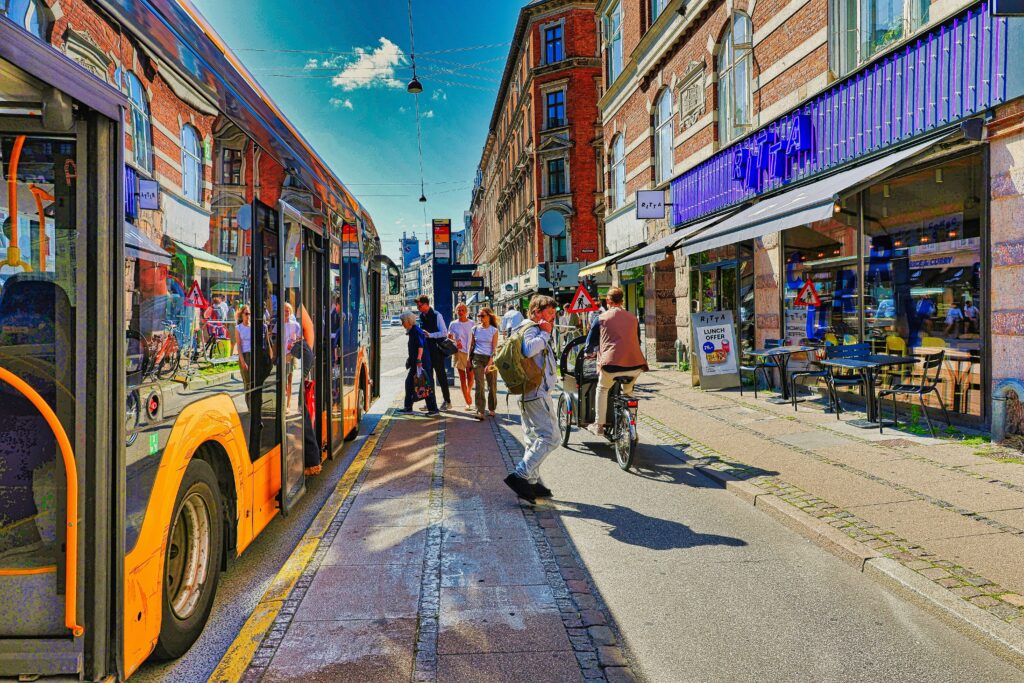
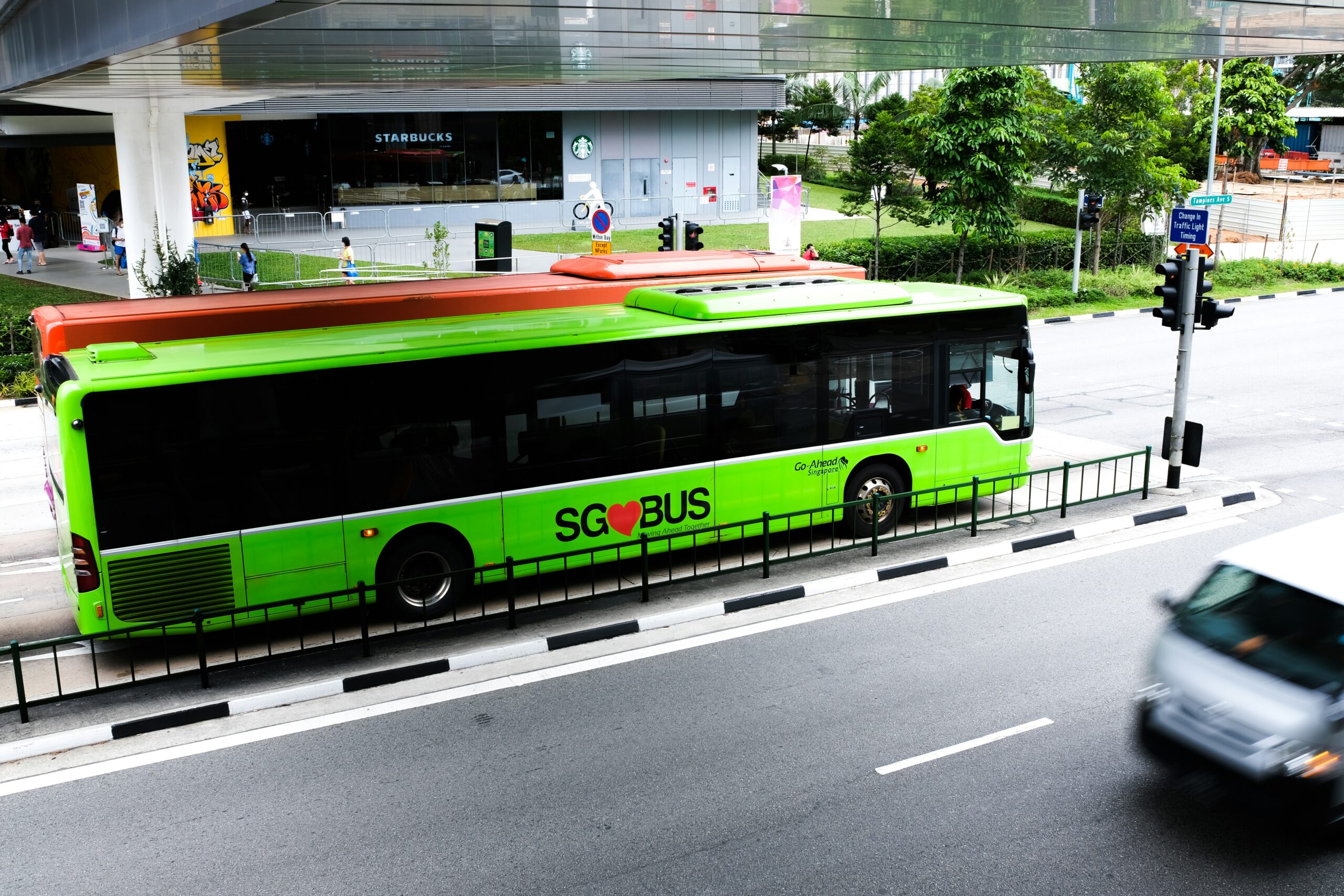
Public transportation is the backbone of any sustainable urban transportation system. By offering reliable and affordable transit options, cities can encourage residents to use public transport instead of personal vehicles.
Implementing Efficient Routes and Scheduling
To maximize ridership, urban planners should design efficient routes that accommodate high-density areas and key destinations. This might involve:
– Conducting comprehensive studies to identify passenger needs.
– Using technology to enhance scheduling and real-time updates.
2. Integrating Electric Buses
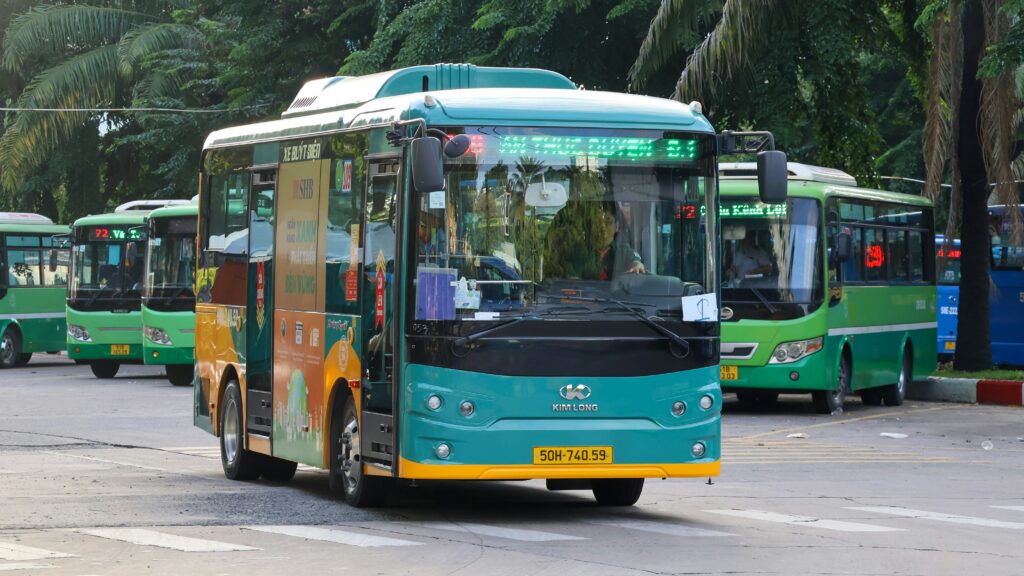
The transition to electric buses represents a significant step towards reducing emissions. These vehicles are quieter, cleaner, and often cheaper to maintain over time.
Infrastructure Development for Electric Buses
Successful integration of electric buses requires robust infrastructure, including:
– Charging stations located strategically throughout urban areas.
– Training for maintenance staff to handle electric vehicles.
3. Developing Safe and Accessible Bike Lanes
Promoting cycling as a viable mode of transport is crucial for achieving sustainable urban transportation. Cities can encourage cycling by developing safe and accessible bike lanes.
Design Considerations for Bike Lanes
– Segregation: Dedicated bike lanes separated from vehicle traffic.
– Connectivity: Ensuring bike lanes connect with key areas such as schools, parks, and transit stations.
4. Fostering Car-Free Zones
Implementing car-free zones in densely populated areas can dramatically transform urban environments. These zones prioritize pedestrians and create inviting spaces for businesses and social interactions.
Benefits of Car-Free Zones
– Increases foot traffic for local businesses.
– Improves safety for pedestrians and cyclists.
– Reduces noise and air pollution in urban centers.
The Role of Policy and Community Engagement
Policies Supporting Sustainable Transportation
Effective policies must support the transition to sustainable urban transportation. These policies may include:
– Incentives for public transit use and biking.
– Funding for green city planning initiatives.
– Regulations that favor electric vehicle adoption.
Engaging the Community
Community engagement is essential for the success of any sustainable transportation plan. Residents should be involved in:
– Identifying transportation needs and gaps.
– Collaborating on the design of bike lanes and public transit systems.
Comparing Various Modes of Urban Transportation
Factors to Consider in Transportation Options
To better understand the impact of different transportation methods on sustainability, let’s compare various attributes of urban transportation options.
Comparison of Urban Transportation Modes
| Comparison Factor | Public Transportation | Electric Buses | Bike Lanes | Car Usage |
|---|---|---|---|---|
| Carbon Emissions | Low | Very Low | None | High |
| Health Impact | Positive | Positive | Very Positive | Negative |
| Cost Efficiency | High (low operational costs) | Medium (high initial investment) | High (low infrastructure costs) | Low (high fuel and maintenance costs) |
| Space Consumption | High (requires dedicated lanes) | Medium (requires charging infrastructure) | Low | Very High |
The Future of Sustainable Urban Transportation
Moving forward, the future of sustainable urban transportation will rely on continued advancements in technology and infrastructure. Here are some trends and innovations shaping this field:
Mobility as a Service (MaaS)
The concept of Mobility as a Service (MaaS) integrates different modes of transport, providing users with seamless access to various transportation options through a single platform. This encourages the use of sustainable choices, such as combining bike share with public transit.
Intelligent Transport Systems (ITS)
The integration of technology into transport systems can improve efficiency and reduce congestion. Intelligent Transport Systems (ITS) use real-time data to optimize traffic flow, enhance public transportation schedules, and inform users of available options.
Renewable Energy Integration
As cities shift towards renewable energy sources, integrating these resources into transportation infrastructure—such as solar-powered charging stations for electric buses—will be crucial for sustainability.
FAQ Section
What is sustainable urban transportation?
Sustainable urban transportation refers to transport systems that minimize environmental impact, reduce pollution, and promote economic viability by using low-carbon mobility options.
How do bike lanes contribute to sustainability?
Bike lanes promote sustainable commuting by offering a safe and efficient mode of transport, reducing reliance on cars, thus lowering carbon emissions and improving air quality.
Why are electric buses a better choice for urban transport?
Electric buses produce zero emissions during operation, contribute to reduced air pollution, and offer lower long-term operational costs compared to traditional diesel buses.
What role do public transportation systems play in urban sustainability?
Public transportation systems are essential for reducing traffic congestion, lowering individual carbon footprints, and enhancing overall connectivity in urban areas.
How can communities get involved in promoting sustainable transportation?
Communities can engage by participating in planning discussions, advocating for support of green city planning initiatives, and encouraging the use of public transport and cycling.
Conclusion
Making transportation more sustainable in urban areas requires a multi-faceted approach involving innovative planning, community involvement, and a commitment to reducing our environmental impact. By enhancing public transportation, integrating electric buses, developing safe bike lanes, and fostering eco-friendly policies, cities can pave the way for a greener future. Embracing these strategies will not only foster low-carbon mobility but will also enhance the quality of life for residents while creating vibrant, accessible urban spaces. Investing in sustainable urban transportation is a step towards a healthier planet and a more connected community for generations to come.