Easy Ways to Conserve Water at Home: Save Money and Resources
Water is one of our planet’s most precious resources, and conserving it is essential for both our environment and our wallets. In today’s post, we’ll explore easy ways to conserve water at home, discuss various water conservation techniques, and highlight how adopting eco-friendly practices can lead to significant savings in your water bills. Whether you aim to enhance water efficiency at home, embrace sustainable living, or discover smart home solutions, the following tips will help you achieve your goals.
Understanding the Importance of Water Conservation
Water is required for so many aspects of our lives: from drinking and bathing to cooking and cleaning. However, many homes waste a surprising amount of water daily. According to the U.S. Environmental Protection Agency (EPA), an average family can waste over 180 gallons per week due to inefficient water use. This waste not only drives up your water bills but also puts unnecessary strain on local water supplies and the environment.
By implementing water-saving strategies, you can reduce your consumption, help the environment, and save money all at the same time!
Simple Ways to Conserve Water Inside Your Home
1. Fix Leaks Promptly
One of the easiest ways to reduce water waste is by addressing leaks immediately. A dripping faucet or leaking toilet can waste gallons of water each day. Make sure to regularly inspect all plumbing fixtures and get leaks fixed promptly.
2. Install Water-Saving Fixtures
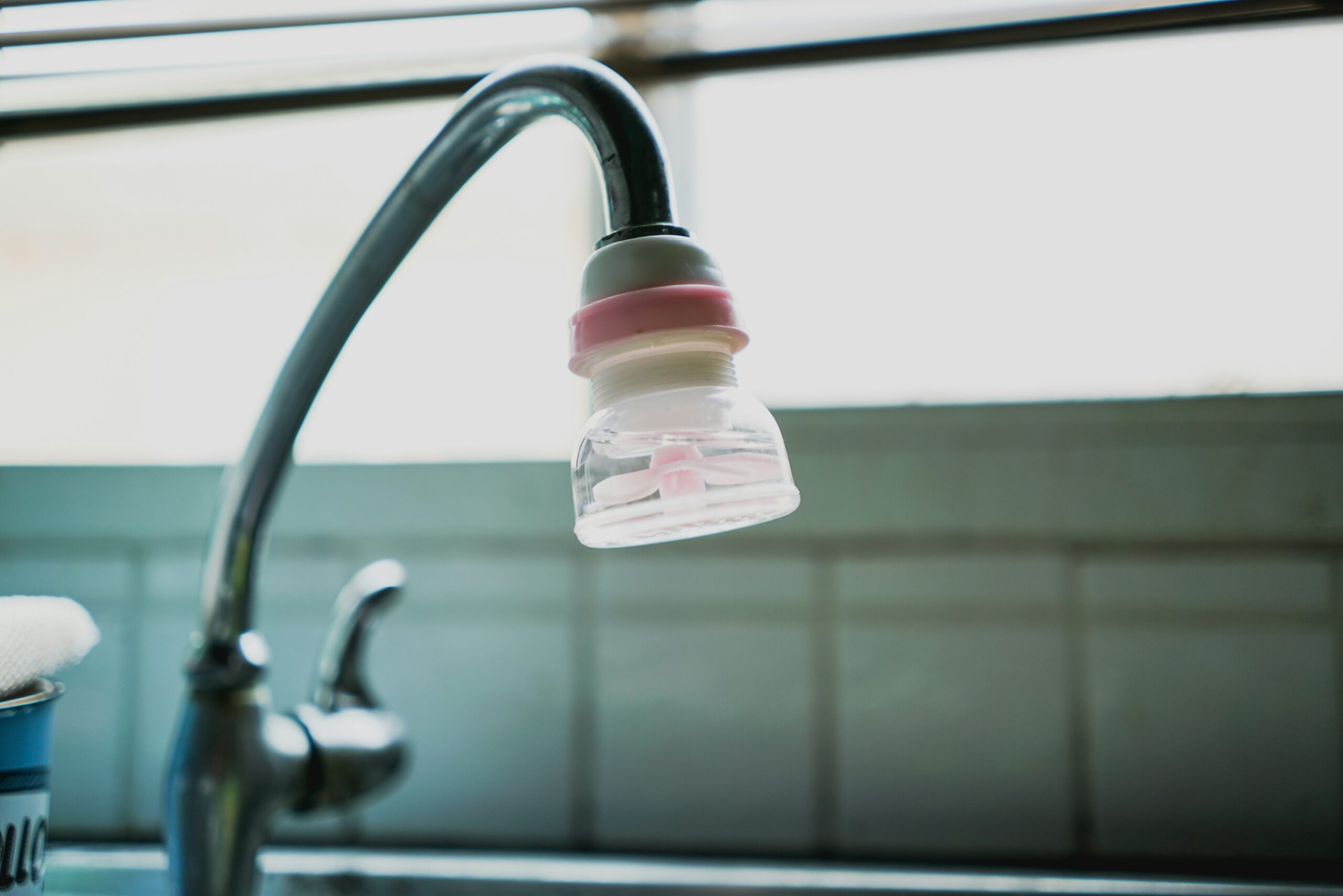
Consider upgrading to water-efficient fixtures if your home hasn’t already made the switch. Low-flow showerheads, faucets, and toilets can significantly cut water consumption without sacrificing performance.
3. Take Shorter Showers
Long, leisurely showers can account for a significant portion of your water usage. Aim to keep showers under 5-10 minutes. You can also use a timer to help you monitor your shower time effectively.
4. Turn Off the Tap
Whether you are brushing your teeth, washing your hands, or doing the dishes, turning off the tap when it’s not in use can save gallons of water. Implement this habit to maximize your home water-saving efforts.
5. Use a Dishwasher and Washing Machine Wisely
Only wash full loads in your dishwasher and washing machine. Additionally, consider investing in energy-efficient appliances that use less water for cleaning.
6. Collect Rainwater
If permitted in your area, set up a rain barrel to collect rainwater for outdoor irrigation. This is a wonderful example of sustainable living that promotes eco-friendly practices.
7. Optimize Lawn and Garden Watering
Water your lawn and garden during early morning or late evening to reduce evaporation losses. Additionally, consider drought-resistant plants to minimize watering needs.
Eco-Friendly Practices for Water Conservation at Home
8. Mulch Your Garden
Applying mulch can help retain soil moisture, reducing the frequency of watering. It also benefits your plants by suppressing weeds and regulating soil temperature.
9. Use a Broom Instead of a Hose
When cleaning driveways and sidewalks, use a broom instead of blasting them with a hose, saving hundreds of gallons of water.
10. Choose Native Plants
Opting for native plants in your landscape design requires less water and is better adapted to your local climate, thus promoting water efficiency.
Smart Home Solutions for Water Conservation
11. Install Smart Irrigation Systems
Consider investing in smart irrigation systems that can automatically adjust watering schedules based on weather conditions. This ensures your plants receive only what they need and prevents overwatering.
12. Monitor Water Usage
Many smart home technologies allow you to track your water usage in real-time. By seeing your consumption patterns, you can identify areas where you can cut back.
13. Use Water-Saving Technologies
Explore smart devices and home appliances with built-in water-saving technology. High-efficiency toilets or appliances can significantly reduce water usage.
Economic Benefits of Water Conservation
Adopting water conservation techniques does not just benefit the environment, but it also positively impacts your finances. Here’s a closer look at the economic benefits of conserving water at home:
14. Lower Water Bills
The more water you save, the lower your utility bills will be. Small changes can lead to substantial savings over time, keeping more money in your pocket.
15. Increase Property Value
Homes equipped with water-saving appliances and fixtures are often more attractive to potential buyers. Investing in home water-saving solutions can enhance your property value.
16. Reduce Energy Costs
Using less water can lead to lower energy costs associated with heating water. Your water heater will work less, resulting in decreased electricity or gas expenses.
Helpful Water Conservation Techniques You Can Implement
17. Use a Car Wash
Instead of washing your car at home, use a commercial car wash that recycles water. Many of these facilities are designed to minimize water waste.
18. Cover Pools
If you have a swimming pool, keep it covered to reduce evaporation. A pool cover can save a significant amount of water each year.
19. Conduct a Water Audit
Performing a water audit at home can help you identify areas where you might be wasting water without even realizing it. Take a moment to review your consumption habits and look for opportunities to improve efficiency.
20. Educate Your Family
Ensure that every member of your household understands the importance of water conservation. Encourage your family to make conscious efforts to save water daily.
Easy Ways to Measure and Monitor Water Usage
21. Install a Flow Monitor
Consider adding a flow monitor to your plumbing system. These devices can help track water usage in real-time, allowing you to identify spikes in consumption.
22. Use Measurement Tools
If you’re making changes to your watering habits or appliances, measure how much water you are using before and after. This will help you understand what methods work best for water conservation.
Most Common Water-Wasting Activities at Home
23. Over-Watering Lawns and Gardens
Over-watering is a common mistake that can waste large amounts of water. Monitor the soil moisture to ensure you are providing adequate irrigation.
24. Flushing Trash
Many people use toilets as trash cans, which can lead to unnecessary flushing and higher water use. Instead, dispose of items like tissues in the trash.
25. Excessive Cleaning
While cleanliness is important, using excessive water for cleaning tasks can be wasteful. Use water-efficient cleaning techniques to cut back.
Summary of Water Conservation Techniques
Using the tips in this article, you can make significant strides in conserving water in your home. Below is a concise summary of the water conservation techniques we’ve explored.
Water Conservation Techniques Overview
| Technique | Description |
|---|---|
| Fix Leaks | Address leaks immediately to prevent water waste. |
| Water-Saving Fixtures | Upgrade to low-flow fixtures for showers, faucets, and toilets. |
| Shorter Showers | Aim for showers under 5-10 minutes. |
| Turn Off Tap | Switch off taps when not in use. |
| Efficient Appliance Use | Wash full loads only in dishwashers and washing machines. |
FAQs About Water Conservation at Home
What are the benefits of conserving water at home?
Conserving water leads to lower utility bills, reduced environmental impact, and increased property value. It also contributes to sustainable living practices.
How can I reduce water usage without making big changes?
Small everyday habits, such as checking for leaks, turning off the tap while washing hands, or taking shorter showers, can lead to significant water savings.
Are water-saving fixtures expensive?
While initial costs may vary, water-saving fixtures often pay for themselves through reduced water bills over time.
What is a water audit, and how do I perform one?
A water audit involves assessing your water use to identify areas of waste. This can include checking for leaks, tracking your consumption, and evaluating your irrigation habits.
Can I conserve water during everyday tasks?
Absolutely! You can incorporate water-saving practices in daily activities like washing dishes, showering, and doing laundry.
Conclusion
Conserving water at home is not only a responsible act but also a practical way to save money. With so many easy ways to conserve water at home, adopting these practices can make a significant impact. By focusing on water efficiency, embracing sustainable living, and implementing eco-friendly practices, you can contribute to the greater good while enjoying the benefits of lower water bills and a healthier planet. Start with simple changes today and become part of the solution to a more sustainable world!