Innovative Energy Efficient Homes Designs for Every Budget
As the world shifts towards a more sustainable future, energy efficient homes designs have become increasingly popular among homeowners and builders alike. Not only do these designs promote eco-friendly architecture, but they also offer smart energy solutions that save money in the long run. From low-energy designs to solar homes, there are various options available that can fit any budget. In this blog, we will explore a range of innovative energy-efficient home designs, their benefits, and features, guiding you towards a sustainable living experience.
The Importance of Energy Efficient Homes
The construction and operation of buildings are significant contributors to energy consumption and greenhouse gas emissions. It is estimated that residential buildings account for nearly 20% of the total energy usage and CO2 emissions globally. Transitioning to sustainable living through energy efficient homes can reduce these figures, conserve natural resources, and create healthier living environments.
Understanding Energy Efficiency
Energy efficiency in homes refers to the use of technology and design features that reduce energy consumption without sacrificing comfort. Here are some essential aspects of energy-efficient homes:
– Insulation: Quality insulation minimizes heat loss in winter and heat gain in summer, ensuring comfortable indoor temperatures and reducing energy demands.
– Energy-Efficient Windows: Double or triple-glazed windows prevent heat escape and minimize reliance on heating and cooling systems.
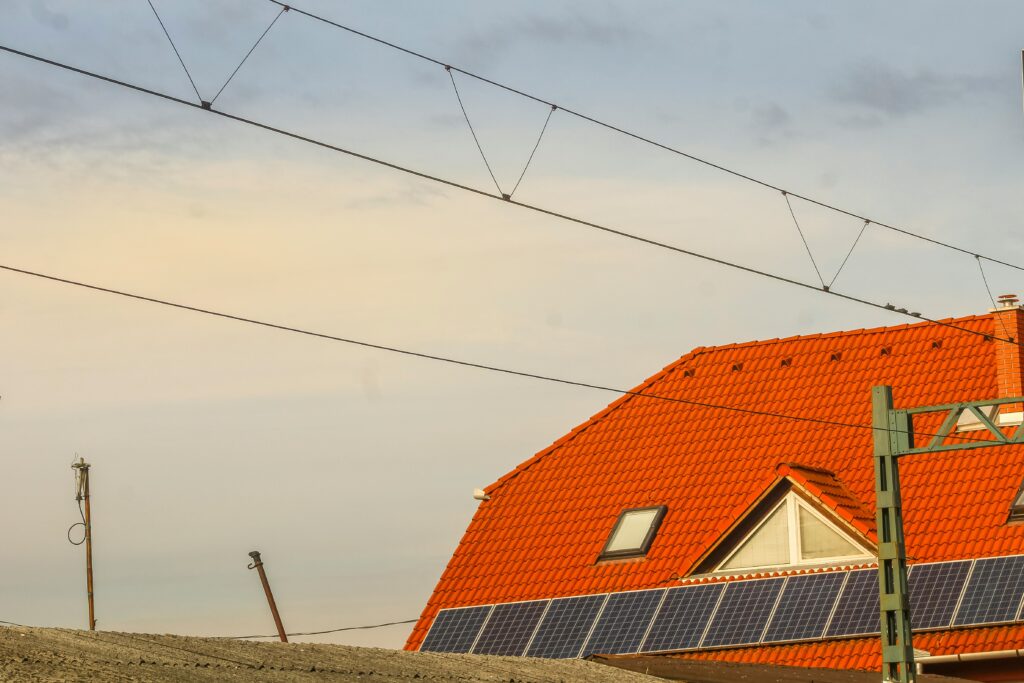
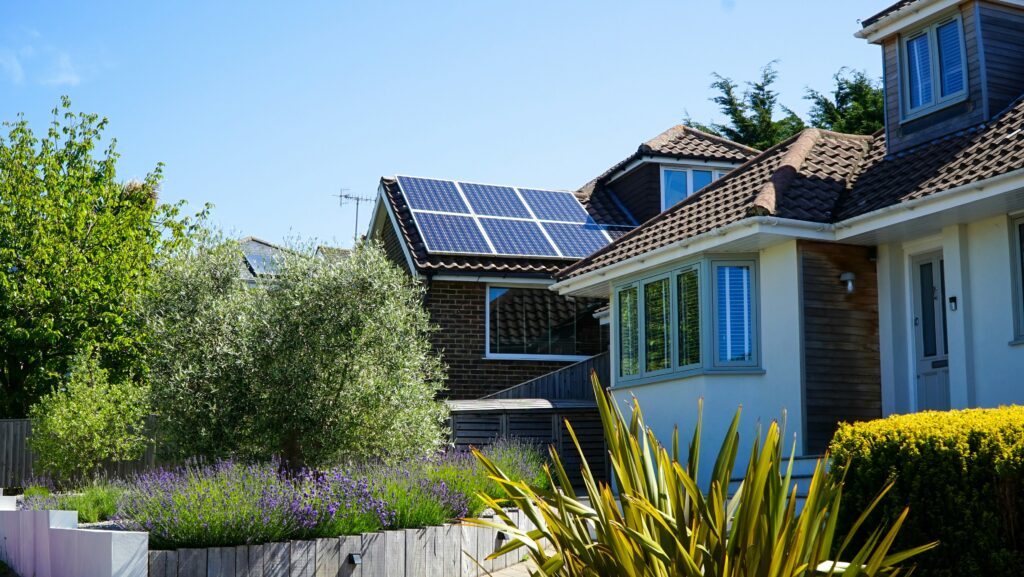
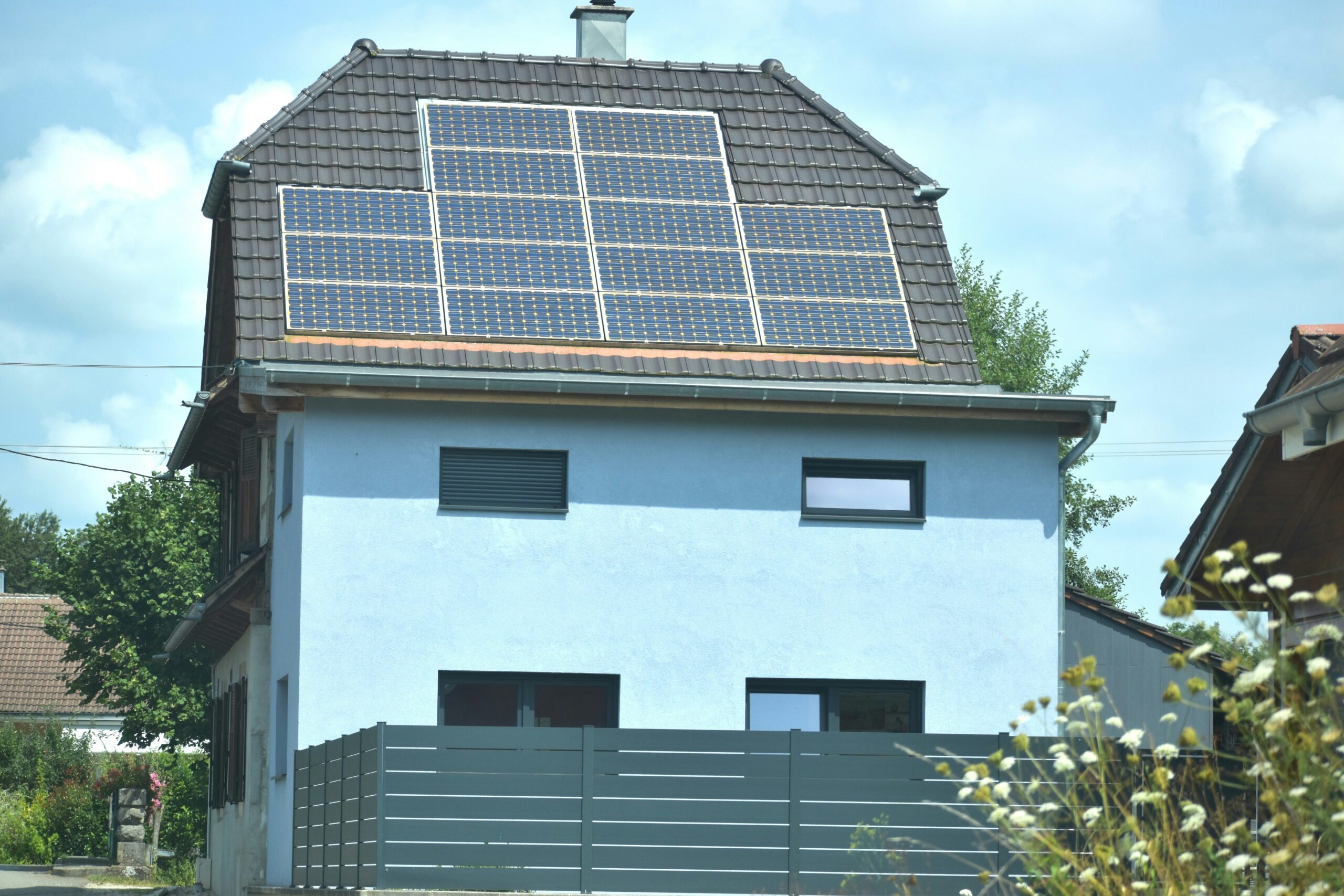
– Renewable Energy Solutions: Integrating solar panels not only reduces utility bills but also contributes to reduced carbon footprints.
– Smart Technology: Smart thermostats, lighting, and appliances optimize energy use by adjusting according to occupancy and time of day.
Innovative Designs for Energy Efficient Homes
There are several innovative designs of energy-efficient homes that cater to a range of budgets. Below, we discuss some of the most promising options from modern construction that can help you achieve a greener lifestyle.
1. Passive House Design
Passive House Design focuses on creating buildings that consume minimal energy for heating and cooling. This design harnesses natural sunlight and air circulation to maintain comfortable indoor climates.
– Key Features:
– High levels of insulation
– Airtight construction
– Thermal bridge-free design
– High-performance windows
2. Prefabricated Homes
Prefabricated homes are manufactured off-site and then transported to the building location. They are often cheaper and quicker to build, and can incorporate various green home features such as solar panels and energy-efficient appliances.
– Key Features:
– Reduced construction waste
– Energy-efficient building materials
– Quick assembly
3. Container Homes
Built from repurposed shipping containers, container homes are a unique and cost-effective option for eco-friendly architecture. They can be equipped with sustainable solutions and often utilize fewer resources.
– Key Features:
– Affordable starting prices
– Minimal land impact
– Customizable designs
4. Earth Sheltered Homes
Earth-sheltered homes are partially or completely buried underground, enabling them to maintain a stable thermal environment. This design takes advantage of the land’s natural insulation.
– Key Features:
– Reduced energy costs due to natural heating and cooling
– Minimal visual impact on the landscape
– Long-lasting durability
5. Green Roof Homes
Green roofs are created by placing vegetation over roofing systems, providing insulation and absorbing rainwater. These homes are not only aesthetically pleasing but also beneficial for the environment.
– Key Features:
– Enhanced energy efficiency
– Improved air quality
– Stormwater management
Exploring Smart Energy Solutions
Incorporating smart technology into energy efficient homes designs can further optimize energy use. Consider the following smart energy solutions:
Smart Thermostats
Smart thermostats learn your behaviors and automatically adjust temperatures, minimizing energy waste. They can be controlled via smartphones, allowing for real-time adjustments from anywhere.
LED Lighting
Swapping incandescent bulbs for LED lighting offers significant energy savings without sacrificing brightness. LEDs also have a longer lifespan, further reducing waste.
Energy Monitoring Systems
Energy monitoring systems track your real-time energy usage, helping you identify areas where you can cut back. These systems often come with smartphone apps that provide insights and recommendations.
Home Automation
Home automation systems can control lighting, heating, and other energy-consuming devices based on your preferences and schedule, leading to more efficient energy management.
Comparing Energy Efficient Home Designs
To further understand the various energy efficient homes designs, let’s compare some of the most popular options in terms of cost, environmental impact, and energy efficiency.
Comparison Table of Energy Efficient Home Designs
Table: Comparing Energy Efficient Home Designs
| Design Type | Cost Range | Environmental Impact | Energy Efficiency Rating |
|---|---|---|---|
| Passive House | High | Low | Very High |
| Prefabricated | Medium | Medium | High |
| Container Home | Low-Medium | Medium | Medium-High |
| Earth Sheltered | Medium-High | Very Low | High |
| Green Roof | Medium-High | Low | High |
Green Home Features to Consider
When designing or purchasing an energy-efficient home, consider incorporating various green home features to further enhance its sustainability:
– Rainwater Harvesting Systems: Collect rainwater for irrigation or non-potable use.
– Energy-Efficient Appliances: Look for ENERGY STAR-rated appliances that consume less energy and water.
– Sustainable Landscaping: Use native plants and xeriscaping to reduce water usage and maintenance.
– Natural Ventilation: Design for cross-ventilation to reduce reliance on air conditioning.
FAQs About Energy Efficient Homes Designs
What are energy-efficient homes?
Energy-efficient homes utilize design, materials, and technologies to reduce energy consumption while maintaining comfort and livability.
How much can I save on energy bills?
The savings depend on the home design and energy-efficient features implemented, but many homeowners report annual savings of 20-30% on energy bills.
Do energy-efficient homes cost more to build?
While the upfront costs may be higher due to sustainable materials and technologies, energy-efficient homes often save money over time through reduced energy bills.
What is a passive house?
A passive house is a building standard that focuses on energy efficiency, emphasizing high insulation, airtightness, and ventilation systems that minimize energy needs.
Can I retrofit my current home to become more energy-efficient?
Yes! Many upgrades can be made to existing homes, such as better insulation, energy-efficient windows, and smart technology solutions.
What government incentives are available for energy-efficient homes?
Many governments and local utilities offer tax incentives, rebates, and grants to encourage energy-efficient home improvements. It’s best to check your local regulations for specific programs.
Conclusion
Innovative energy efficient homes designs not only benefit our planet but can also be tailored to fit any budget and lifestyle. Investing in eco-friendly architecture, sustainable living, and smart energy solutions is a step towards a sustainable and responsible future. With careful consideration of design elements and features, you can build or retrofit a home that meets your needs while minimizing your environmental impact. By embracing these green options, you are not just creating a living space; you are contributing to a healthier planet for future generations.