Top Energy Efficient Homes Floor Plans for Modern Living
In the modern era, energy efficient homes floor plans are not just a trend but a necessity for sustainable living. As awareness about environmental issues grows, many homeowners are seeking solutions that not only reduce their carbon footprint but also enhance their quality of life. This comprehensive guide will explore various aspects of energy-efficient homes, including small homes, modular homes, sustainable design, smart layouts, and green architecture. Let’s dive in!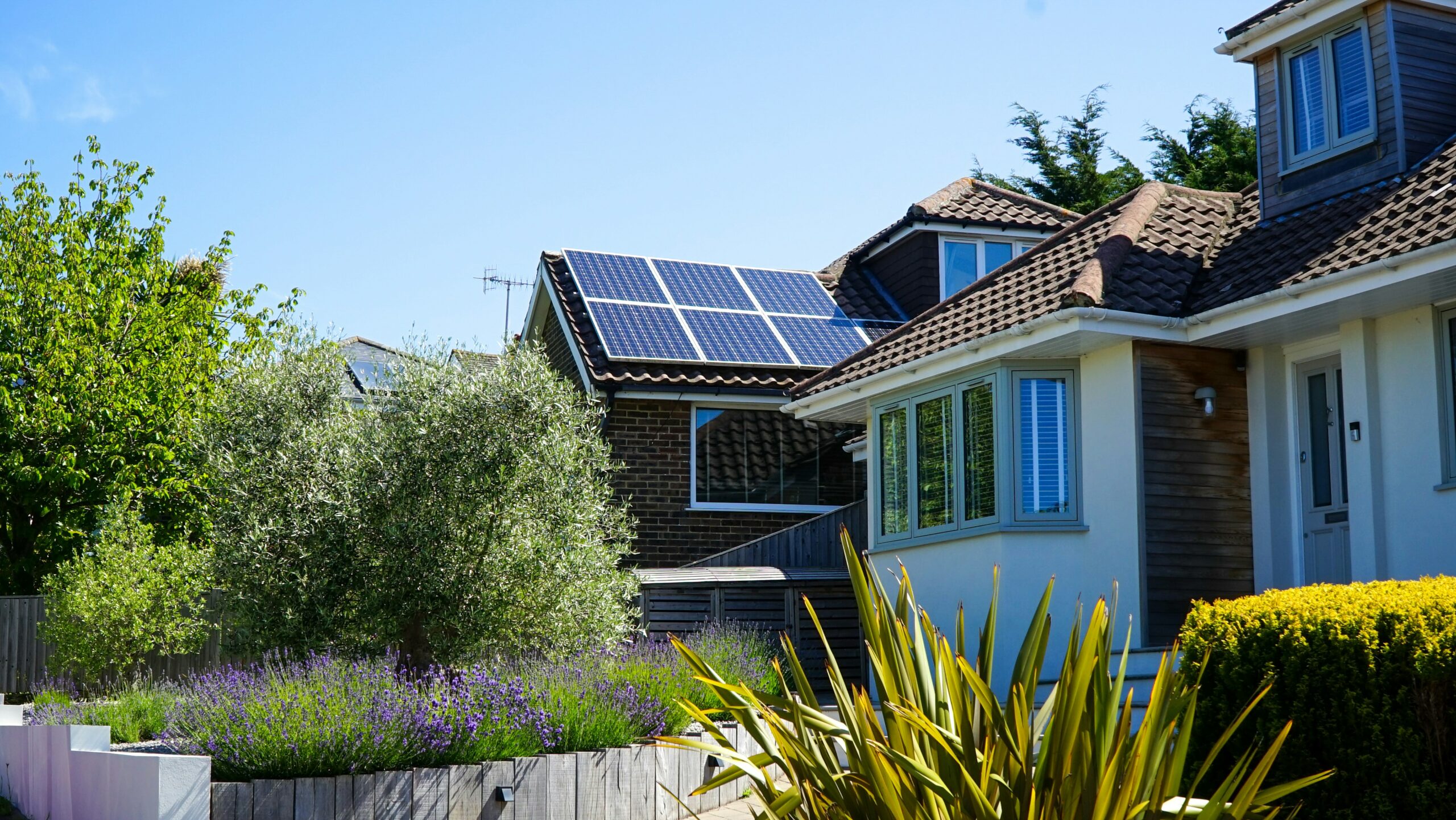
Understanding Energy Efficient Homes
Energy efficient homes are designed to minimize energy consumption while maximizing functionality and comfort. These homes use advanced materials and technology to ensure efficient construction and lessen their impact on the environment. By integrating eco-friendly features, homeowners can enjoy savings on energy bills while promoting sustainability.
Key Features of Energy Efficient Homes
– Insulation and Air Sealing: Effective insulation and air sealing techniques can eliminate drafts and retain heat in the winter and cool air in the summer.
– High-Performance Windows: Energy-efficient windows reduce heat transfer, which lowers heating and cooling costs.
– Energy Star Appliances: These appliances consume less energy without sacrificing performance, contributing to overall efficiency.
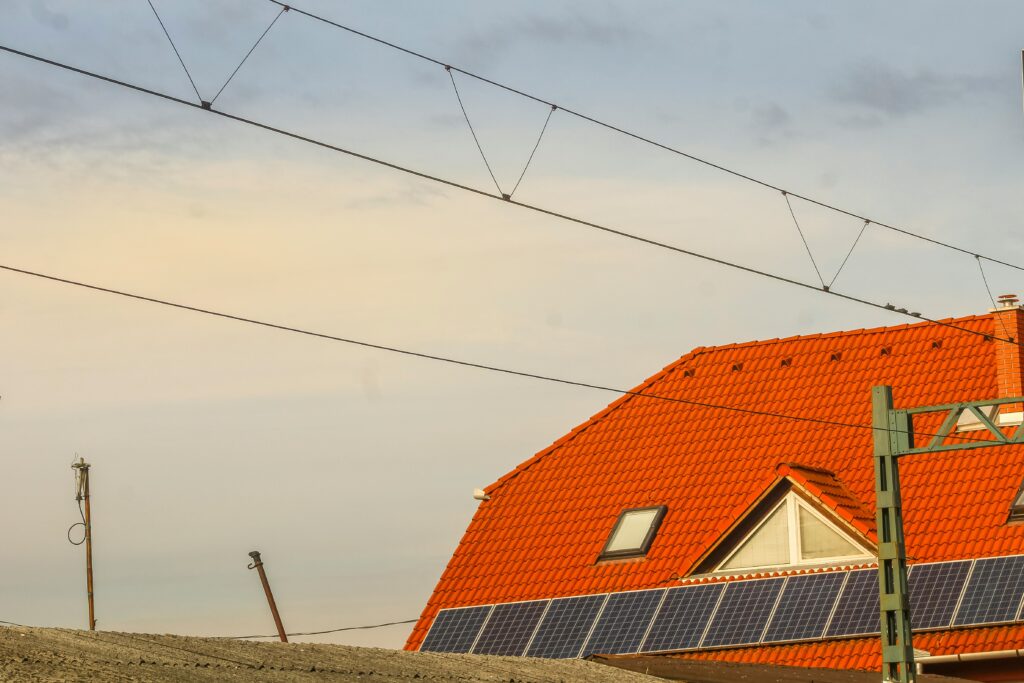
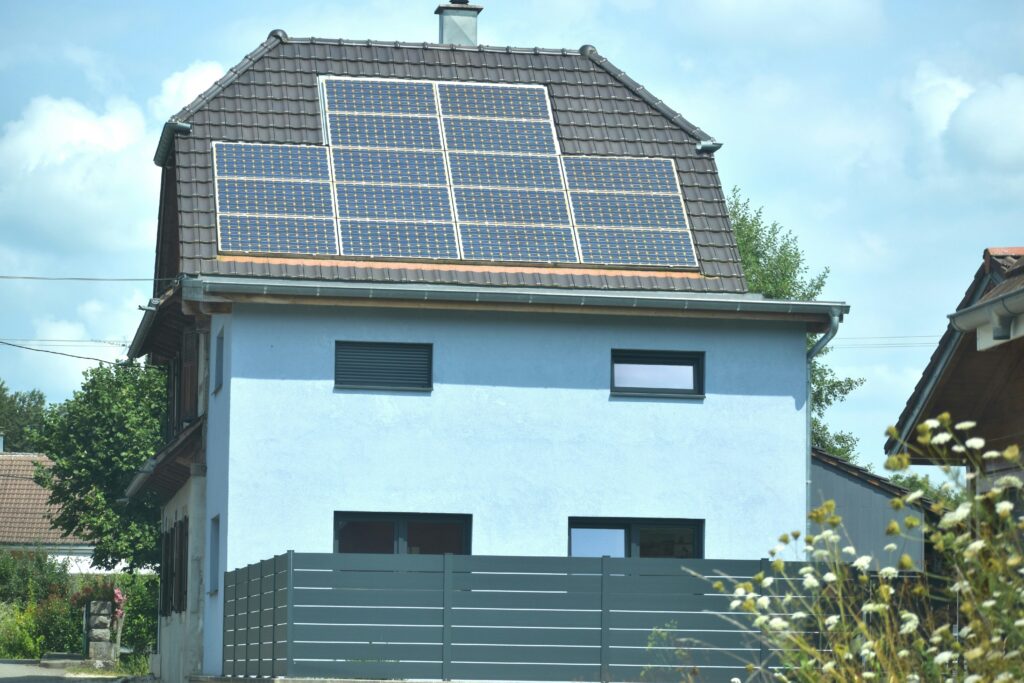
– Renewable Energy Sources: Incorporating solar panels, wind turbines, or geothermal systems helps reduce reliance on fossil fuels.
Modular Homes: A Flexible Solution
Modular homes play a significant role in the landscape of energy-efficient living. Built in sections off-site, these homes can be transported and assembled on location, minimizing waste and construction time.
Advantages of Modular Homes
– Cost-Effectiveness: The controlled building environment allows for lower costs due to reduced time and labor expenses.
– Customization: Homeowners can tailor designs to meet their specific needs, incorporating features conducive to sustainable living.
– Less Waste: The factory setting allows for better material management, leading to reduced waste compared to traditional construction.
Small Homes: Big Impact
In the quest for sustainable living, small homes have gained popularity. These compact spaces allow for thoughtful design while reducing energy consumption.
Benefits of Living in Small Homes
– Lower Utility Bills: Smaller spaces require less energy to heat and cool.
– Reduced Environmental Impact: Fewer materials are needed to construct small homes, resulting in a smaller carbon footprint.
– Easier Maintenance: The simplicity of small homes often translates to lower upkeep and maintenance needs.
Sustainable Design Principles
Sustainable design goes beyond aesthetics; it integrates eco-friendly principles that consider the environment and the well-being of the inhabitants. Key elements include:
Passive Solar Design
This technique entails orienting the home to take advantage of natural light and heat from the sun, reducing the need for artificial heating and cooling.
Water Conservation
Incorporating rainwater harvesting systems and drought-resistant landscaping not only conserves water but also promotes sustainability.
Smart Layouts: Maximizing Space Efficiency
When planning energy efficient homes, smart layouts are essential. They ensure that every square foot of space serves a purpose while promoting airflow and natural light.
Factors That Influence Smart Layouts
– Open Floor Plans: These promote natural airflow, improving ventilation without extensive energy usage.
– Multi-Functional Rooms: Rooms designed for multiple purposes enhance the functionality of a compact space.
Green Architecture: The Future of Home Design
Green architecture reflects an overall mindset of sustainability, focusing on eco-friendly materials, energy-efficient systems, and designs that harmonize with the environment.
Elements of Green Architecture
– Sustainable Materials: Using reclaimed or sustainably sourced materials reduces environmental impact.
– Biophilic Design Elements: Incorporating natural light, plants, and outdoor views into indoor spaces can enhance the living experience and contribute positively to mental well-being.
Innovative Energy Efficient Floor Plans
When it comes to energy efficient homes floor plans, creativity is key. Below, we showcase some innovative designs that promote sustainable living.
Energy Efficient Floor Plan Designs
1. The Compact Cottage
Perfect for small family living, the compact cottage integrates energy-efficient materials and passive solar design principles.
2. The Modern Modular Home
Boasting a sleek design, this modular home can be customized in various sizes, all while incorporating solar panels and smart home technology.
3. The Eco-Friendly Bungalow
This single-story design emphasizes natural light and efficient use of space, perfect for retirees or small families looking for eco-friendly living.
Highlighting Features of Modern Energy-Efficient Floor Plans
Comparison of Different Energy Efficient Home Designs
The following table compares various energy-efficient home designs based on different factors:
| Comparison Factor | Compact Cottage | Modern Modular Home | Eco-Friendly Bungalow |
|---|---|---|---|
| Size | Small | Medium/Large | Medium |
| Customization | Low | High | Medium |
| Energy Efficiency Rating | High | Very High | High |
| Cost | Affordable | Varies | Moderate |
| Maintenance | Low | Low | Moderate |
The Importance of Efficient Construction
The foundation of any energy-efficient home lies in efficient construction. This involves using quality materials and skilled labor to create homes that stand the test of time and minimize wastage. Essential principles include:
Using Renewable Resources
Employing materials that can be replenished is crucial for sustainability. This includes bamboo, recycled metals, and responsibly sourced timber.
Energy-Efficient Building Practices
Techniques such as modular construction and prefabrication aid in reducing energy consumption during the building process.
FAQ About Energy Efficient Homes Floor Plans
1. What are the benefits of living in an energy-efficient home?
Living in an energy-efficient home can lead to reduced utility bills, improved air quality, health benefits, and a lower environmental impact.
2. Are modular homes energy-efficient?
Yes, modular homes are designed with energy-efficient technologies and materials, making them a great option for sustainable living.
3. How can I make my existing home more energy-efficient?
You can improve your home’s efficiency by upgrading insulation, installing energy-efficient windows and doors, using energy-efficient appliances, and considering renewable energy sources or smart home technology.
4. What role does sustainable design play in energy efficiency?
Sustainable design principles emphasize resource conservation, energy savings, and promoting a healthy environment, all of which contribute to a home’s overall energy efficiency.
5. Are there financial incentives for building or renovating an energy-efficient home?
Many governments offer tax credits, grants, and rebates for building energy-efficient homes or renovating existing ones with green technologies. Check local regulations for available incentives.
Conclusion
Energy efficient home designs are not merely options; they are necessary components in the effort to create sustainable living environments. From small homes to modular homes, each design fosters an eco-friendly lifestyle, helping homeowners save on utility costs while living harmoniously with nature. By investing in sustainable design and smart layouts, individuals can contribute to a greener future.
Finding the right energy efficient homes floor plans can be a rewarding journey toward a sustainable lifestyle. Embrace the concepts of green architecture, and make a positive impact on your life and the planet. Whether you’re building new or renovating an existing structure, remember that every step towards energy efficiency is a step towards preserving our world for future generations.
See weather forecast
https://garden.org/