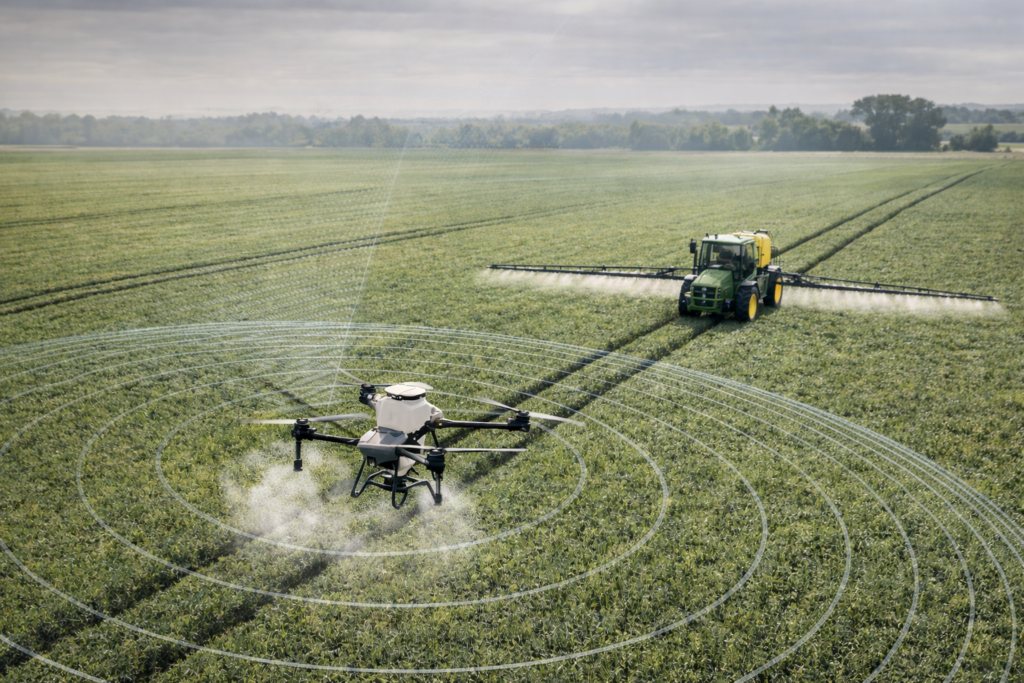
Use of Drones in Modern Farming Techniques for Crop Monitoring
In recent years, modern farming techniques have undergone a remarkable transformation, with technology playing a pivotal role in optimizing agricultural outputs while promoting sustainability. Among these innovations, the use of agricultural drones has emerged as a game-changer in crop monitoring and farm management. This blog explores how drones are integrated into crop monitoring technology, how they enhance precision farming tools, and their broader impact on smart agriculture and farm surveillance within the sphere of sustainable farming.
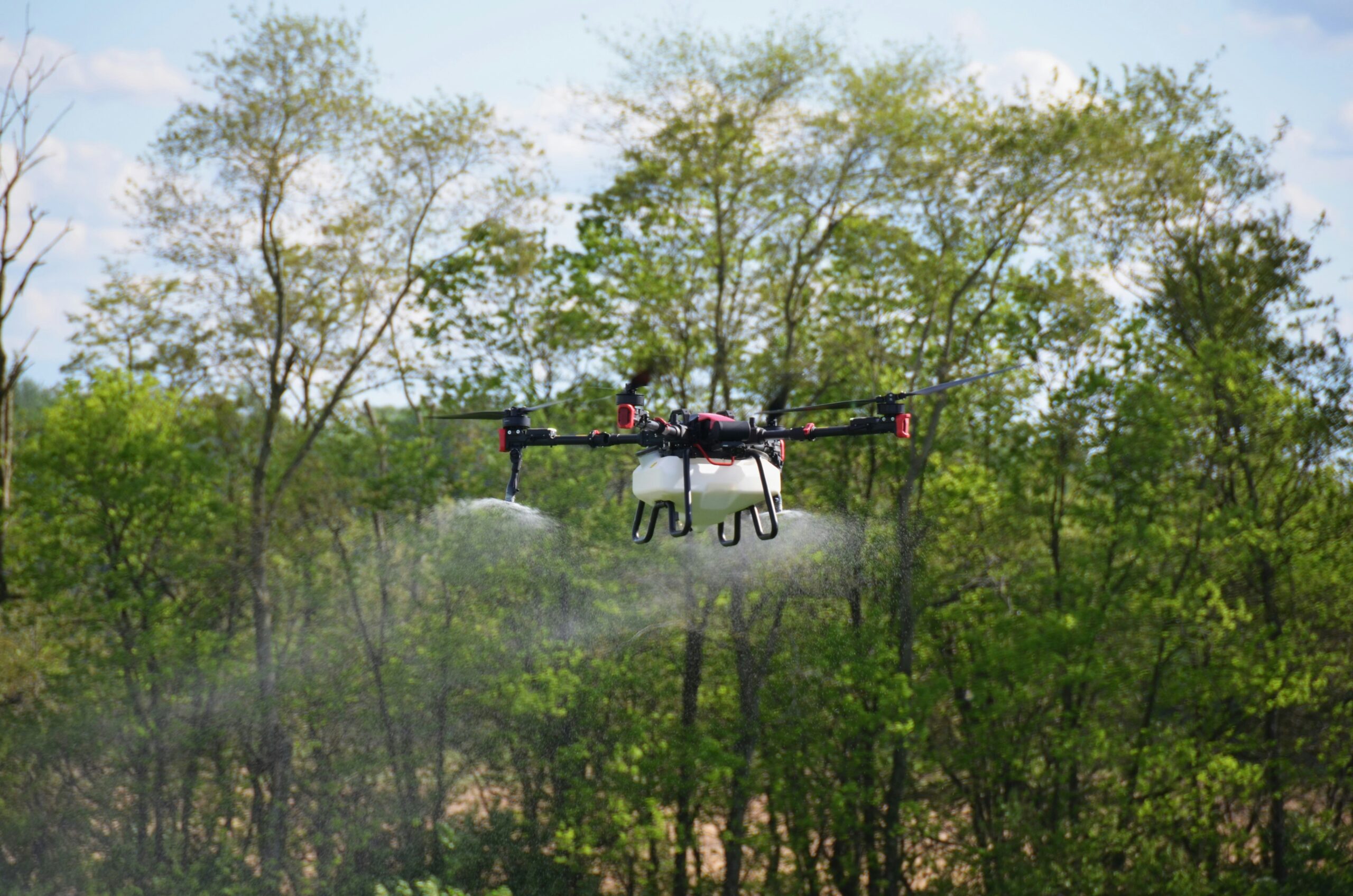
The Evolution of Modern Farming Techniques
Before the adoption of modern technologies, traditional farming methods relied heavily on manual labor, intuition, and experience for crop monitoring and management. However, with the rising global demand for food and increasing pressures of environmental sustainability, farmers and agribusinesses are turning to advanced tools and techniques to maximize efficiency and productivity.
Modern farming techniques blend agronomic science with technological innovation, leading to a new era termed smart agriculture. This approach incorporates data-driven practices, automation, and remote sensing technologies—among which drones stand out for their versatility and impact.
How Agricultural Drones Enhance Crop Monitoring Technology
What Are Agricultural Drones?
Agricultural drones are unmanned aerial vehicles (UAVs) equipped with specialized sensors, cameras, and software platforms tailored for farming applications. These drones provide real-time aerial imagery, multispectral data, and environmental metrics, enabling farmers to monitor crops more accurately than ever before.
Benefits of Using Drones for Crop Monitoring
1. High-Resolution Imaging
Drones capture high-definition images and videos that reveal crop health, pest infestations, and irrigation issues. This level of detail provides insights impossible to gather through ground-level inspections.
2. Efficient Data Collection
Covering large fields within minutes, drones save enormous amounts of time compared to manual scouting. This efficiency translates to timely interventions, reducing crop losses.
3. Multispectral and Thermal Sensing
These advanced sensors detect variations in plant health invisible to the naked eye, such as NADPH activity and water stress, improving decision-making regarding fertilization, irrigation, and pest control.
4. Real-Time Monitoring and Reporting
Integrated software platforms allow for live dashboards, remote access, and automated report generation that help farmers keep track of field conditions anytime, anywhere.
Precision Farming Tools Powered by Drones
Precision farming relies on accurate data to optimize agricultural inputs—seeds, water, fertilizers, and pesticides—tailored specifically to field variability. Drones act as critical tools by providing precise field maps and insights that guide:
– Variable Rate Application (VRA) to reduce waste
– Identification of underperforming zones within a field
– Early detection of diseases or weeds
– Soil condition assessments through aerial surveys
The Link Between Drones and Smart Agriculture
Smart agriculture integrates IoT sensors, AI algorithms, automated equipment, and drones into a cohesive ecosystem. Drones enhance this system by providing comprehensive aerial data streams that feed into farm management systems, creating dynamic feedback loops to optimize outputs sustainably.
The Role of Farm Surveillance in Sustainable Farming
Effective farm surveillance using drones improves crop security, deters theft and vandalism, and enables monitoring of grazing livestock and fences. Beyond security, surveillance also plays a role in environmental stewardship by monitoring soil erosion, detecting unauthorized land use, and tracking wildlife interactions.
Advantages of Integrating Farm Surveillance with Crop Monitoring
– Real-time alerts for security breaches or unusual activity
– Condition monitoring of critical infrastructure like irrigation systems
– Ability to perform inspections without disrupting farm operations
– Reduced labor costs associated with manual patrolling
Challenges and Considerations in Using Drones for Modern Farming
While drones offer numerous benefits, farmers must consider challenges such as regulatory restrictions, initial investment costs, skill requirements to operate and interpret data, and weather dependency. Despite these hurdles, many agricultural enterprises find their long-term advantages significantly outweigh the initial barriers.
Key Factors to Evaluate Before Implementing Drone Technology:
– Compliance with local aviation regulations
– Training needs for drone pilots and data analysts
– Integration compatibility with existing farm management software
– Maintenance and operational costs
Benefits Comparison Between Traditional and Drone-Assisted Crop Monitoring
| Comparison Factor | Traditional Crop Monitoring | Drone-Assisted Crop Monitoring |
|---|---|---|
| Speed of Data Collection | Slow; requires manual scouting over large areas | Fast; covers extensive fields in minutes |
| Data Accuracy | Limited to visual inspection and sampling | High-resolution imaging with multispectral data |
| Labor Requirements | High; intensive workforce needed | Low; automated flight and data capture |
| Cost Efficiency | Lower upfront cost, higher ongoing labor costs | Higher initial cost, lower operational costs over time |
| Environmental Impact | May require more inputs due to less precise data | Supports sustainability by optimizing input use |
Future Trends in Drone Use for Modern Farming Techniques
Technology continues to evolve rapidly. Future drones will likely incorporate enhanced AI capabilities for autonomous decision-making, improved battery life for longer flight times, and advanced sensors to analyze more variables such as soil microbiomes and nutrient levels.
Additionally, drone swarms and integration with satellite imagery and ground sensor networks will help create a holistic and highly granular picture of farm health.
FAQs About Use of Drones in Modern Farming Techniques
Q1: Are agricultural drones suitable for all types of crops?
Yes, drones are versatile and can be used in a wide range of crops including cereals, fruits, vegetables, and even vineyards, adapting monitoring methods accordingly.
Q2: How do drones contribute to sustainability in farming?
By providing precise data, drones help reduce the overuse of water, fertilizers, and pesticides, minimizing environmental impact and promoting sustainable farming practices.
Q3: What kind of regulations exist for drone use in agriculture?
Regulations vary by country but typically involve pilot certification, flight permissions, altitude limits, and privacy considerations. Farmers should consult local authorities or aviation agencies.
Q4: Can small-scale farmers afford drone technology?
While initial costs can be high, prices are decreasing as technologies mature, and many smallholders also access drone services on a rental or subscription basis, making it more affordable.
Q5: How often should drones be used for crop monitoring?
The frequency depends on crop type, growth stages, and specific monitoring goals, but common practice ranges from weekly to bi-weekly flights during critical growth periods.
Conclusion
The integration of agricultural drones in modern farming techniques is revolutionizing how crops are monitored and managed. These innovations propel smart agriculture forward by providing actionable insights through advanced crop monitoring technology and enhancing precision farming tools. In addition to improving productivity and resource efficiency, drones play a critical role in farm surveillance, supporting the broader goals of sustainable farming.
For farmers intent on adopting cutting-edge solutions, agricultural drones offer a strategic advantage—streamlining operations, reducing environmental footprints, and ultimately securing the future of farming. As drone technology continues to evolve, its impact on agriculture will only deepen, setting new standards for innovation and sustainability in modern farming.