Smart Irrigation Systems in Modern Farming Techniques
In the evolving world of agriculture, adopting modern farming techniques is the key to achieving sustainability and maximizing output. Among these techniques, smart irrigation systems play a pivotal role in enhancing water management agriculture, improving farming water efficiency, and ensuring crop health with minimal resource wastage. This comprehensive guide explores how smart irrigation is transforming farming practices, integrating technologies like drip irrigation and precision irrigation to meet the demands of modern agriculture.
Understanding Modern Farming Techniques
Modern farming techniques encompass a wide range of innovative methods designed to improve agricultural productivity while minimizing environmental impact. These techniques leverage technology, data analysis, and sustainable practices to optimize resource use, boost crop yields, and ensure long-term soil health.
One of the primary challenges in agriculture is efficient water use, as water scarcity continues to rise globally. This is where smart irrigation systems become crucial in revolutionizing how farmers approach water application, helping them manage crops with precision and sustainability.
What Are Smart Irrigation Systems?
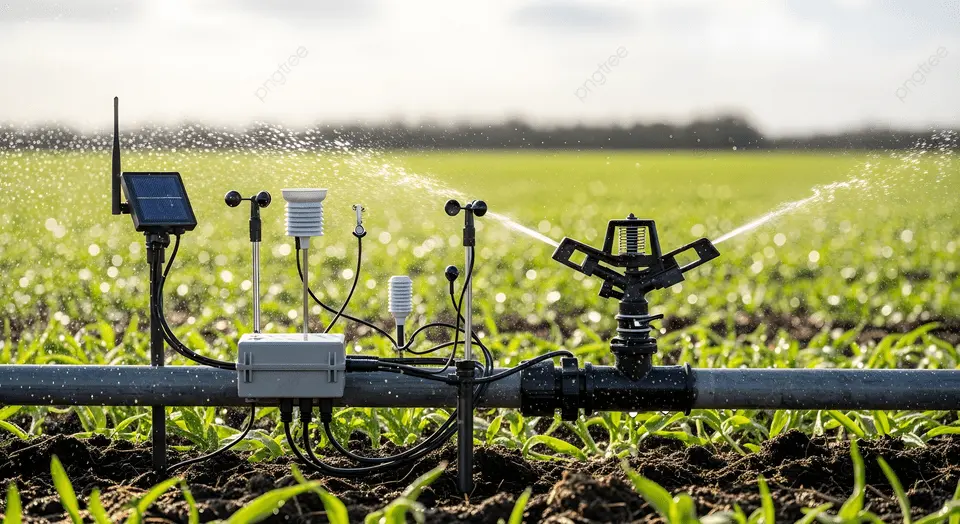
Smart irrigation systems use advanced sensors, weather data, and automated controls to deliver the right amount of water to crops at the right time. Unlike traditional irrigation methods that apply water uniformly regardless of soil moisture or weather conditions, smart systems adapt irrigation schedules, optimizing water usage, reducing waste, and enhancing crop growth.
Key features of smart irrigation include:
– Soil moisture sensors to detect water levels
– Weather forecasting integration for anticipating rainfall
– Remote monitoring and control via mobile apps or controllers
– Variable rate irrigation to deliver specific water requirements based on crop types and soil conditions
By incorporating these features, farmers achieve higher farming water efficiency, critical in areas affected by drought or limited water availability.
The Role of Smart Irrigation in Water Management Agriculture
Water management agriculture focuses on the strategic use and conservation of water resources for crop production. Efficient water use is vital not only to reduce costs but also to protect the environment. Through smart irrigation, farmers can:
– Monitor real-time water needs of crops
– Increase crop quality and yield by preventing under or overwatering
– Lower energy consumption associated with pumping and water distribution
– Avoid runoff and soil erosion caused by excessive watering
This level of control aligns perfectly with the goals of sustainable farming, ensuring that water is used responsibly while meeting agricultural demands.
Popular Smart Irrigation Techniques in Modern Farming
Drip Irrigation
One of the most well-known modern irrigation methods is drip irrigation. This technique involves delivering water directly to the plant’s roots through a network of tubes and emitters. When combined with smart sensors, drip irrigation maximizes water use efficiency by applying water only where it is needed.
Benefits of drip irrigation include:
– Reduced water consumption compared to surface or sprinkler irrigation
– Minimized evaporation losses
– Improved nutrient management when fertilizers are applied through irrigation
– Better control over soil moisture levels
Precision Irrigation
Precision irrigation incorporates data analytics and geographic information systems (GIS) to create detailed irrigation maps. This method considers soil variability, crop type, and topography to optimize water application precisely.
It uses technologies such as:
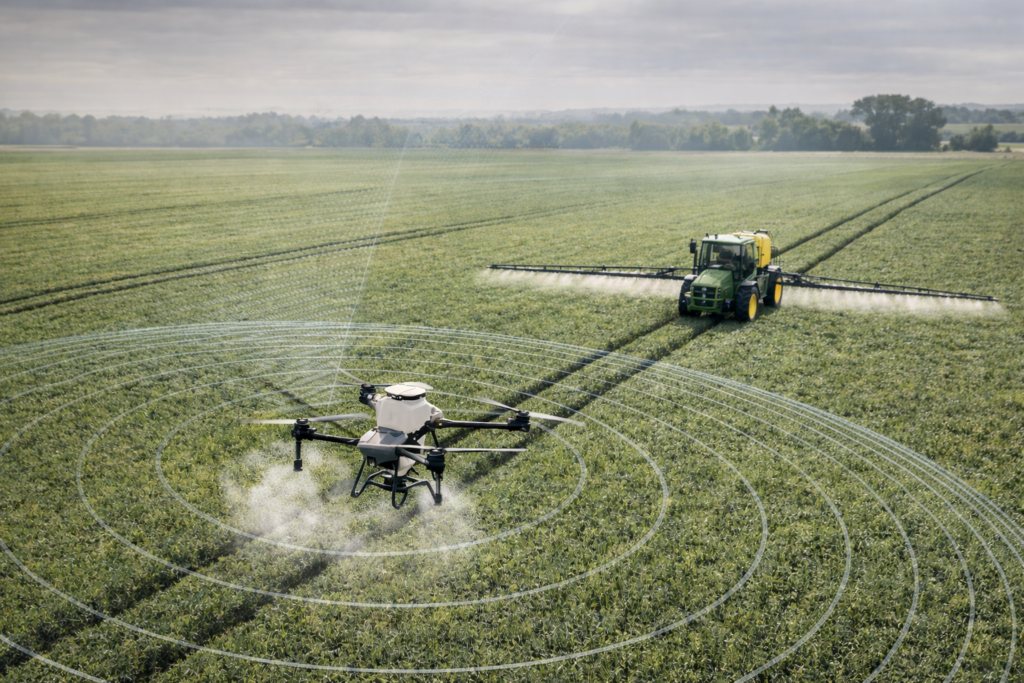
– Satellite and drone imaging
– Soil and weather sensors
– Variable rate irrigation machinery
Precision irrigation improves farming water efficiency and increases yields by tailoring water use to specific field conditions, ensuring every part of the farm receives exactly what it needs.
Combining Drip and Precision Irrigation
Many modern farms combine drip irrigation with precision irrigation technologies to harness the best of both worlds. This integration makes irrigation smarter, more efficient, and environmentally sustainable.
Benefits of Smart Irrigation in Modern Farming Techniques
Implementing smart irrigation offers multiple advantages within modern farming techniques:
1. Enhanced Water Conservation: Optimizes water use and reduces wastage, critical in regions facing water scarcity.
2. Improved Crop Yields: Adequate and timely watering ensures healthy crop growth and increases productivity.
3. Cost Savings: Lower water and energy consumption lead to reduced operational costs.
4. Real-Time Monitoring: Ability to monitor soil and weather conditions remotely enables timely adjustments.
5. Sustainability: Promotes responsible use of natural resources aligning with sustainable farming initiatives.
6. Labor Efficiency: Automation reduces the need for manual watering, saving labor time and expenses.
7. Data-Driven Decisions: Provides valuable data to make informed farming decisions beyond irrigation.
Challenges and Considerations for Smart Irrigation Adoption
Despite its advantages, smart irrigation does have some challenges:
– Initial Investment: High upfront costs for equipment and technology integration.
– Technical Expertise: Farmers need training to operate and maintain smart irrigation systems effectively.
– Infrastructure: Requires reliable power sources and internet connectivity for remote monitoring.
– Customization: Systems need to be tailored to specific crops, soil types, and climate conditions.
Addressing these concerns through education, subsidies, and technological advancements will accelerate the adoption of smart irrigation as a standard element in modern farming.
Case Studies: Smart Irrigation Success Stories
Case Study 1: Vineyard in California
A vineyard in California implemented a combination of drip irrigation and precision irrigation sensors to monitor soil moisture and weather data. By adjusting irrigation schedules automatically, the farm cut water usage by 35% and increased grape yield by 20%, demonstrating the effectiveness of smart irrigation in a water-stressed region.
Case Study 2: Rice Fields in India
Farmers in India deployed smart irrigation controllers connected to soil moisture sensors. This adoption led to optimized water distribution that reduced irrigation frequency by 40%, saving water while maintaining crop health and boosting productivity.
Integrating Smart Irrigation with Other Modern Farming Techniques
Smart irrigation is a crucial component of the larger sustainable agriculture ecosystem. It works well in synergy with other modern farming techniques:
– Soil Health Monitoring: Combined data helps better understand nutrient and water needs.
– Crop Rotation and Polyculture: Smart watering supports diverse crop patterns by adjusting to different crop water requirements.
– Integrated Pest Management (IPM): Proper moisture levels reduce pest outbreaks.
– Renewable Energy: Solar-powered smart irrigation systems reduce the carbon footprint further.
Together, these techniques promote a resilient, efficient, and sustainable agricultural system.
Frequently Asked Questions (FAQs)
Q1: What is the main advantage of smart irrigation over traditional methods?
Smart irrigation optimizes water use by applying the precise amount required based on soil moisture and weather conditions, significantly reducing water waste and increasing crop yield.
Q2: How does drip irrigation improve farming water efficiency?
Drip irrigation delivers water directly to plant roots slowly and consistently, minimizing evaporation and runoff losses compared to surface irrigation.
Q3: Can smart irrigation systems work in all types of crops?
Yes, smart irrigation systems can be adapted for a wide range of crops, although certain setups like drip irrigation are more suited to specific crops such as orchards and row crops.
Q4: What technology is used in precision irrigation?
Precision irrigation uses sensors, satellite or drone imagery, weather data, and GIS to create tailored watering schedules and amounts for different zones within a farm.
Q5: Are smart irrigation systems costly to implement?
While the initial investment can be high due to equipment and technology costs, the long-term savings in water, energy, and increased yields make it cost-effective.
Q6: How does smart irrigation contribute to sustainable farming?
By conserving water, reducing energy use, and improving crop health, smart irrigation supports sustainable farming principles aimed at long-term environmental stewardship.
Conclusion
In conclusion, the integration of smart irrigation systems into modern farming techniques marks a significant advancement toward sustainable agriculture. These technologies empower farmers to manage water resources efficiently through tailored watering strategies like drip irrigation and precision irrigation. By improving farming water efficiency and enhancing water management agriculture, smart irrigation plays a vital role in addressing water scarcity challenges and promoting long-term agricultural productivity. As more farms adopt these intelligent systems, the future of farming moves closer to sustainability, resilience, and prosperity. Embracing smart irrigation today means securing the agricultural needs of tomorrow.