
What Is a Zero Waste Lifestyle and Why It Matters Today
In a world grappling with climate change, pollution, and overflowing landfills, many people are searching for effective ways to reduce their environmental impact. One increasingly popular approach is adopting a zero waste lifestyle. But what exactly does that mean? And how can it help us build a more sustainable future?
This comprehensive guide explores what is a zero waste lifestyle, the zero waste meaning, its role in sustainable living, and why practicing eco responsibility to lead a waste free life matters now more than ever.
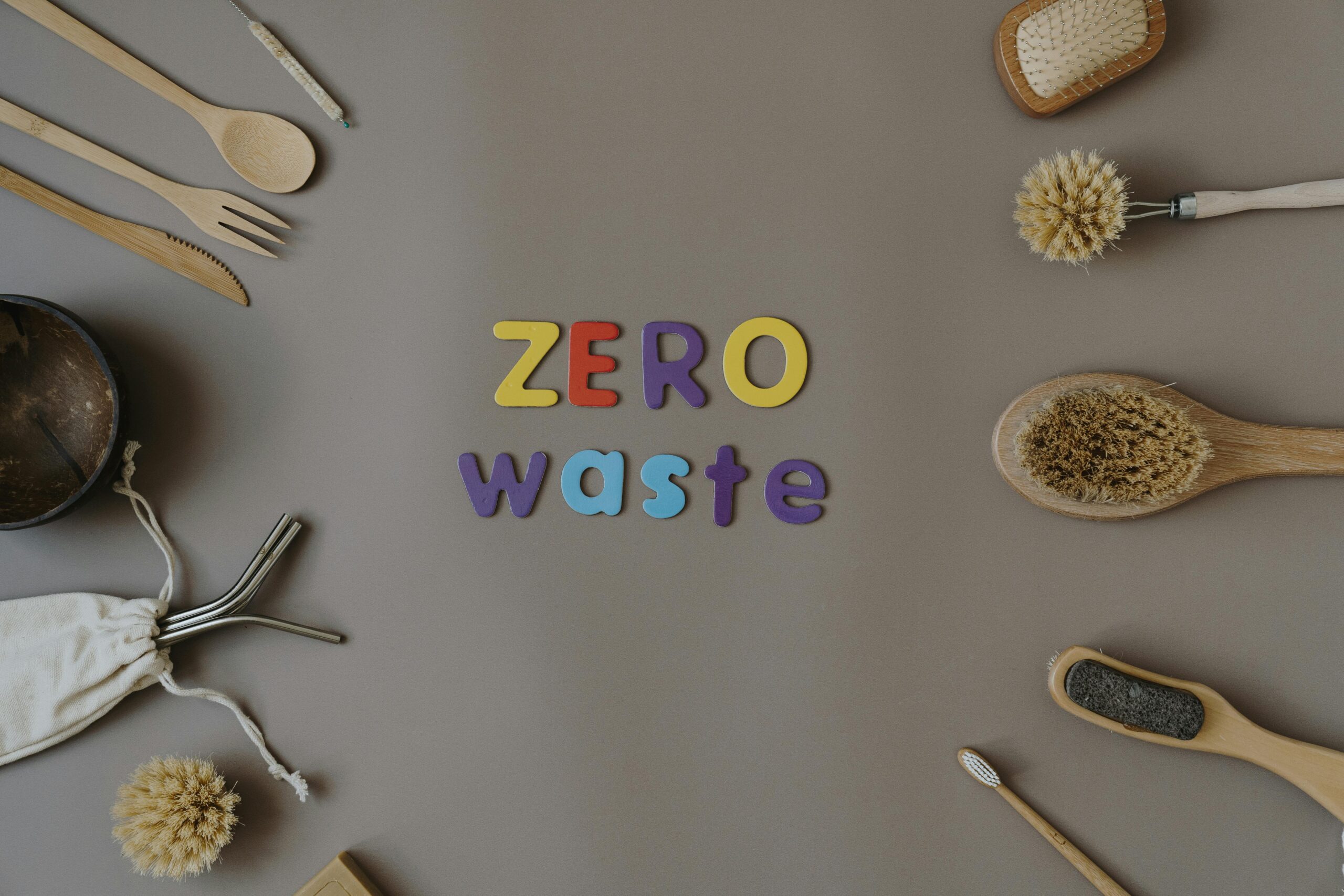
Understanding What Is a Zero Waste Lifestyle
Simply put, a zero waste lifestyle is a conscious way of living that aims to minimize the amount of waste you generate. The ultimate goal is to divert all discarded materials from landfills, incinerators, and the environment by redesigning resource life cycles so that all products can be reused, repaired, or composted.
This lifestyle emphasizes reducing consumption, choosing reusable products, recycling responsibly, and composting organic waste. It’s not about perfection but about making mindful choices that collectively reduce waste and environmental harm.
The Zero Waste Meaning: More Than Just Recycling
While many associate zero waste with recycling, the zero waste meaning encompasses a broader philosophy. It follows a hierarchy often summarized as the “5 R’s”:
– Refuse what you do not need
– Reduce what you do need
– Reuse as much as possible
– Recycle what you can’t refuse, reduce, or reuse
– Rot (compost) the rest
The key is to prioritize waste prevention rather than managing waste after it has been created. In this way, zero waste challenges the traditional throwaway culture and supports an economic and environmental shift toward sustainability.
Why a Zero Waste Lifestyle Matters Today
Globally, humans generate billions of tons of waste annually—much of it plastic and non-biodegradable—which threatens ecosystems, wildlife, and human health. Landfills produce methane, a potent greenhouse gas, and plastic pollution chokes oceans and waterways. Land degradation and pollution further exacerbate climate change, making waste management a critical issue to address.
By adopting a zero waste lifestyle, you contribute to:
– Reducing pollution and carbon footprint: Less waste means less energy spent on manufacturing, transportation, and disposal, reducing greenhouse gas emissions.
– Conserving natural resources: Sustainable consumption conserves water, minerals, and energy embedded in goods.
– Promoting eco responsibility and community awareness: Demonstrating responsible consumption inspires others and supports policies for waste reduction.
– Supporting a circular economy: Zero waste encourages product design that supports durability, repairability, and recyclability.
Given the growing urgency of climate change and environmental degradation, the zero waste movement is as relevant as ever. It is a practical and empowering way to live in harmony with the planet.
How Sustainable Living and Zero Waste Lifestyle Intersect
Sustainable living is a broad approach to minimizing environmental impact through all lifestyle choices, including energy use, transportation, diet, and consumer habits. A zero waste lifestyle is a core subset of sustainable living focused specifically on waste prevention and materials management.
By integrating both, you create a holistic commitment to eco-friendly living that addresses multiple aspects of your footprint, guiding your decisions toward minimal environmental harm.

Strategies to Start a Waste Free Life
Adopting a zero waste lifestyle might seem challenging at first, but small, steady changes accumulate over time. Here are practical strategies to begin your waste free life journey:
1. Audit Your Waste
Track your trash for a week to understand what you throw away most. This helps identify priority areas to reduce.
2. Switch to Reusables
Replace single-use items like plastic bags, water bottles, straws, and takeout containers with durable alternatives.
3. Buy in Bulk and Avoid Packaging
Purchase food, toiletries, and household goods in bulk to minimize packaging waste. Bring your own bags and containers.
4. Choose Products with Minimal or Compostable Packaging
Support brands that prioritize eco-friendly packaging materials or sell package-free products.
5. Compost Organic Waste
Set up a compost bin for food scraps and yard waste to recycle nutrients back into the soil rather than throwing them away.
6. Repair and Upcycle
Fix broken items instead of discarding them; find creative ways to repurpose objects.
7. Support Secondhand and Local Markets
Buying used goods prevents unnecessary production and transportation emissions.
8. Be an Advocate
Share your journey and encourage others to adopt zero waste practices while supporting policies that promote sustainable production.
Challenges in Adopting a Zero Waste Lifestyle
While the benefits of zero waste living are clear, it does require commitment and overcoming some obstacles:
– Accessibility: Availability of package-free or sustainable products varies by location.
– Time Investment: Shopping thoughtfully and managing waste diligently can take more time.
– Initial Cost: Some reusable products cost more upfront, though they save money long-term.
– Social Pressures: Changing habits can feel isolating in a buy-and-dispose culture.
With awareness, planning, and support networks, these challenges are manageable. The environmental payoff makes the effort worthwhile.
Frequently Asked Questions about Zero Waste Lifestyle
1. What is a zero waste lifestyle in simple terms?
It means living in a way that produces very little or no trash by refusing unnecessary items, reducing consumption, reusing what you can, recycling responsibly, and composting organic waste.
2. How is zero waste different from recycling?
Recycling manages waste after it’s created, while zero waste prioritizes avoiding waste production altogether through refusal, reduction, and reuse before recycling.
3. Can I be zero waste if I don’t recycle everything?
Yes. Zero waste is about minimizing waste, not perfection. Every effort to refuse and reduce waste counts.
4. Is zero waste living expensive?
Initially, some reusable items may cost more, but over time you save money by buying fewer disposables and unhealthy impulse purchases.
5. How can zero waste help the environment?
It reduces landfill waste and pollution, conserves resources, lowers emissions related to production and disposal, and supports ecosystem health.
6. What are some easy first steps toward a zero waste lifestyle?
Start by bringing reusable bags, avoiding bottled water, and composting food scraps.
7. Do zero waste practices only apply to homes?
No, they can be applied in businesses, schools, communities, and events to reduce waste collectively.
8. Can living zero waste improve my health?
Often yes, because it encourages whole, unpackaged foods and avoidance of harmful chemicals found in many disposable products.
Conclusion
Understanding what is a zero waste lifestyle and embracing its principles is more than a trend—it is a necessary response to the growing environmental challenges we face. Through conscious choices that reflect eco responsibility and sustainable living, individuals can significantly reduce their waste footprint and live a truly waste free life.
The movement offers a powerful way to take control of consumption, nurture the planet, and inspire others toward collective change. Whether you’re just starting or deepening your commitment, adopting a zero waste lifestyle contributes to a healthier planet today and for future generations.
Living zero waste aligns with an Eco Friendly Living mindset and demonstrates how everyday actions can drive big impact. The time to start is now—because the health of our earth and wellbeing of all species depend on choices made today.
see weather forecase
https://livedgreen.com/
https://garden.org/