
What Is Commercial Farming? Definition, Features, and Crop Types
Understanding what is commercial farming is essential for anyone interested in agriculture, sustainability, or food production. As the global population expands, so does the demand for efficient and profitable farming systems. Commercial farming stands out as a modern agricultural practice designed to meet market demands on a large scale. This article will explore the definition of commercial farming, its distinct features, popular commercial farming crops, and its place within the broader spectrum of types of farming and modern agriculture.
Definition of Commercial Farming
Commercial farming refers to the large-scale production of crops and livestock primarily intended for sale in markets rather than for personal consumption. Unlike subsistence farming, which focuses on feeding the farmer’s own family, commercial farming is profit-oriented, relying heavily on capital, modern technology, and mechanization to maximize yield.
This farming practice is designed to serve national and international markets, often involving monoculture or the specialization in one or a few crops, allowing farmers to benefit from economies of scale. In many countries, commercial farming forms the backbone of agricultural exports and is a significant contributor to the economy.
Key Elements in the Definition of Commercial Farming
– Production is market-driven.
– Large-scale operations.
– Use of modern equipment and technology.
– Employment of scientific methods such as high-yield seed varieties and chemical fertilizers.
– Integration into national and global trade systems.
Features of Commercial Farming
The features of commercial farming separate it clearly from other agricultural systems, such as subsistence or traditional farming. These features not only reflect its operational scale but also the approach to production and resource management.
Features of Commercial Farming
1. Large-scale Production
Commercial farms operate on extensive land areas to produce crops in bulk quantities.
2. Use of Technology and Modern Inputs
Techniques like mechanization, chemical fertilizers, pesticides, and improved seed varieties are commonly employed.
3. Specialization
Farmers generally specialize in high-demand crops or livestock that bring better financial returns.
4. Capital Intensive
Due to the need for machines, infrastructure, and inputs, commercial farming requires significant financial investment.
5. Market-Oriented
The primary goal is to sell output rather than producing for personal consumption.
6. Scientific Management
Modern practices of crop rotation, irrigation, and pest control are used to ensure high yields and sustainability.
7. Employment
Commercial farms often generate employment opportunities, requiring both skilled and unskilled labor.
8. Monoculture
Often involves growing a single crop on a large scale to maximize efficiency and profitability.

Types of Commercial Farming
Commercial farming includes several types, distinguished by the kind of production focus and regional environmental factors. Understanding these different types of farming within the commercial spectrum can clarify how diverse the practice can be.
Types of Commercial Farming
– Mixed Farming: Combines crop cultivation with livestock rearing, enabling diversified income sources.
– Plantation Farming: Large farms growing crops like tea, coffee, rubber, and sugarcane usually destined for international markets.
– Dairy Farming: Focuses on milk production and its allied products on a commercial scale.
– Commercial Grain Farming: Growing cereals such as wheat, corn, and barley primarily for market sale.
– Commercial Vegetable Farming: Production of vegetables in large quantities for fresh markets and processing units.
– Horticulture Farming: Commercial cultivation of fruits, flowers, and ornamental plants.
– Intensive Farming: High-input agriculture aimed at maximum yield per unit area, common close to urban markets.
– Extensive Farming: Farming done on large tracts of land with relatively lower input but covering a wider area, common in regions with lower population density.
Commercial Farming Crops: What Are They?
Commercial farming crops are generally those that have high market demand and are suitable for large-scale farming. These crops often offer significant economic returns and are grown with advanced farming techniques.
Common Commercial Farming Crops
– Cereals: Wheat, maize, barley, rice – staple foods with extensive market demand.
– Cash Crops: Cotton, sugarcane, tobacco – grown for industrial use and export.
– Fruits: Apples, bananas, citrus fruits – for fresh consumption and processing.
– Vegetables: Potatoes, tomatoes, onions – essential for local and export markets.
– Oilseeds: Soybean, sunflower, groundnut – used for oil extraction.
– Fiber Crops: Cotton, jute – used in textile industries.
These crops are often grown intensively with the help of chemical fertilizers, irrigation, and pest control to maximize yields and profitability.
Commercial Farming and Modern Agriculture
Modern agriculture encompasses a wide range of technological and scientific advancements aimed at improving crop yields, sustainability, and efficiency. Commercial farming is a significant part of modern agriculture, relying heavily on innovations to remain competitive and profitable.
How Commercial Farming Embraces Modern Agriculture
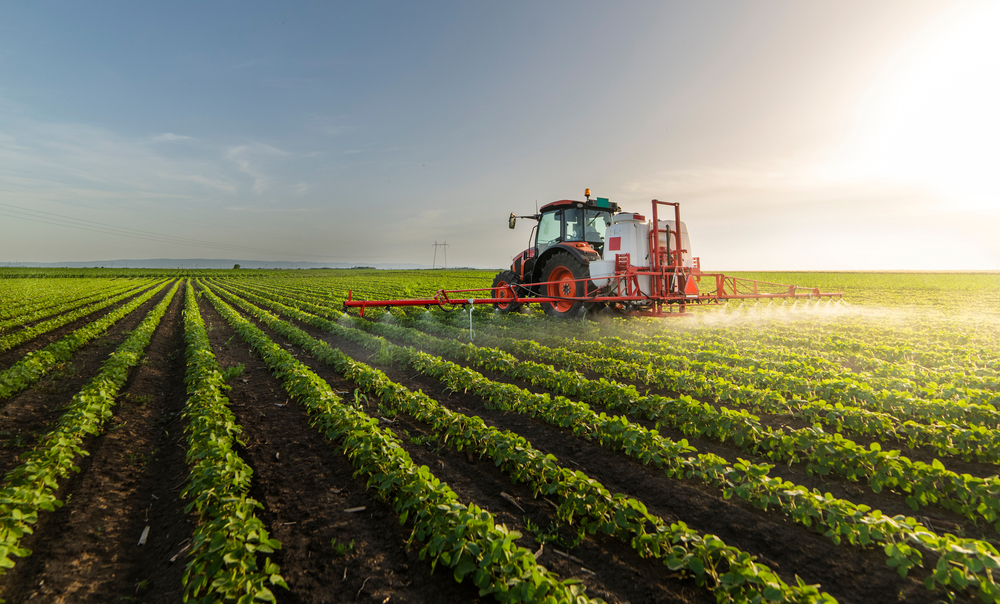
– Mechanization: Use of tractors, harvesters, and irrigation pumps to reduce labor and increase efficiency.
– Biotechnology: Genetically modified crops that are pest-resistant or drought tolerant.
– Precision Farming: Satellite technology and drones used for monitoring soil health and crop productivity.
– Sustainable Practices: Adoption of crop rotation, integrated pest management to reduce environmental impact.
– Supply Chain Integration: Efficient storage, transportation, and marketing systems.
Commercial Farming’s Role in Sustainable Farming
Though traditionally commercial farming has been criticized for its environmental footprint due to intensive use of chemicals and monoculture, many modern commercial farms are now integrating sustainable practices. Sustainable farming aims to balance profit with ecological responsibility.
Sustainable Commercial Farming Practices
– Reduced chemical use through organic fertilizers and biological pest control.
– Conservation tillage to preserve soil health.
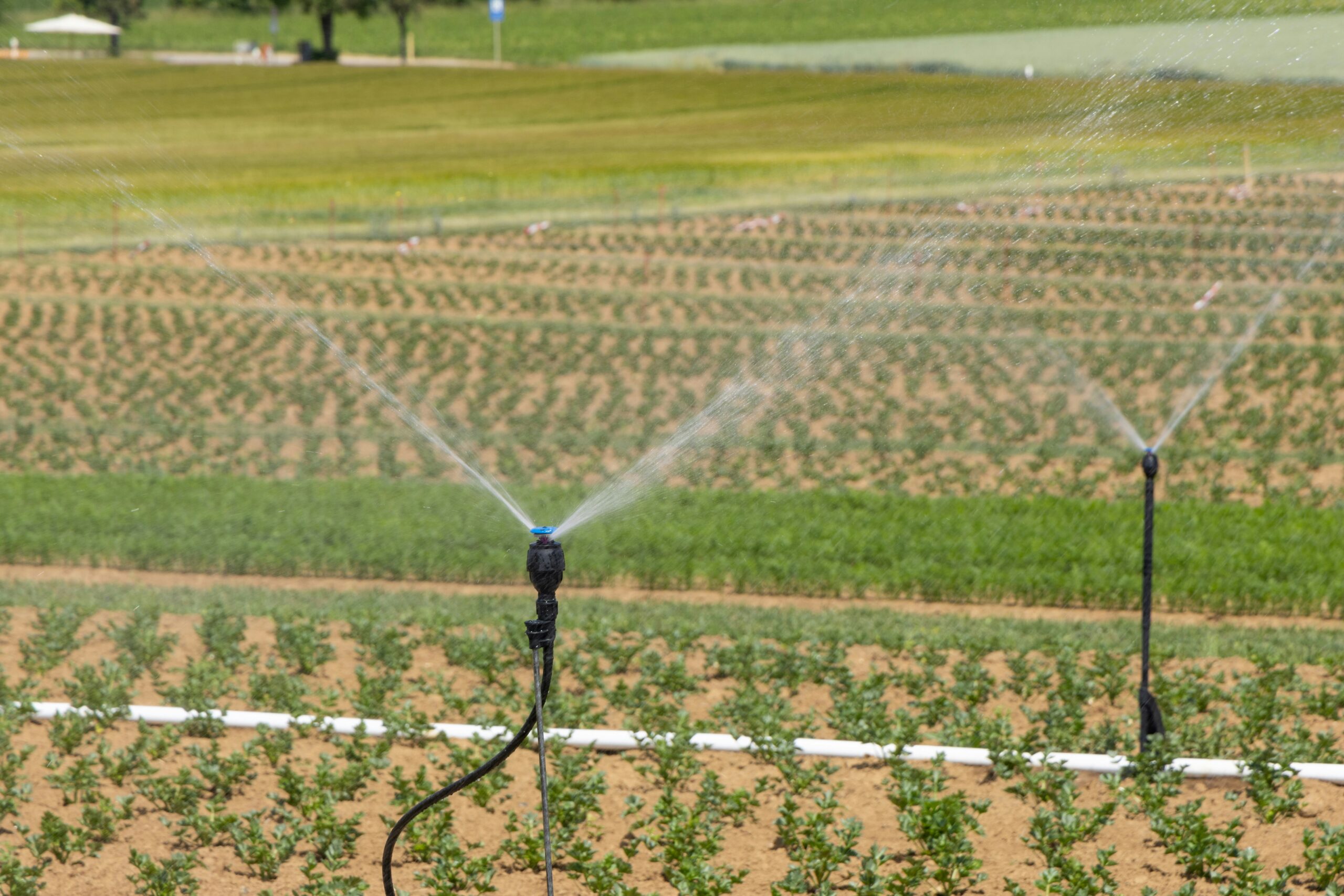
– Water-saving irrigation techniques like drip irrigation.
– Crop diversification to prevent soil depletion.
– Use of renewable energy in farming operations.
Sustainable commercial farming represents the future of agriculture, combining high outputs with environmental stewardship.
Frequently Asked Questions (FAQs)
Q1: What is the main difference between commercial and subsistence farming?
A: The main difference is the purpose. Commercial farming produces crops and livestock for sale and profit, while subsistence farming focuses on growing food primarily for the farmer’s own consumption.
Q2: What are the advantages of commercial farming?
A: Advantages include higher production levels, efficient use of technology, availability of a wide range of crops, employment generation, and contribution to the economy through exports.
Q3: Can commercial farming be sustainable?
A: Yes, sustainable commercial farming incorporates eco-friendly practices like organic inputs, efficient water use, and crop diversification, balancing profits with environmental care.
Q4: Which crops are most popular in commercial farming?
A: Popular commercial crops include wheat, maize, sugarcane, cotton, coffee, tea, vegetables, and fruits.
Q5: How does commercial farming fit into modern agriculture?
A: Commercial farming utilizes modern agricultural techniques such as mechanization, biotechnology, precision farming, and sustainable practices to maximize yield and meet market demands.
Q6: Is commercial farming capital intensive?
A: Yes, commercial farming typically requires significant financial investment for machinery, infrastructure, seeds, fertilizers, and labor.
Q7: What environmental challenges does commercial farming face?
A: Challenges include soil degradation, pesticide pollution, water overuse, and loss of biodiversity, although these can be mitigated with sustainable practices.
Conclusion
Understanding what is commercial farming is key to appreciating modern agriculture’s role in feeding the world’s population and supporting economies. Defined by its large scale, market orientation, and use of technology, commercial farming differs significantly from other types of farming, such as subsistence or traditional agriculture. The features of commercial farming — including specialization, capital intensity, and scientific management — ensure that it remains a profitable and efficient practice.
With a diverse range of commercial farming crops like cereals, fruits, vegetables, and cash crops suited for industrial use, commercial farms play a critical role in global food supply chains. Moreover, as concerns about environmental impact grow, commercial farming is evolving by embracing sustainable farming principles alongside modern agriculture innovations.
For stakeholders ranging from farmers to policy makers, understanding commercial farming is crucial to advancing food security, economic development, and environmental sustainability worldwide.
see weather forecase
https://livedgreen.com/
https://garden.org/