
What Are Modern Farming Techniques? A Complete Beginner’s Guide
Modern farming has undergone a remarkable transformation over the past few decades. With the growing need for sustainable food production and environmental conservation, modern farming techniques have become crucial to meet global demand efficiently. This beginner’s guide explores the key concepts behind modern agriculture methods, introduces you to advanced farming, and highlights the role of farming innovation and smart farming in reshaping agriculture today.
Understanding Modern Farming Techniques
Modern farming techniques refer to a broad set of methods and strategies employed to enhance the productivity, efficiency, and sustainability of agriculture. Unlike traditional farming, which often relies heavily on manual labor and conventional practices, modern agriculture integrates cutting-edge technology and scientific advancements. These techniques allow farmers to maximize yield, reduce waste, and conserve natural resources.
Why Are Modern Farming Techniques Important?
– Increased Efficiency: They help in optimizing the use of water, fertilizers, and pesticides, minimizing waste.
– Sustainable Practices: Reducing environmental impact while ensuring long-term soil health.
– Higher Yields: Utilize technology to boost crop production and quality.
– Adaptability: Facilitate farming in changing climate conditions and varying landscapes.
As the global population continues to grow, the need for sustainable and efficient agriculture becomes more critical than ever. Implementing modern agriculture practices is a key step in achieving food security for the future.
Key Modern Agriculture Methods
Modern farming incorporates an array of innovative methods designed to improve productivity while promoting sustainability. Some of the most widely adopted modern agriculture methods include:
1. Precision Farming
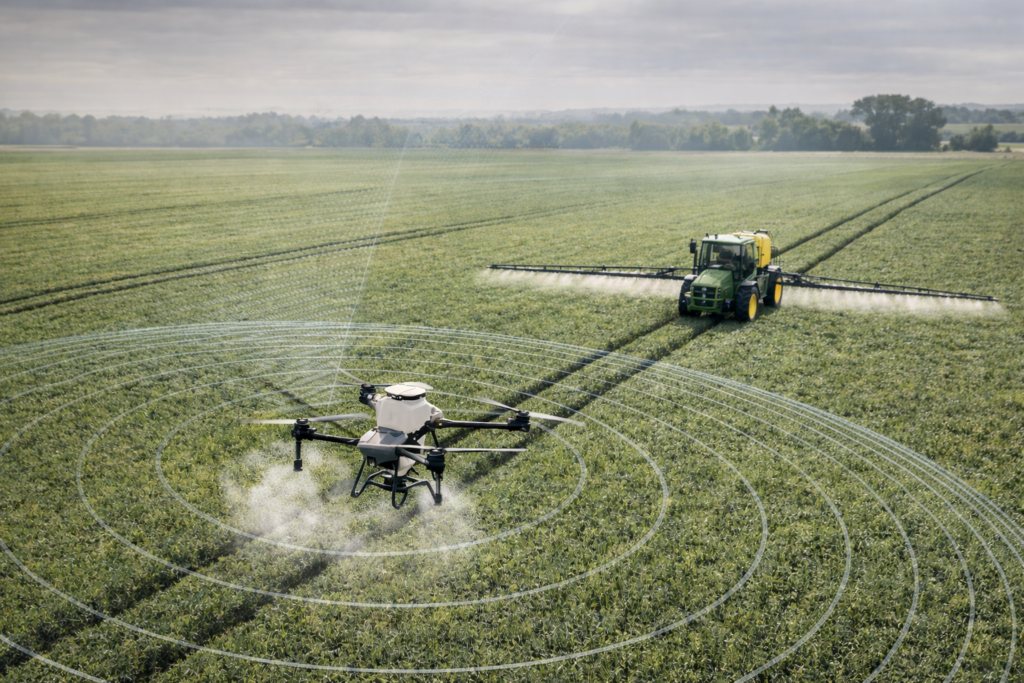
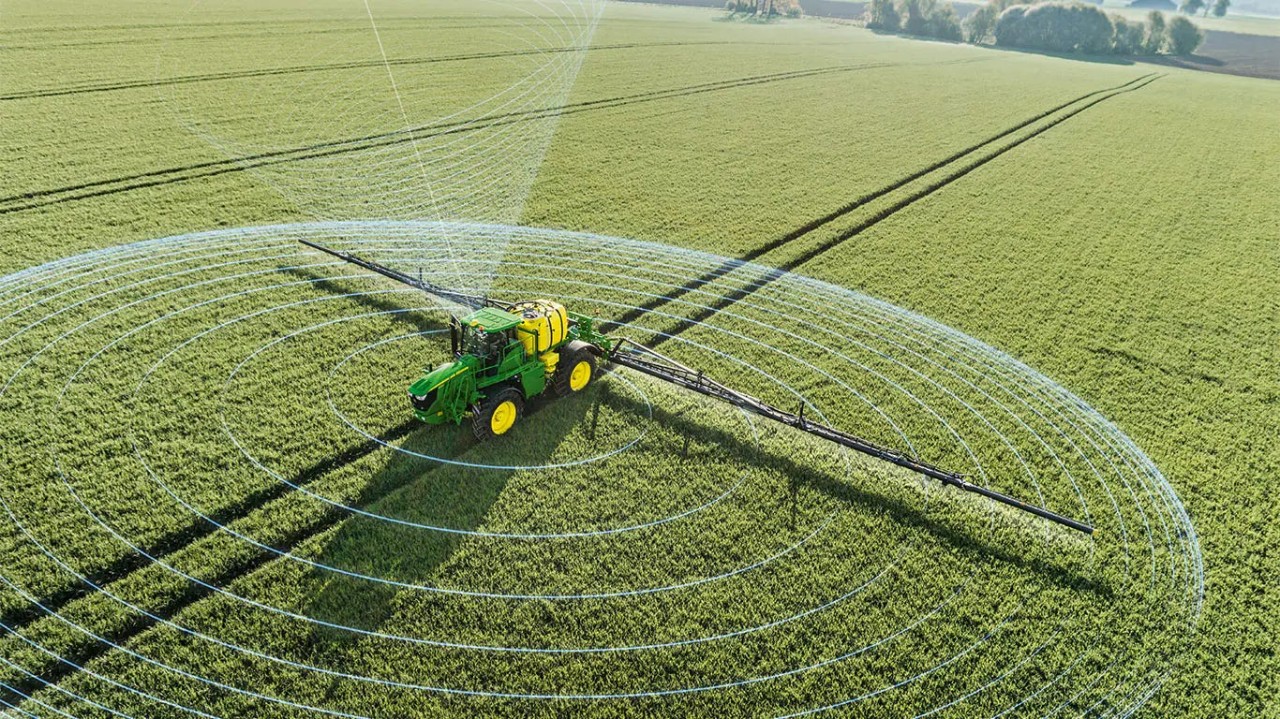
Known as smart farming, precision farming uses GPS technology, drones, and IoT sensors to monitor crop health, soil conditions, and resource usage at a granular level. By collecting real-time data, farmers can make informed decisions about irrigation, fertilization, and pest control, improving crop output while reducing input costs.
2. Hydroponics and Aquaponics
These soil-less techniques allow plants to grow in nutrient-rich water environments. Hydroponics focuses solely on plant growth in water, whereas aquaponics combines fish farming with plant cultivation. Both systems are excellent for urban farming or areas with poor soil quality and help conserve water.
3. Crop Rotation and Polyculture
Incorporating multiple crops in the same field or rotating crops each season helps maintain soil fertility, reduce pest outbreaks, and improve biodiversity. These traditional yet enhanced techniques are vital components of modern agriculture practices aimed at sustainability.
4. Use of Genetically Modified Organisms (GMOs)
GMOs are engineered plants designed to enhance resistance to pests, diseases, and environmental stresses. While controversial, their careful and regulated use can drastically increase yields and reduce chemical use on farms employing advanced farming methods.
5. Vertical Farming
A novel approach particularly suited for urban environments, vertical farming stacks crops vertically in controlled indoor environments. This technique dramatically reduces the land and water footprint of farming and enables year-round production.
Farming Innovation and Technology
The future of agriculture is being molded by continual farming innovation. Technology-driven advancements have led to smarter, more precise, and automated farming systems. Some of the pivotal innovations include
Drones and Satellite Imaging
Drones equip farmers with aerial views of fields, enabling quick detection of crop problems like nutrient deficiencies or pest infestations. Satellite imagery complements this by offering broader environmental data to analyze weather trends and soil moisture variations.
Automated Machinery and Robotics
From self-driving tractors to robotic harvesters, automation is transforming labor-intensive agriculture. These machines increase speed, accuracy, and efficiency in planting, tending, and harvesting crops.
Artificial Intelligence (AI) and Machine Learning
AI-powered analytics help predict outbreaks, optimize planting schedules, and personalize fertilizer applications. These tools contribute significantly to modern agriculture practices by allowing farmers to anticipate challenges and respond proactively.
Internet of Things (IoT) in Farming
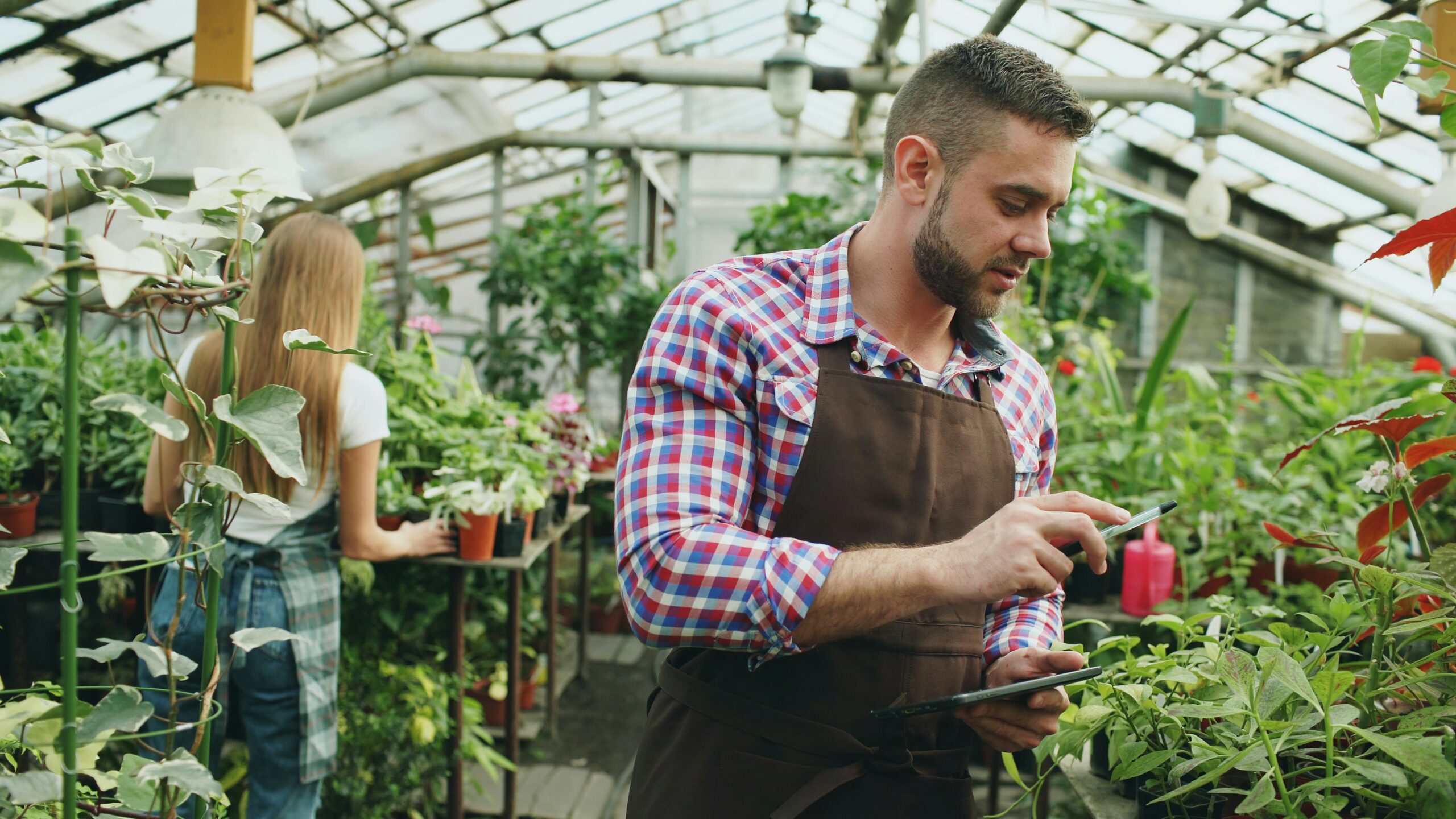
Sensors placed in soil and crops transmit continuous data on moisture levels, temperature, and nutrient needs. Integrating IoT with irrigation systems and fertilizer dispensers automates resource management, reducing human error and waste.
Sustainable Farming and Modern Farming Techniques
The heart of modern farming techniques lies in their ability to promote sustainability. Sustainable farming ensures that agricultural practices meet today’s food needs without compromising the ability of future generations to do the same.
Techniques such as precision farming, crop rotation, and the adoption of renewable energy sources help reduce environmental impact, preserve biodiversity, and maintain soil quality. By combining modern agriculture practices with sustainability principles, farmers contribute to healthier ecosystems and resilient food systems.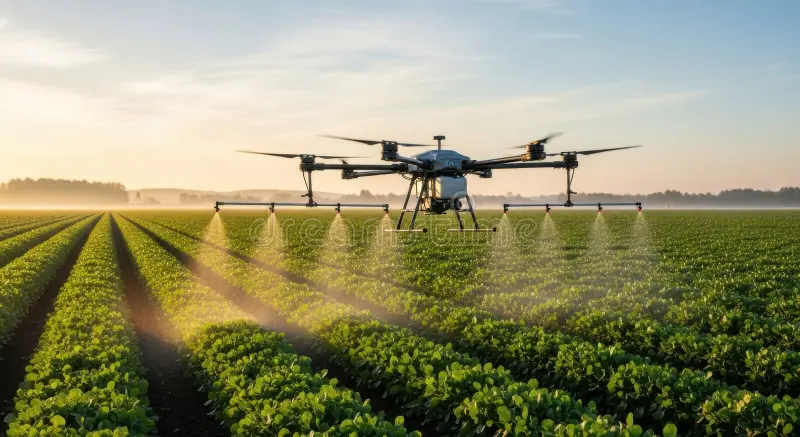
How to Implement Modern Farming Techniques as a Beginner
Starting with modern farming techniques may seem daunting, but gradual adoption can yield significant benefits. Here are key steps for beginners:
1. Educate Yourself: Attend workshops, read guides, or take online courses on modern agriculture methods.
2. Invest in Technology Gradually: Start with affordable IoT sensors or simple drone imaging before expanding to automated machinery.
3. Start Small: Pilot projects with hydroponics or precision farming on small plots can help you understand the benefits and challenges.
4. Consult Experts: Collaborate with agronomists, agricultural extension officers, or local farming communities.
5. Focus on Sustainability: Integrate crop rotation and organic amendments to improve soil health alongside technology.
Benefits of Modern Agriculture Practices
– Improved resource management reduces costs and conserves the environment.
– Enhanced crop quality and quantity support better market prices and food supply.
– Increased resilience to climate variability and pests through data-driven decisions.
– Reduction in manual labor demands with automated systems.
– Contribution to global sustainable development goals (SDGs) by minimizing environmental impact.

Frequently Asked Questions (FAQ)
Q1: What is the difference between smart farming and modern farming techniques?
Smart farming is a subset of modern farming techniques that specifically relies on digital tools such as IoT devices, data analytics, and automation to optimize farming processes. Modern farming includes smart farming as well as other methods like crop rotation and hydroponics.
Q2: Are modern farming techniques expensive to implement?
Initial implementation may require investment in technology and training. However, many scalable solutions exist, and long-term benefits such as cost savings and increased yield often offset initial expenses.
Q3: How do modern farming techniques contribute to sustainability?
They reduce resource wastage through precision applications, improve soil health with crop rotation, and minimize environmental damage by reducing chemical reliance and optimizing input use.
Q4: Can modern farming techniques be used for small-scale farms?
Absolutely. Many smart farming technologies and modern agriculture practices are scalable and adaptable for small farms, often improving efficiency and sustainability.
Q5: Is the use of GMOs necessary in modern farming?
While GMOs can offer benefits like pest resistance and drought tolerance, they are not mandatory. Many modern techniques focus on sustainable practices, data-driven management, and technology integration without GMOs.
Conclusion
Embracing modern farming techniques is essential for anyone looking to engage in productive, sustainable agriculture today. By blending advanced farming technology, farming innovation, and modern agriculture practices, farmers can significantly enhance yield, reduce environmental impacts, and ensure long-term food security. Whether you are a beginner or an experienced farmer, exploring these methods offers exciting opportunities to transform traditional farming into a smart, efficient, and sustainable endeavor. The journey toward modern agriculture is not just about adopting new tools—it’s about fostering a mindset centered on innovation, stewardship, and continuous improvement. Start today, and contribute to shaping the future of farming.
see weather forecase
https://livedgreen.com/
https://garden.org/